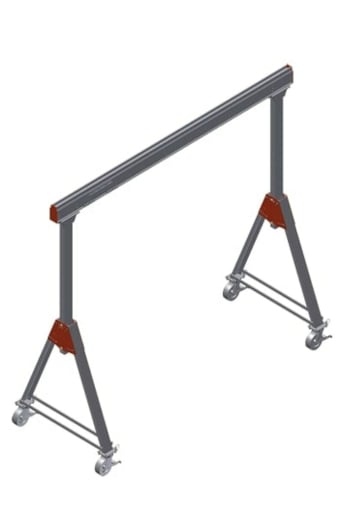
Industrial Pick-and-Carry Crane
An industrial pick-and-carry crane is a compact, mobile crane designed for lifting and transporting loads within manufacturing facilities, maintenance yards, and industrial plants. Distinguished from carry-deck cranes by heavier capacity ranges and specialized industrial configurations, these cranes combine a lifting mechanism with a chassis capable of traveling while carrying loads. The equipment class serves industrial environments where portability, tight maneuvering, and high lifting capacity are required in confined spaces.
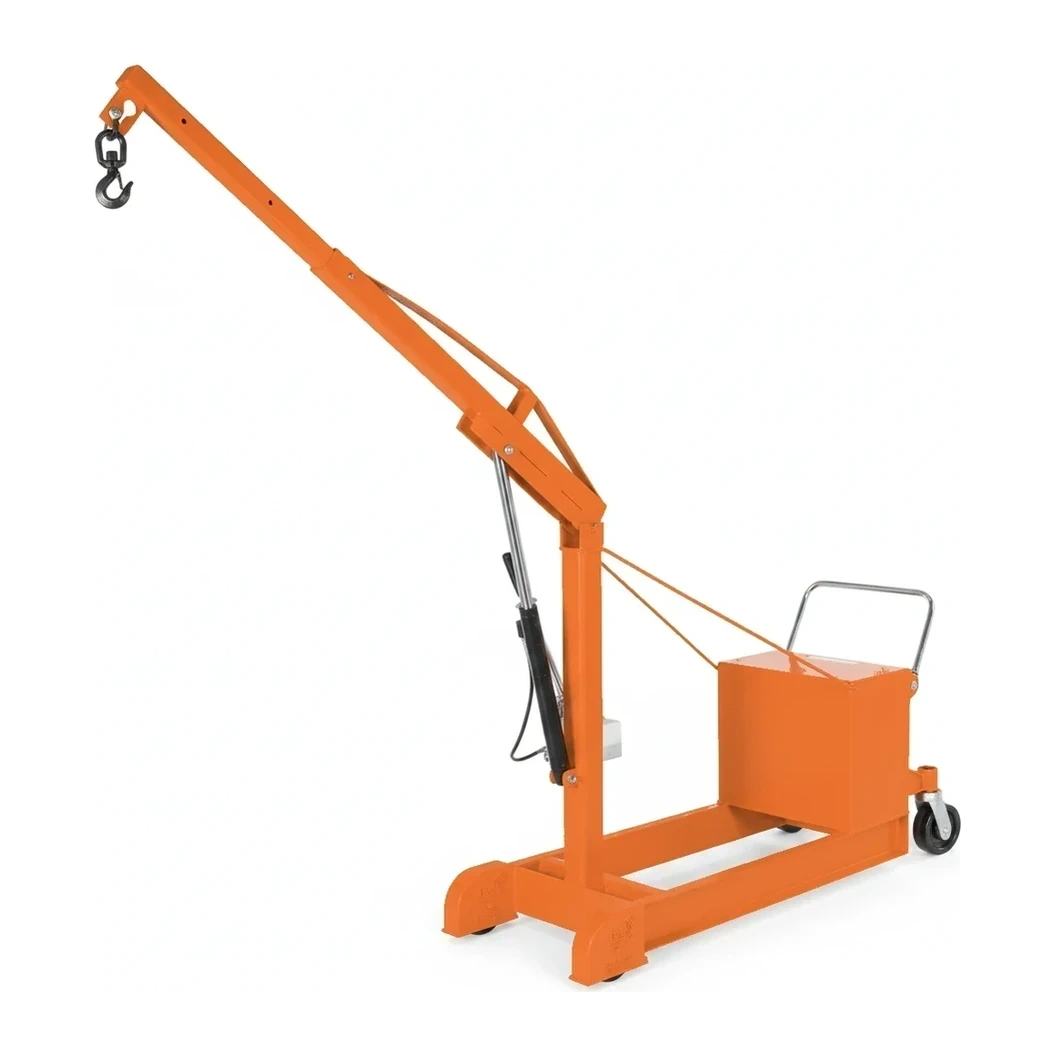
Cómo funciona
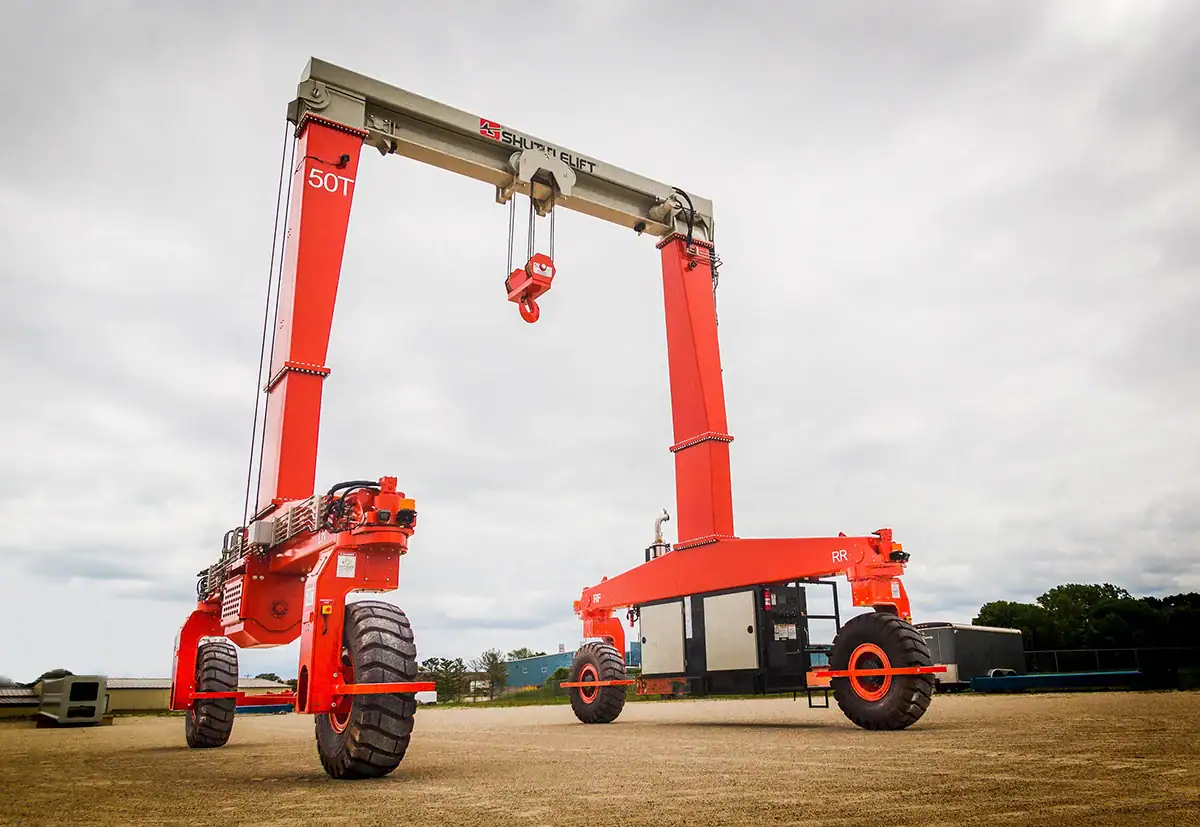
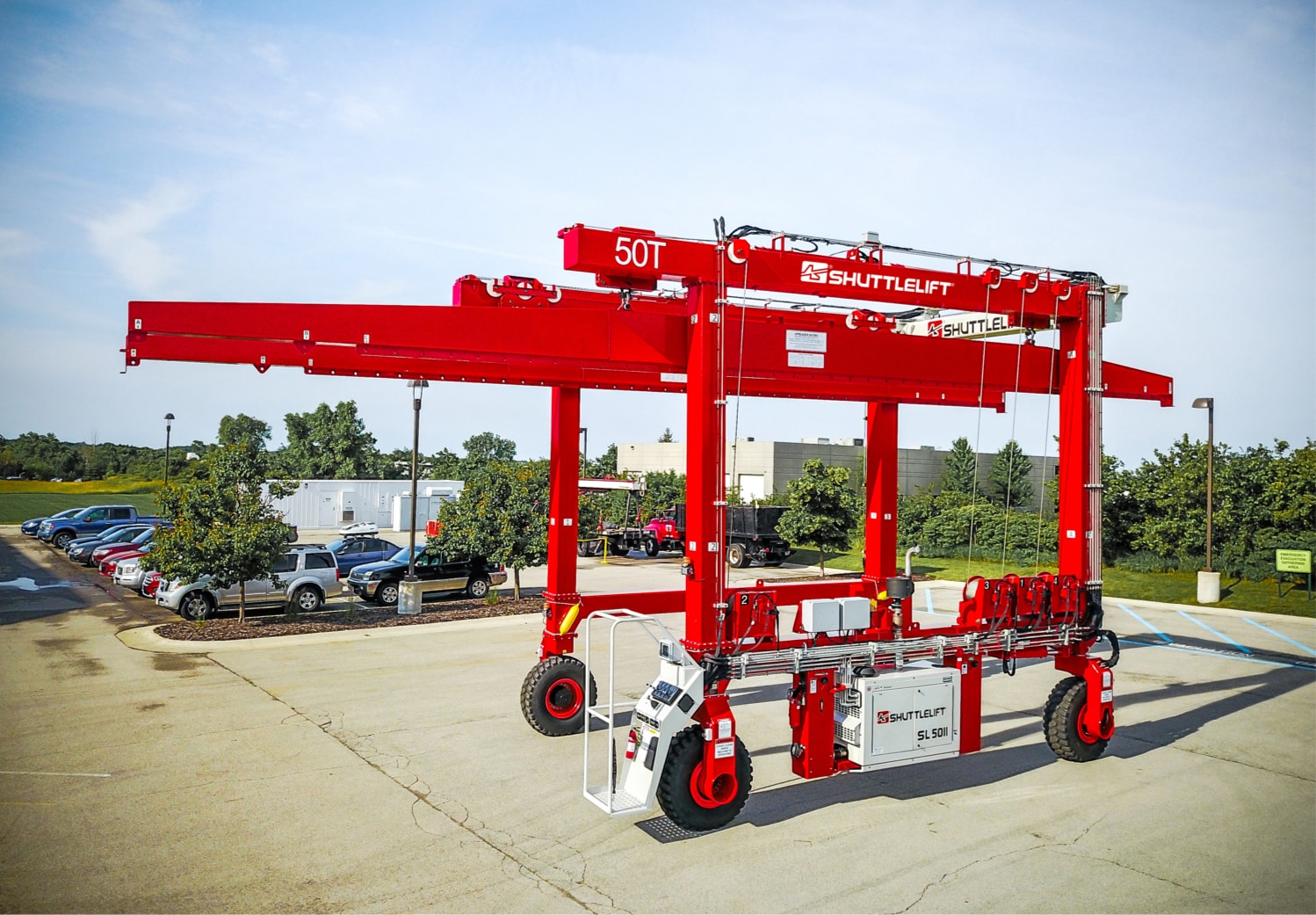
The crane operates on a wheeled chassis with a rotating superstructure and telescoping or fixed boom. The operator controls lifting, slewing, and travel functions from a cab or control station, using hydraulic systems to power boom extension, hoist mechanisms, and outrigger deployment. The chassis design allows the crane to lift a load, carry it to a new location while maintaining control, and set it down: all without requiring outrigger deployment during travel in many models. Outriggers or stabilizers extend when lifting at maximum capacity or radius to provide a stable footprint. Smaller units designed for indoor use feature compact dimensions to navigate standard door openings and factory aisles, while larger models handle heavy machinery moves in outdoor industrial yards and maintenance facilities.
Tipos y variantes
- Compact Indoor Models
- Units under 5 tons with narrow profiles designed to pass through standard door openings for machinery installation and maintenance inside finished buildings and production floors.
- Heavy-Duty Plant Cranes
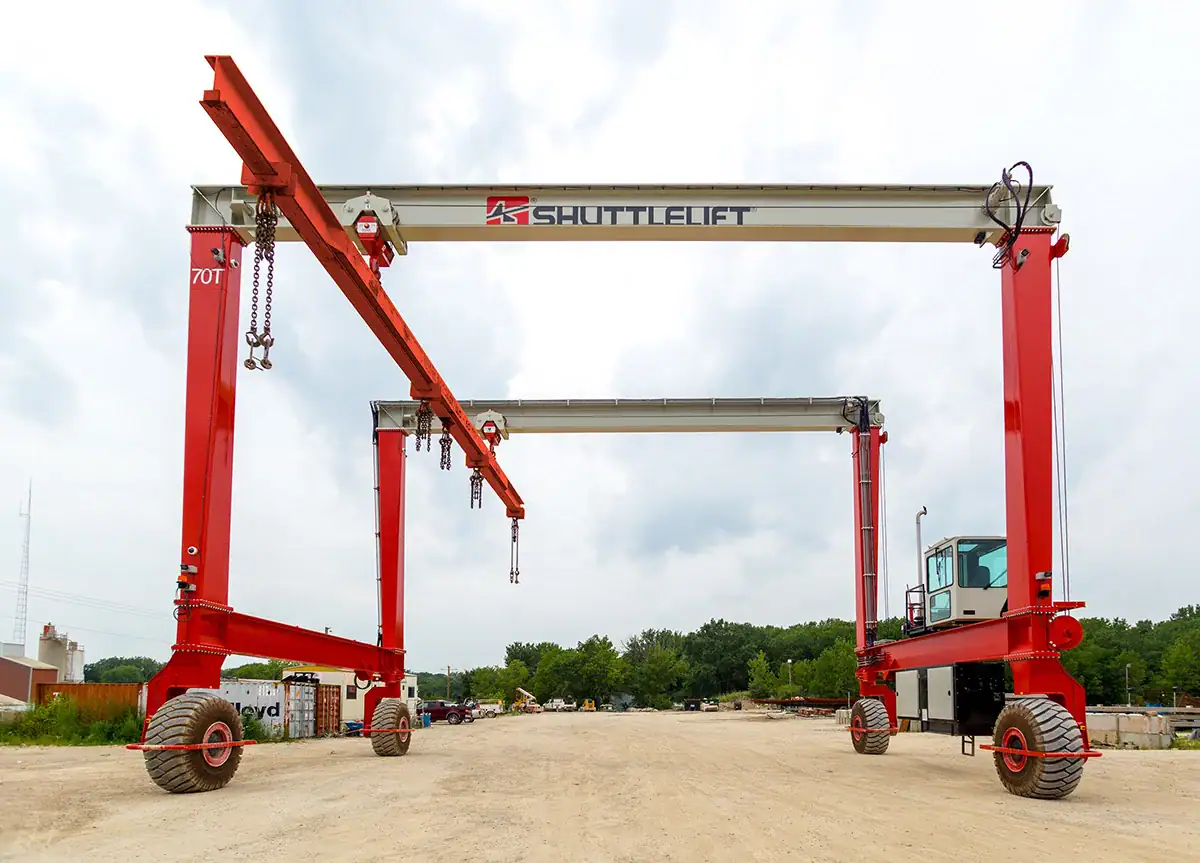
- Larger capacity units from 30 to 90+ tons built for outdoor industrial applications, equipment moves, and plant maintenance where carry-deck cranes lack sufficient capacity.
- Telescoping Boom
- Cranes with hydraulically extending booms that provide variable reach and height adjustment for diverse lifting tasks and obstructions.
- Fixed Boom
- Models with non-extending booms offering simplified operation and higher capacity at shorter radii, common in repetitive industrial lifting applications.
- Four-Wheel Steer
- Units equipped with all-wheel steering capabilities for enhanced maneuverability in tight spaces, essential for navigating congested plant environments.
Especificaciones clave
| Especificación | Rango típico | Qué significa |
|---|---|---|
| Lifting Capacity | 3,968–198,416 lb (1.8–90 t) | Maximum rated load the crane can lift at minimum radius, determines suitability for machinery and equipment weights. |
| Boom Length | 26.2–98.4 ft (8–30 m) | Maximum horizontal or vertical reach, dictates ability to access elevated or distant pick points within facilities. |
| Overall Width | 4.9–14.1 ft (1.5–4.3 m) | Width of chassis including outriggers retracted, critical for door clearances and aisle navigation in industrial settings. |
| Travel Speed | 3-25 km/h | Maximum speed while transporting loads or repositioning, varies significantly between compact indoor and heavy outdoor models. |
| Outrigger Spread | 9.8–26.2 ft (3–8 m) | Fully extended stabilizer footprint, determines required working space and affects lifting capacity charts. |
Cómo la industria lo dimensiona
The industry sizes industrial pick-and-carry cranes by lifting capacity in tons (metric tonnes or US short tons). Common size bands include 30-50 USt and 90 USt and above for heavy-duty models. Compact units under 5 tons are specified for indoor work where dimensional constraints require passage through standard door openings. Larger models from 5 tons upward serve plant maintenance and outdoor industrial applications where carry-deck cranes provide insufficient capacity. Capacity ratings assume specific boom configurations and radii, with load charts defining safe working loads across operating conditions.
Aplicaciones
- Manufacturing plant equipment installation and machinery relocation within production facilities
- Industrial maintenance and repair of heavy equipment in mills, refineries, and processing plants
- Yard crane operations for moving fabricated components and materials in steel fabrication shops
- Plant expansions and shutdowns requiring frequent repositioning of process equipment
- Tight-access machinery moves where traditional mobile cranes cannot maneuver effectively
- Assembly operations in aerospace, shipbuilding, and heavy manufacturing requiring portable lifting capacity
Seguridad y operación
- Load charts must be consulted for every lift, as capacity varies significantly with boom angle, extension, and outrigger configuration.
- Ground conditions require assessment before outrigger deployment to prevent settling or tipping; cribbing pads distribute loads on soft or uneven surfaces.
- Overhead clearances demand verification in industrial environments with utilities, piping, and structural elements that may interfere with boom swing or extension.
- Operators require certification appropriate to crane capacity and jurisdictional requirements, with understanding of pick-and-carry operational limits.
- Load securement during travel must prevent shifting or imbalance, as dynamic forces differ from stationary lifting conditions.
Normas y certificaciones
- ASME · B30.5
- Safety standard for mobile and locomotive cranes, establishes operational requirements and inspection protocols for industrial cranes.
- OSHA · 29 CFR 1910.180
- Crawler locomotive and truck cranes regulations applicable to industrial crane operations in general industry settings.
- ANSI · ANSI/ITSDF B56.6
- Rough terrain forklift and industrial crane safety standards for equipment design and operational practices.
- NCCCO
- National Commission for the Certification of Crane Operators provides certification programs for industrial crane operators.
Preguntas frecuentes
How does an industrial pick-and-carry crane differ from a carry-deck crane?
What determines whether a crane can travel with a load?
What floor loading considerations apply to indoor industrial cranes?
How are these cranes sized for machinery installation projects?
Equipos relacionados
Explorar por fabricante
Fuentes
Cada especificación se verifica con los datos publicados por el fabricante, con la fuente enlazada como referencia.
Todos los modelos
10 modelos · Cada especificación citada a la fuente