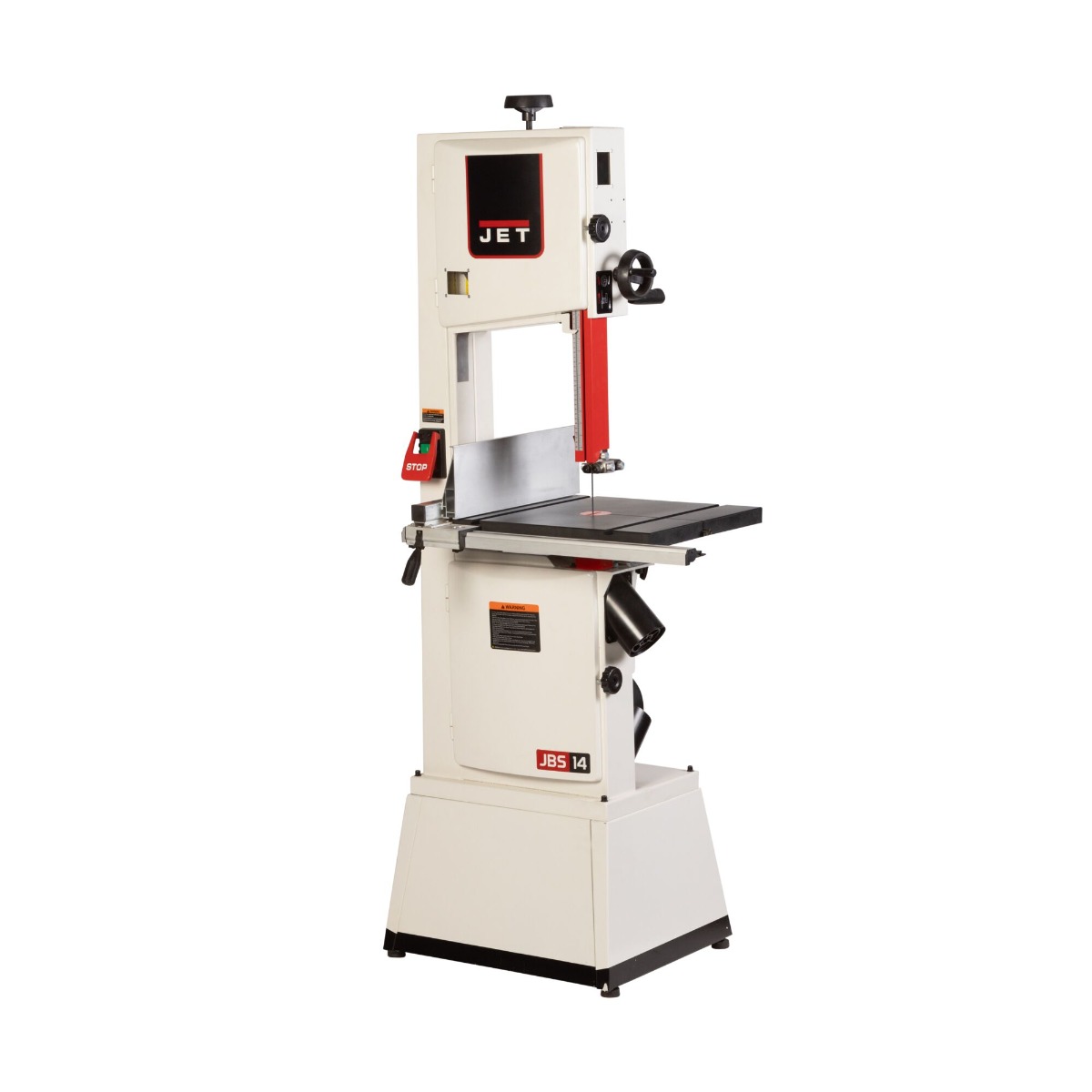
Portable Band Saw
A portable band saw is a handheld power tool that uses a continuous toothed metal band rotating around two wheels to cut through pipe, conduit, structural tubing, and metal strut systems. Designed for portability and in-place cutting, these tools enable precise cuts on installed or hard-to-move materials without stationary equipment. The tool class is essential for electrical, plumbing, HVAC, and structural trades where materials must be cut to length on site.
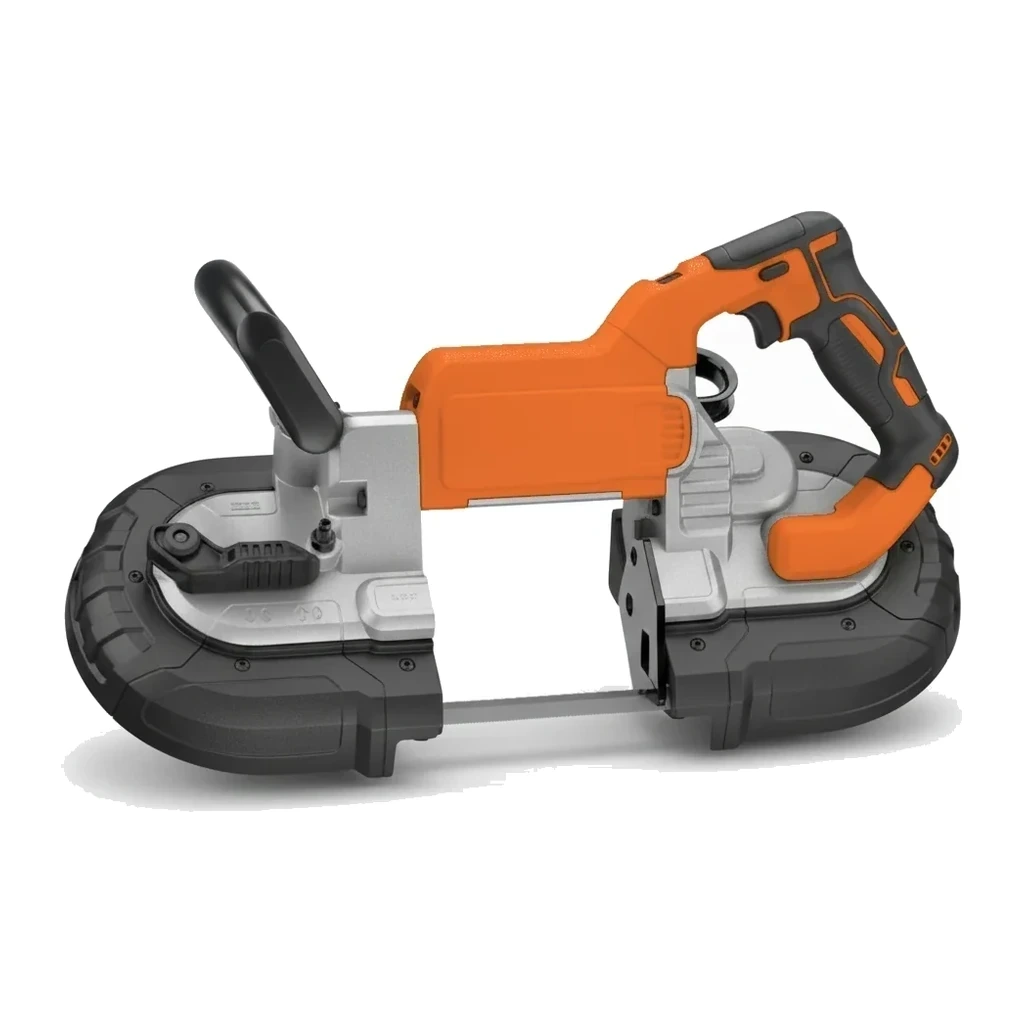
Cómo funciona
The portable band saw operates by driving a continuous loop blade around two or more wheels via an electric motor, creating a continuous cutting action. The operator grips the tool by its integrated handles and guides the blade through the workpiece, with the blade's teeth removing material in a controlled motion. Most models feature a D-handle or pistol-grip design with a trigger switch, allowing one-handed operation while the material is steadied. The blade travels in one direction around the wheel system, with cutting occurring on the downstroke against the workpiece. Variable speed triggers or multi-speed settings allow adjustment of cutting speed based on material type and thickness. The narrow kerf of the band blade produces minimal material waste and requires less cutting force than alternative methods, while the compact form factor enables access to tight spaces and overhead work.
Tipos y variantes
- Corded Portable Band Saw
- Electric models powered by AC current, offering consistent power output for continuous heavy-duty cutting without battery limitations
- Cordless Portable Band Saw
- Battery-powered units providing maximum mobility and operation in areas without electrical access, common in 18V and 20V platforms
- Deep Cut Band Saw
- Models with extended throat depth to accommodate larger diameter pipe and structural materials
- Compact Band Saw
- Lighter-weight designs optimized for electrical conduit and smaller pipe work, prioritizing maneuverability over maximum capacity
- Swivel Head Band Saw
- Units with adjustable cutting head angles for making miter cuts and angled cuts without repositioning the workpiece
Especificaciones clave
| Especificación | Rango típico | Qué significa |
|---|---|---|
| Throat Capacity | Effectively standardized across models | Maximum material diameter the saw can accommodate; standardized to handle common pipe, conduit, and strut sizes |
| Blade Length | Model-specific | Circumference of the continuous band blade loop, determined by wheel spacing and throat capacity |
| Motor Power | Varies by power source | Amperage for corded models or voltage/amp-hour rating for battery platforms, determining cutting speed and capacity |
| Blade Speed | Variable or multi-speed | Surface feet per minute the blade travels, adjustable to match material hardness and type |
| Weight | Model-dependent | Tool weight affecting operator fatigue during extended use and overhead cutting applications |
Cómo la industria lo dimensiona
The portable band saw class is not sized into distinct bands within the rental industry. These tools serve a singular function, cutting pipe, conduit, channel strut, and similar materials in place, and throat capacity remains effectively fixed across the fleet to handle the most common worksite materials. Differentiation occurs primarily through power source (corded versus cordless), brand platform compatibility, and minor variations in throat depth for specialty applications, but these do not constitute formal size classifications.
Aplicaciones
- Cutting steel, copper, and PVC pipe to length during plumbing and process piping installations
- Sizing electrical conduit, EMT, and rigid conduit runs in commercial and industrial settings
- Trimming strut channel, Unistrut, and support framing systems for HVAC and electrical support
- Cutting structural tubing, angle iron, and small metal stock during steel fabrication and erection
- Removing or modifying existing pipe and conduit systems during renovation and demolition work
- Field cutting rebar, threaded rod, and metal fasteners where portability is required
Seguridad y operación
- The workpiece should be properly secured or supported before cutting to prevent movement and blade binding
- Appropriate personal protective equipment includes safety glasses, hearing protection, and cut-resistant gloves to protect from metal chips and sharp edges
- Blade guards should remain in place during operation, with blades inspected for damage, proper tension, and correct tooth configuration before use
- The tool should be allowed to reach full speed before contacting the workpiece and never forced through material beyond its designed capacity
- Battery packs should be removed or corded tools unplugged during blade changes to prevent accidental activation
Normas y certificaciones
- OSHA · 29 CFR 1910.243
- Establishes safety requirements for hand and portable powered tools including guarding and safe work practices
- ANSI · B11.17
- Provides safety requirements for band saws and band sawing machines including portable models
Preguntas frecuentes
Why is the portable band saw class not divided into size categories?
What distinguishes portable band saws from other metal cutting methods?
What blade characteristics are matched to different materials?
How is cutting accuracy maintained with portable band saws?
Equipos relacionados
Explorar por fabricante
Fuentes
Cada especificación se verifica con los datos publicados por el fabricante, con la fuente enlazada como referencia.
Todos los modelos
28 modelos · Cada especificación citada a la fuente