
Towable Light Tower
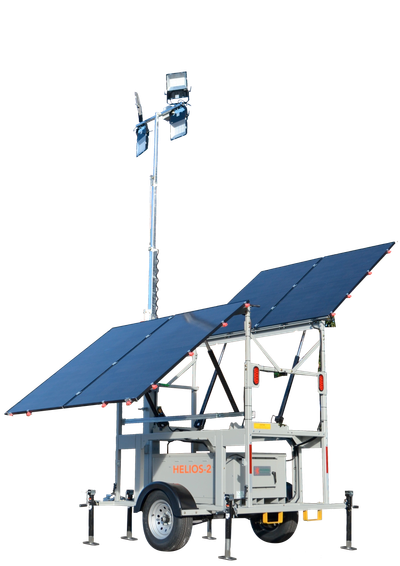
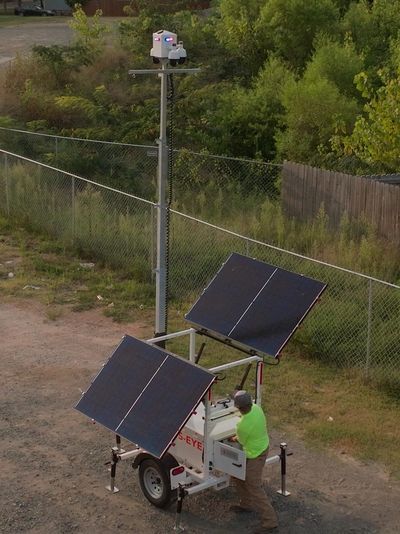
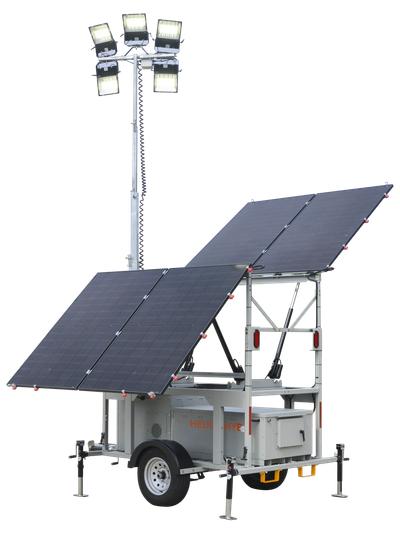
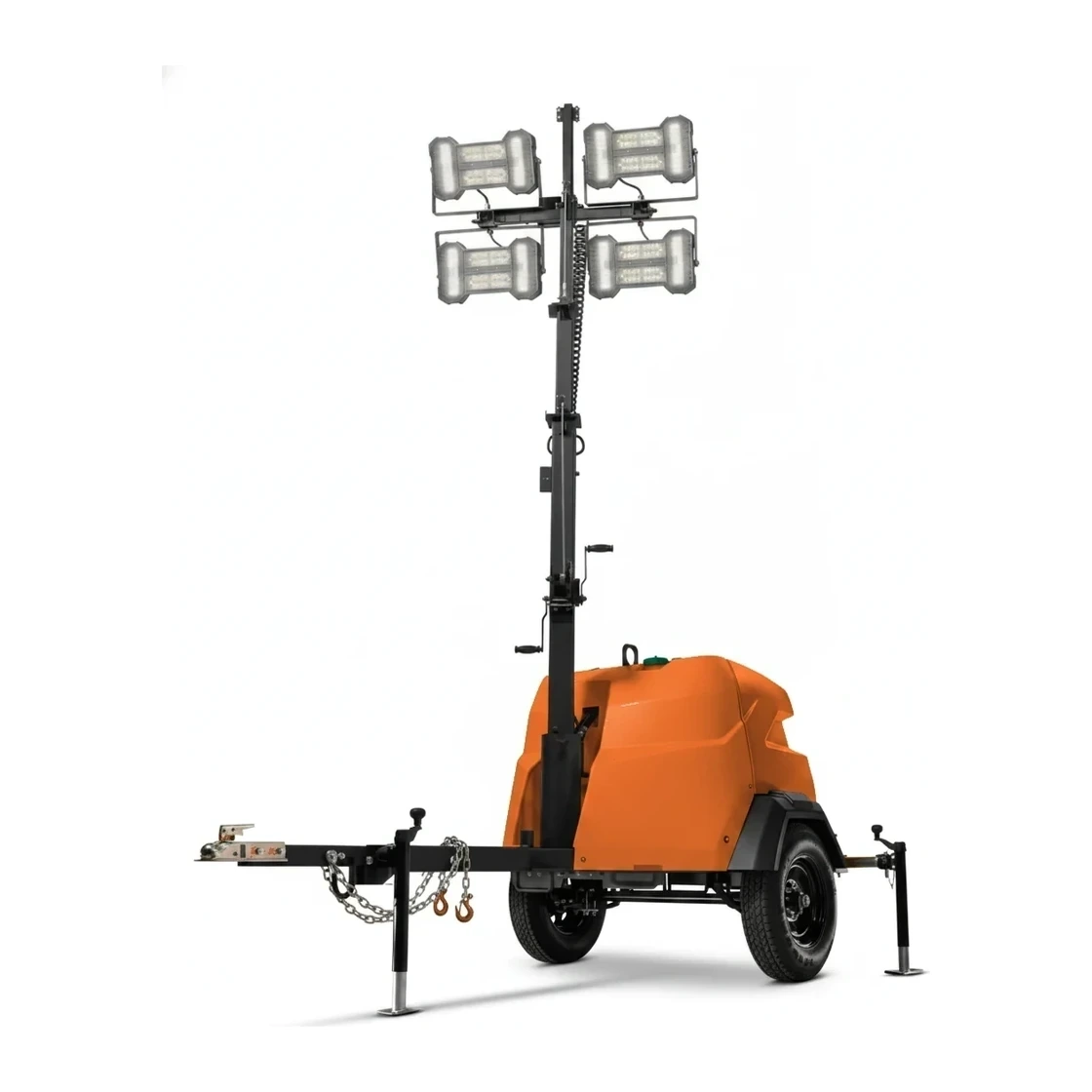
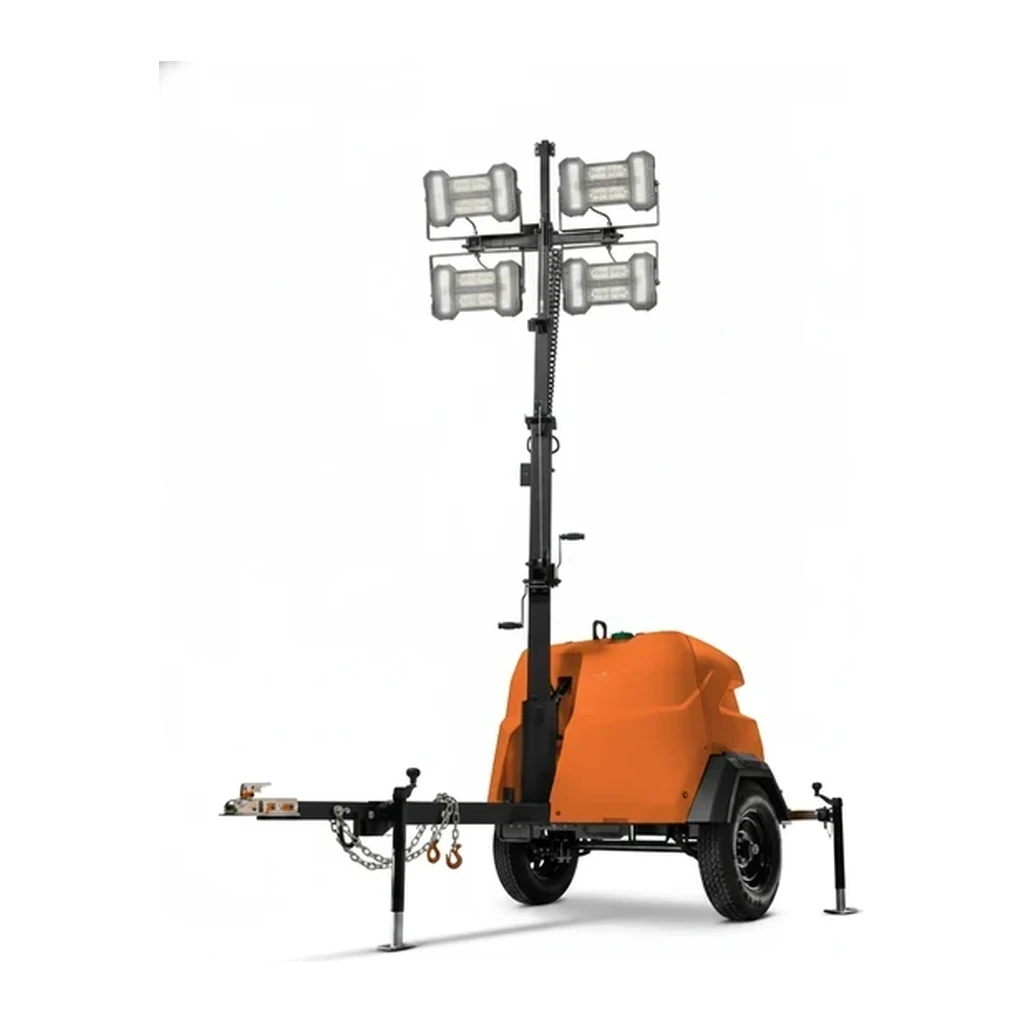
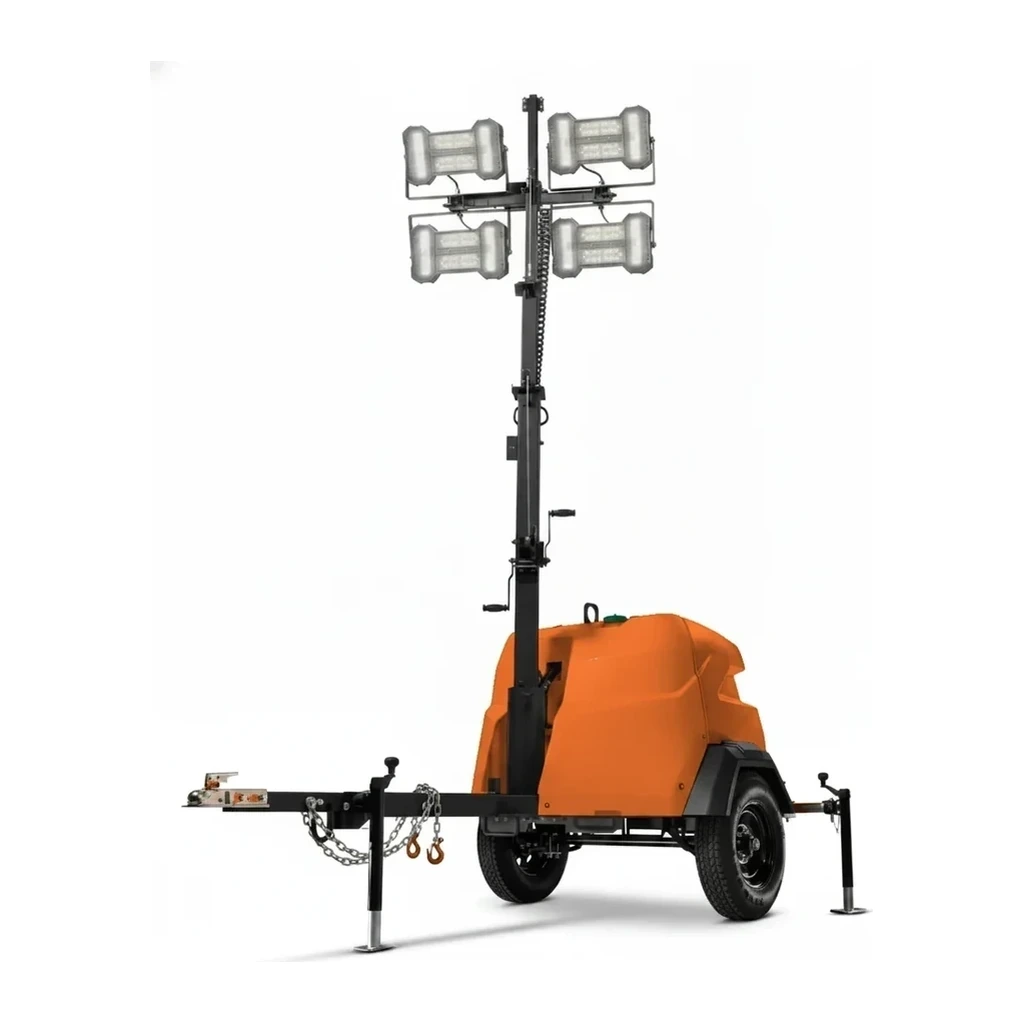
A towable light tower is a mobile lighting unit mounted on a road-towable trailer, designed to provide temporary high-intensity illumination over large work areas. The equipment features a telescoping or articulating vertical mast that positions multiple lamps above ground level, powered by an integrated generator or battery system. Towable light towers enable 24-hour operations in construction, roadwork, mining, emergency response, and special events.
Cat classes
Elija una clase de tamaño — la capacidad y el alcance varían en la gama.
Cómo funciona
The operator tows the unit to the work site using a standard ball hitch, then stabilizes it using outriggers or stabilizer jacks. The mast—either manual-crank, electric-winch, or hydraulic—extends vertically from 4.9 to 26.8 ft, positioning the lamp array above obstructions and maximizing coverage area. Lamps typically use metal halide, LED, or other high-intensity discharge technology to produce 104,000 to 660,000 lumens. An onboard generator (1.5 to 29.4 kVA) or battery bank powers the lamps and mast controls. Most units provide 32 to 300 hours of continuous runtime depending on fuel capacity (6.8 to 175.0 gal) and lamp configuration. Some models rotate 360° manually or electrically to direct light precisely where needed, while wind ratings of 72 to 105 mph ensure stability in adverse weather.
Tipos y variantes
- Diesel Light Tower
- Traditional design with diesel generator (3.0 to 115.8 hp) and metal halide or LED lamps, offering long runtime and high output for extended projects.
- LED Light Tower
- Energy-efficient design using LED lamp arrays, reducing fuel consumption (0.3 to 1.8 gal/hr) and extending runtime while lowering operating costs.
- Solar/Hybrid Light Tower
- Solar panels with battery storage or hybrid diesel-battery systems for zero- or low-emission operation in noise-sensitive and environmentally restricted zones.
- Compact/Vertical Mast Tower
- Smaller footprint units with vertical-only mast deployment for confined spaces, indoor use, or operations under low overhead clearances.
- High-Mast Light Tower
- Extended-height models reaching beyond 35 ft to illuminate large open areas such as interchanges, parking lots, or mining operations from a single setup.
Especificaciones clave
| Especificación | Rango típico | Qué significa |
|---|---|---|
| Mast Height | 4.9–26.8 ft (1.5–8.2 m) | Maximum vertical extension of the lamp array; determines coverage area and clearance over obstacles. |
| Total Lumens | 104,000–660,000 lumens | Combined light output of all lamps; higher values illuminate larger areas or higher ambient light requirements. |
| Power Output | 1.5–29.4 kVA | Generator capacity powering lamps and auxiliary systems; matches lamp load and any additional site electrical needs. |
| Fuel Capacity | 6.8–175.0 gal | Onboard fuel tank size; directly affects continuous runtime between refueling. |
| Runtime | 32–300 hrs | Continuous operation duration at full lamp output before refueling; varies by fuel capacity and lamp efficiency. |
| Operating Weight | 551–12,787 lb (250–5,800 kg) | Total weight including fuel, generator, mast, and trailer; affects towing vehicle requirements and site mobility. |
Cómo la industria lo dimensiona
The industry sizes towable light towers primarily by mast height, measured in feet of vertical extension. Compact and electric towers under 20 ft suit indoor and low-clearance environments such as garages, tunnels, and warehouses. Standard 20–35 ft towers dominate roadwork, site construction, and yard lighting, with 30 ft models representing the most common configuration. High-mast towers exceeding 35 ft illuminate large open areas—parking lots, interchanges, mining sites—from a single setup, reducing the number of units and repositioning labor required.
Aplicaciones
- Nighttime roadwork, paving, and highway construction requiring continuous illumination of travel lanes and work zones
- Commercial and residential building construction enabling multi-shift operations and winter short-day productivity
- Mining and aggregate operations lighting haul roads, crusher areas, and load-out zones during 24-hour production cycles
- Emergency response and disaster recovery providing temporary lighting for search-and-rescue, utility repair, and relief efforts
- Special events, filming, and security operations requiring temporary high-intensity lighting in outdoor venues
- Pipeline, utility, and infrastructure projects in remote or unlit areas without permanent electrical service
Seguridad y operación
- Stabilize the unit fully using outriggers or jacks on firm, level ground before raising the mast to prevent tipping during extension or wind events
- Maintain clearances from overhead power lines during transport, setup, and mast deployment per OSHA minimum distance requirements
- Lower the mast and secure lamps before towing to prevent structural damage, lamp breakage, and top-heavy instability during transport
- Monitor fuel levels and refuel only when the generator is shut down and cooled to avoid fire hazards from fuel spills on hot surfaces
- Verify wind conditions against the manufacturer's wind rating (72–105 mph) and lower the mast if forecasted winds exceed rated limits
Normas y certificaciones
- OSHA · 29 CFR 1926.56
- Requires adequate illumination in construction areas and mandates clearances from energized overhead lines during equipment operation.
- SAE · J705
- Establishes nomenclature and classifications for construction and industrial equipment, including towable lighting systems.
- EPA · Tier 4
- Emissions standards for non-road diesel engines; many light tower generators comply with Tier 3 or Tier 4 interim/final levels.
- ANSI · ANSI/ASSE A10.31
- Addresses safety requirements for boom-supported elevating work platforms, with provisions applicable to telescoping mast stability and operation.
Preguntas frecuentes
How is mast height measured and what area does it typically illuminate?
What towing vehicle is required for a standard light tower?
How does LED technology compare to metal halide in light towers?
What runtime can be expected from a light tower on a full fuel tank?
Comparar modelos populares
Buscar por especificación →Normalizado a las mismas unidades. Un guion significa que el valor no fue publicado.
| Modelo | Potencia de salida | Capacidad de combustible |
|---|---|---|
| Allmand Maxi-Lite | 17.5 kVA | 100.0 gal |
| Allmand Night-Lite V-Series | 9.4 kVA | 45.0 gal |
| Allmand Night-Lite Pro II V-Series | 9.4 kVA | 30.0 gal |
| Allmand Night-Lite Pro II LD-Series | 9.4 kVA | 30.0 gal |
| Generac CUBE | 4.0 kVA | - |
| Generac MLT4060MV | 6.0 kVA | - |
Equipos relacionados
Explorar por fabricante
Fuentes
Cada especificación se verifica con los datos publicados por el fabricante, con la fuente enlazada como referencia.
Todos los modelos
144 modelos · Página 2 de 3 · Cada especificación citada a la fuente