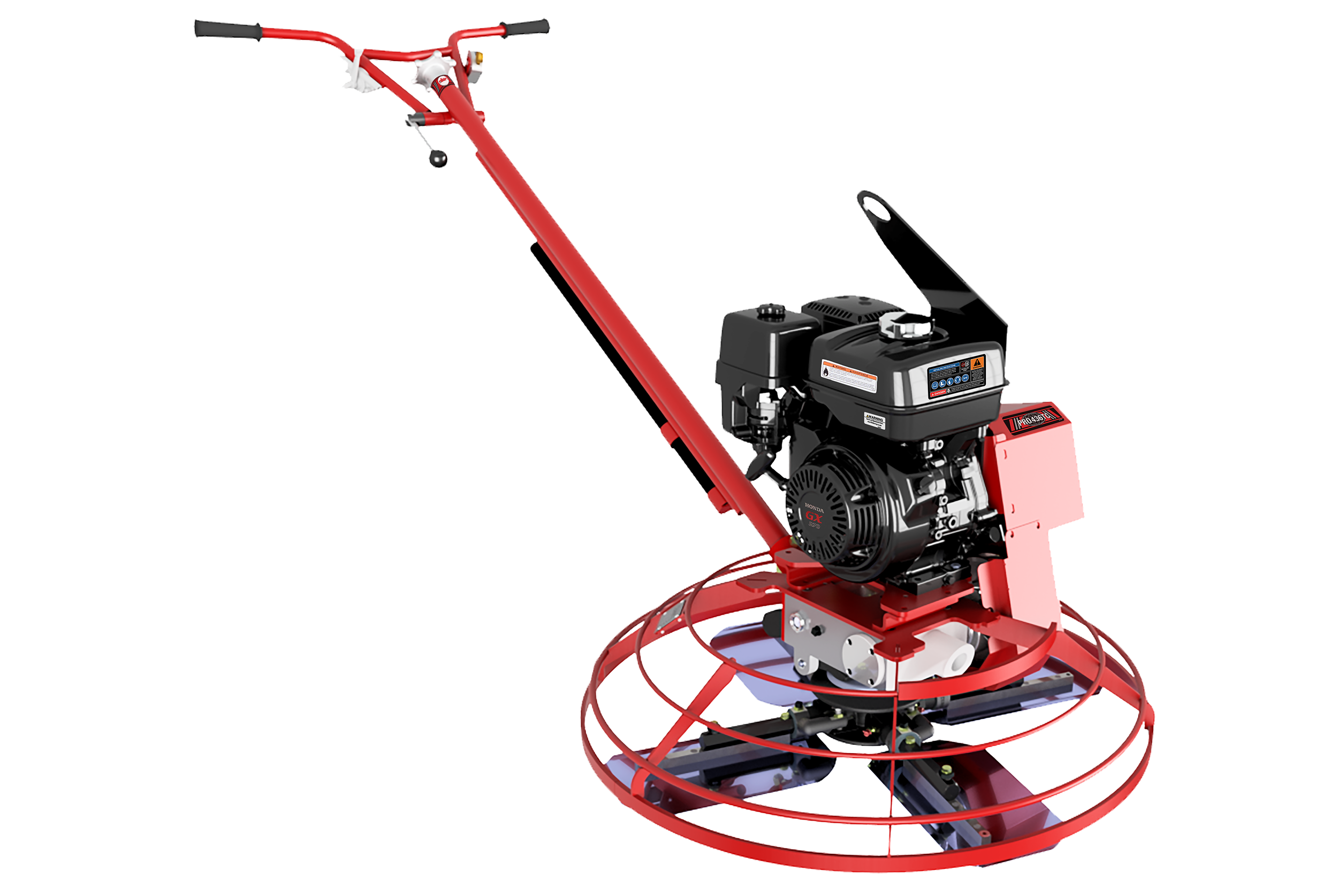

Walk-Behind Power Trowel
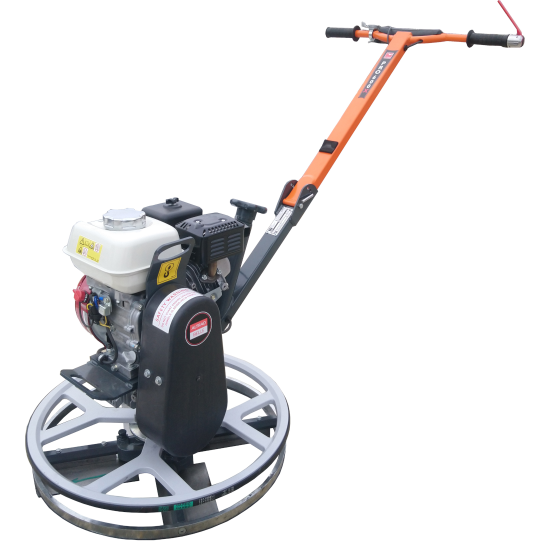
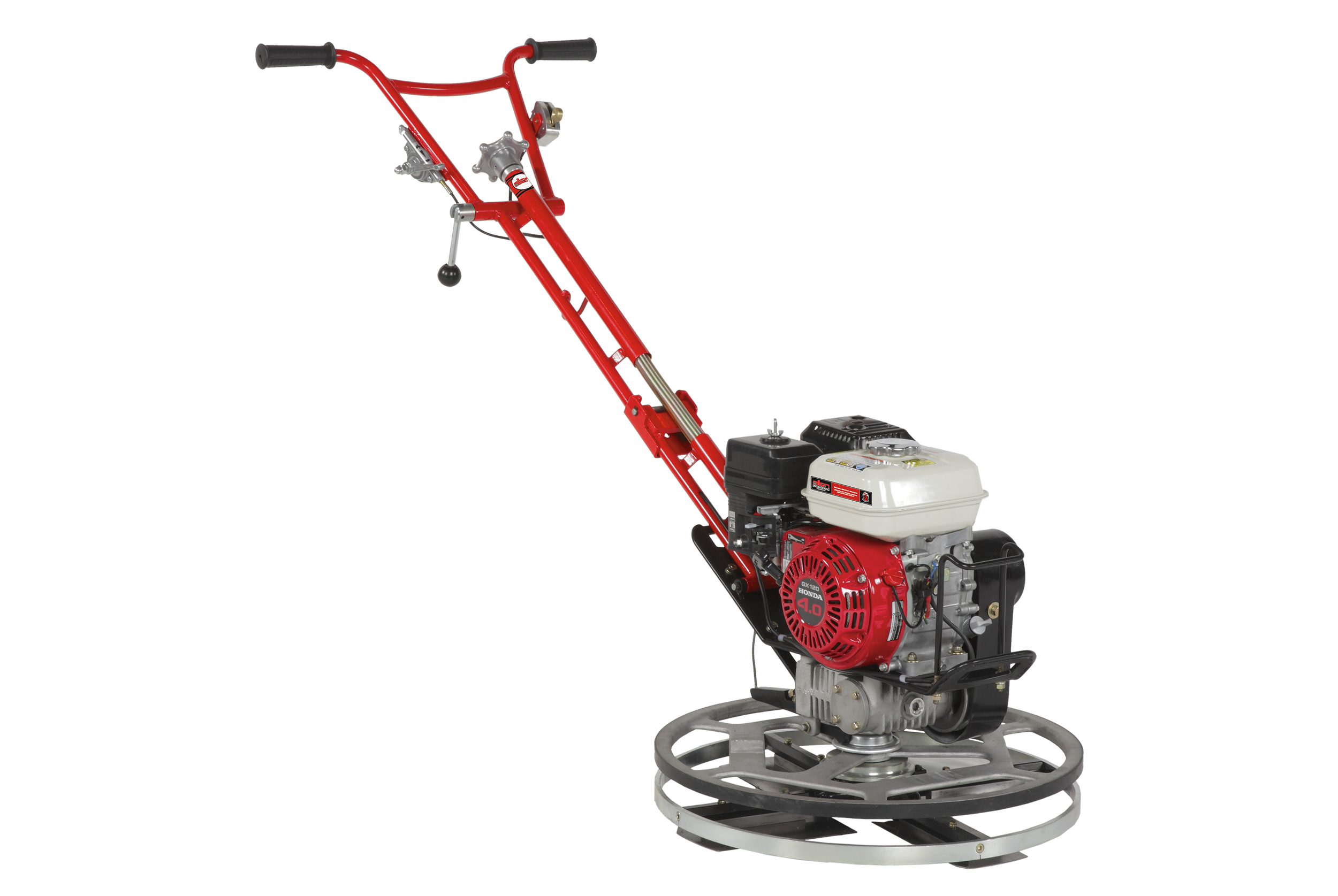
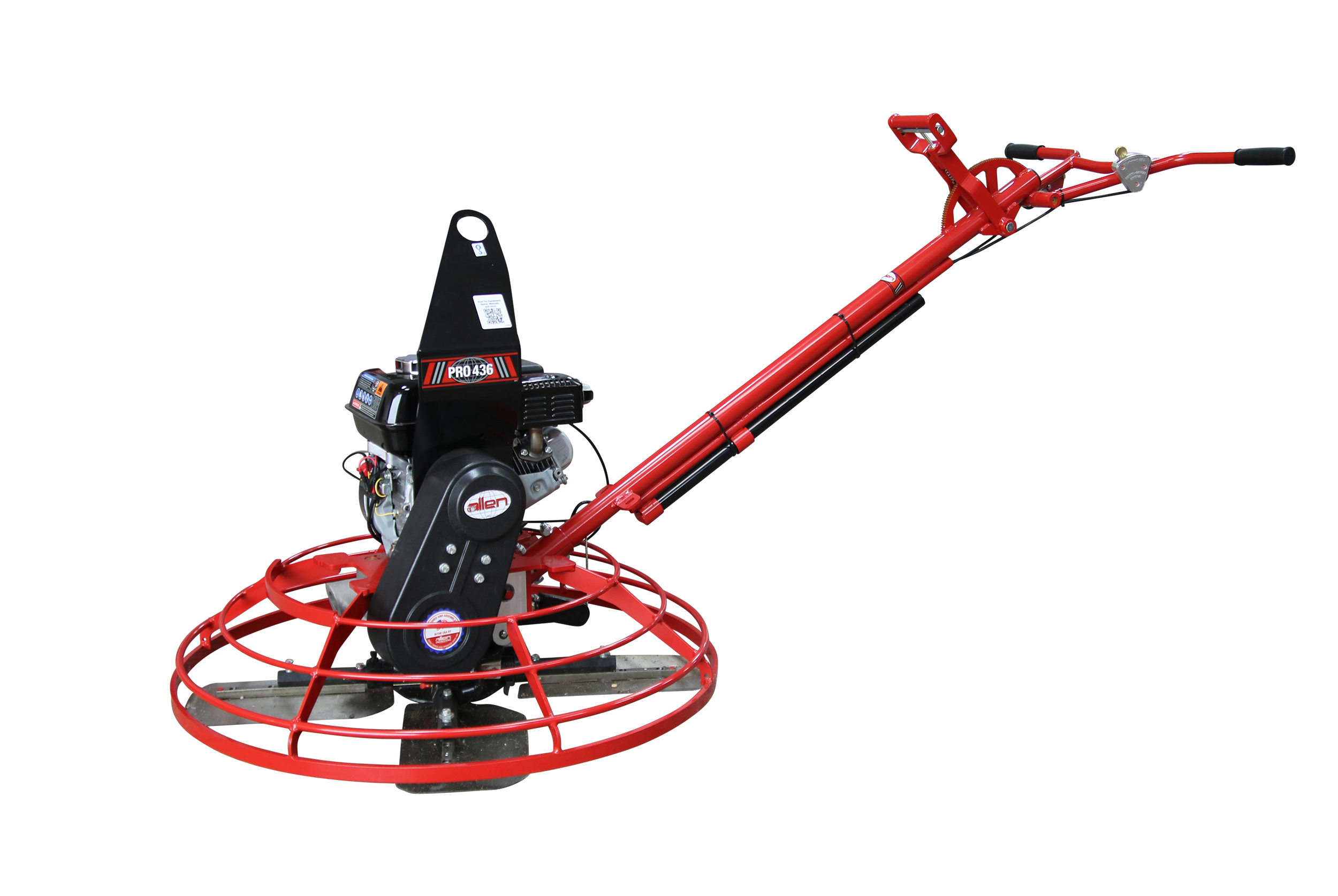
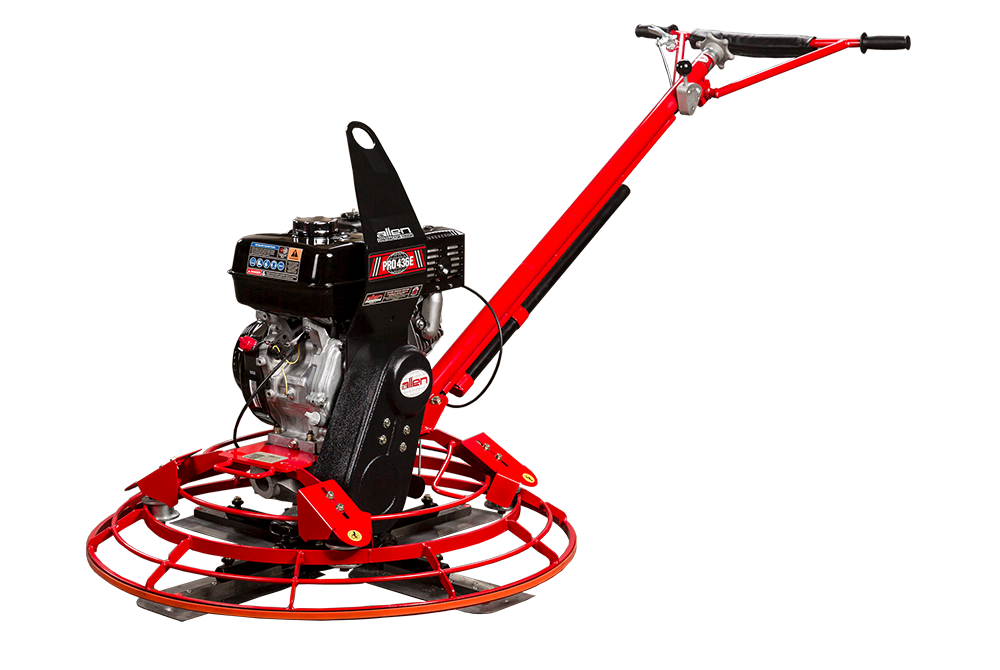
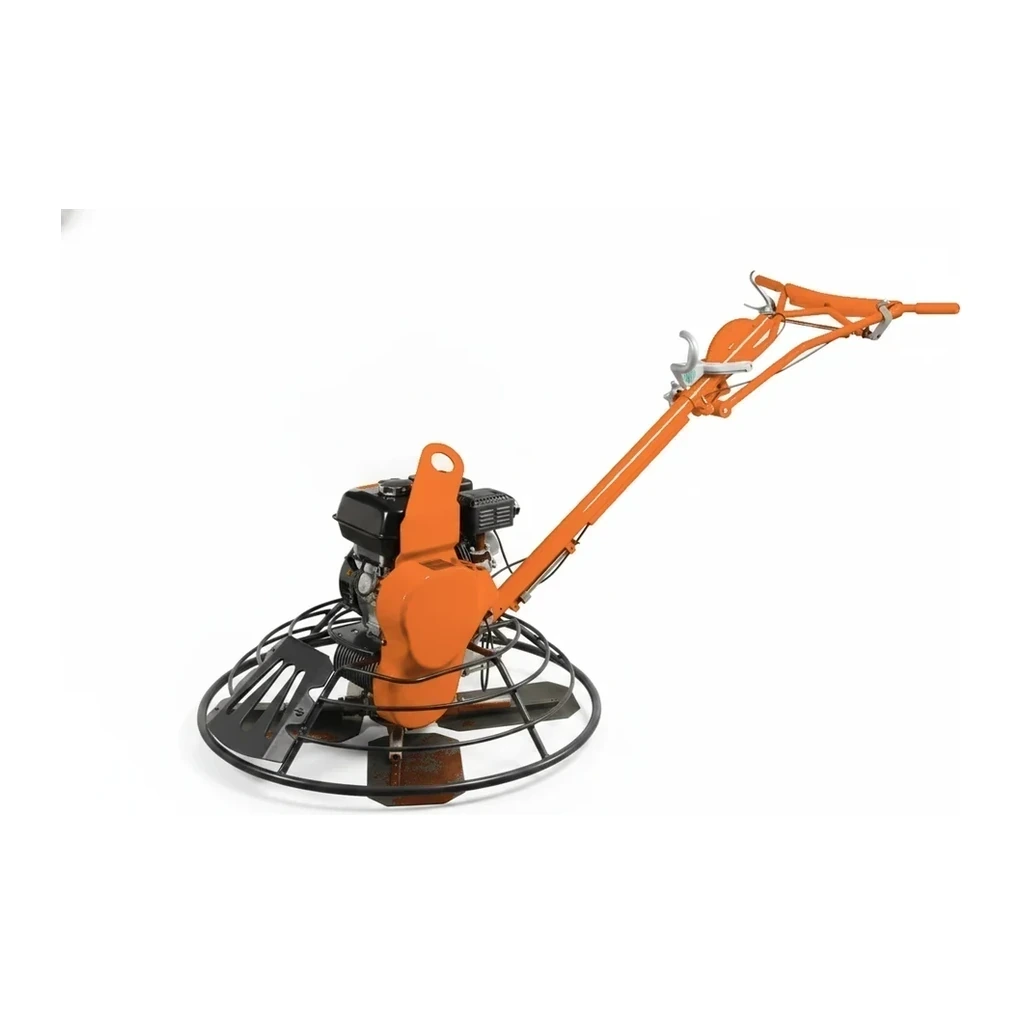
A walk-behind power trowel is a concrete finishing machine with rotating blades or pans that smooth and densify freshly poured concrete slabs. Guided from behind by an operator, the machine spins horizontally across the surface to produce a flat, hard finish. Commonly called a "helicopter" or "whirlybird" in the field, it is essential for preparing interior floors and exterior flatwork.
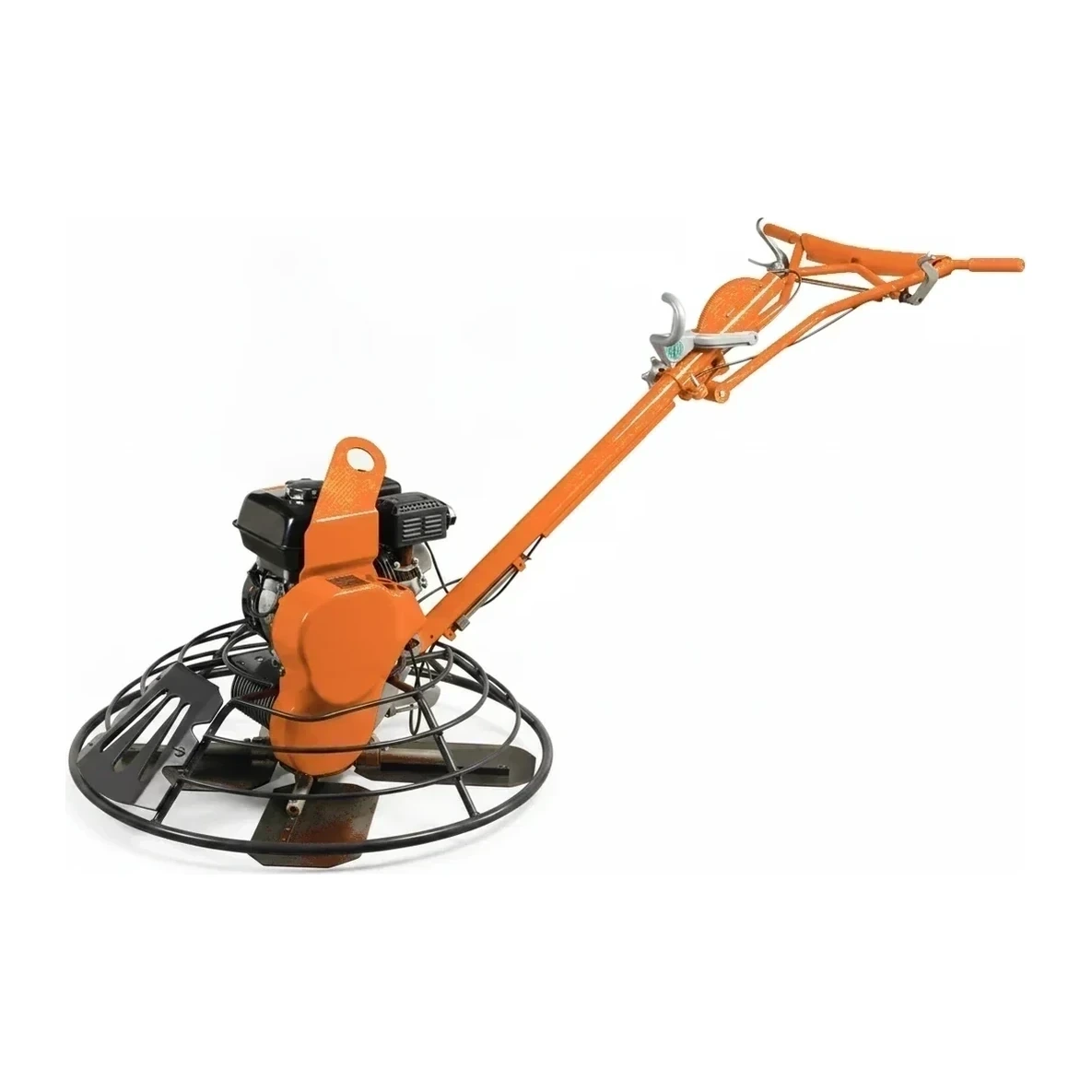
Cat classes
Choisissez une classe de taille — la capacité et la portée varient selon la gamme.
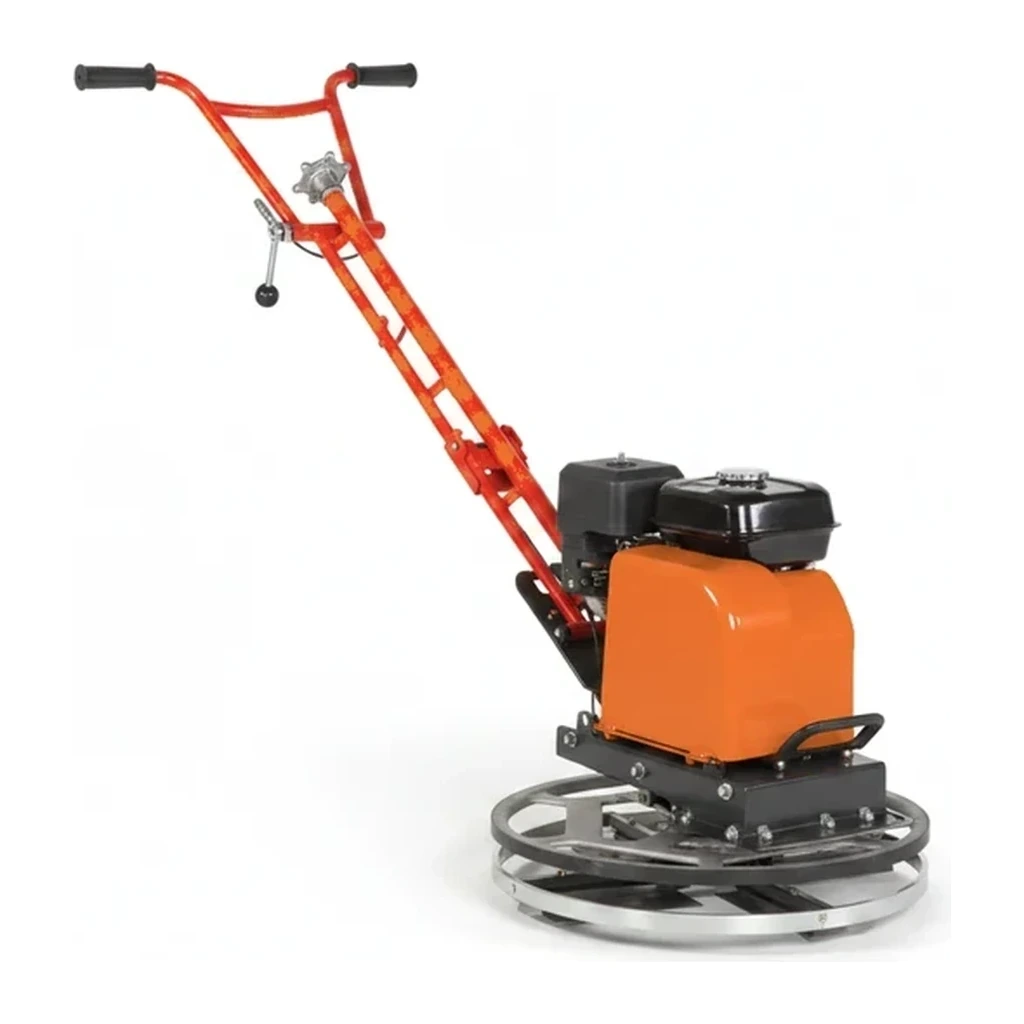
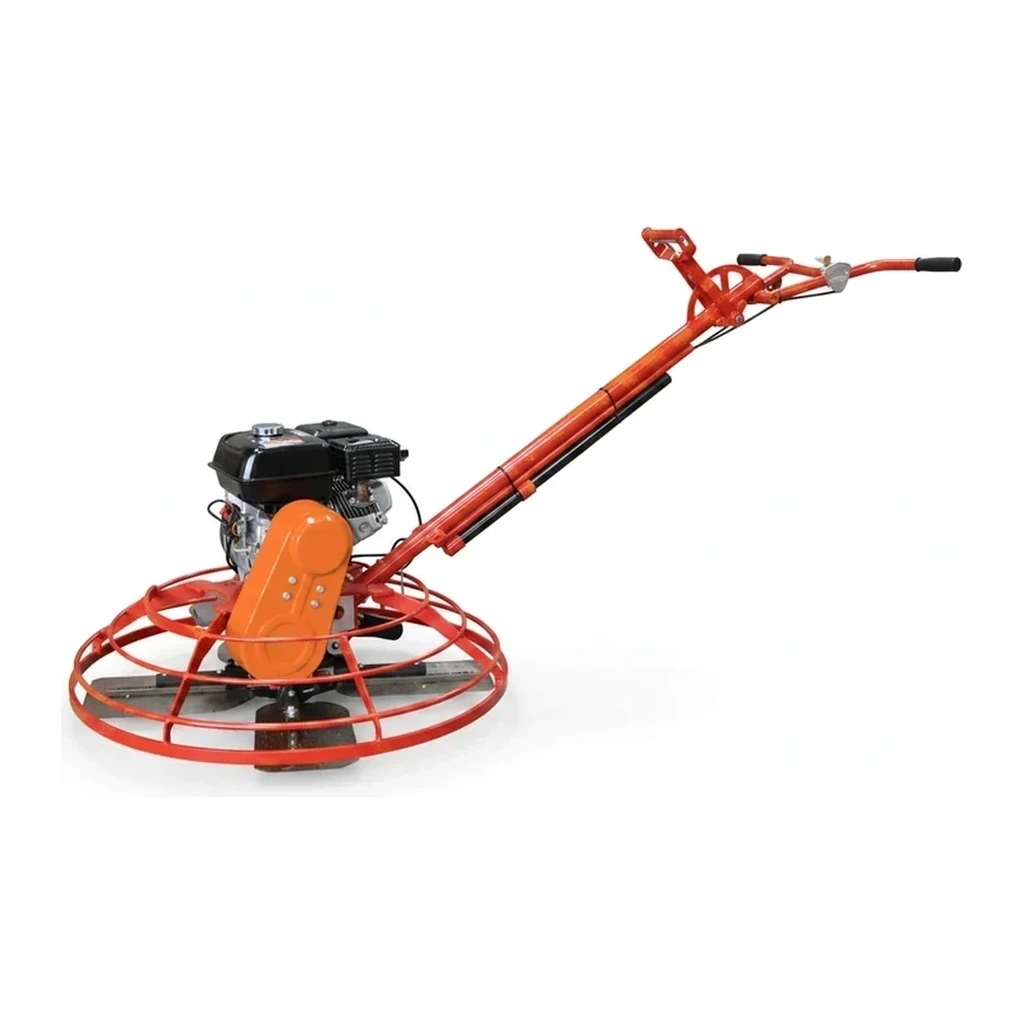
Fonctionnement
The machine's engine drives a central gearbox that rotates a spider assembly supporting three to five blades or float pans. As the rotor spins, the operator walks behind the machine and uses a control handle to steer, adjust blade pitch, and modulate engine speed. Initial passes use rounded float pans at low pitch to level the surface, followed by flat finishing blades at increasing pitch to burnish and harden the concrete. Blade pitch adjustments change the angle of attack, allowing fine control over surface texture and compaction. The operator shifts weight and handle position to guide the trowel, while throttle and pitch controls determine aggressiveness. Multi-stage finishing progresses from floating to intermediate troweling to final burnishing as the concrete gains strength.
Types et variantes
- Edging Trowel
- Compact models under 30 in designed to finish edges, corners, columns, and confined spaces that full-size machines cannot reach.
- Standard Walk-Behind
- 30–40 in trowels representing the most common size class, balancing maneuverability with production coverage for residential and light commercial slabs.
- Wide-Path Walk-Behind
- 40 in and larger machines offering maximum coverage per pass for commercial floors where productivity determines whether crews finish before the concrete sets.
- Combination Pan and Blade
- Units sold with interchangeable float pans and finish blades, allowing the same machine to perform both floating and final troweling stages.
- Electric-Powered
- Battery or corded electric models eliminating exhaust emissions for enclosed spaces and providing quieter operation than gasoline engines.
Spécifications clés
| Spécification | Plage typique | Signification |
|---|---|---|
| Rotor Diameter | 14–46 in (typical range) | The blade circle diameter; determines coverage width and suitability for space constraints or large open areas. |
| Engine Power | 0.5–200 hp | Indicates torque available to drive blades through setting concrete; higher power supports larger rotors and aggressive finishing. |
| Operating Weight | 21–265 lb (9.5–120 kg) | Machine mass that contributes to blade pressure and surface compaction; heavier units exert greater finishing force. |
| Blade Pressure | 62–141 psf | Downward force per square foot applied by blades during finishing; affects surface densification and burnish quality. |
| Panning Pressure | 29–49 psf | Lighter pressure used during initial floating passes to level without overworking the concrete surface. |
Comment l'industrie le dimensionne
The rental industry sizes walk-behind power trowels by rotor diameter in inches, measured across the full blade circle. Models under 30 inches serve small rotors for edges, corners, and rooms too tight for a full-size trowel. The 30–40 inch range covers the everyday walk-behind for garages, basements, and residential slabs. Machines 40 inches and wider represent the widest walk-behind class, deployed on commercial slabs where coverage per pass decides whether crews beat the set. Selection depends on slab size, access constraints, and the time window available before the concrete becomes too hard to finish.
Applications
- Residential basement and garage floor finishing
- Commercial warehouse and retail slab burnishing
- Industrial facility interior floor preparation
- Sidewalk, plaza, and exterior flatwork smoothing
- Edge and perimeter finishing around columns and walls
- Polished concrete surface preparation
Sécurité et opération
- Maintain firm footing and balance while walking backward; wet concrete and finishing compound create slippery conditions.
- Keep bystanders outside the blade radius during operation; contact with spinning blades or pans causes severe injury.
- Ensure adequate ventilation when operating gasoline-powered models indoors to prevent carbon monoxide accumulation.
- Use hearing protection; engine and gearbox noise levels typically exceed safe exposure thresholds during extended operation.
- Shut down the machine and allow blades to stop completely before adjusting pitch or changing pans and blades.
Normes et certifications
- OSHA · 29 CFR 1926 Subpart Q
- Applies concrete and masonry construction safety standards to power trowel operations on construction sites.
- ACI · 302.1R
- American Concrete Institute guide for concrete floor finishing practices, including power trowel techniques and timing.
Questions fréquentes
What is the difference between floating and finishing passes?
How is a walk-behind trowel different from a ride-on trowel?
Why are walk-behind trowels sometimes called helicopters?
What determines when to begin power troweling after concrete placement?
Comparer les modèles populaires
Chercher par spécification →Normalisé aux mêmes unités. Un tiret signifie que la valeur n'a pas été publiée.
| Modèle | Puissance moteur | Poids en service |
|---|---|---|
| Multiquip CA4HM | - | - |
| Multiquip J3036H55 | - | 168 lb (76 kg) |
| Multiquip B46H90 | - | 265 lb (120 kg) |
| Multiquip HTO31V | 31 hp | - |
| Multiquip HS81A | 81 cc | 22.0 lb (10 kg) |
| Multiquip B46B90 | - | 265 lb (120 kg) |
Équipements connexes
Parcourir par fabricant
Sources
Chaque spécification est vérifiée par rapport aux données publiées par le fabricant, avec la source liée pour référence.
Tous les modèles
111 modèles · Page 2 sur 3 · Chaque spécification citée à la source