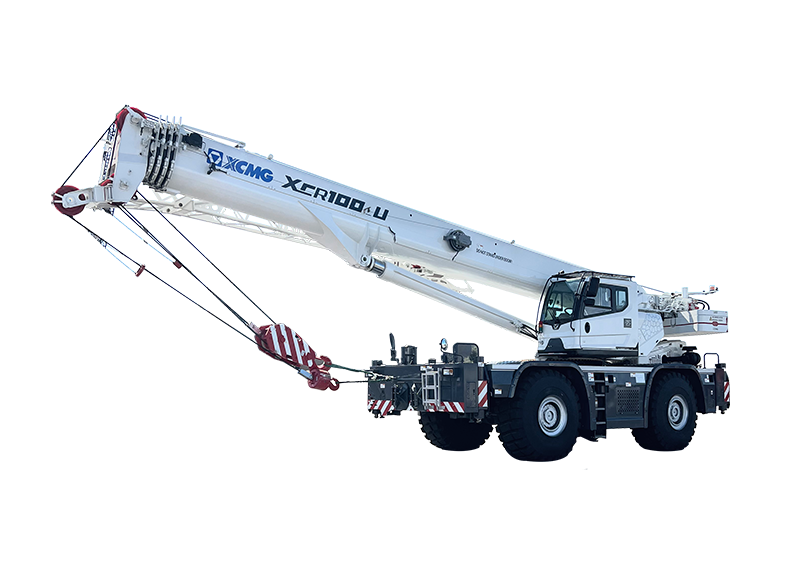

60-100 ton Rough Terrain Crane
60-100 ton rough terrain cranes occupy the upper-middle capacity tier, engineered for extended radius and reach in jobs requiring lifts beyond the envelope of lighter machines. Typical lifting capacities span 55.0-90.7 tons, with maximum reach extending from 34.1 to 63.0 feet depending on boom configuration. This size bridges mid-capacity site work and heavy commercial or industrial projects where clearance, load charts, and structural components demand greater capability than 35-60 ton models provide.
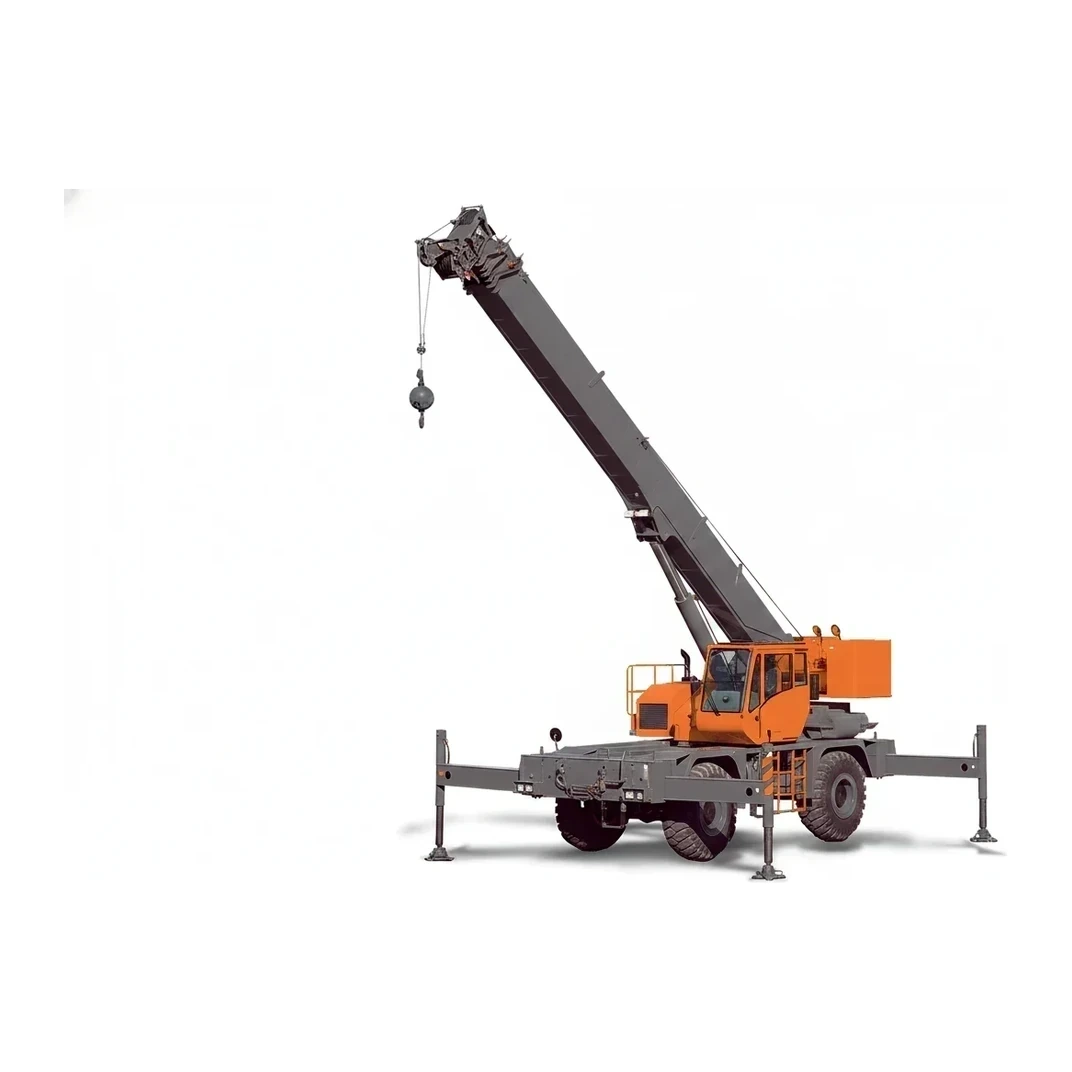
Cat classes
Choisissez une classe de taille : la capacité et la portée varient selon la gamme.
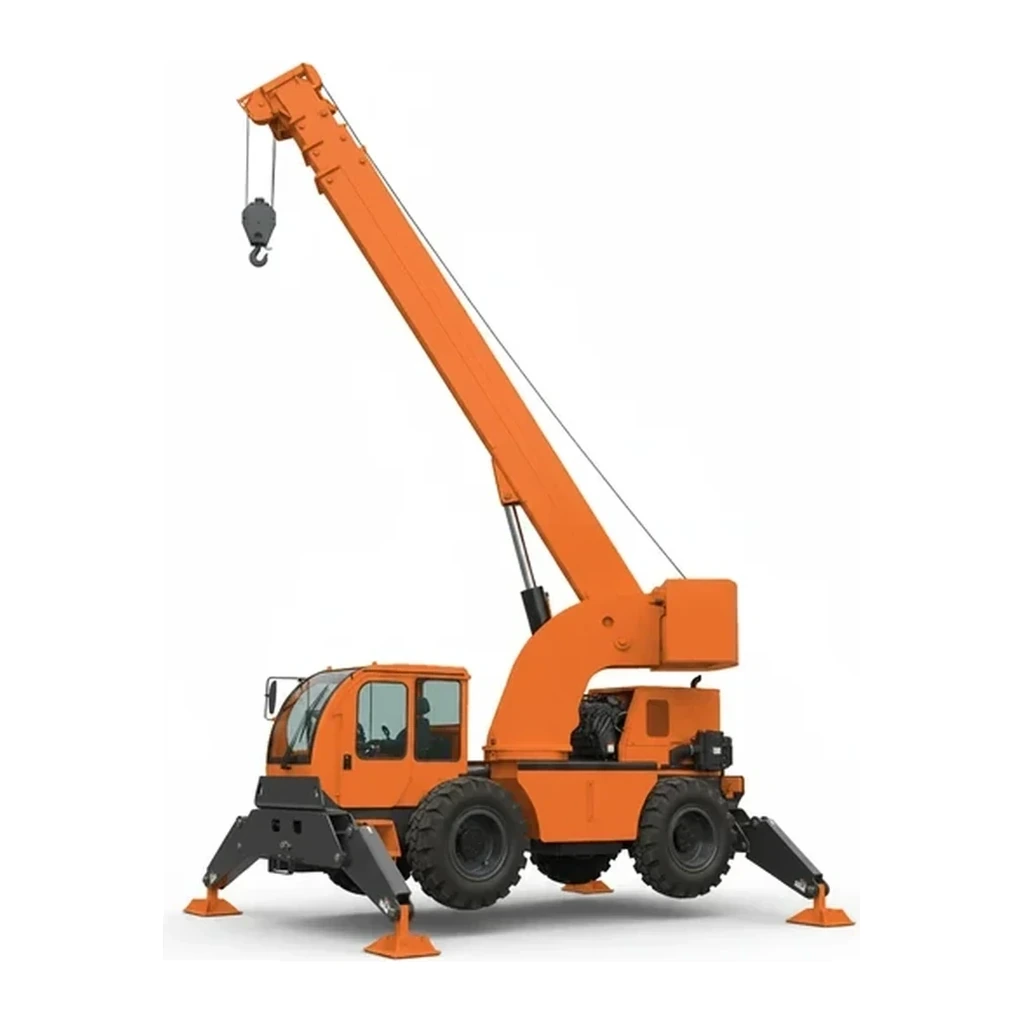
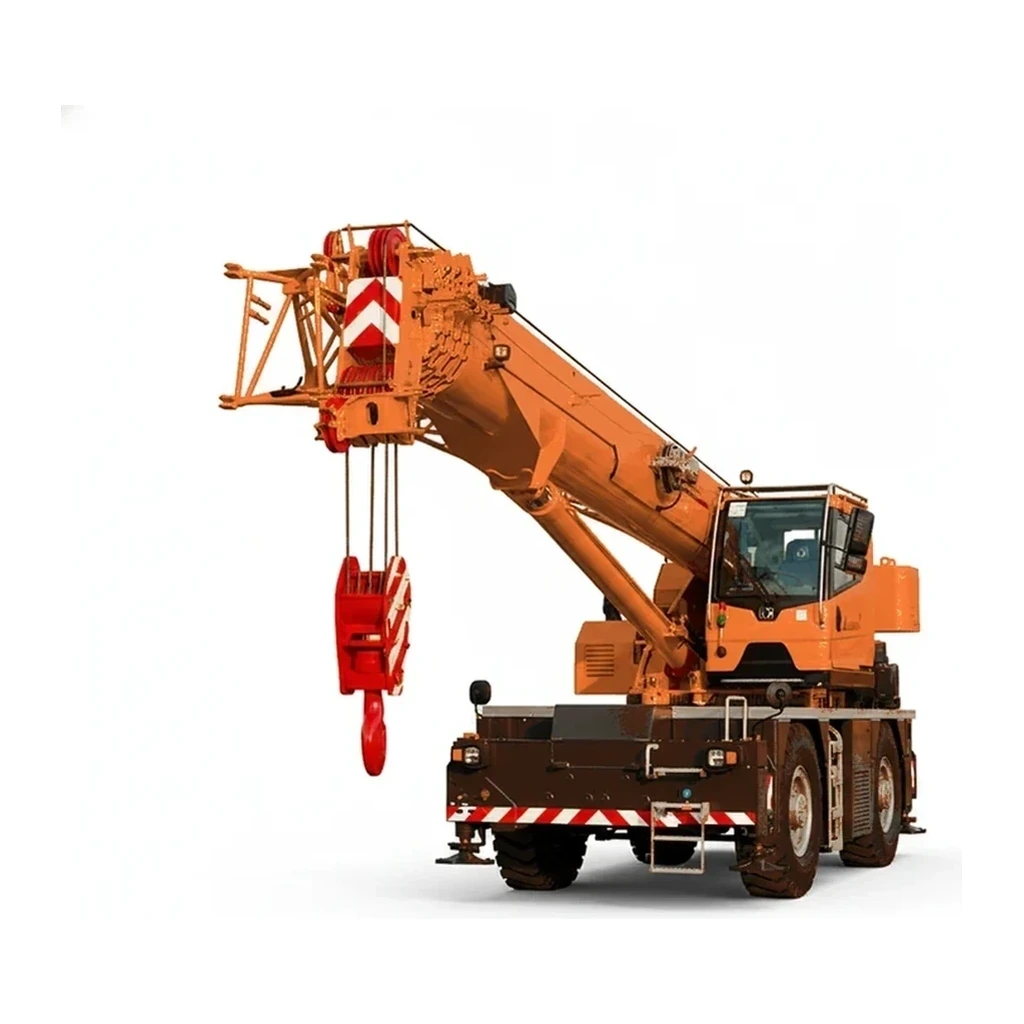
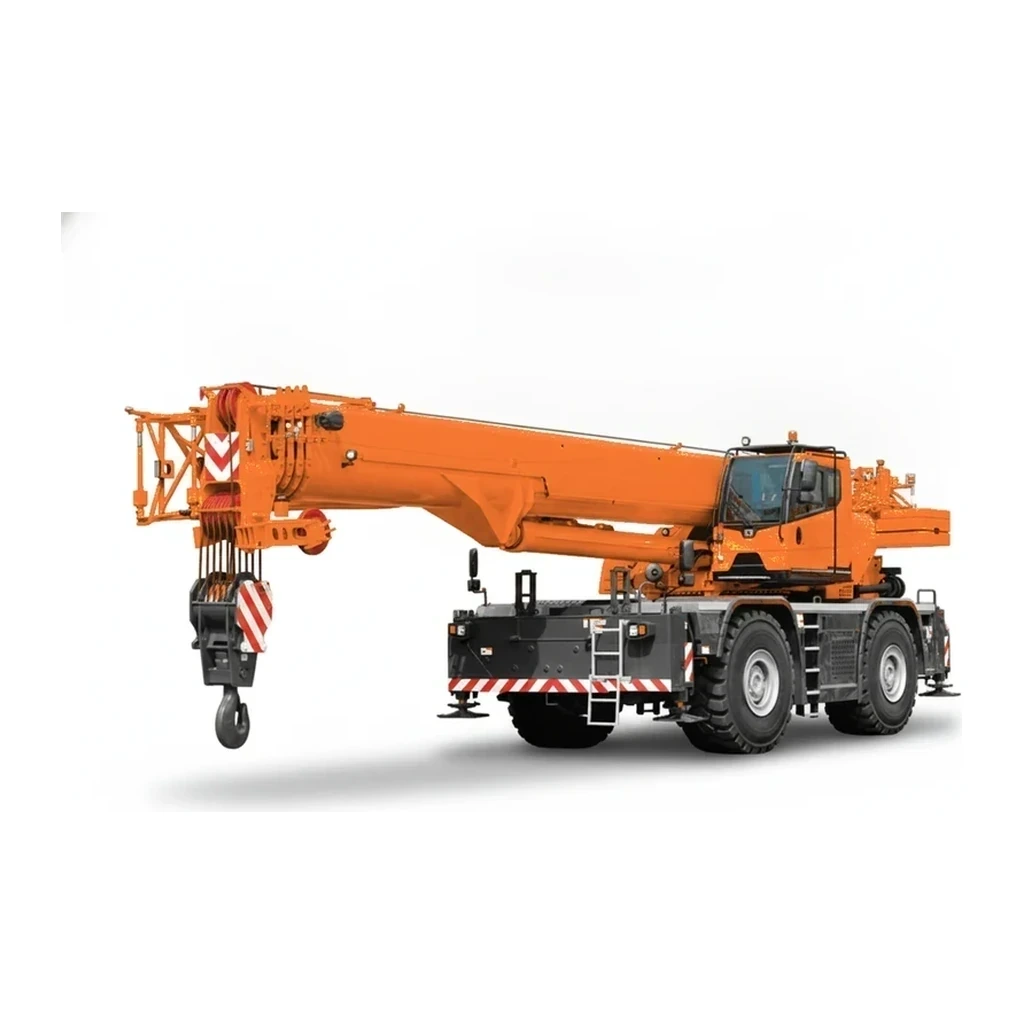
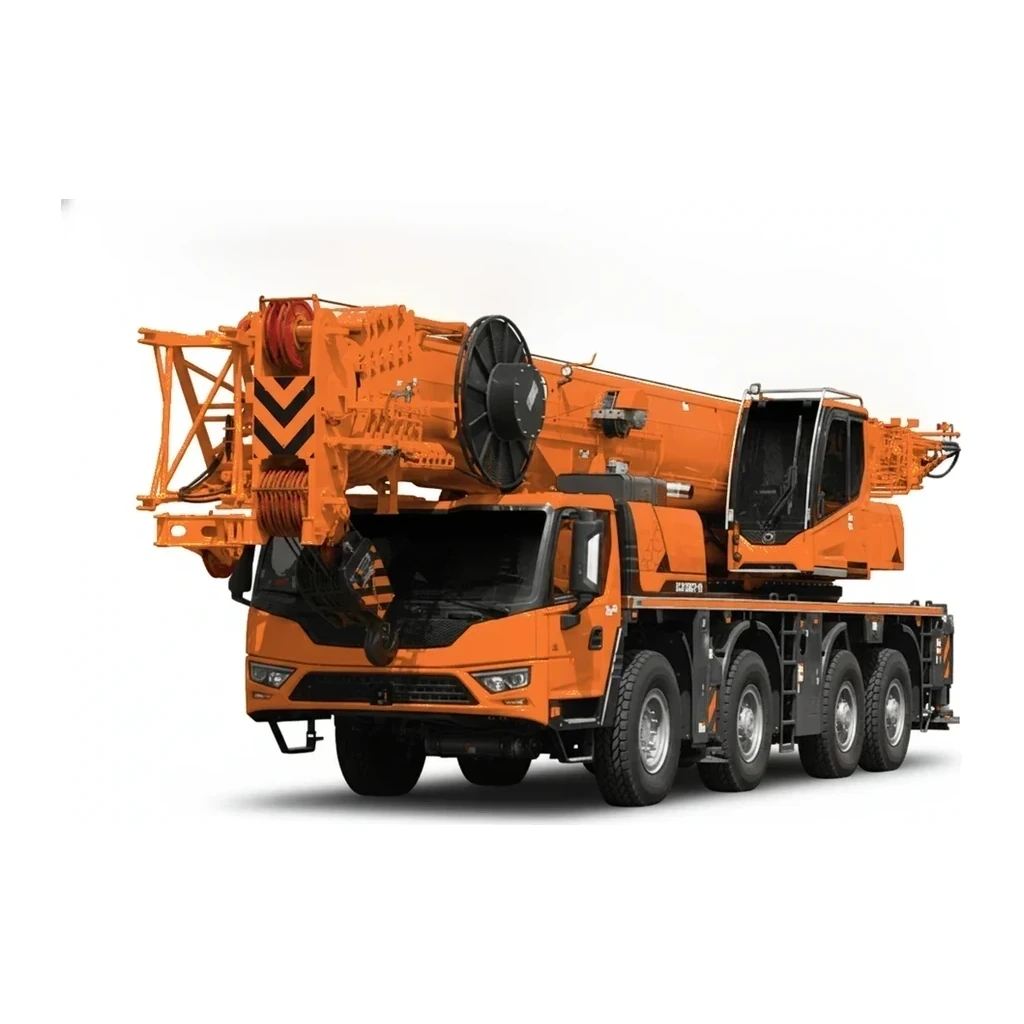
Spécifications clés
| Spécification | Plage typique | Signification |
|---|---|---|
| Lifting capacity | 55-91 tons | Rated capacity at minimum radius, sufficient for heavy precast, mechanical equipment, and structural steel packages. |
| Maximum reach | 34–63 ft (10.4–19.2 m) | Boom extension range; longer configurations trade capacity for horizontal distance and vertical clearance. |
| Boom configuration | Hydraulic telescoping, multi-stage | Multiple sections extend and retract under hydraulic power, permitting rapid adjustment to lift geometry. |
| Outrigger spread | Full or intermediate positions | Stabilizer configuration dictates load chart; narrower spreads reduce capacity, wider spreads maximize chart ratings. |
Comment choisir
This size class suits tilt-up panel erection, installation of packaged HVAC units and rooftop mechanical, placement of process tanks, and structural steel erection where reach and capacity exceed 35-60 ton rough terrain crane envelopes. When lifts remain under 55 tons and reach requirements stay within 40 feet, the 35-60 ton Rough Terrain Crane band offers lower transport weight and tighter maneuverability. Projects demanding capacities approaching or exceeding 90 tons, such as heavy vessels, large precast facades, or lifts requiring auxiliary counterweight, call for the 100+ ton Rough Terrain Crane size class, which supplies greater chart depth and additional rigging headroom.
Ce que cette taille peut gérer
- Tilt-up concrete panel erection for warehouse and distribution centers
- Rooftop HVAC unit placement on three- to five-story commercial buildings
- Water and process tank installation at industrial facilities
- Structural steel erection for mid-rise office and institutional construction
- Heavy mechanical equipment placement in manufacturing and power plants
- Precast facade and architectural panel installation on multi-story buildings
Sécurité et opération
- Load-moment indication and rated capacity limiter systems monitor real-time crane geometry, warning operators before exceeding chart limits.
- Outrigger load monitoring ensures proper ground bearing and alerts to settling or unlevel conditions that compromise stability.
- Lift plans specify load weight, rigging configuration, boom length, radius, and ground conditions; independent lift directors coordinate complex picks.
- Operator certification and periodic inspection per ASME B30.5 and manufacturer service bulletins are industry-standard practice for cranes in this capacity range.
Transport et logistique
- Machines in this class typically require multi-axle lowboy trailers or heavy-duty tilt-bed equipment haulers; gross combination weights often exceed 80,000 pounds.
- Tractor units must meet state and federal bridge formula requirements; overweight and over-dimension permits are common for interstate transport.
- Boom sections may travel separately on some models to remain within axle-load limits; job-site assembly is coordinated before crane operations begin.
Alimentation
- Diesel engines in the 200-400 horsepower range provide hydraulic power for hoisting, slewing, telescoping, and travel functions.
- Fuel consumption depends on duty cycle and travel distance; on-site refueling or bulk diesel delivery is standard for multi-day projects.
- Auxiliary power for cab climate control and electronic load-moment systems draws from the primary engine; no external electrical connection is required.
Questions fréquentes
How does reach affect capacity in this size class?
What ground conditions support machines in this weight class?
When does a 100+ ton crane become necessary instead of this size?
Comparer les modèles populaires
Chercher par spécification →Normalisé aux mêmes unités. Un tiret signifie que la valeur n'a pas été publiée.
| Modèle | Capacité de levage | Portée max |
|---|---|---|
| Grove GRT765 | 143,300 lb (65 t) | - |
| Grove GRT780 | 176,370 lb (80 t) | - |
| Grove GRT8100-1 | 220,462 lb (100 t) | - |
| Grove GRT8100 | 220,462 lb (100 t) | - |
| Grove GRT880 | 176,370 lb (80 t) | - |
| Grove RT765E-2 | 132,277 lb (60 t) | - |
Équipements connexes
Parcourir par fabricant
Sources
Chaque spécification est vérifiée par rapport aux données publiées par le fabricant, avec la source liée pour référence.
60-100 ton Rough Terrain Crane
63 modèles · Page 2 sur 2 · Chaque spécification citée à la source