
Shot Blaster
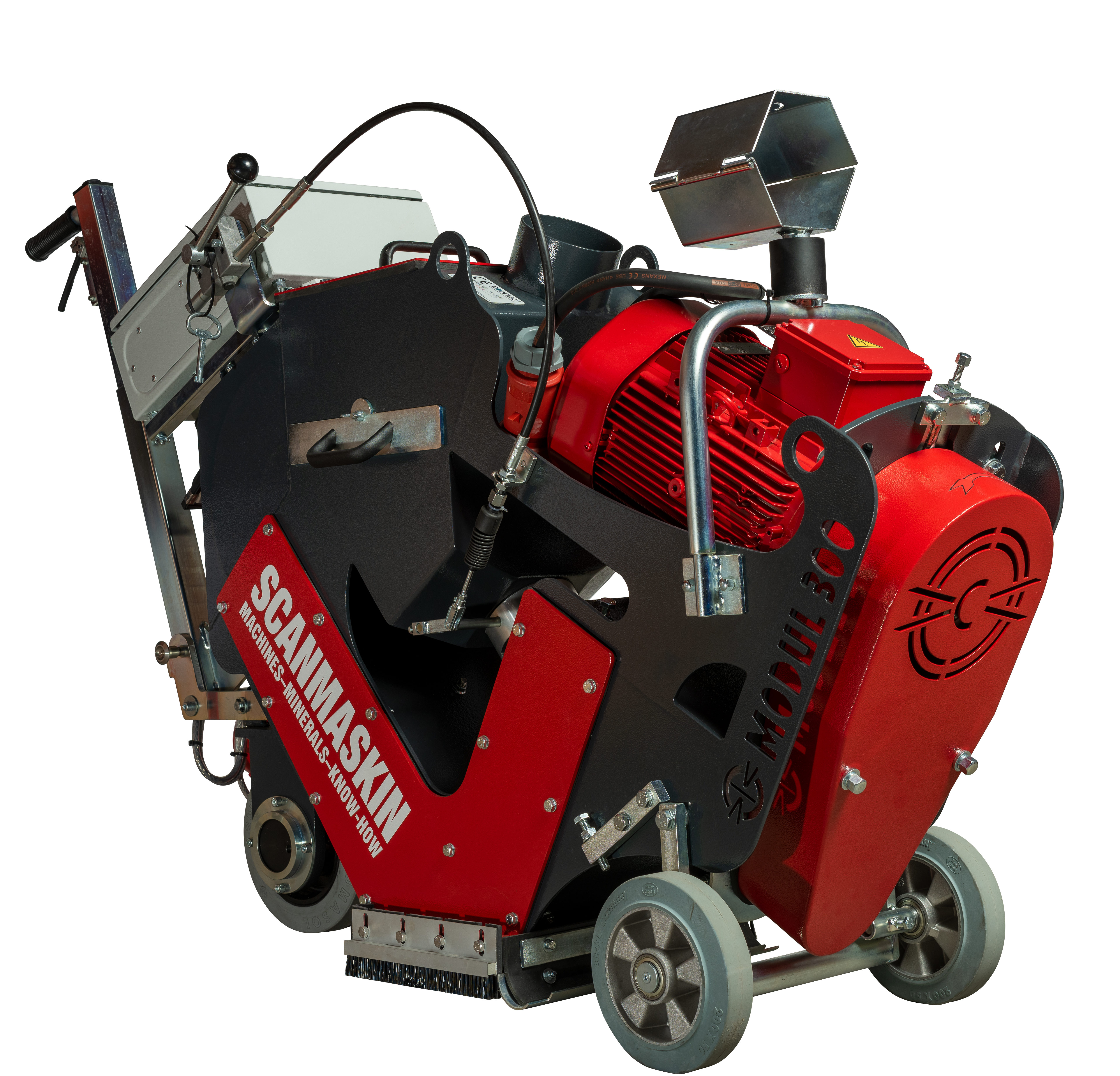
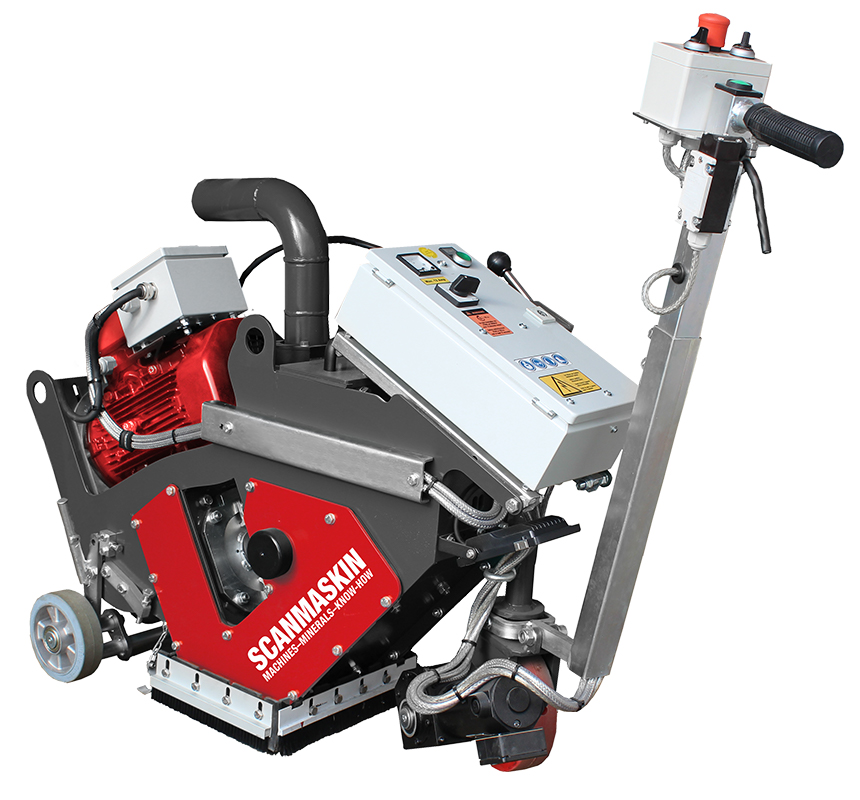
A shot blaster is a mechanical surface preparation machine that propels steel shot at high velocity against concrete, asphalt, or steel surfaces to remove coatings, contaminants, and create a profile suitable for overlay applications. The machine recovers and recycles the steel shot in a self-contained dust collection system, making it a captive blasting process. Shot blasters are the industry standard for profiling floors and bridge decks prior to coating or resurfacing work.
Fonctionnement
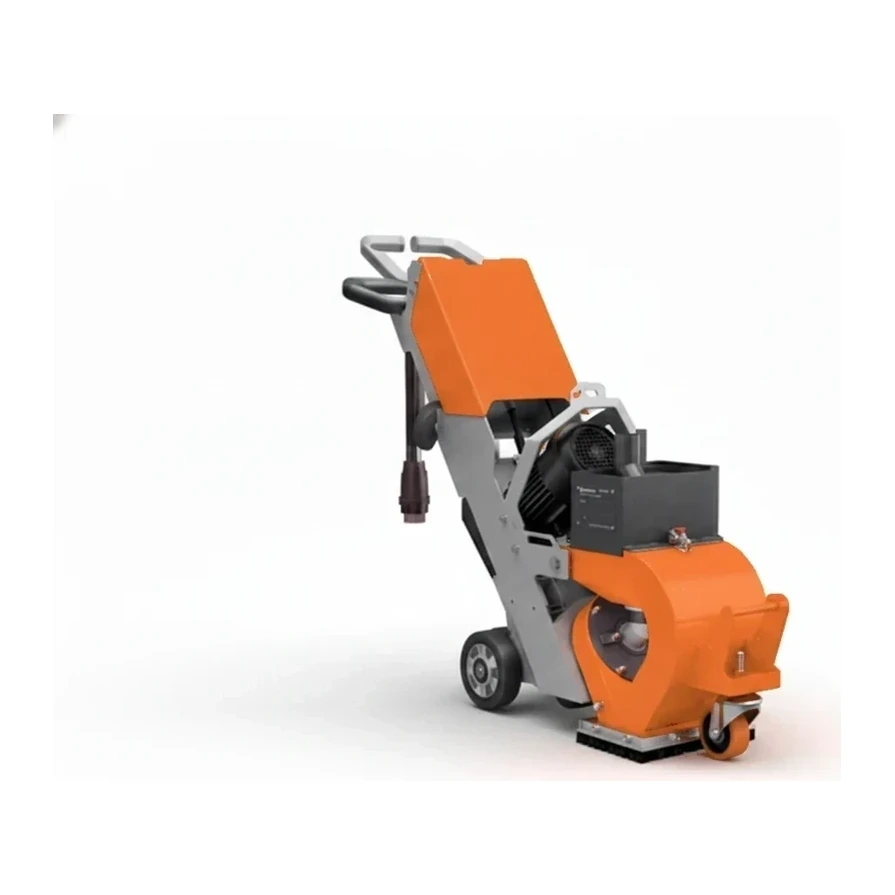
The machine uses a centrifugal blast wheel that spins at high RPM to accelerate steel shot through directional control cages onto the work surface. Upon impact, the shot fractures and removes surface material, then falls through a rebound chamber where an airwash separator divides reusable shot from debris and dust. The cleaned shot returns to a hopper for recirculation while debris is captured in a dust collector. Operators guide walk-behind models at a steady pace or drive ride-on units across the surface, with the blast pattern width determining productivity. Variable speed controls on the blast wheel and machine travel allow operators to adjust the intensity and profile depth based on surface hardness and coating requirements.
Types et variantes
- Walk-Behind Shot Blaster
- Self-propelled or push models with blast widths typically 8-20 inches, designed for general floor preparation and areas with moderate access constraints.
- Ride-On Shot Blaster
- Operator-driven machines with blast widths exceeding 20 inches, used for high-production work on bridge decks, airport runways, and warehouse floors.
- Handheld Shot Blaster
- Compact units under 10 inches wide for stairs, corners, edges, and confined spaces where larger equipment cannot operate.
- Electric Shot Blaster
- Powered by electric motors for indoor applications requiring zero emissions and reduced noise levels.
- Propane/Diesel Shot Blaster
- Internal combustion engine models for outdoor work and locations without reliable electrical infrastructure.
Spécifications clés
| Spécification | Plage typique | Signification |
|---|---|---|
| Blast Width | 8–28 in (20.3–71.1 cm) | The effective cleaning path width, primary determinant of production rate and application suitability. |
| Blast Wheel Power | 5-30 HP | Horsepower driving the centrifugal wheel; higher power increases shot velocity and profiling depth capability. |
| Shot Capacity | 100–400 lb (45.4–181 kg) | Volume of steel shot the hopper holds; larger capacity reduces refill frequency on extended jobs. |
| Dust Collector CFM | 800-2,500 CFM | Airflow capacity of the vacuum system, critical for maintaining visibility and OSHA compliance. |
| Machine Weight | 400–3,500 lb (181–1,588 kg) | Operating weight affects transportability and suitability for elevated or weight-restricted surfaces. |
Comment l'industrie le dimensionne
The industry sizes shot blasters by blast width measured in inches, which directly correlates to productivity and application. Units under 10 inches serve narrow paths, walkways, stairs, and perimeter strips along walls. The 10-20 inch range represents the everyday walk-behind blaster used for profiling floors and decks prior to coatings. Equipment 20 inches and wider includes ride-on and wide-path models designed for large-scale bridge deck preparation and warehouse floor resurfacing where high production rates justify the equipment investment.
Applications
- Concrete floor profiling before epoxy, urethane, or overlay installations
- Bridge deck surface preparation for waterproofing membrane application
- Removal of traffic markings, paint, and coatings from roadways and parking structures
- Cleaning and texturing steel surfaces for protective coating adhesion
- Scarifying and leveling uneven concrete surfaces prior to polishing or grinding
- Exposing aggregate in decorative concrete applications
Sécurité et opération
- Machines generate significant dust; operation requires functioning dust collection systems and respiratory protection in accordance with OSHA silica standards
- Steel shot propelled at high velocity can cause ricochets; operators and bystanders require eye protection and appropriate PPE
- Equipment weight and self-propulsion mechanisms pose tip-over and runaway hazards on slopes and near edges
- Noise levels typically exceed 85 dBA; hearing protection is required for operators and nearby personnel
- Electrical models require GFCI protection; inspection of power cords and grounding is necessary before operation
Normes et certifications
- OSHA · 29 CFR 1926.1153
- Respirable crystalline silica standard governing dust control and exposure limits during concrete surface preparation
- ICRI · 310.2R
- International Concrete Repair Institute guideline for selecting and specifying concrete surface preparation methods
- SSPC · SP 14/NACE No. 8
- Joint standard for industrial blast cleaning for steel and other hard materials using centrifugal blast cleaning equipment
- ANSI · B7.1
- Safety requirements for portable abrasive blast cleaning equipment, applicable to captive shot blasting operations
Questions fréquentes
What is the difference between shot blasting and scarifying?
How is blast width related to production rate?
What determines the appropriate shot size and hardness?
Can shot blasters be used on asphalt surfaces?
Équipements connexes
Parcourir par fabricant
Sources
Chaque spécification est vérifiée par rapport aux données publiées par le fabricant, avec la source liée pour référence.
Tous les modèles
30 modèles · Chaque spécification citée à la source