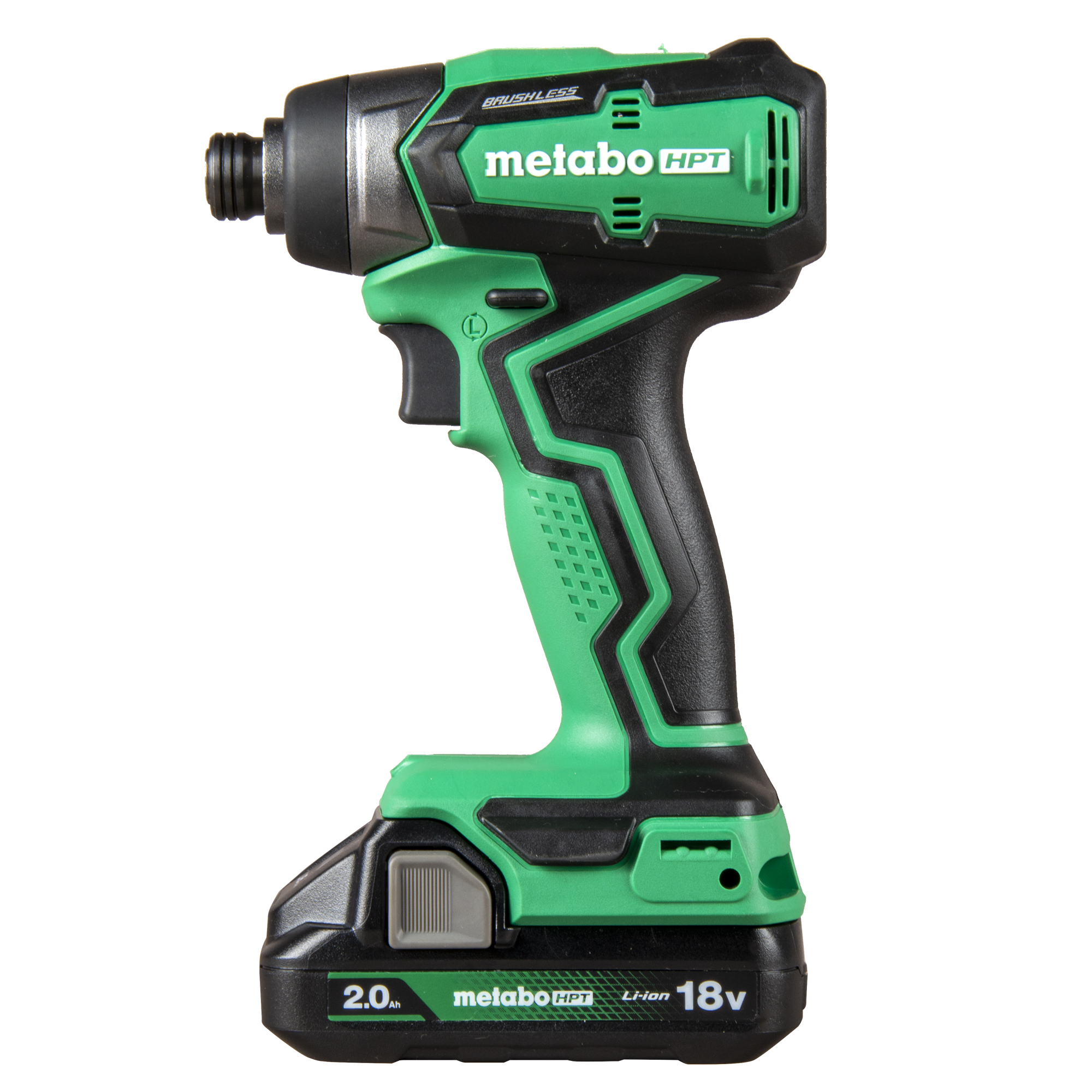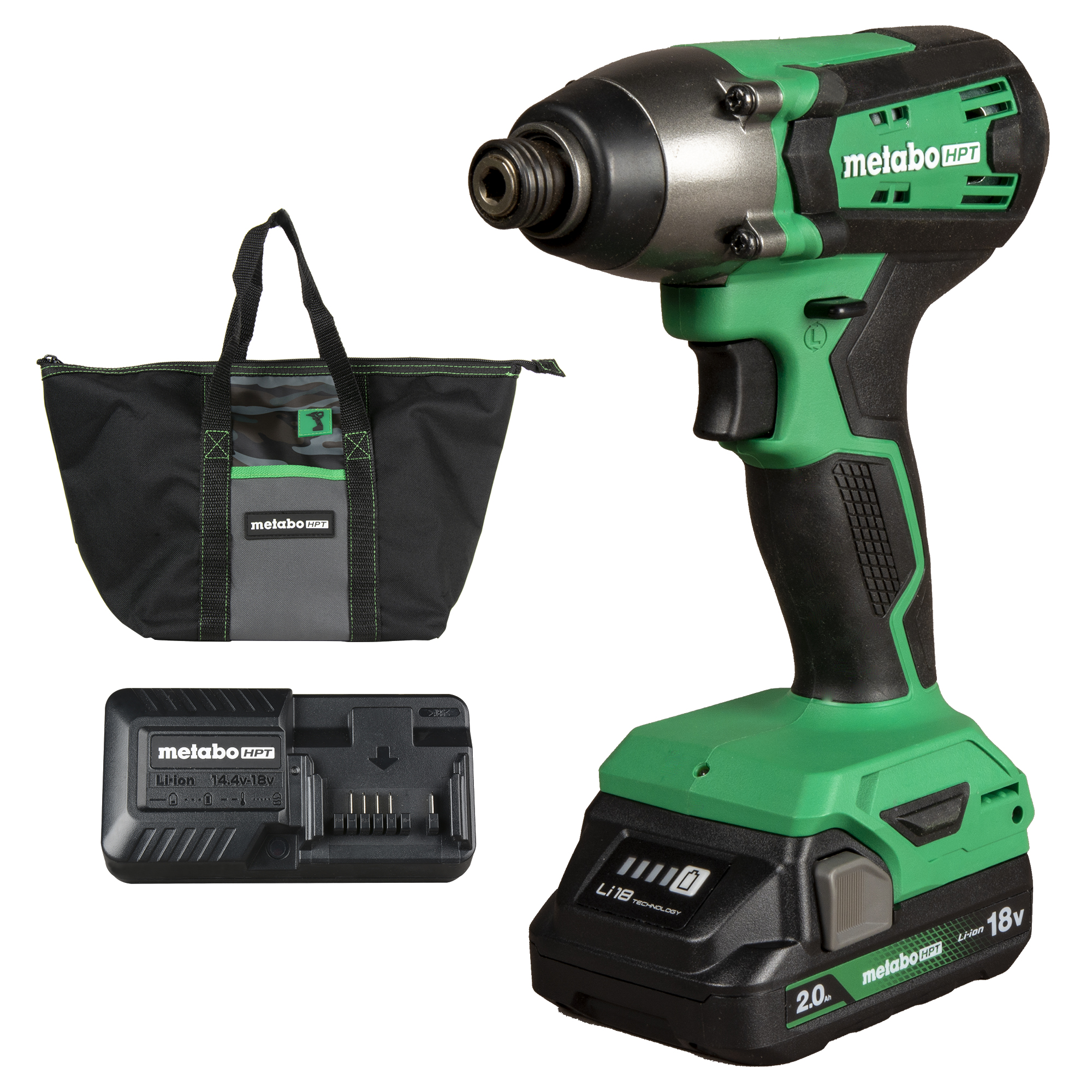

Impact Wrench
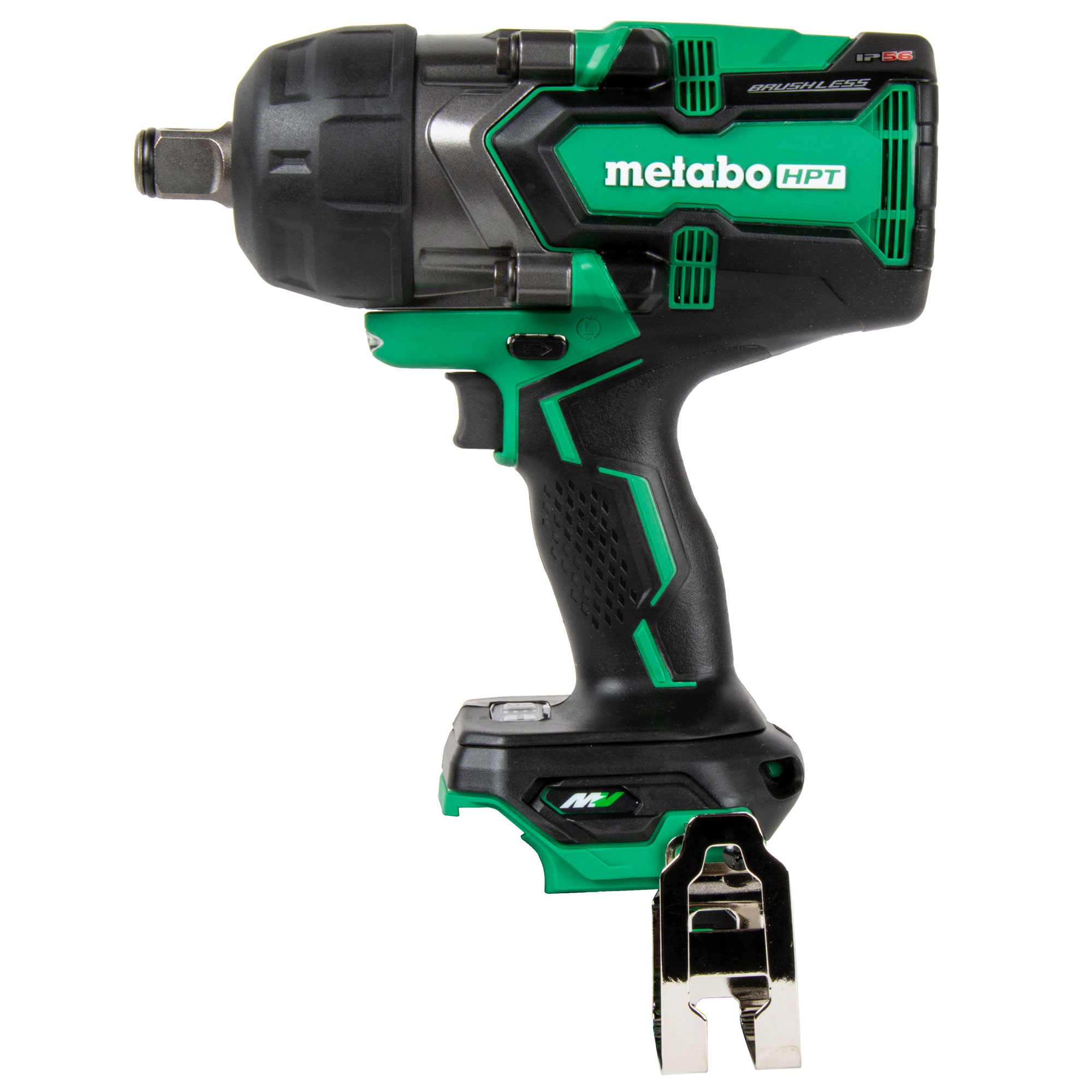
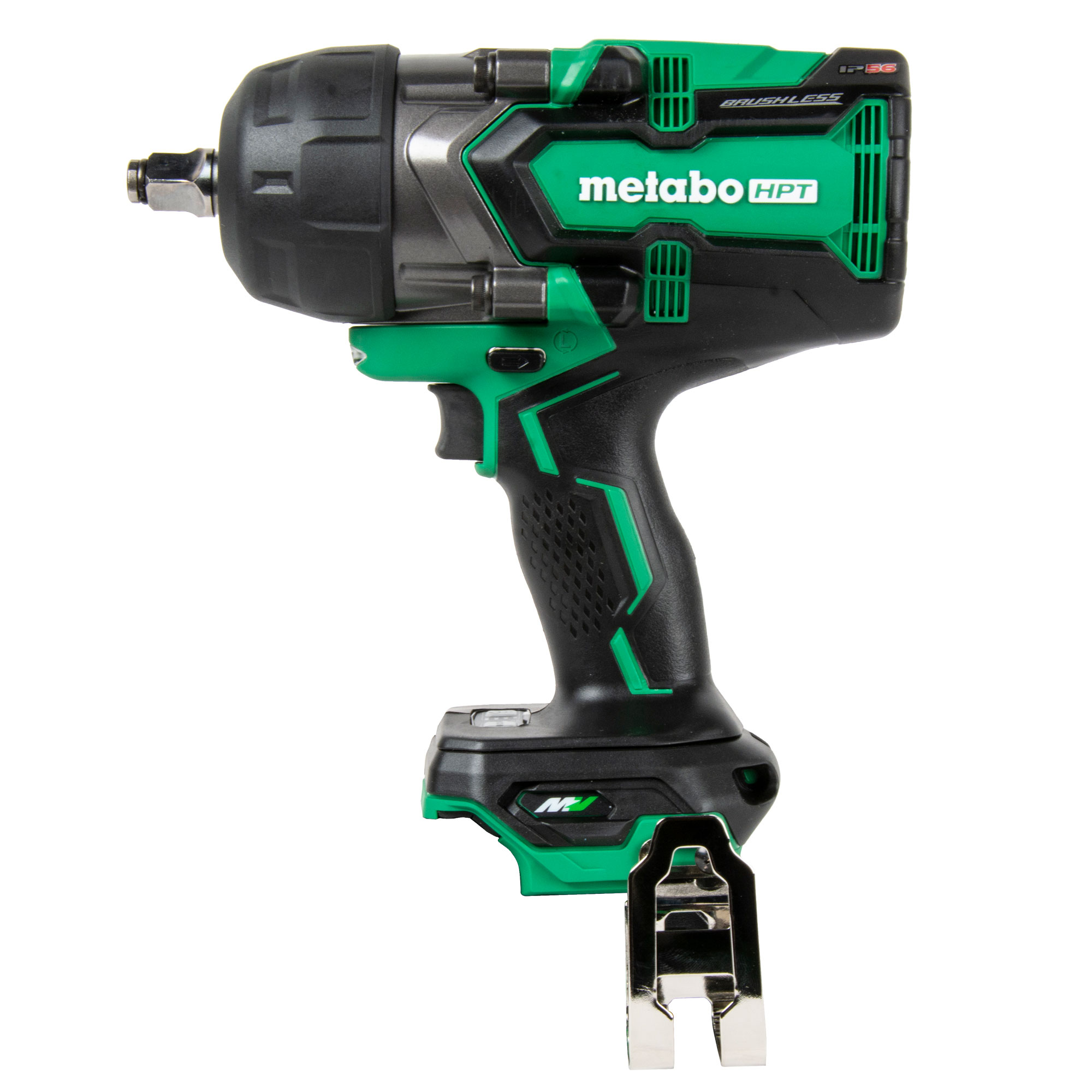
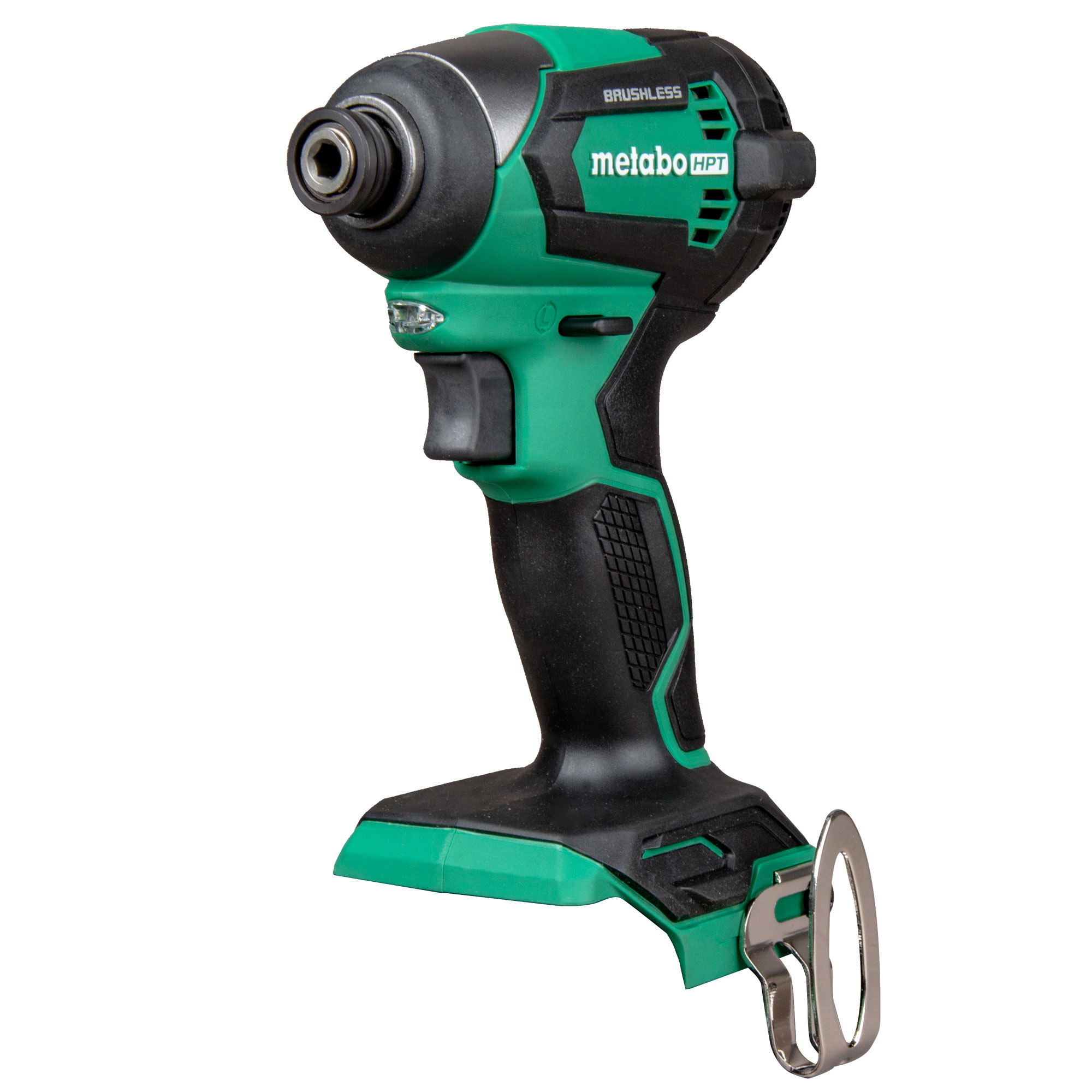
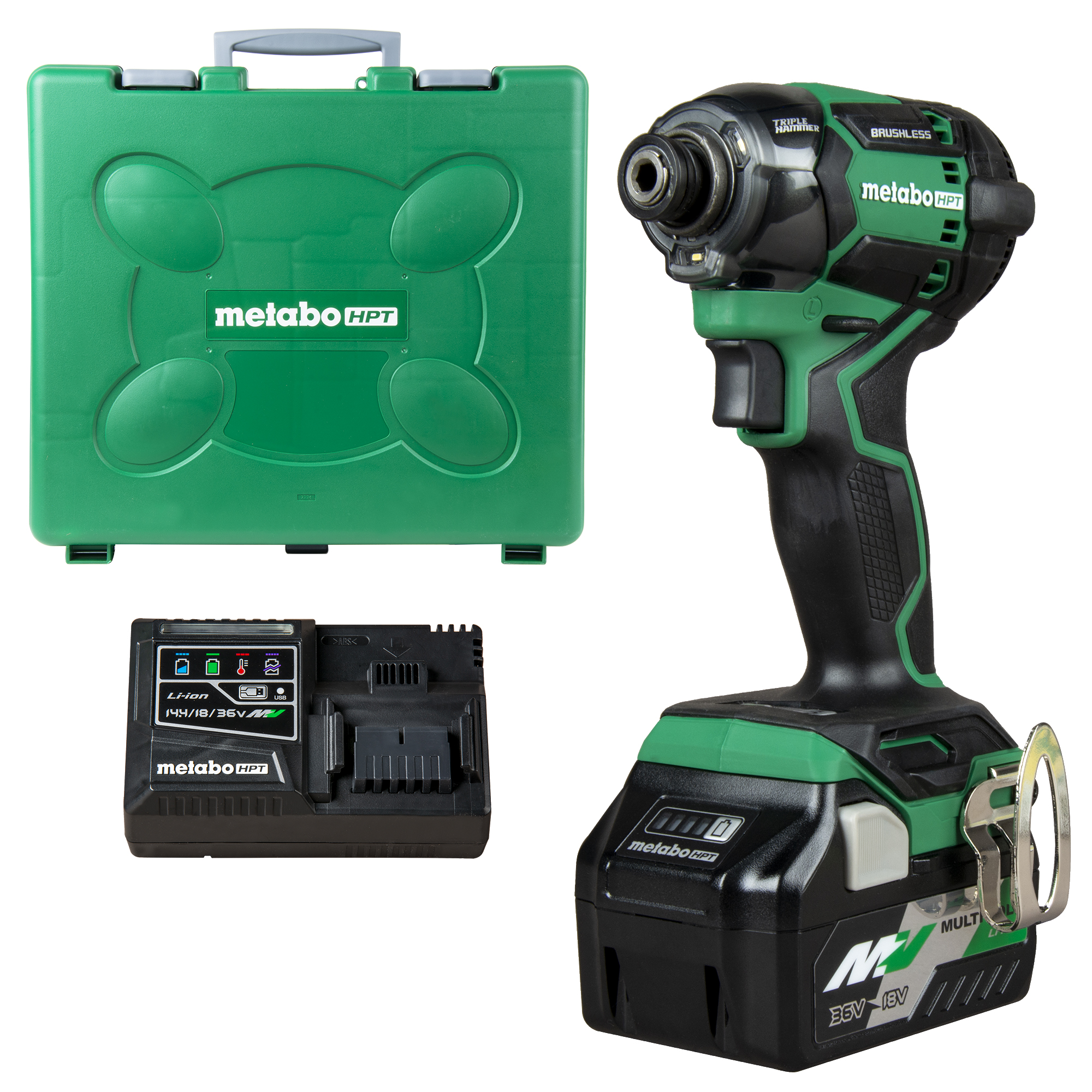
An impact wrench is a power tool designed to deliver high torque output with minimal exertion by the operator, using a hammering mechanism that produces rotational impacts. Commonly powered by electricity, compressed air, or battery, impact wrenches are essential for rapidly installing and removing threaded fasteners in automotive, construction, and industrial applications. The tool's impact mechanism allows it to break loose seized fasteners and tighten bolts to high torque values efficiently.
Fonctionnement
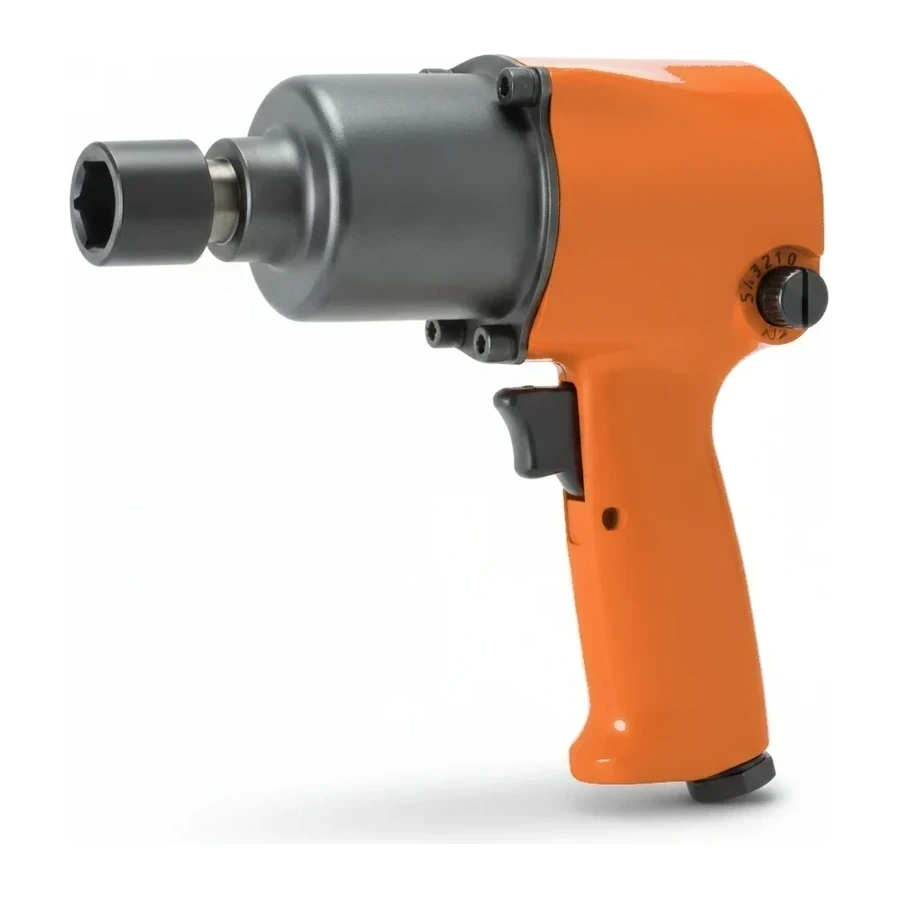
Impact wrenches operate using an internal hammer mechanism that stores energy in a rotating mass, then suddenly releases it in brief, powerful rotational bursts. When the tool encounters resistance, the hammer and anvil mechanism disengages momentarily, spins to build kinetic energy, then strikes the anvil to deliver impact force directly to the fastener. This intermittent hammering action occurs multiple times per second, creating the characteristic rattling sound while minimizing torque reaction to the operator. Pneumatic models use compressed air to drive the hammer, while electric and cordless versions employ electric motors with similar impact mechanisms. The output shaft accepts interchangeable sockets matched to the drive size, allowing work with various fastener sizes. Most models feature variable speed triggers and forward/reverse controls for both tightening and loosening operations.
Types et variantes
- Pneumatic Impact Wrench
- Air-powered models offering high power-to-weight ratio and continuous operation when connected to compressed air supply; dominant in automotive shops and industrial settings.
- Cordless Impact Wrench
- Battery-powered tools providing portability without air hoses or cords; increasingly popular for field work and mobile applications.
- Corded Electric Impact Wrench
- AC-powered models delivering consistent torque for extended use where power outlets are accessible; common in manufacturing and maintenance facilities.
- Inline Impact Wrench
- Pistol-grip configuration with the motor aligned with the output shaft; standard for general-purpose fastening work.
- Right-Angle Impact Wrench
- Motor oriented perpendicular to the output shaft for access in confined spaces and tight clearances.
Spécifications clés
| Spécification | Plage typique | Signification |
|---|---|---|
| Drive Size | 1/2 in, 3/4 in, 1 in, 1-1/2 in | Square drive dimension that determines compatible socket sizes and generally correlates with maximum torque capacity. |
| Maximum Torque | Varies by drive size and power source | Peak rotational force the tool can deliver; varies widely by drive size and power source, with larger drives producing higher torque. |
| Power Source | Pneumatic, battery, AC electric | Energy type that determines portability, runtime, and power characteristics of the tool. |
| Impacts per Minute | Varies by model | Frequency of hammer strikes delivered to the anvil; higher rates typically provide faster fastening speeds. |
| Weight | Varies by drive size and power source | Tool mass varies with drive size and power source; affects operator fatigue during extended use. |
Comment l'industrie le dimensionne
The industry sizes impact wrenches primarily by drive size, measured in inches, which corresponds to the square drive dimension of the output shaft. Models with drives up to 3/4 in are standard for automotive, scaffold, and light bolting. Three-quarter inch to 1 in drive tools handle structural bolts and steel erection. Models with 1-1/2 in drives and larger serve heavy structural, foundation anchors, and large flanges. Drive size directly influences the tool's torque capacity, physical dimensions, and appropriate fastener range.
Applications
- Automotive repair and tire changing operations requiring rapid lug nut removal and installation
- Structural steel erection and connection bolting on construction sites
- Heavy equipment maintenance and assembly in industrial facilities
- Scaffold assembly and disassembly requiring repetitive bolted connections
- Oil and gas industry flange bolting and pipeline construction
- Manufacturing assembly lines for machinery and large product assembly
Sécurité et opération
- Operators should wear hearing protection as impact mechanisms generate noise levels often exceeding 85 dBA during operation
- Safety glasses or face shields protect against flying debris from fasteners, sockets, or broken components under high torque
- Secure sockets properly to the drive to prevent ejection during operation; use retaining rings or locking pins where provided
- Avoid over-tightening fasteners as impact wrenches can exceed recommended torque specifications; verify critical fasteners with calibrated torque wrenches
- Ensure proper footing and grip when operating high-torque models to manage sudden reactive forces if the socket binds or slips
Normes et certifications
- ANSI · B107.58
- Covers performance requirements and testing methods for impact wrenches and impact sockets used in industry.
- OSHA · 1910.242(b)
- Establishes general requirements for safe operation of pneumatic power tools including impact wrenches in workplace settings.
- ISO · 2787
- International standard specifying rotary tools with non-rotating impact action, including test methods and performance ratings.
Questions fréquentes
What is the difference between impact wrenches and regular ratchets or power drills?
Why are impact wrenches sized by drive size rather than torque rating?
What distinguishes pneumatic impact wrenches from cordless battery models?
Can impact wrenches replace torque wrenches for precision fastener tightening?
Équipements connexes
Parcourir par fabricant
Sources
Chaque spécification est vérifiée par rapport aux données publiées par le fabricant, avec la source liée pour référence.
Tous les modèles
113 modèles · Page 1 sur 3 · Chaque spécification citée à la source