Earth Auger
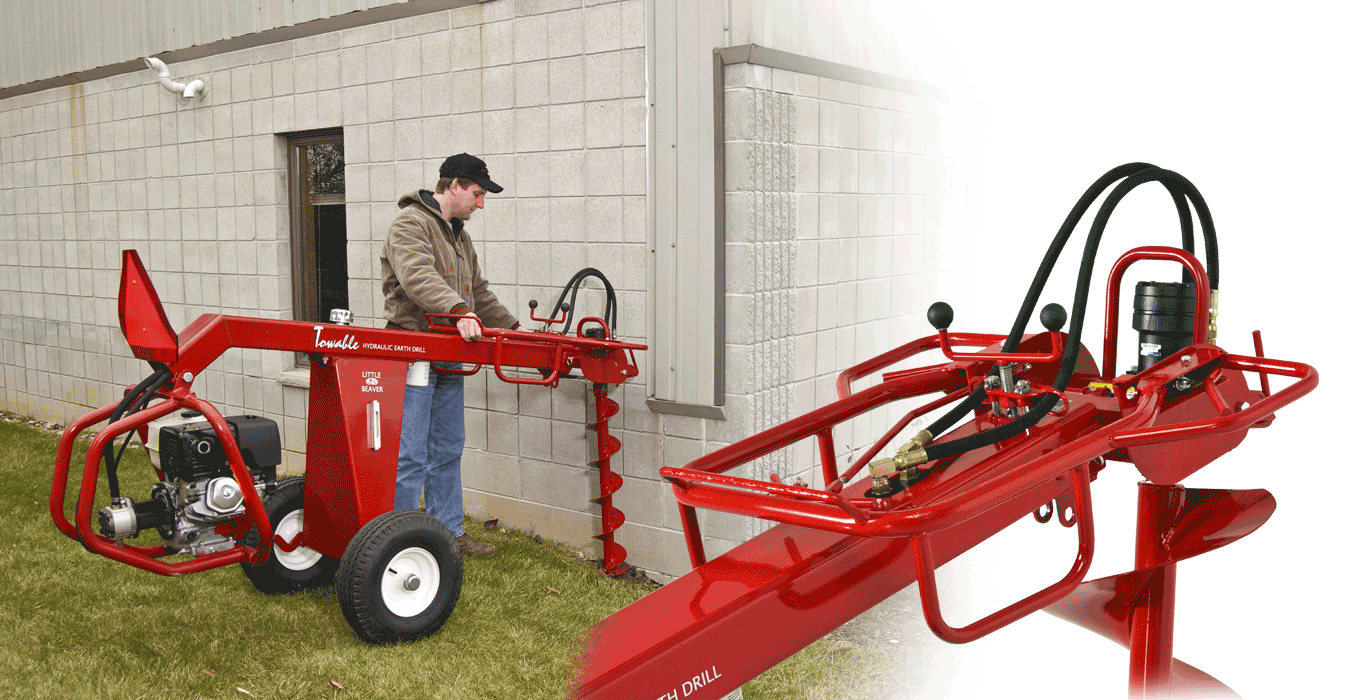
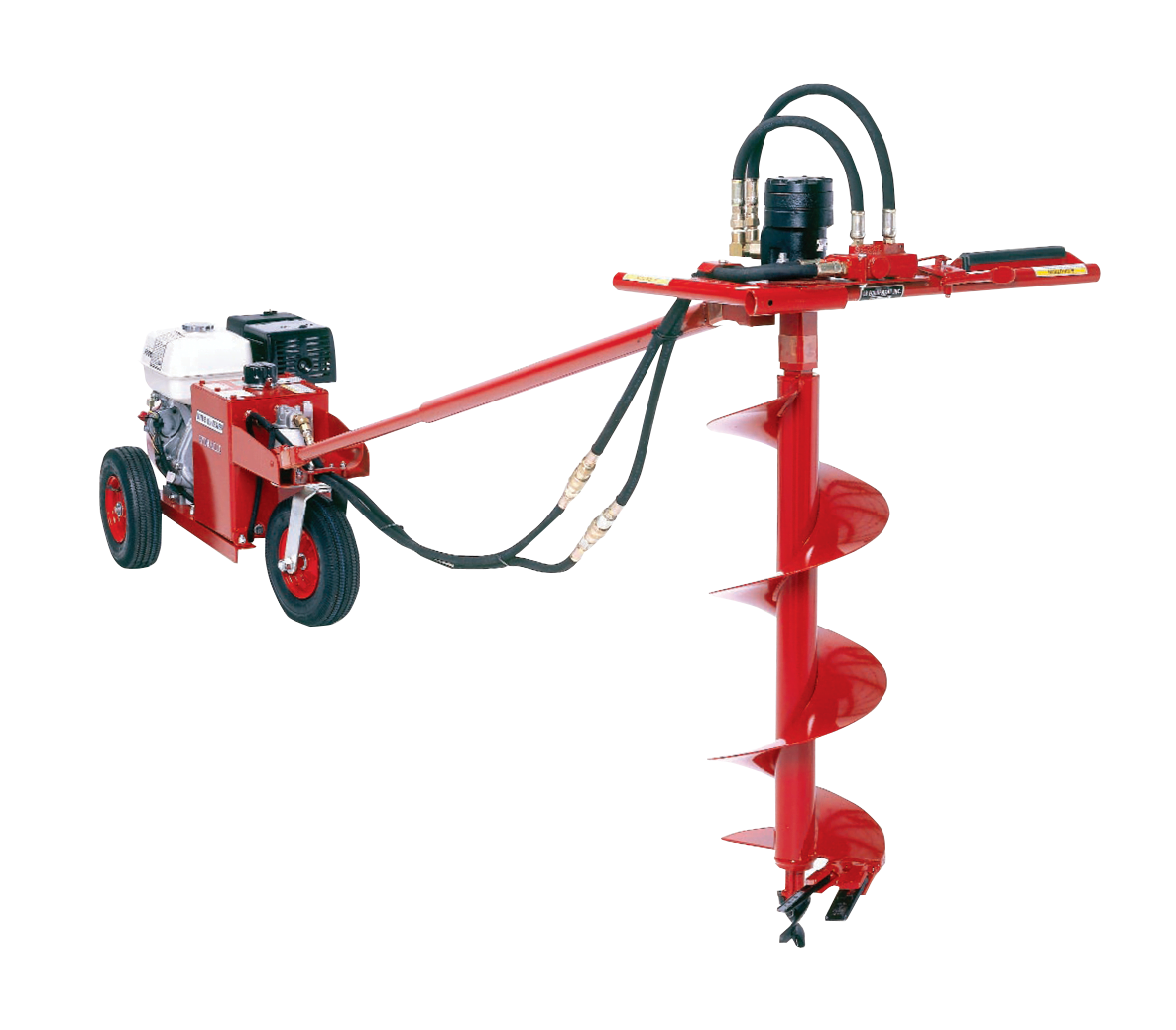
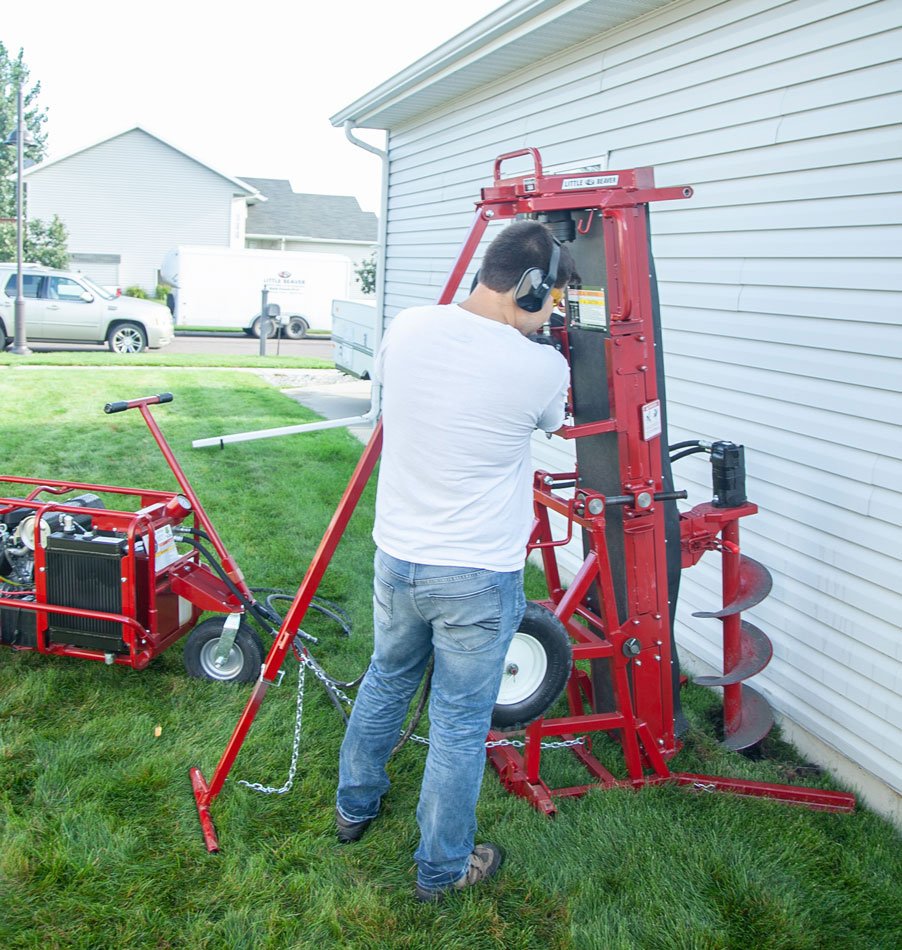
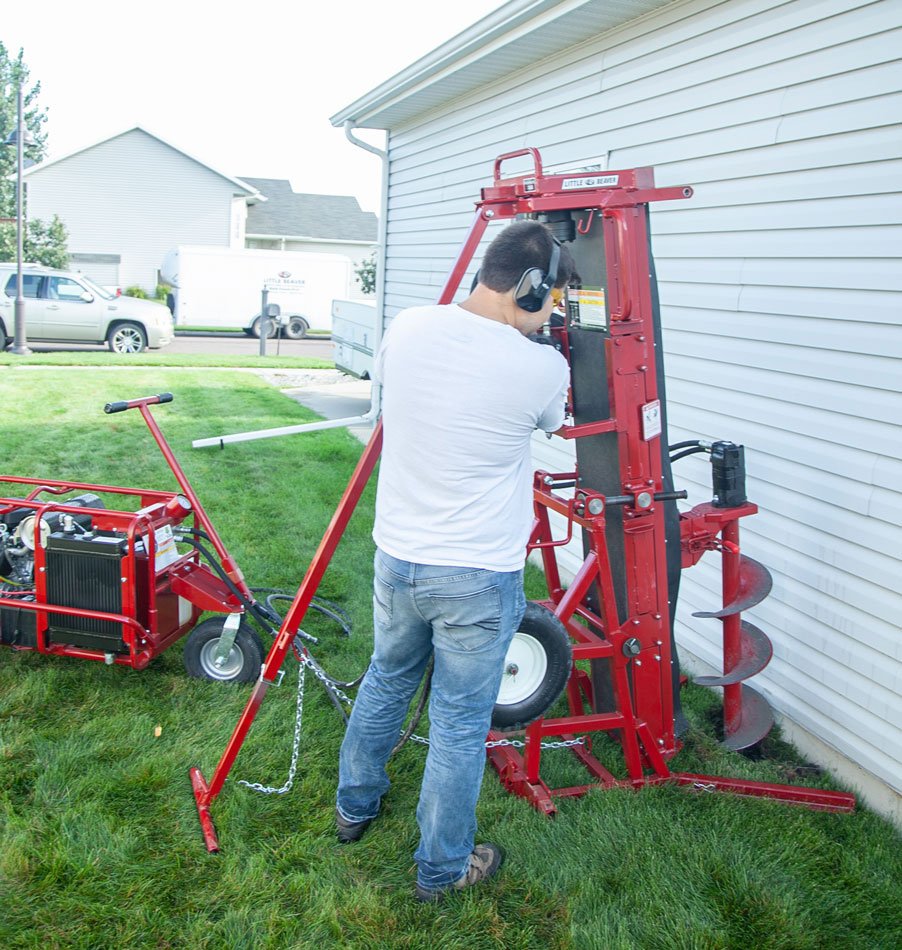
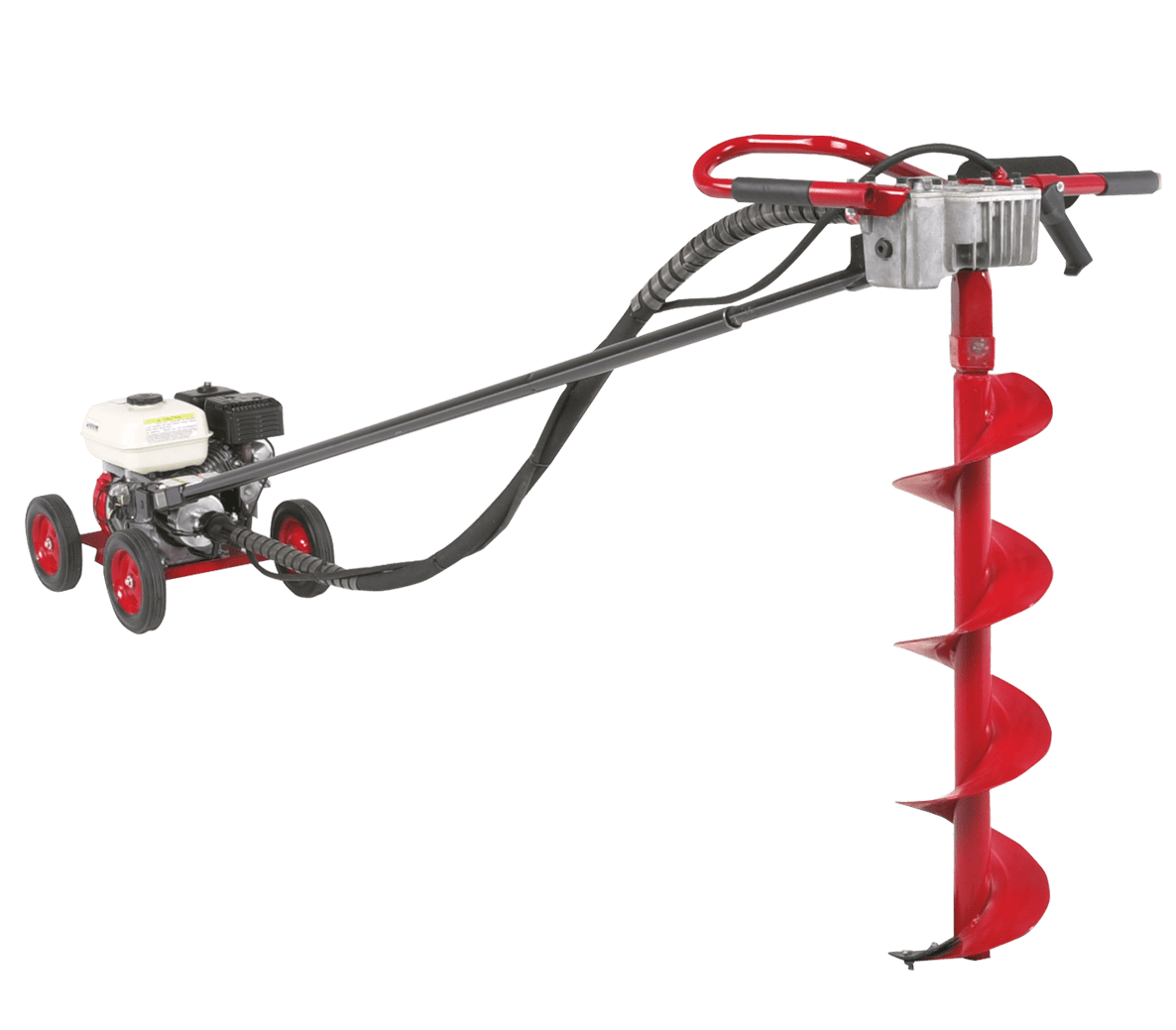
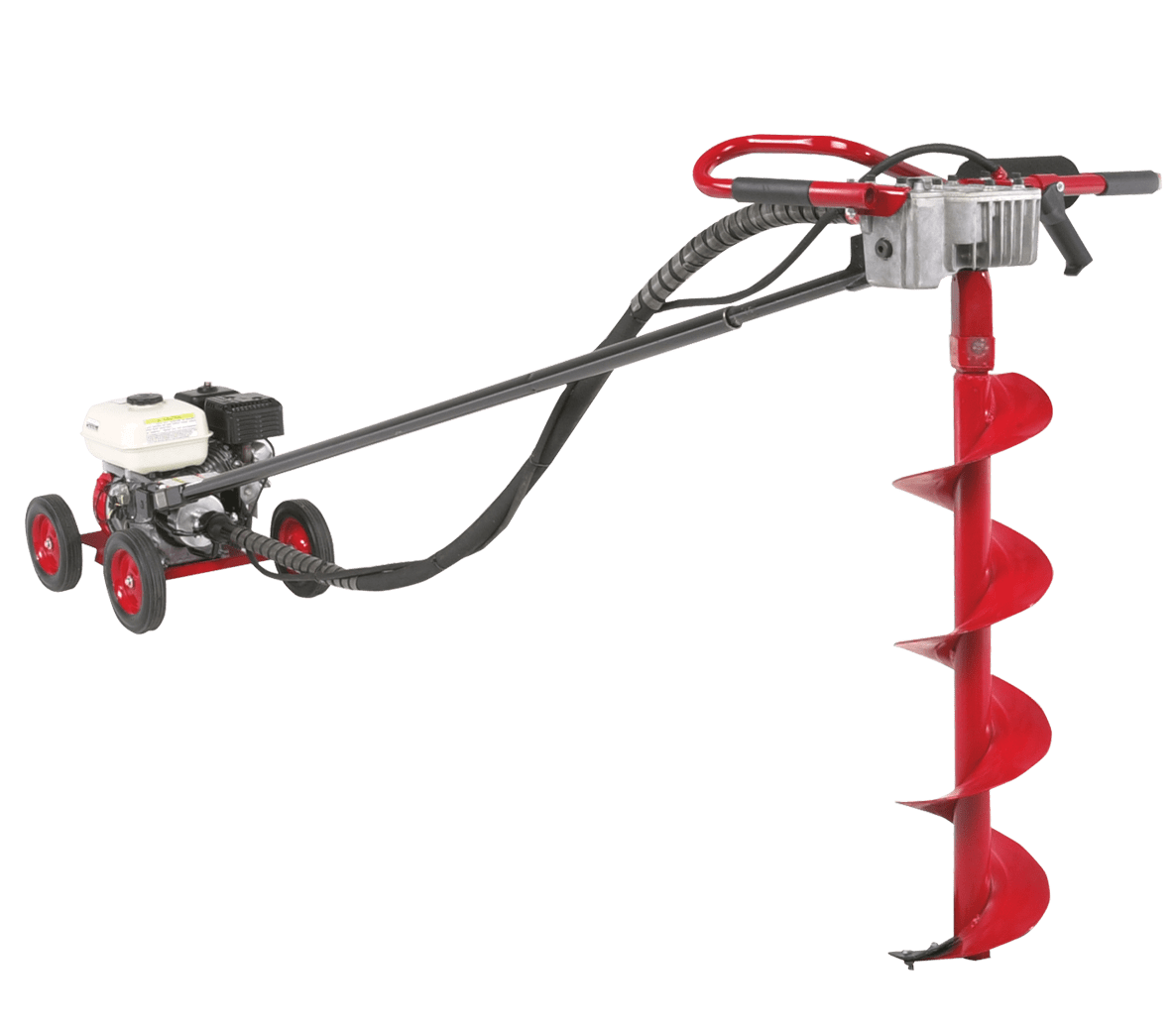
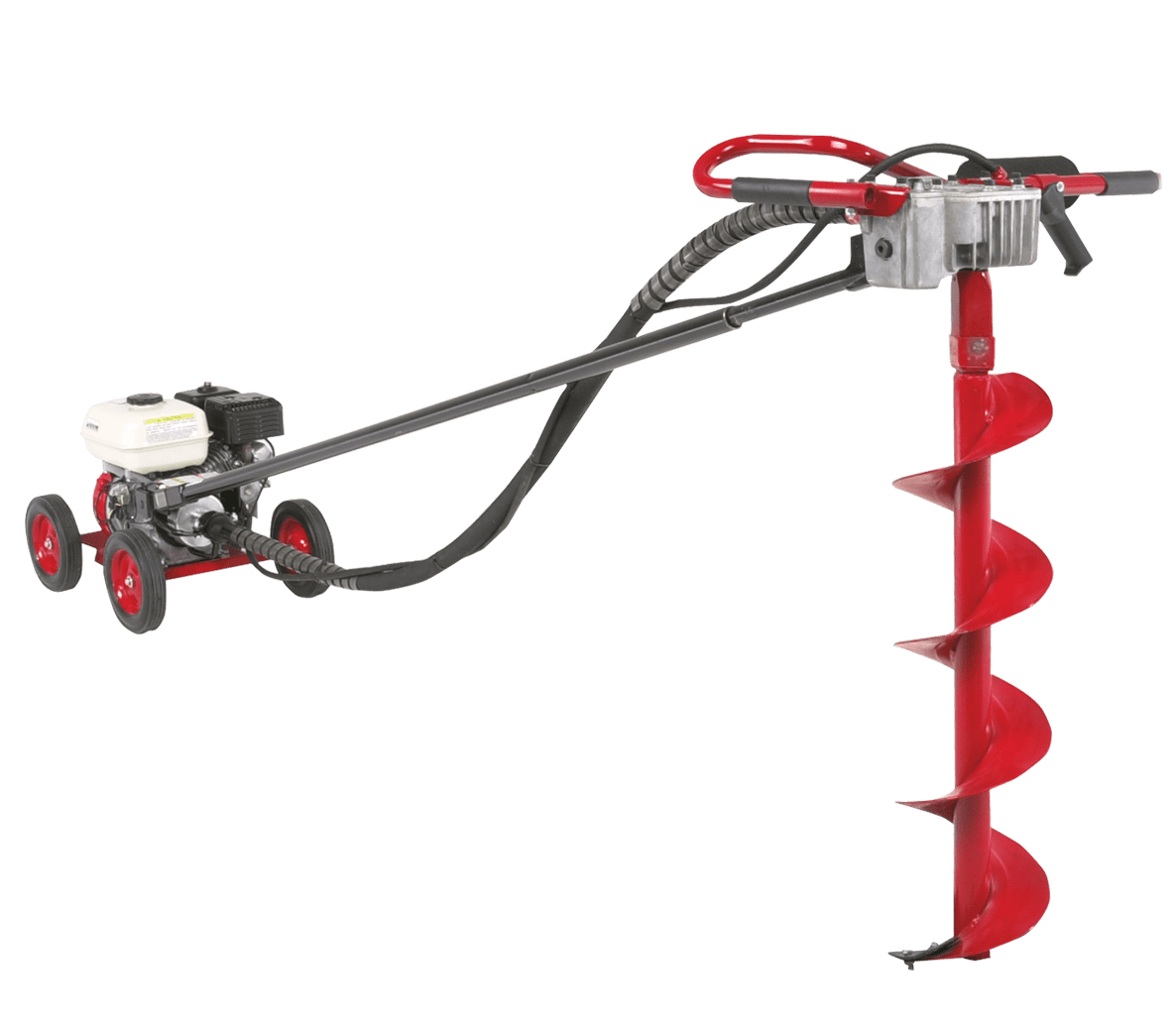
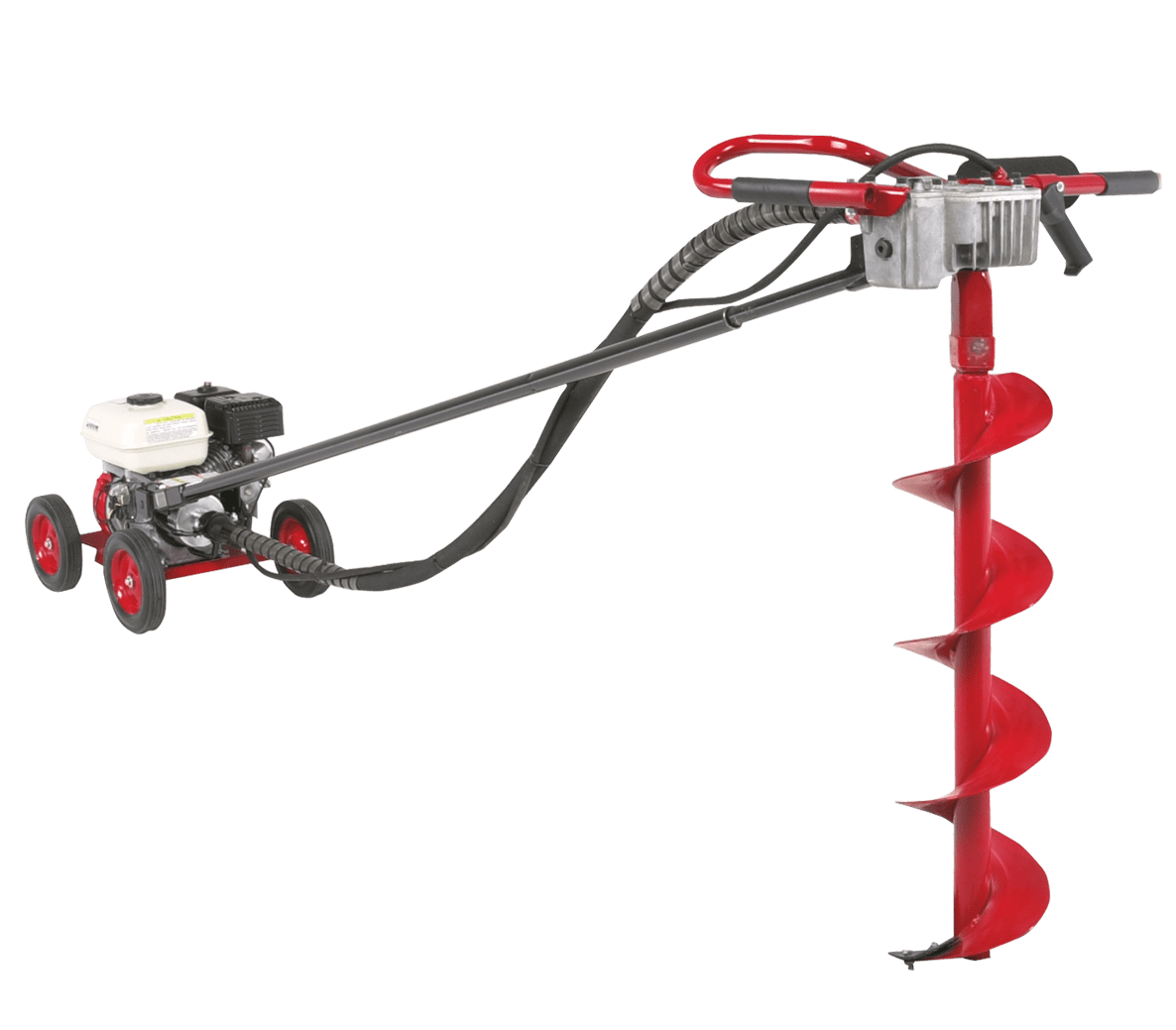
An earth auger is a powered drilling tool designed to bore vertical holes in soil for fence posts, deck footings, sign installation, and tree planting. These machines consist of a power head that drives a helical auger bit through the ground, removing soil as the bit advances. Earth augers range from lightweight one-person units to heavy-duty two-person and hydraulic models capable of drilling large-diameter holes for structural applications.
Fonctionnement
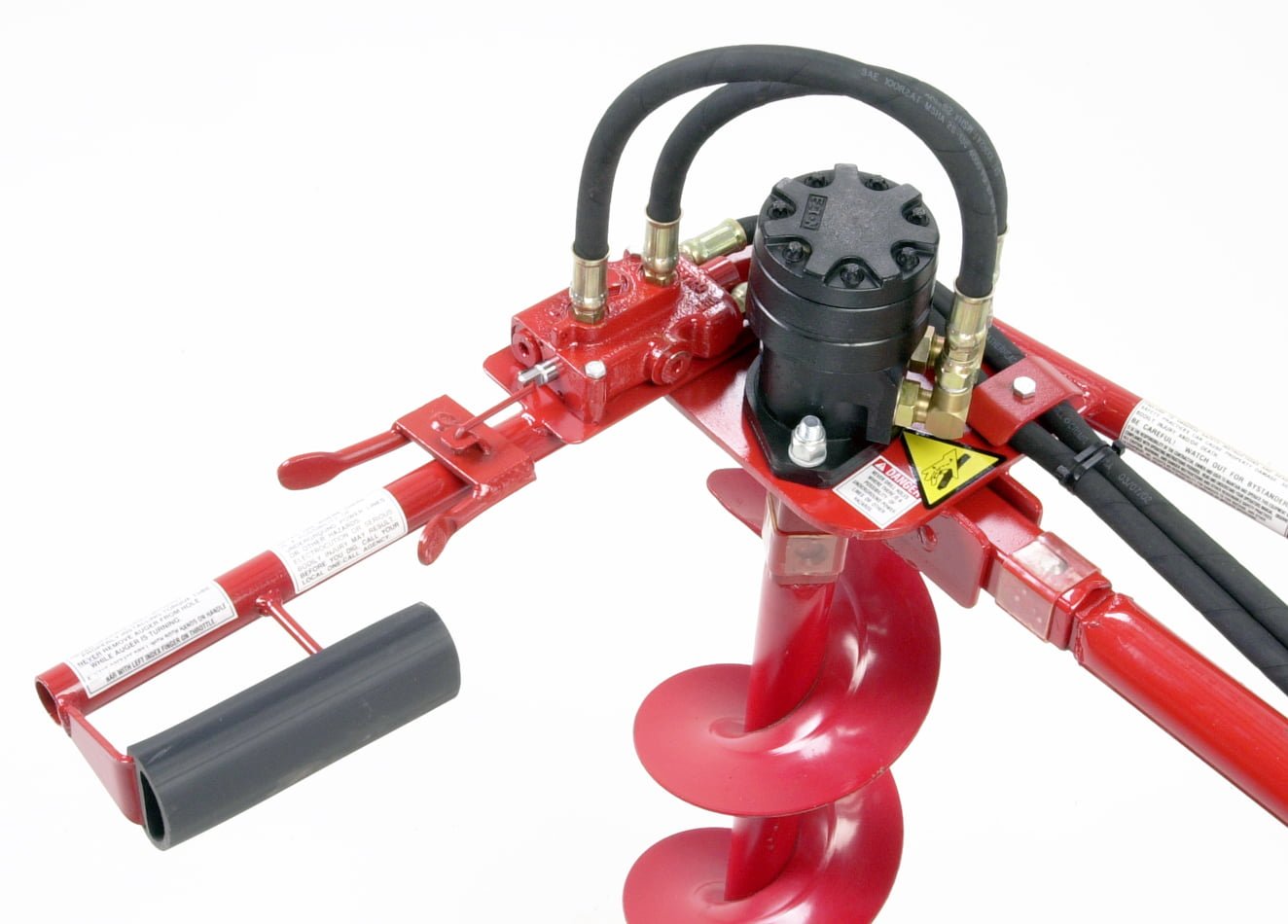
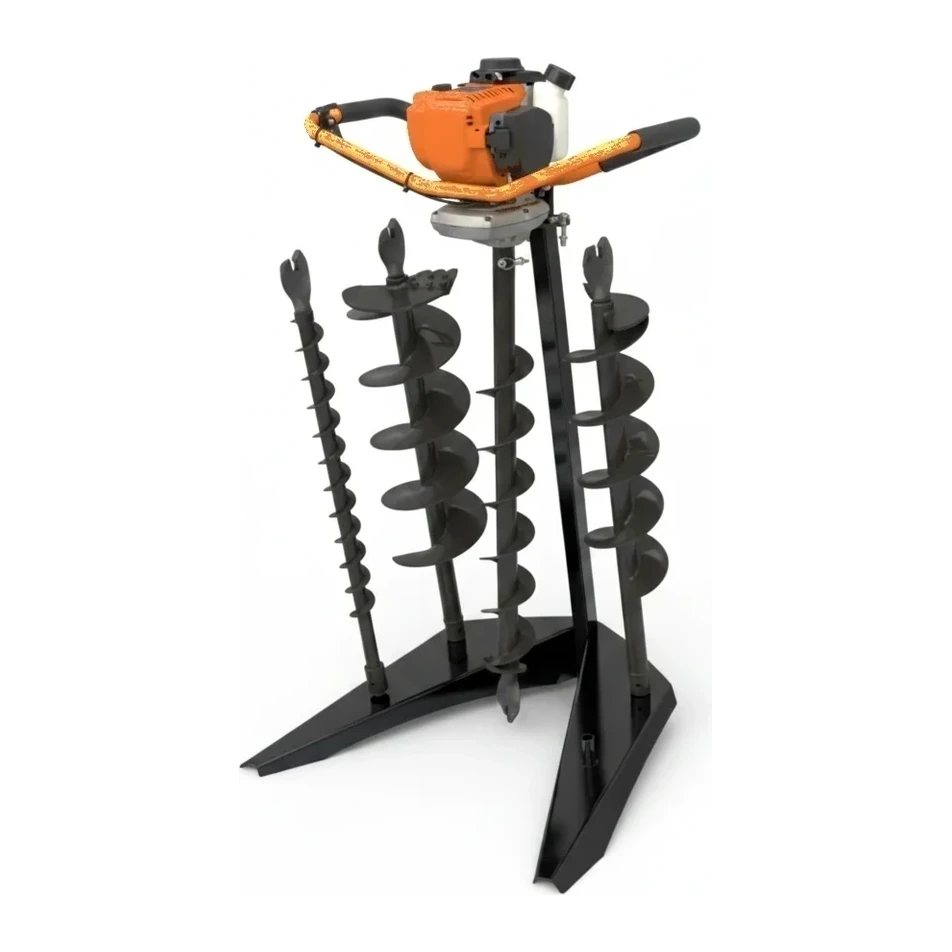
The earth auger operates by rotating a helical steel bit into the ground, where the spiral flighting lifts loosened soil to the surface as the bit penetrates deeper. The power head, typically a gasoline engine or electric motor, delivers rotational force through a transmission or gearbox that reduces speed while increasing torque. Operators guide the auger vertically into the soil, controlling depth by the length of the bit and monitoring penetration progress. One-person augers are hand-carried and feature lighter engines with throttle controls and anti-kickback mechanisms. Two-person models distribute weight and torque between two operators for larger-diameter bits. Hydraulic earth augers mount to skid steers, excavators, or dedicated carriers, using hydraulic flow to drive the auger head and handle the substantial torque required for large-diameter or deep holes.
Types et variantes
- One-Person Hand-Held Auger
- Lightweight units typically under 50 lbs with engines under 3 hp, designed for one operator to handle bits up to 6 inches in diameter for fence posts and small footings.
- Two-Person Gas Auger
- Heavy-duty gasoline-powered models with dual handles requiring two operators to control the torque and weight, accommodating bits from 6 to 12 inches for deck footings and medium-diameter holes.
- Cordless Electric Auger
- Battery-powered units offering emissions-free operation with reduced noise, suited for residential work and indoor applications where gasoline exhaust is impractical.
- Hydraulic Earth Auger
- Attachment-style augers driven by hydraulic power from a skid steer, excavator, or tractor, capable of drilling large-diameter holes exceeding 18 inches with minimal operator effort.
- Ice Auger Conversion
- Specialized earth auger models or attachments optimized for drilling through frozen ground and ice, featuring hardened bits and high-torque gearing for winter applications.
Spécifications clés
| Spécification | Plage typique | Signification |
|---|---|---|
| Bit Diameter | 2–24 in (5.1–61.0 cm) | The diameter of the hole the auger bit creates, determining post size fit and footing capacity; most common sizes are 4, 6, 8, 10, and 12 inches. |
| Engine Power | 6.4-11.7 hp | Gasoline engine output that determines the auger's torque capacity and ability to handle larger bits or challenging soil conditions. |
| Fuel Capacity | 0.6-1.6 gal | Tank size that affects runtime between refueling; larger capacities support extended drilling sessions on remote job sites. |
| Bit Length | 24–48 in (61.0–122 cm) | Maximum depth the auger can drill in a single pass, with extension bits available for deeper holes beyond standard lengths. |
| Weight | 30–150 lbs (13.6–68.0 kg) | Operating weight of the power head affects portability and operator fatigue; heavier units typically offer greater torque and stability. |
Comment l'industrie le dimensionne
The industry sizes earth augers primarily by the maximum bit diameter they can drive, measured in inches, with common categories including small (2-6 inches), medium (6-10 inches), and large (10-18+ inches). Engine power measured in horsepower correlates with bit size capacity, as larger diameters require substantially more torque to maintain rotation in compacted or clay soils. Operational sizing also distinguishes between one-person portable units (typically up to 6-inch bits), two-person heavy-duty models (6-12 inches), and hydraulic attachments (10 inches and above). Bit length and extension availability further define the machine's suitability for shallow post holes versus deep structural footings.
Applications
- Installing fence posts for agricultural, residential, and commercial fencing projects
- Drilling footings for deck construction, pergolas, and shade structures
- Creating planting holes for trees, shrubs, and large containerized plants in landscaping work
- Setting signposts for traffic control, wayfinding, and commercial signage installations
- Boring holes for utility pole placement, guy-wire anchors, and light standard foundations
- Drilling pier holes for structural foundations, building supports, and concrete column placements
Sécurité et opération
- Maintain firm two-handed grip and stable footing to control torque reactions and sudden kickback if the bit strikes rocks or roots
- Verify underground utility locations before drilling to avoid contact with buried electrical, gas, water, or telecommunications lines
- Wear hearing protection, safety glasses, and gloves during operation; keep loose clothing and jewelry clear of rotating components
- Inspect auger bits for damage or wear before use and ensure proper attachment to the drive shaft to prevent ejection during operation
- Operate on level ground when possible and avoid overhead power lines when handling or transporting auger bits in the raised position
Normes et certifications
- ANSI · B71.7
- Covers safety requirements for portable powered lawn and garden equipment, including auger design and guarding standards.
- OSHA · 1926 Subpart P
- Establishes excavation and trenching safety requirements relevant to earth auger operations on construction sites.
- EPA · Tier Standards
- Regulates emissions from small non-road gasoline engines used in earth augers, driving cleaner engine technologies.
- CSA · C22.2 No. 71.2
- Canadian standard for motor-operated lawn and garden appliances including portable earth augers sold in Canadian markets.
Questions fréquentes
What determines whether a one-person or two-person auger is needed?
How does bit type affect drilling performance in different soil conditions?
What are the advantages of hydraulic earth augers over gasoline models?
How are extension bits used for drilling deeper than standard bit length?
Comparer les modèles populaires
Chercher par spécification →Normalisé aux mêmes unités. Un tiret signifie que la valeur n'a pas été publiée.
| Modèle | Puissance moteur | Poids en service | Capacité de carburant |
|---|---|---|---|
| Little Beaver HYD-PS11H | 11 hp | - | 1.6 gal |
| Little Beaver HYD-PS13H | 12 hp | - | 1.6 gal |
| Little Beaver HYD-TB11H | 11 hp | - | 1.6 gal |
| Little Beaver HYD-NTV11H | 10 hp | - | 0.6 gal |
Équipements connexes
Parcourir par fabricant
Sources
Chaque spécification est vérifiée par rapport aux données publiées par le fabricant, avec la source liée pour référence.
Tous les modèles
35 modèles · Chaque spécification citée à la source