

Power Generation, Lighting, and Distribution
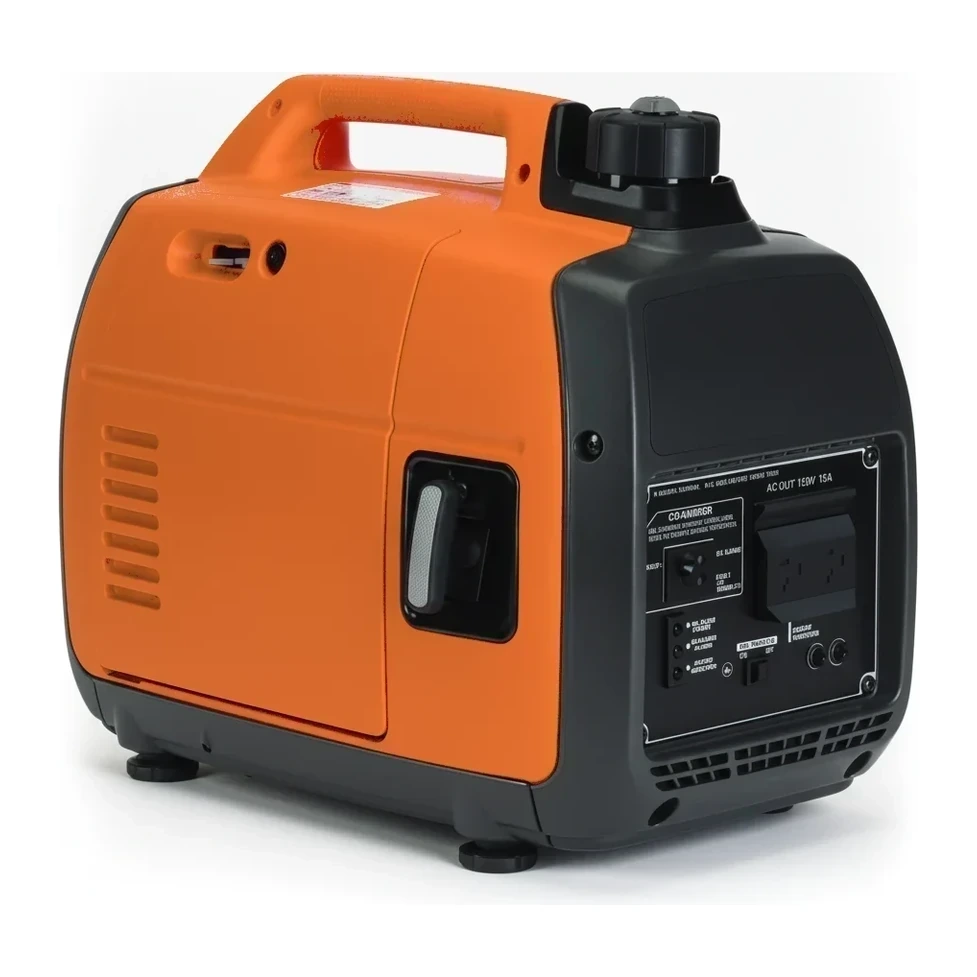
Power generation, lighting, and distribution equipment builds the temporary electrical grid every unpowered site runs on: generators, light towers, distribution hardware, and welders. Portable generators are the anchor class.
Fonctionnement
Power flows from generator or service through distribution to loads: feeder cable at high amperage, panels and transformers stepping to working voltages, GFCI-protected boxes at the point of use. Lighting rides that grid or carries its own generation, and the NEC's temporary-power rules govern the whole chain.
Types et variantes
- Generators
- Portable, diesel, and inverter generators with battery storage.
- Lighting
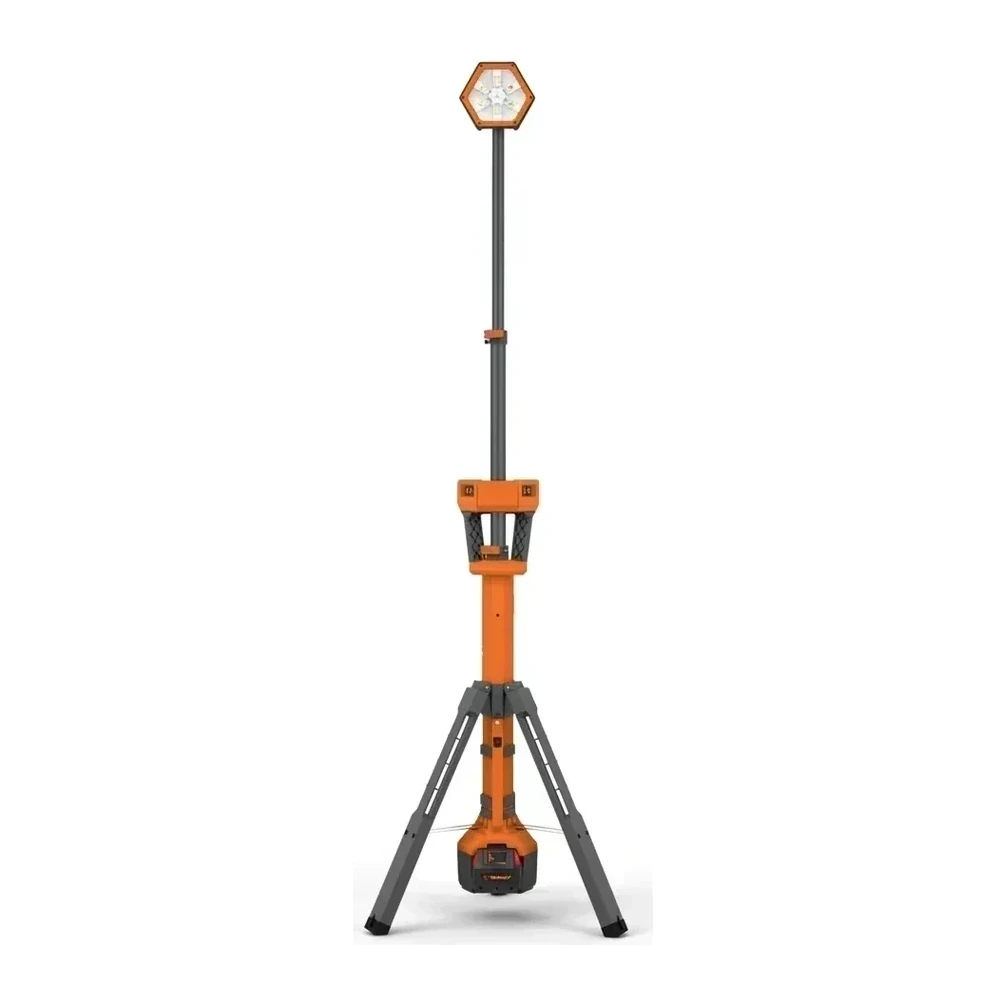
- Light towers, balloon lights, and work lights for night and interior work.
- Power Distribution
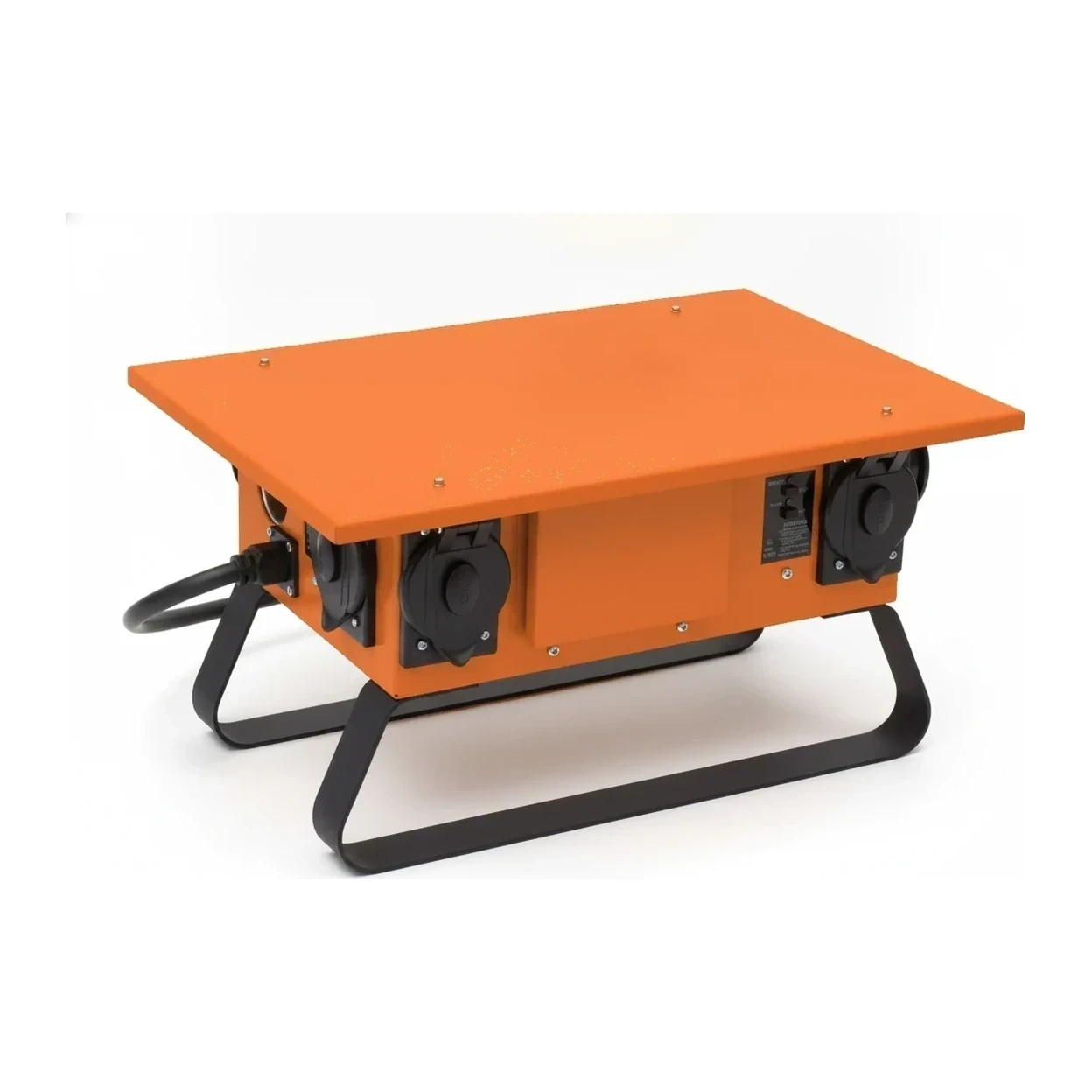
- Spider boxes, panels, feeder cable, and transformers for temporary power.
- Welders
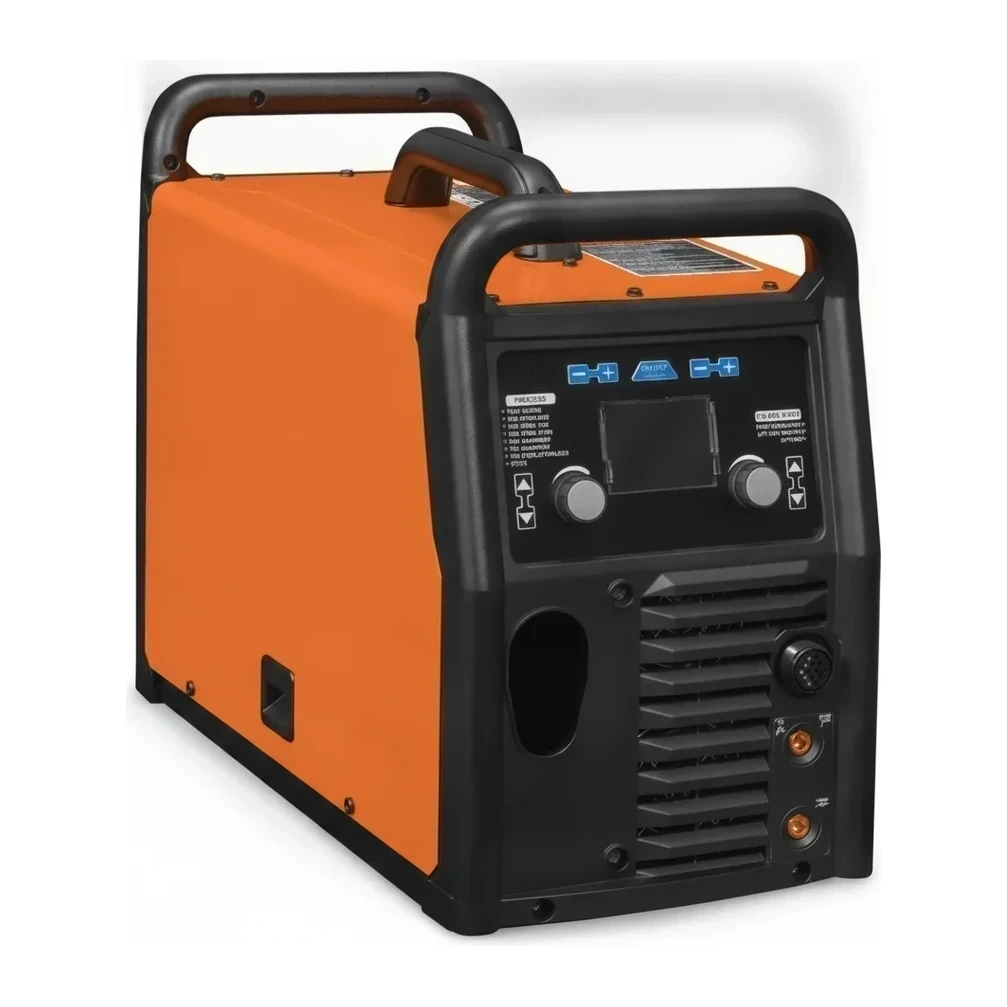
- Multi-process and engine-driven welding power sources.
Comment choisir
A load plan drives everything: total watts with motor-starting surges size generation, circuit layout sizes distribution, and coverage targets size lighting. Noise limits, fuel logistics, and carbon monoxide setbacks shape placement, and code compliance is designed in rather than inspected in.
Normes et certifications
- NFPA · NFPA 70 (NEC)
- Electrical code governing temporary power, generator connections, and distribution equipment.
- OSHA · 29 CFR 1926.404
- Wiring design and protection, including GFCI requirements for temporary power on sites.
- UL · UL 2200
- Safety standard for stationary engine generator assemblies.