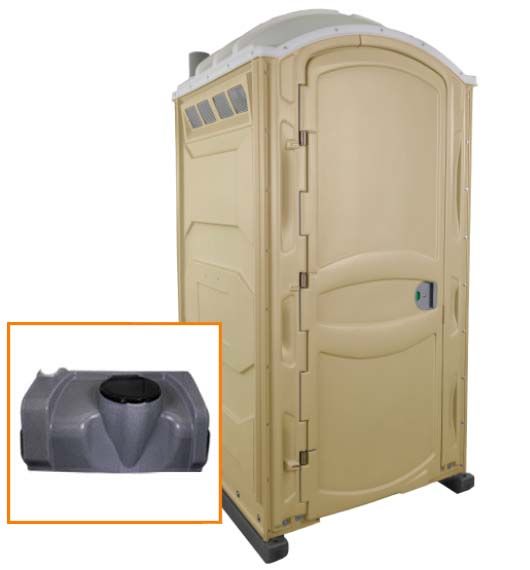
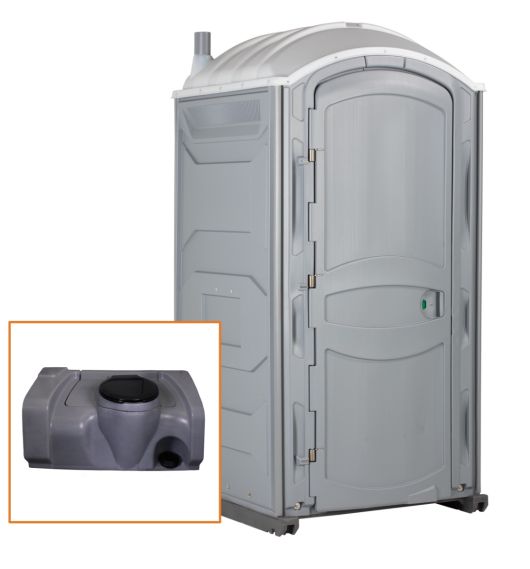
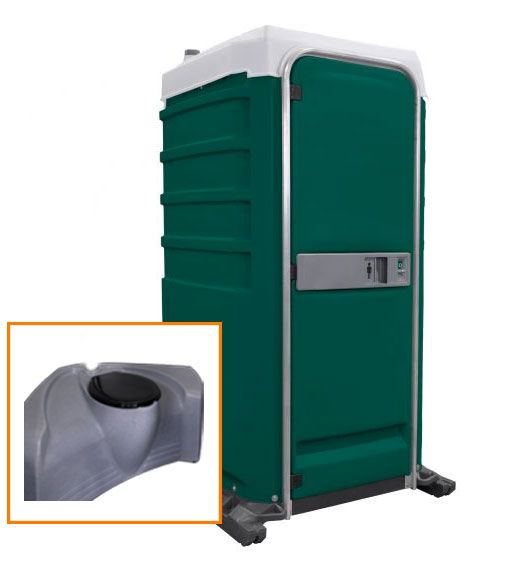
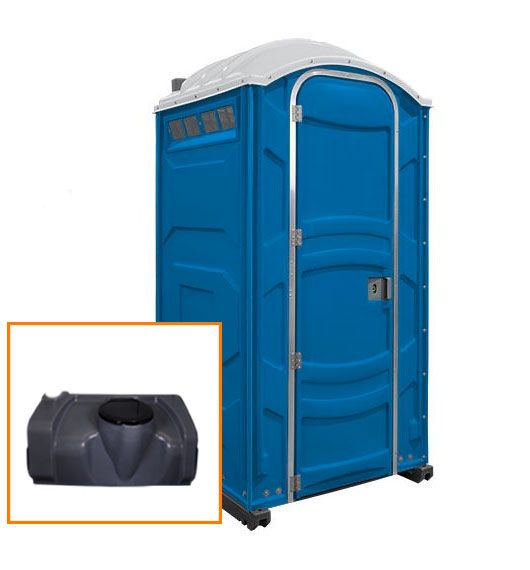
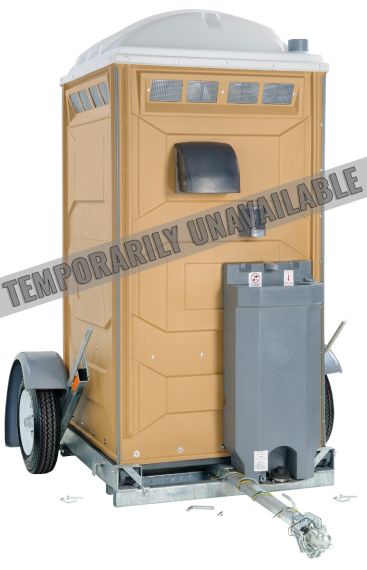
Standard Portable Toilet
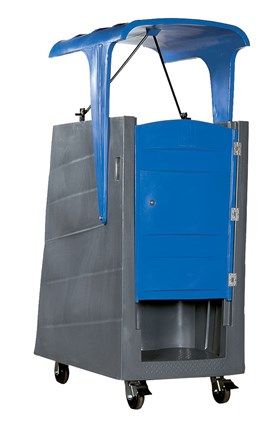
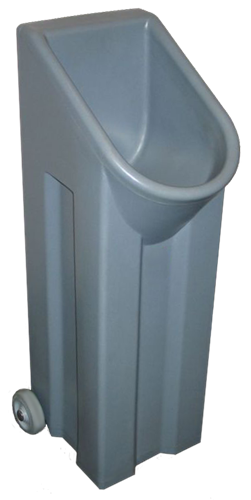
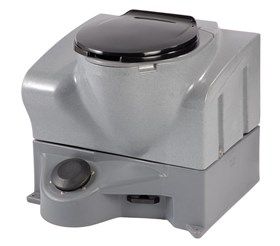
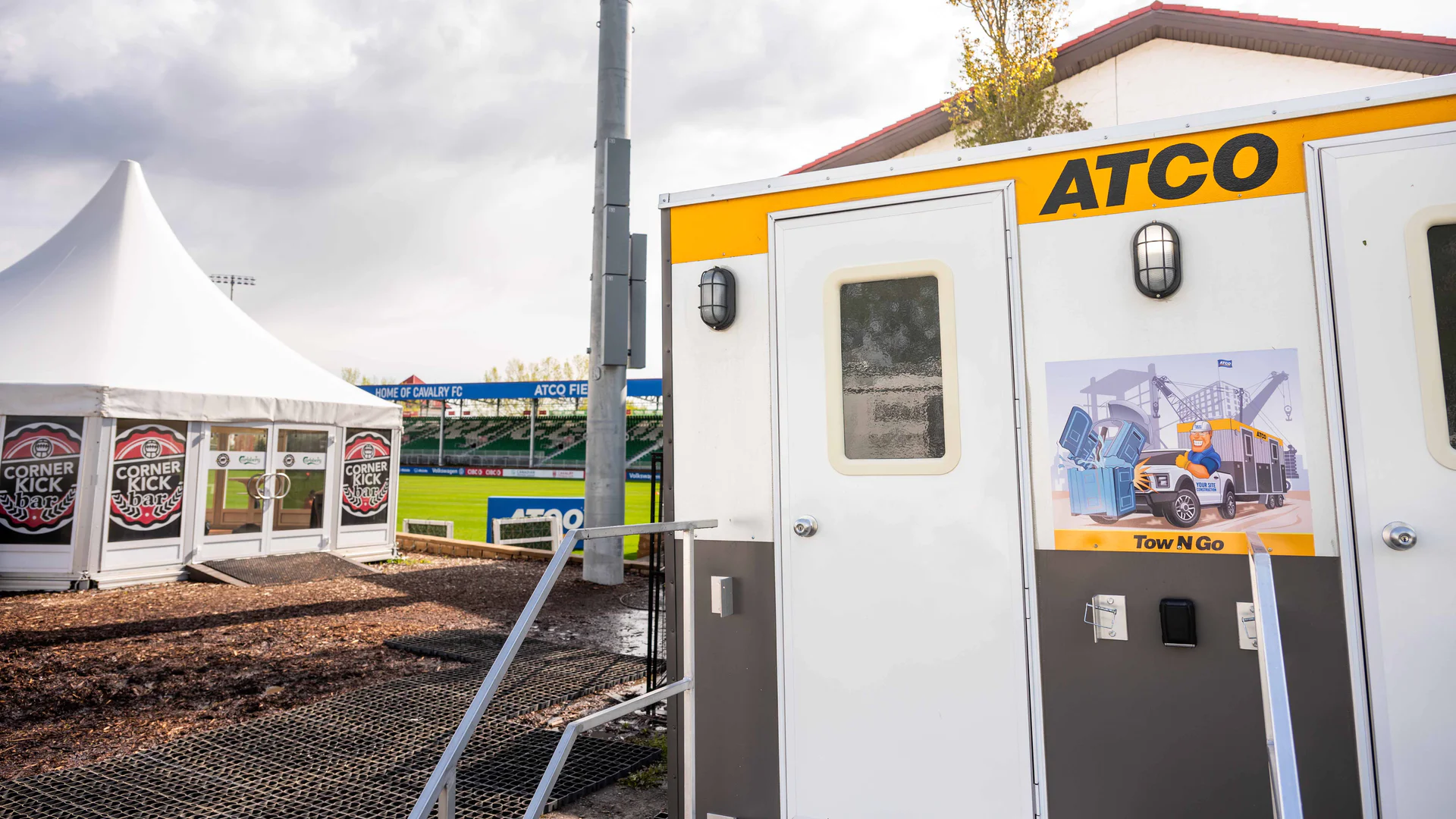
A standard portable toilet is a self-contained, movable sanitation unit providing basic restroom facilities without connection to permanent plumbing or utilities. These units serve as temporary sanitation solutions on construction sites, outdoor events, and locations lacking permanent restroom infrastructure. The unit typically consists of a molded plastic enclosure housing a toilet seat above a waste holding tank treated with chemical deodorizers and disinfectants.
Fonctionnement
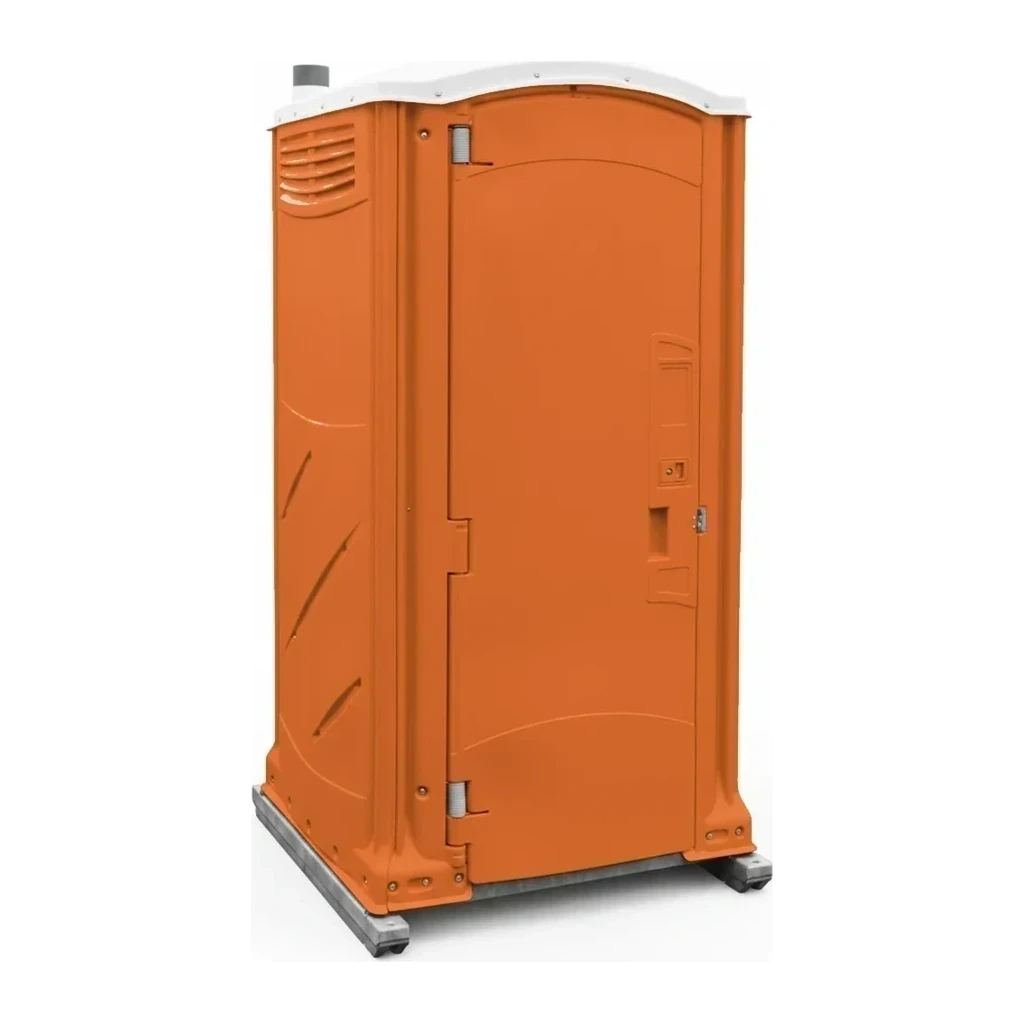
The standard portable toilet operates as a non-flush or minimal-flush chemical toilet system. Waste deposits directly into a holding tank containing chemical treatments that control odors, break down solids, and disinfect contents. Some units incorporate a small freshwater reservoir for basic hand washing or a minimal flush mechanism, while others rely solely on chemical treatment without water flushing. Ventilation occurs through roof vents, often with passive airflow or wind-powered turbine vents to reduce odors and moisture buildup. The waste holding tank requires periodic pumping and servicing by vacuum trucks, with fresh chemical treatment added after each service. The self-contained design allows transport via forklift pockets, crane lifting points, or trailer mounting for positioning at required locations.
Types et variantes
- Standard Non-Flush
- Basic gravity-drop unit with chemical holding tank and no flush mechanism; most common for construction sites
- Freshwater Flush
- Equipped with small freshwater reservoir and foot-pump or battery-powered flush system for improved hygiene
- High-Capacity
- Larger holding tank volume designed for extended service intervals or high-traffic locations
- Handicap Accessible (ADA)
- Wider footprint and interior space with handrails and ramp access to meet accessibility requirements
- Solar-Ventilated
- Incorporates solar-powered ventilation fans to enhance air circulation and odor control
- Cold-Weather
- Insulated construction with heated holding tanks and vents to prevent freezing in winter conditions
Spécifications clés
| Spécification | Plage typique | Signification |
|---|---|---|
| Holding Tank Capacity | Varies by model | Volume of waste storage before servicing required; determines service interval frequency |
| Unit Dimensions | Varies by model | Exterior footprint and height; affects placement options and transport requirements |
| Unit Weight (Empty) | Varies by model | Weight without waste or freshwater; important for handling and transport equipment requirements |
| Door Width | Standard or ADA-compliant | Entry clearance; ADA units require wider access for wheelchair compatibility |
Comment l'industrie le dimensionne
The portable toilet industry does not classify standard units by distinct size tiers, as most non-ADA models share similar dimensional footprints optimized for transport and placement efficiency. Sizing decisions focus on the number of units required per workers or attendees, calculated using industry ratios (commonly 1 unit per 10 workers for 40-hour work weeks, adjusted for gender ratios, shift length, and service frequency). ADA-compliant units represent a distinct dimensional class with larger interior and exterior dimensions to accommodate wheelchair access, typically required at a ratio of 1 ADA unit per 20 standard units or per applicable building codes.
Applications
- Construction sites and infrastructure projects requiring temporary worker sanitation
- Outdoor festivals, concerts, and public gatherings without permanent facilities
- Parks, trails, and recreational areas with seasonal or remote usage patterns
- Emergency and disaster relief providing sanitation during infrastructure restoration
- Residential remodeling projects where indoor plumbing is temporarily unavailable
- Agricultural operations and seasonal work sites such as harvest facilities
Sécurité et opération
- Units must be placed on stable, level ground to prevent tipping; anchoring required in high-wind conditions
- Adequate ventilation and regular servicing required to prevent hazardous gas buildup and maintain safe air quality
- Chemical treatments must be handled according to manufacturer safety data sheets; avoid mixing incompatible products
- Handwashing stations or sanitizer dispensers recommended as standard units often lack hand hygiene facilities
- Clearance zones maintained around units for service vehicle access and safe pump-out operations
Normes et certifications
- OSHA · 29 CFR 1926.51
- Requires toilet facilities at construction sites based on worker count; specifies minimum ratios and sanitation requirements
- ADA/ICC · A117.1/IBC Chapter 11
- Establishes accessibility requirements for wheelchair-accessible units including dimensions, clearances, and hardware
- NSF International · NSF/ANSI 41
- Certification standard for nonliquid saturated treatment systems including portable toilet chemical formulations
Questions fréquentes
What determines how often a standard portable toilet requires servicing?
How are portable toilets transported and positioned on site?
What is the difference between chemical and freshwater flush systems?
What ratio of portable toilets to workers does the industry typically follow?
Équipements connexes
Parcourir par fabricant
Sources
Chaque spécification est vérifiée par rapport aux données publiées par le fabricant, avec la source liée pour référence.
Tous les modèles
39 modèles · Chaque spécification citée à la source