
Ground-Level Office Container
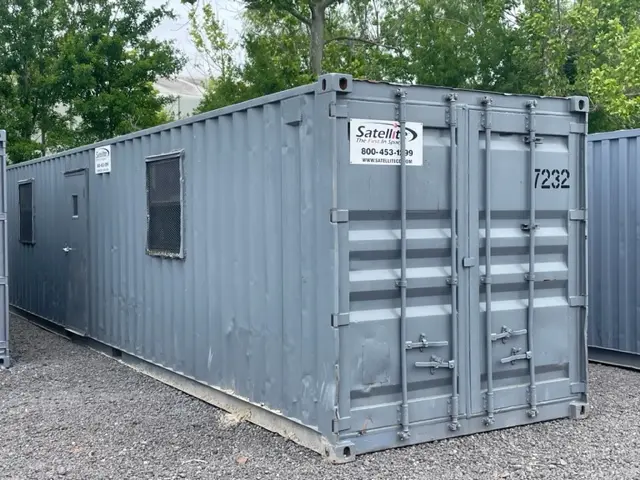
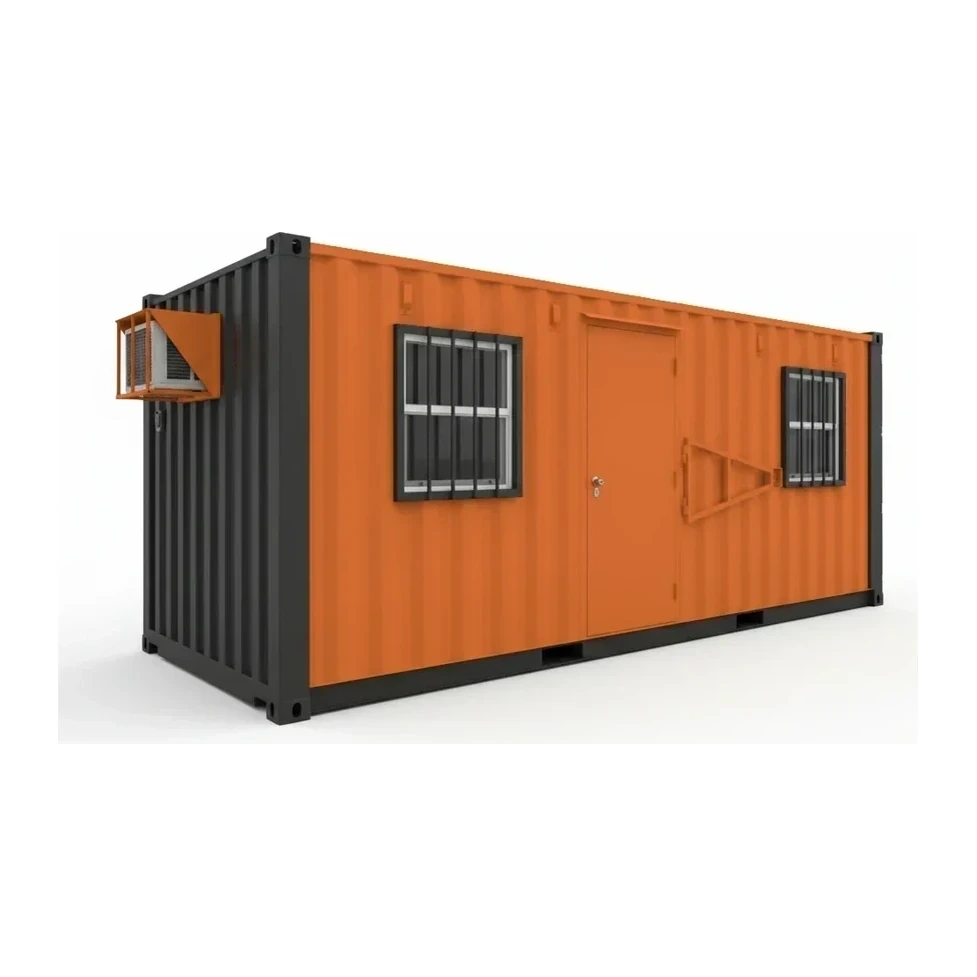
A ground-level office container is a mobile, climate-controlled workspace built into a shipping-container form factor and designed for entry at grade without stairs or ramps. Unlike traditional mobile office trailers, these units sit low to the ground and feature step-in or threshold access, making them suitable for sites with accessibility requirements or permit restrictions on elevated structures. They provide temporary or semi-permanent office space in construction, industrial, and event environments.
Fonctionnement
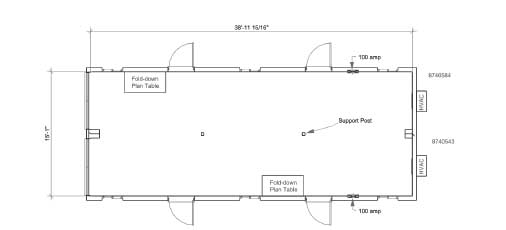
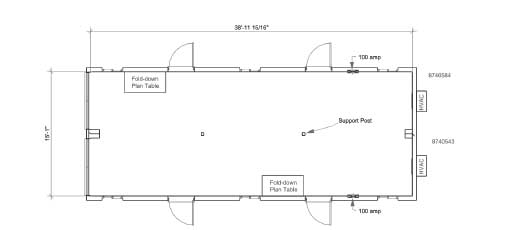
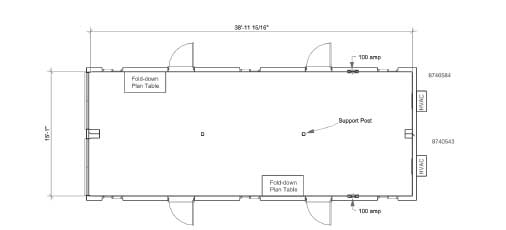
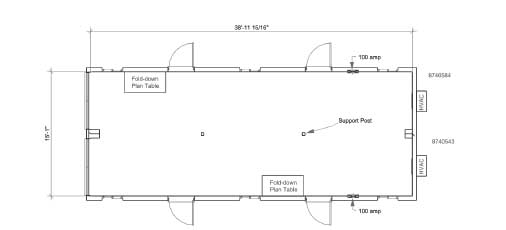
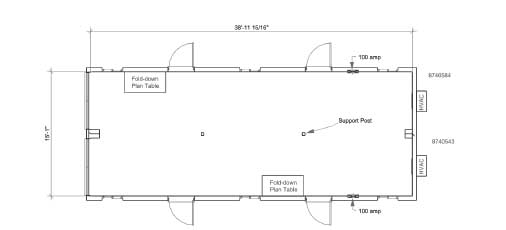
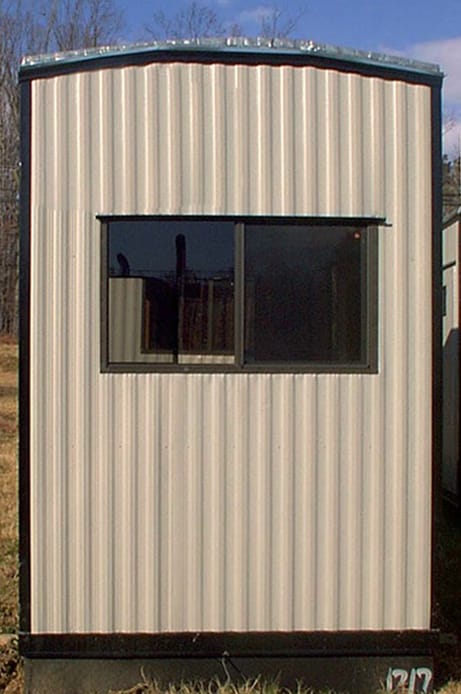
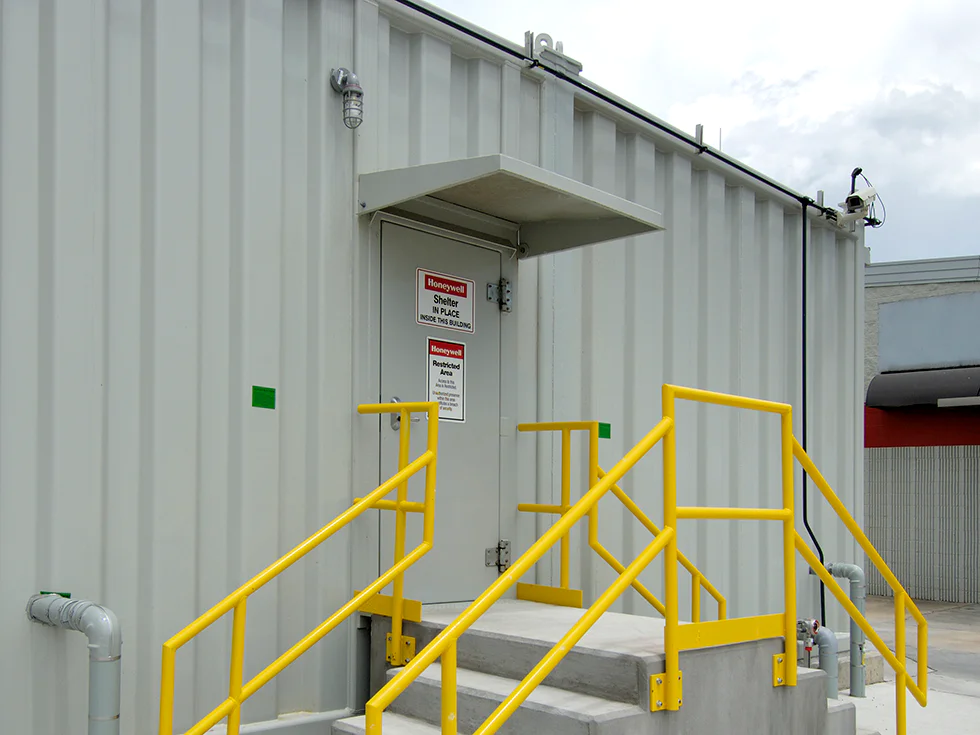
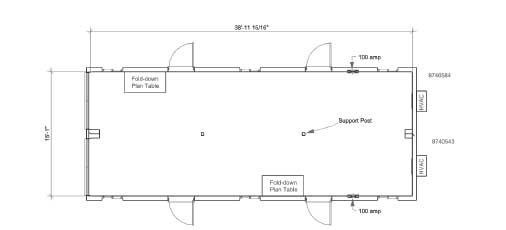
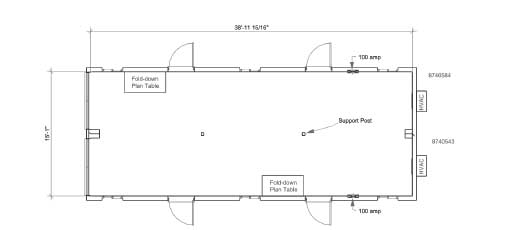
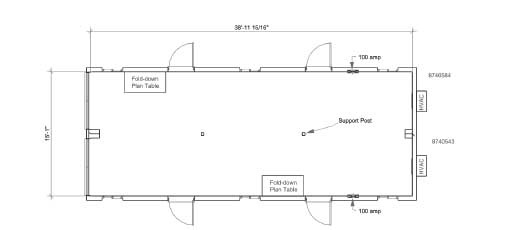
Ground-level office containers are constructed from steel ISO shipping container frames or purpose-built modular enclosures, finished with insulation, interior wall panels, flooring, electrical systems, HVAC units, windows, and entry doors. The container is transported to site via flatbed truck or container chassis, then positioned on level ground, gravel pads, or blocking to ensure drainage and stability. Power is supplied by site electrical hookup or generator connection; HVAC units provide heating and air conditioning. Because the floor height is typically 6-12 inches above grade, entry requires only a single step or small threshold ramp rather than multi-step access. Interior layouts range from single open rooms to partitioned spaces with separate office and storage areas. Units are relocatable and can be stacked or joined in multi-container configurations for larger installations.
Types et variantes
- Single-Room Office Container
- Open-plan workspace with desk area, shelving, and climate control; typically 10-20 ft length for one or two occupants.
- Standard Office Container (20 ft)
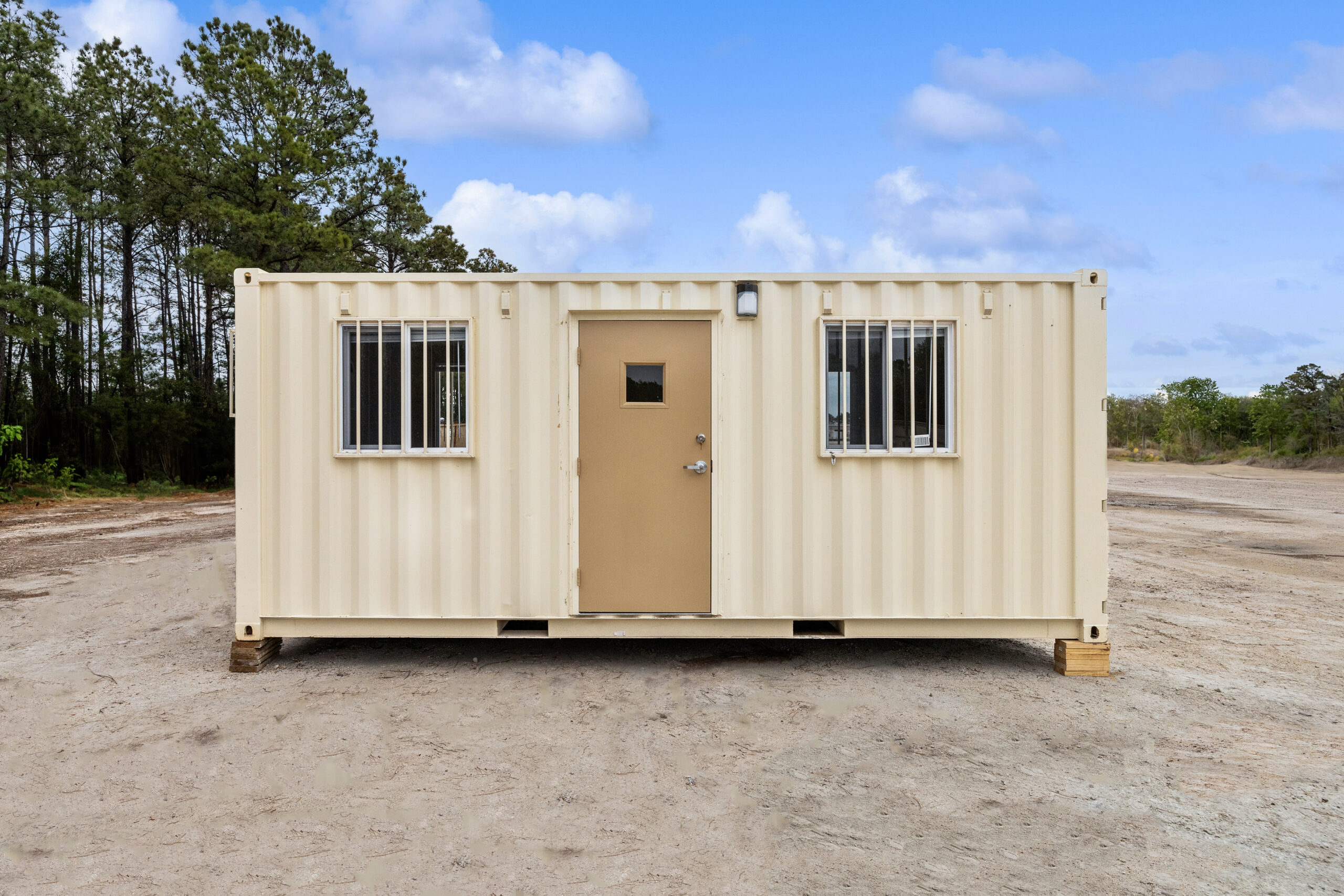
- Most common size, offering 120-160 sq ft of conditioned workspace with windows, door, electrical outlets, and integrated HVAC.
- Dual-Purpose Office/Storage Container
- 40 ft units partitioned into climate-controlled office area and separate lockable storage bay for tools, materials, or records.
- Multi-Room Office Container
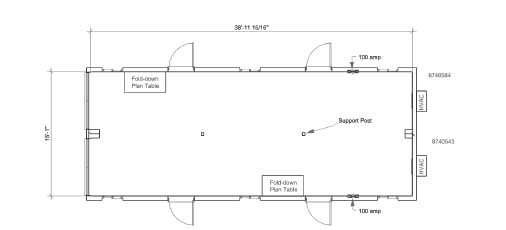
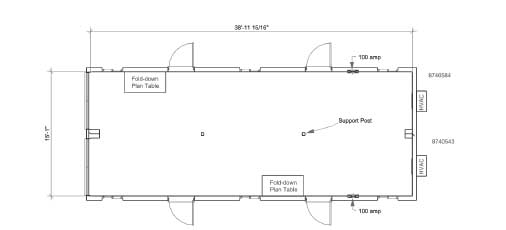
- Larger containers (40-48 ft) with interior partitions creating separate offices, conference space, or reception and work areas.
- ADA-Accessible Office Container
- Designed with compliant threshold ramps, wider doors, accessible restroom facilities, and interior clearances meeting accessibility codes.
Spécifications clés
| Spécification | Plage typique | Signification |
|---|---|---|
| Size | 10-48 ft length; 80-384 sq ft typical | Exterior length determines interior square footage and capacity; most common sizes are 20 ft and 40 ft. |
| Max Height | 8-9.5 ft typical; up to 53 ft in ground truth range | Exterior height including HVAC unit and roof profile; standard container height is 8-9.5 ft; spec range reflects atypical configurations. |
| Load Capacity | 507–2,028 lb (230–920 kg) | Maximum interior payload for furnishings, occupants, and equipment; varies by frame construction and container size. |
| Entry Height | 6-12 inches above grade | Floor-to-ground clearance; low profile enables single-step or threshold ramp access without stairs. |
Comment l'industrie le dimensionne
The industry sizes ground-level office containers by interior square footage, derived from exterior length and width. Standard sizes correspond to ISO container dimensions: 10 ft (≈80 sq ft), 20 ft (≈120-160 sq ft), and 40 ft (≈240-320 sq ft). Some manufacturers offer 48 ft extended models approaching 384 sq ft. Selection is based on occupancy requirements, equipment layout, and site footprint constraints. Units up to 160 sq ft serve single-person field offices; 160-320 sq ft models accommodate multi-person workspaces or combined office/storage; and units above 320 sq ft support partitioned multi-room layouts or integrated facilities.
Applications
- Construction site field offices where accessibility codes or permit conditions prohibit elevated trailers with stairs
- Industrial facilities requiring temporary office space without permanent foundation or ramp infrastructure
- Event and festival management offices needing quick-deploy workspace on grass, gravel, or paved surfaces
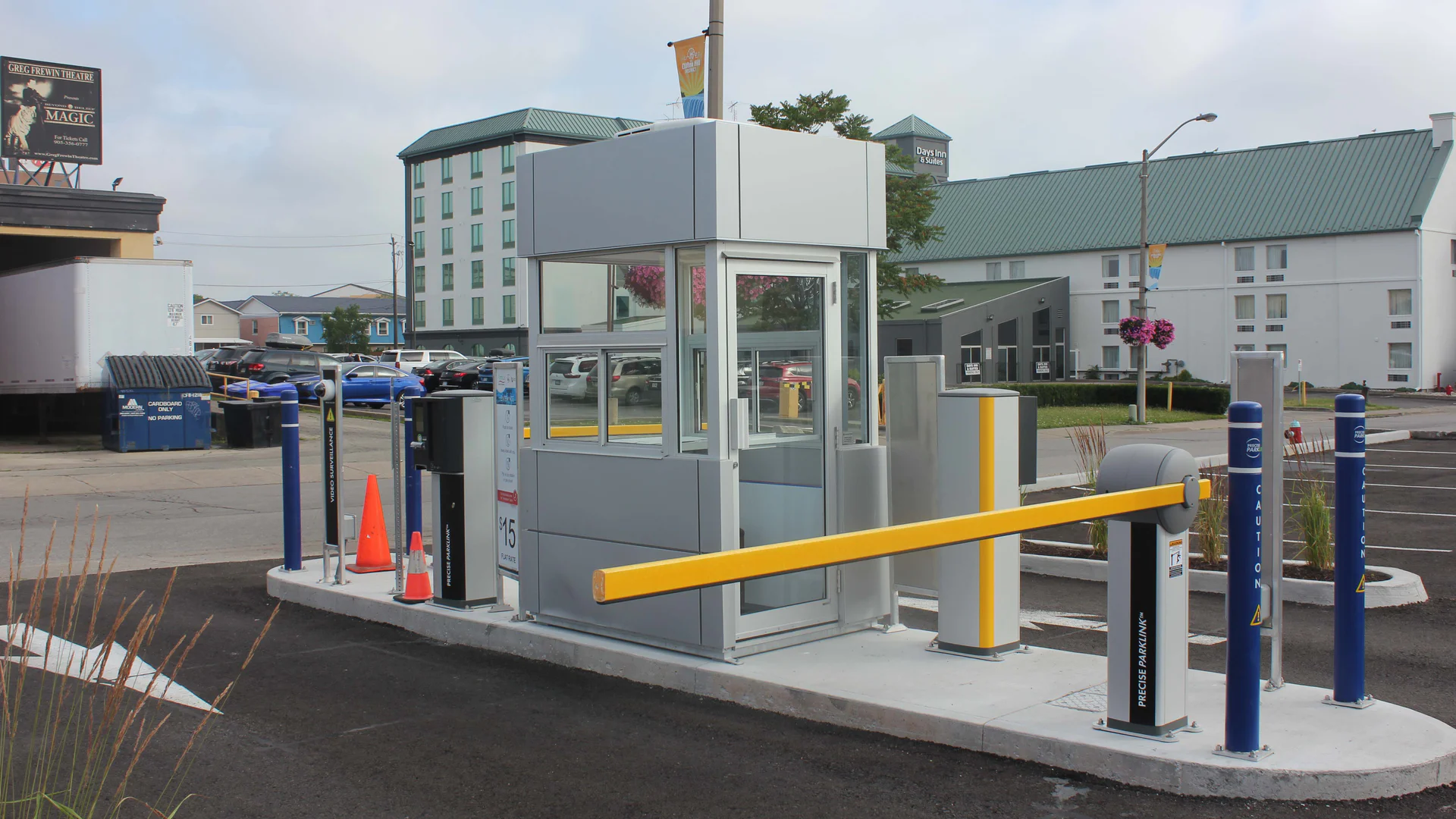
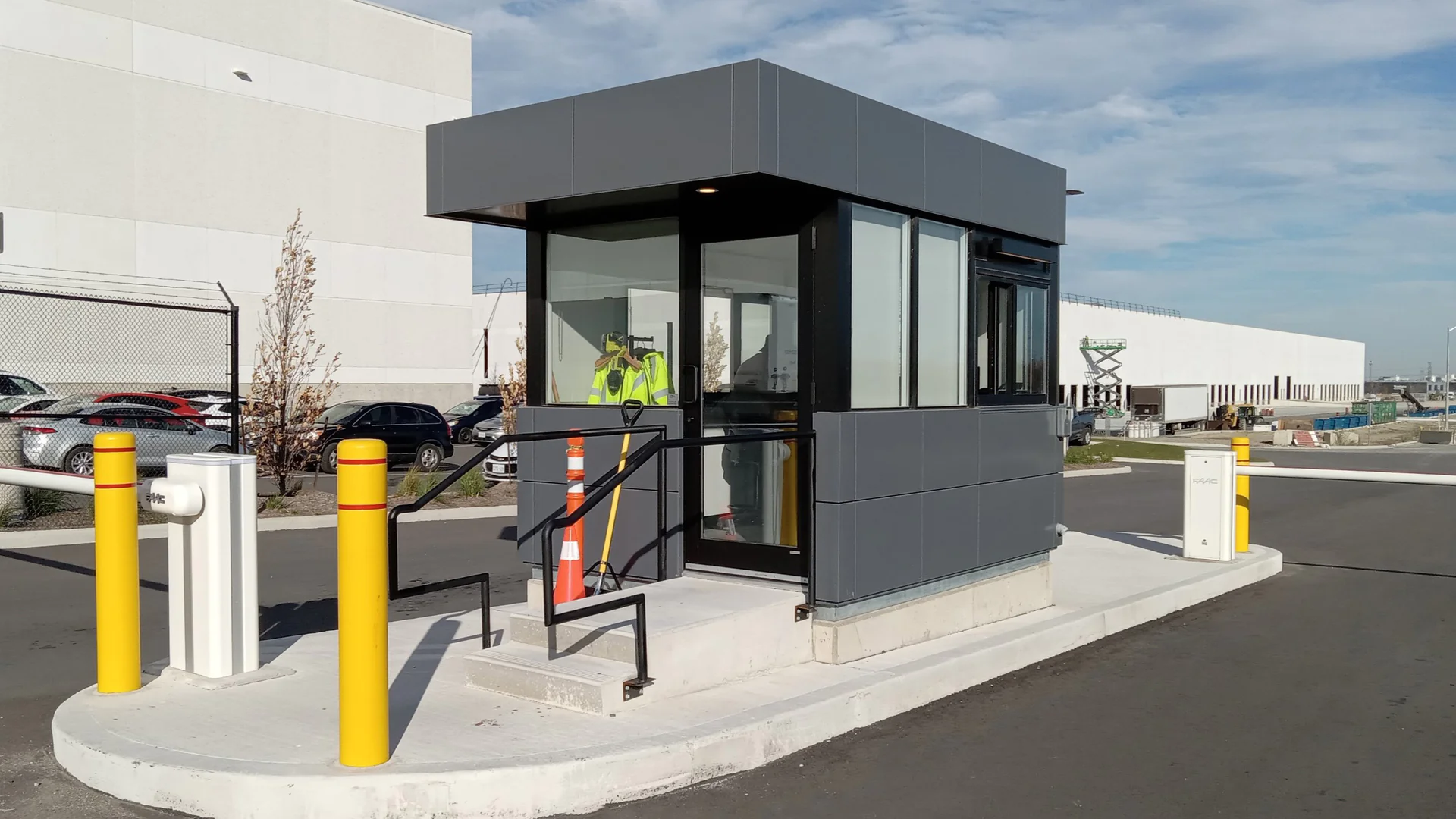
- Security checkpoint stations and gatehouse offices at facility perimeters with grade-level access requirements
- Remote work sites and temporary job installations where mobile office trailers cannot navigate terrain or access routes
- Warehouse and distribution yard offices positioned among storage containers or in loading areas
Sécurité et opération
- Containers must be placed on level, stable surfaces with adequate drainage to prevent settling, tipping, or moisture intrusion
- Electrical connections should be installed by qualified personnel; HVAC units require dedicated circuits and proper grounding
- Entry thresholds and single-step access points present trip hazards; high-visibility marking and threshold ramps improve safety
- Fire extinguishers, smoke detectors, and emergency egress plans are required for occupied office containers under most jurisdictions
- Ventilation and HVAC operation must be verified before occupancy in sealed containers to prevent carbon monoxide or air quality issues
Normes et certifications
- OSHA · 29 CFR 1926.152
- Temporary structures and storage requirements for construction sites, including office containers.
- ISO · ISO 668 / ISO 1496
- Dimensional and structural standards for series 1 freight containers, which many office containers are based upon.
- IBC · International Building Code
- Modular office structures must comply with applicable building, electrical, and accessibility codes in many jurisdictions.
- ADA · Americans with Disabilities Act
- Accessibility standards governing entry, interior clearances, and facilities in office containers used on public and commercial sites.
Questions fréquentes
What distinguishes a ground-level office container from a standard mobile office trailer?
How are ground-level office containers sized in the industry?
Can ground-level office containers be stacked or combined?
What site preparation is required for a ground-level office container?
Équipements connexes
Parcourir par fabricant
Sources
Chaque spécification est vérifiée par rapport aux données publiées par le fabricant, avec la source liée pour référence.
Tous les modèles
58 modèles · Page 1 sur 2 · Chaque spécification citée à la source