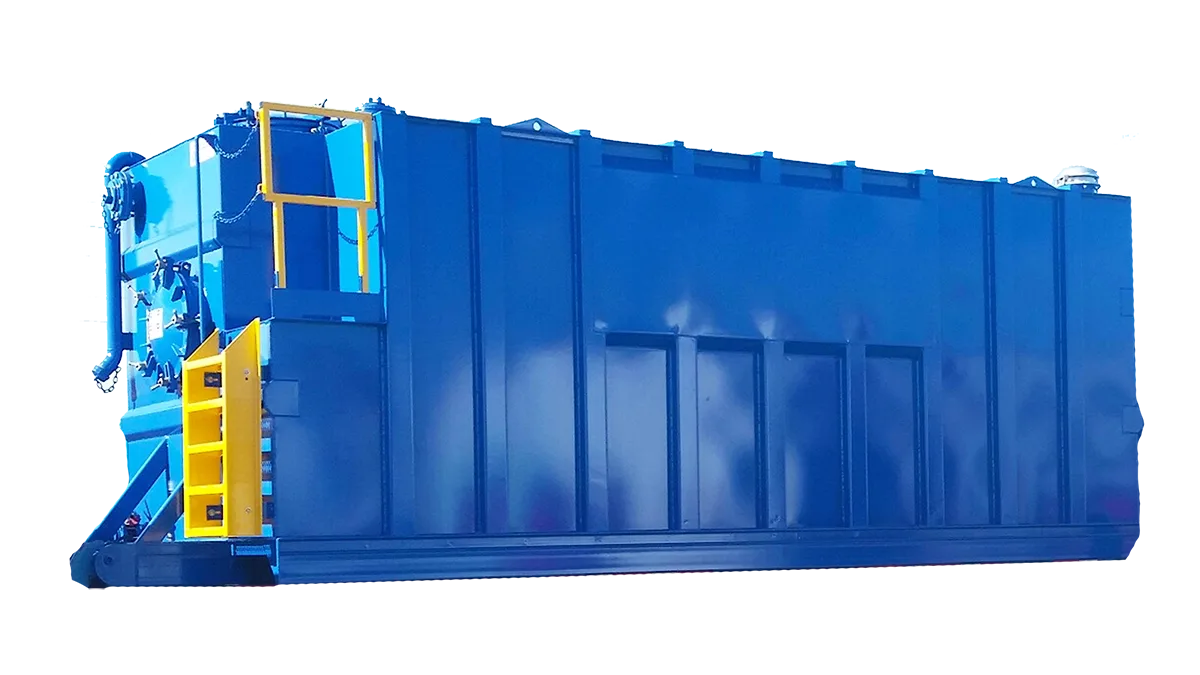

Frac / Steel Storage Tank
Frac tanks, also known as steel storage tanks or baker tanks, are mobile, rectangular steel containments used for temporary liquid storage and transport on industrial and construction sites. Originally developed for hydraulic fracturing operations in the oil and gas industry, these rugged tanks now serve diverse sectors requiring bulk water, wastewater, or process fluid holding. The standard unit holds 21,000 gallons and features a roll-off design for truck-based mobilization.
Fonctionnement
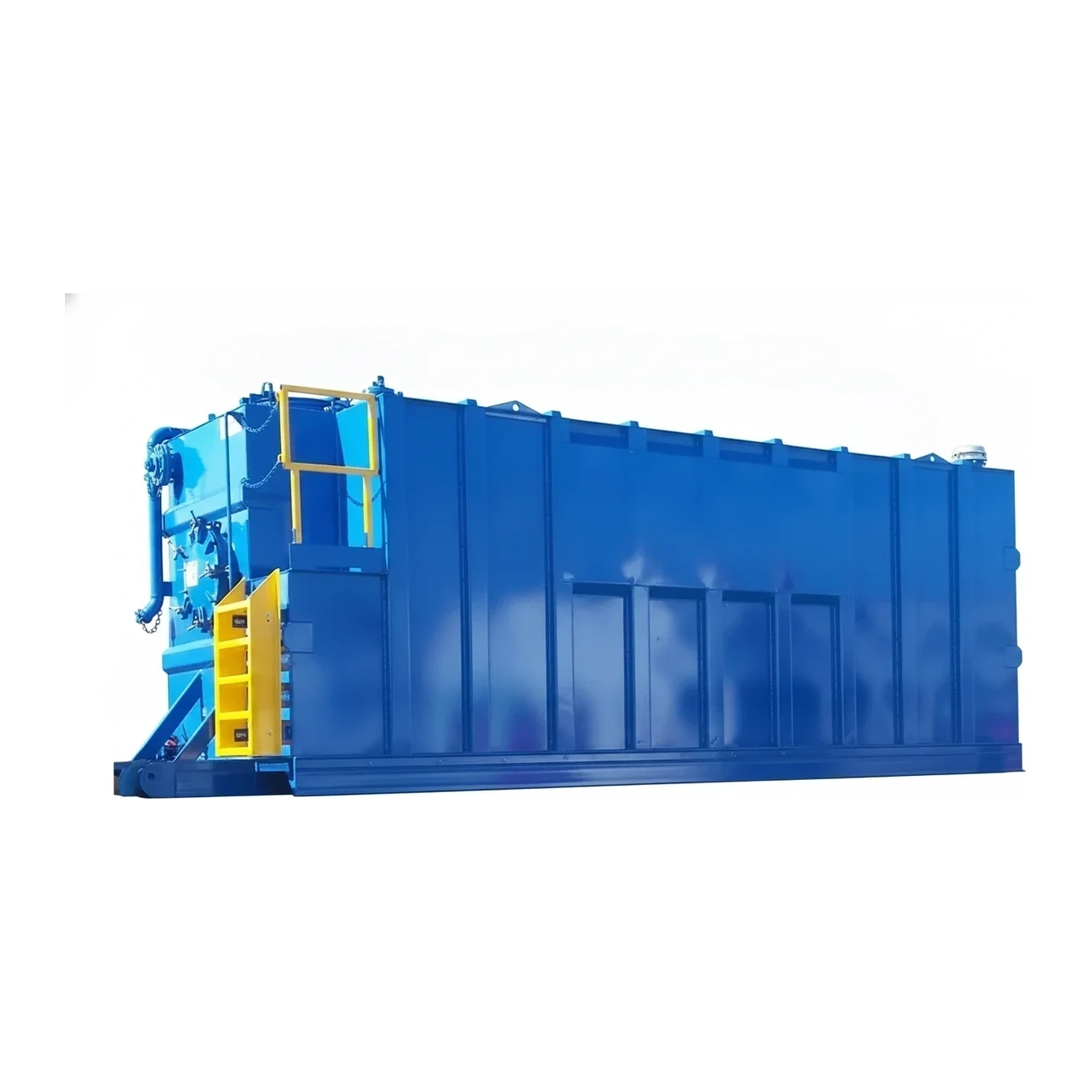
Frac tanks consist of welded steel construction with integrated skids or roll-off frames that enable loading and unloading via specialized trucks. The tanks feature top-mounted manholes or access hatches for filling and inspection, while discharge valves or pump-out connections at the base facilitate fluid removal. Most units include baffles to reduce fluid surge during transport and ladder access for top-side operations. Steel construction provides structural integrity for heavy liquids and allows stacking when empty for efficient transport and storage. The tanks may be configured as open-top for settling and decanting operations or closed-top for process fluids and environmental containment. Many units incorporate level indicators, venting systems, and multiple connection points to accommodate various pumping and transfer setups.
Types et variantes
- Standard Frac Tank (Open Top)
- The industry-standard 21,000 gallon open-top unit with roll-off capability, widely used for dewatering and hydrotesting where atmospheric exposure is acceptable.
- Closed Top / Process Tank
- Fully enclosed steel tanks with sealed top access, designed for process fluids, volatile liquids, or applications requiring environmental containment and vapor control.
- Roll-Off Tank
- Tanks specifically designed with roll-off frames compatible with standard hook-lift truck systems for rapid deployment and repositioning on multi-site projects.
- Compact Mobile Tank
- Smaller capacity units under 10,000 gallons offering greater maneuverability and access to confined jobsites where full-size frac tanks cannot operate.
- Multi-Tank / Manifold System
- Multiple steel tanks interconnected to create expanded storage capacity for large-scale remediation, pipeline commissioning, or industrial shutdown projects.
Spécifications clés
| Spécification | Plage typique | Signification |
|---|---|---|
| Capacity | 21,000 gal (standard) | Standard industry size balances transportability with maximum single-truck payload; smaller and larger capacities available for specific applications. |
| Construction Material | Welded carbon steel | Steel construction provides durability, stacking capability, and containment integrity for a wide range of liquids and site conditions. |
| Dimensions (Standard) | ~8' H × 8' W × 24' L | Sized for legal road transport and compatibility with standard roll-off and flatbed truck systems. |
| Discharge Connection | 2" to 4" valve | Bottom-mounted valve or fitting size determines pump-out flow rate and hose compatibility for fluid transfer operations. |
| Frame Type | Integrated skid or roll-off | Frame design dictates mobilization method and site placement options, from crane-lifted skids to self-loading roll-off systems. |
Comment l'industrie le dimensionne
The rental industry sizes frac tanks and steel storage tanks by liquid capacity in gallons, with 21,000 gallons representing the dominant standard unit across North America. This capacity reflects the maximum payload transportable by a single truck within typical weight limits. Smaller tanks ranging from 4,000 to 10,000 gallons serve applications requiring compact footprints or tight site access, while oversized installations combine multiple 21,000-gallon units or deploy custom tanks exceeding 30,000 gallons for pipeline testing, large-scale remediation, and industrial process support. Capacity selection balances storage requirements against site accessibility, mobilization costs, and the frequency of pump-out or refill operations.
Applications
- Hydrostatic testing of pipelines, pressure vessels, and industrial systems requiring large water volumes
- Construction site dewatering and sediment settling for excavation, utility work, and groundwater control
- Temporary process fluid storage during plant shutdowns, turnarounds, and equipment maintenance
- Environmental remediation and containment of contaminated groundwater, leachate, or industrial effluent
- Hydraulic fracturing and oilfield operations requiring frac fluid staging, flowback containment, and produced water holding
- Municipal and industrial water supply during emergency response, disaster relief, or infrastructure outages
Sécurité et opération
- Confirm tank structural integrity, valve operation, and absence of corrosion or damage before filling to prevent catastrophic failure or environmental release
- Place tanks on level, compacted surfaces with adequate load-bearing capacity to prevent settling, tipping, or structural stress when filled
- Use appropriate fall protection and ladder safety when accessing top-mounted hatches or performing operations at height on tank surfaces
- Ensure proper venting on closed-top tanks to prevent vacuum formation during pump-out or pressure buildup during filling
- Establish secondary containment or spill prevention measures when storing hazardous, petroleum-based, or regulated substances per environmental regulations
Normes et certifications
- OSHA · 29 CFR 1926 Subpart P
- Excavation and trenching standards apply when tanks are used for dewatering operations adjacent to trenches and excavations.
- EPA · 40 CFR 112 (SPCC)
- Spill Prevention, Control, and Countermeasure rules govern secondary containment and spill response for tanks holding petroleum products.
- DOT · 49 CFR 393
- Federal Motor Carrier Safety Regulations apply to securing and transporting frac tanks on public roadways via truck.
- API · API 650 / 12F
- American Petroleum Institute standards for welded steel tanks provide design and fabrication guidance, though many field tanks are built to proprietary specs.
Questions fréquentes
What is the difference between a frac tank and a baker tank?
How does capacity sizing relate to truck transport limits?
Can frac tanks hold chemicals or petroleum products?
What mobilization equipment is required for frac tank placement?
Équipements connexes
Parcourir par fabricant
Sources
Chaque spécification est vérifiée par rapport aux données publiées par le fabricant, avec la source liée pour référence.
Tous les modèles
9 modèles · Chaque spécification citée à la source