Air Nailer / Stapler
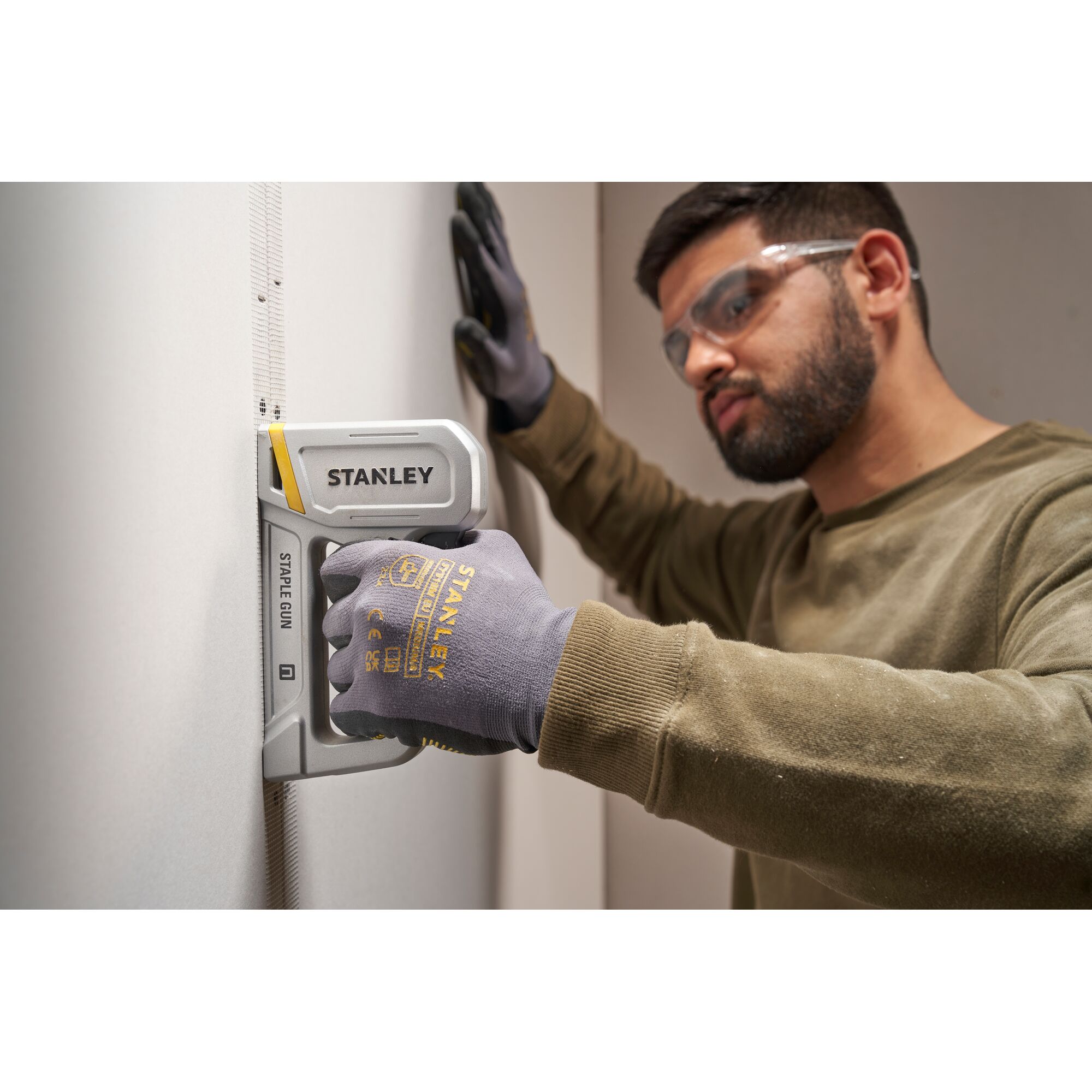
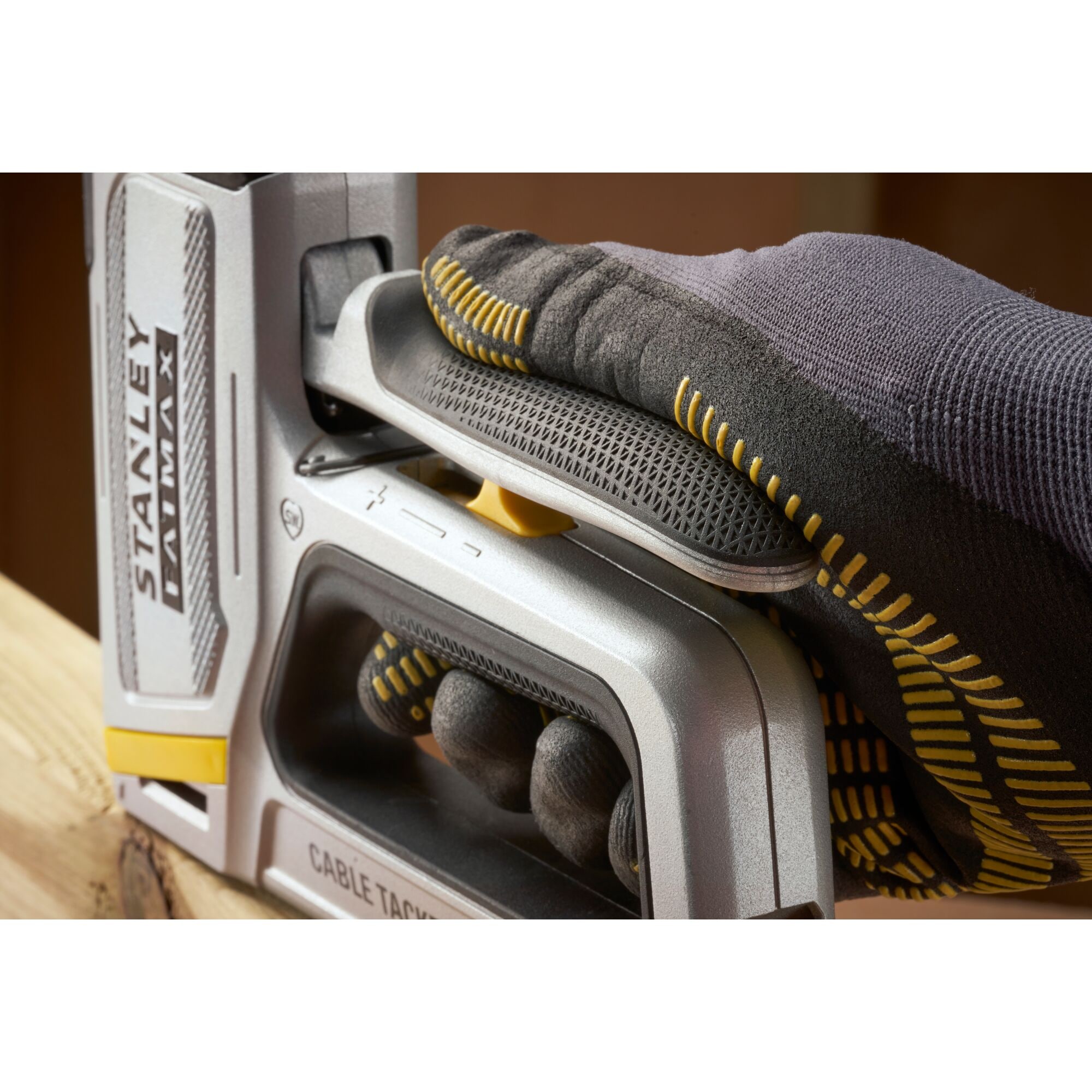
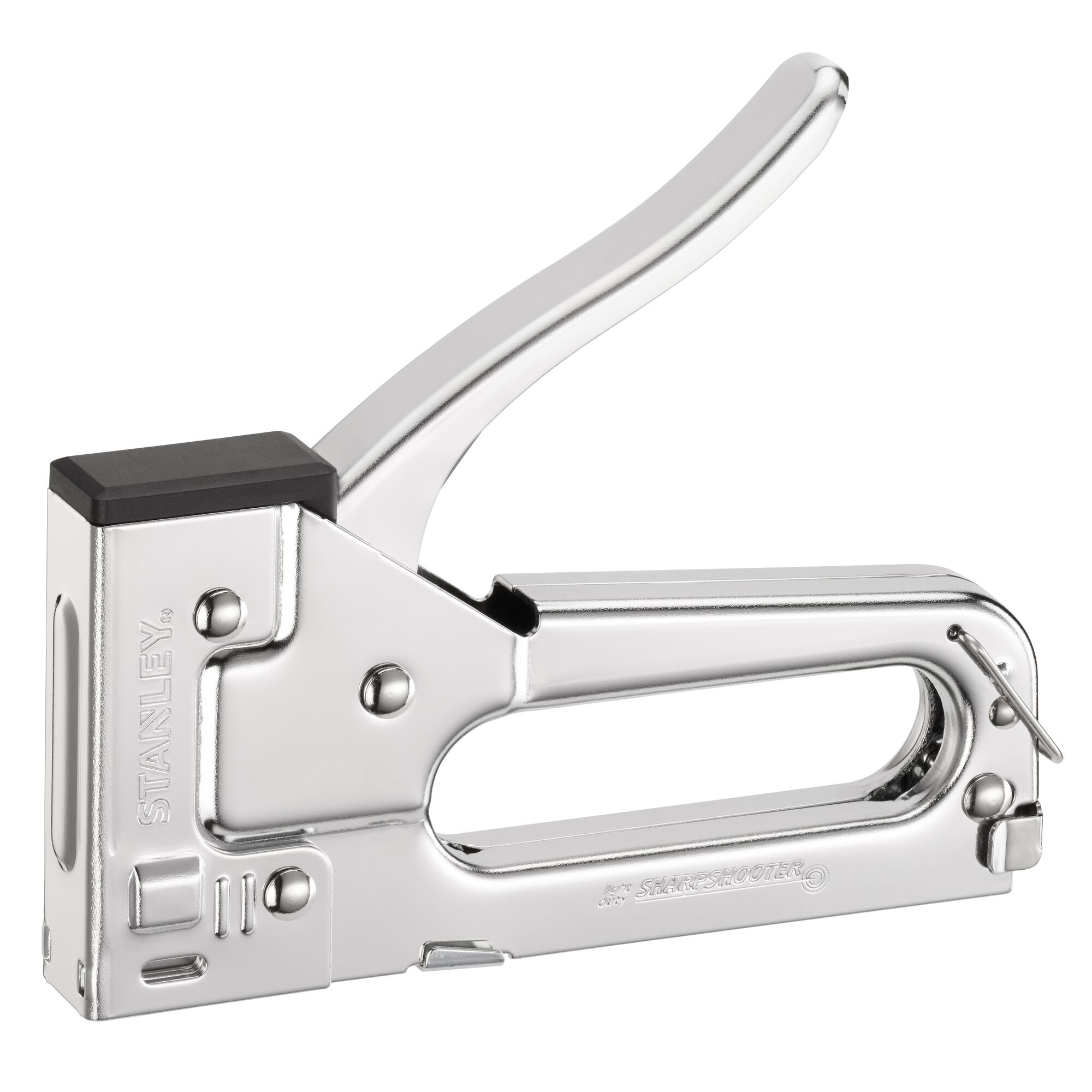
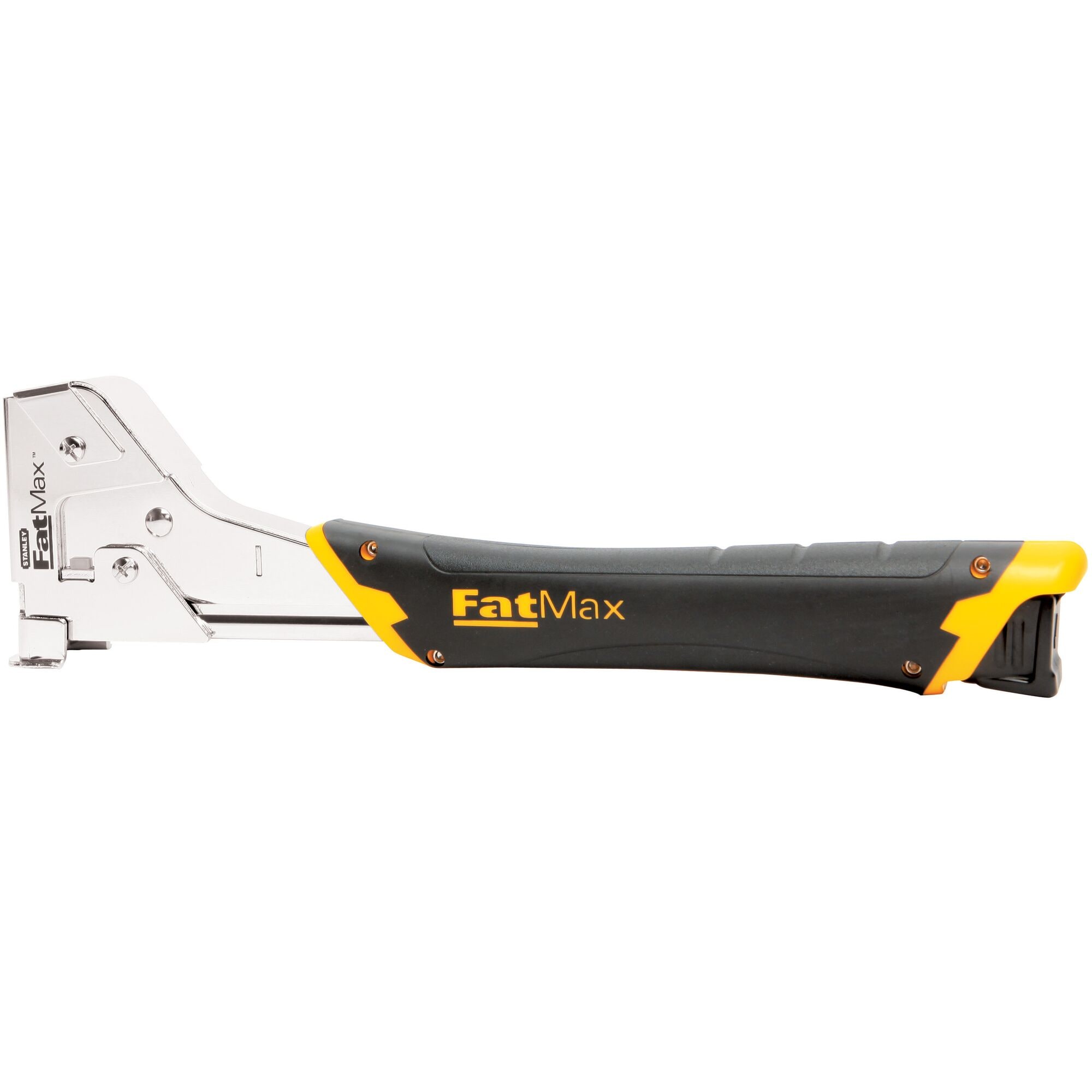
An air nailer or stapler drives nails or staples into wood and sheet materials using compressed air instead of manual force, delivering speed and consistency that hand nailing cannot match. The class covers framing, roofing, finish and stapling tools. Listed models operate at 85-105 psi, weigh 1.6-8.4 lb bare, and carry magazine angles from 0 to 34 degrees.
How it works
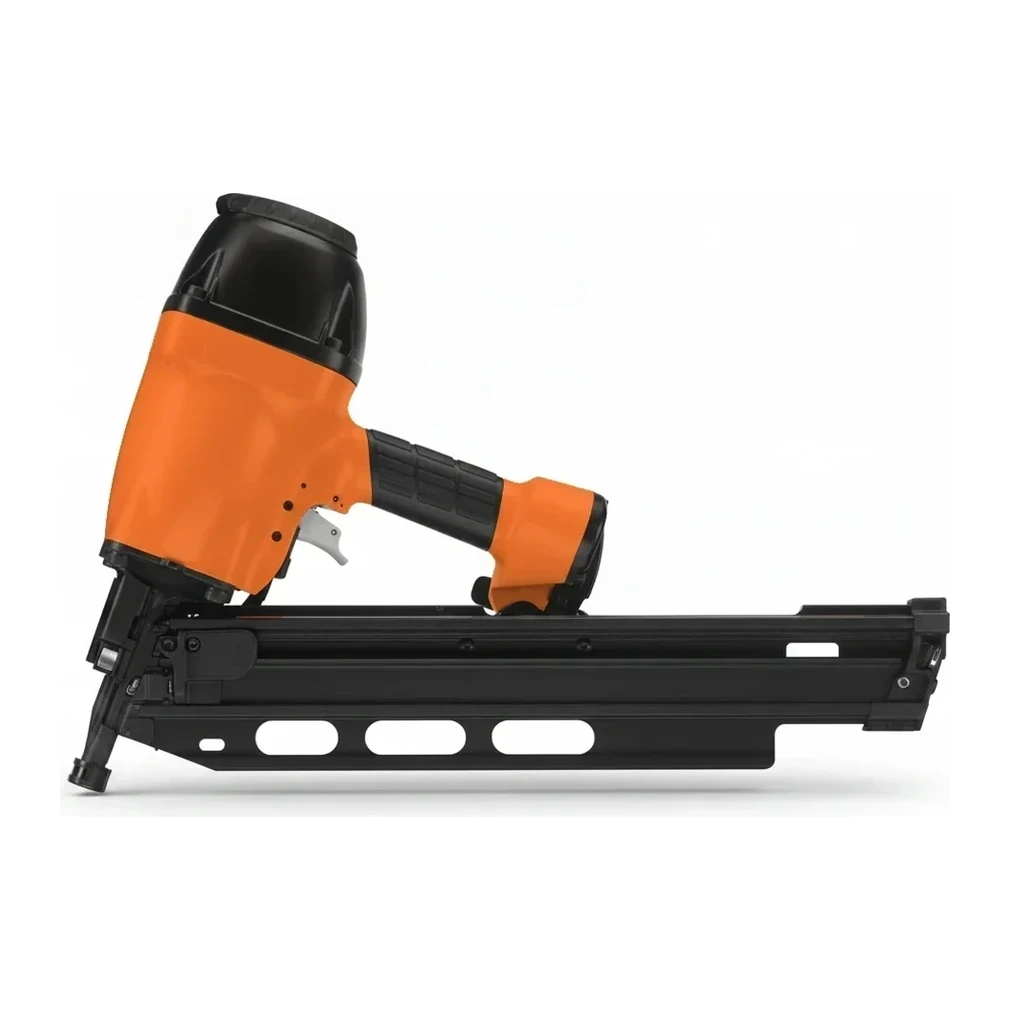
Pulling the trigger releases compressed air against a piston, which drives a blade down the nosepiece and sets the fastener in one stroke; the piston returns and the magazine feeds the next fastener. Operating pressure across listed models is 85-105 psi, and depth of drive is tuned by adjusting pressure and the tool's depth setting. Actuation mode matters: sequential-trip tools require the nose to be pressed and the trigger pulled in order for each fastener, while contact-trip (bump-fire) tools fire whenever nose and trigger are both actuated, trading control for speed. Magazine angle, 0 to 34 degrees across listed models, sets how the tool reaches into corners and tight framing bays.
Types & variants
- Framing nailers
- Full-size structural nailers for walls, floors and sheathing; angled magazines up to the listed 34 degrees reach into framing bays.
- Coil and roofing nailers
- Coil-fed tools with high fastener capacity for shingles, sheathing and repetitive fastening.
- Finish and brad nailers
- Light tools at the low end of the listed 1.6-8.4 lb weight range, driving fine fasteners for trim and casework.
- Crown staplers
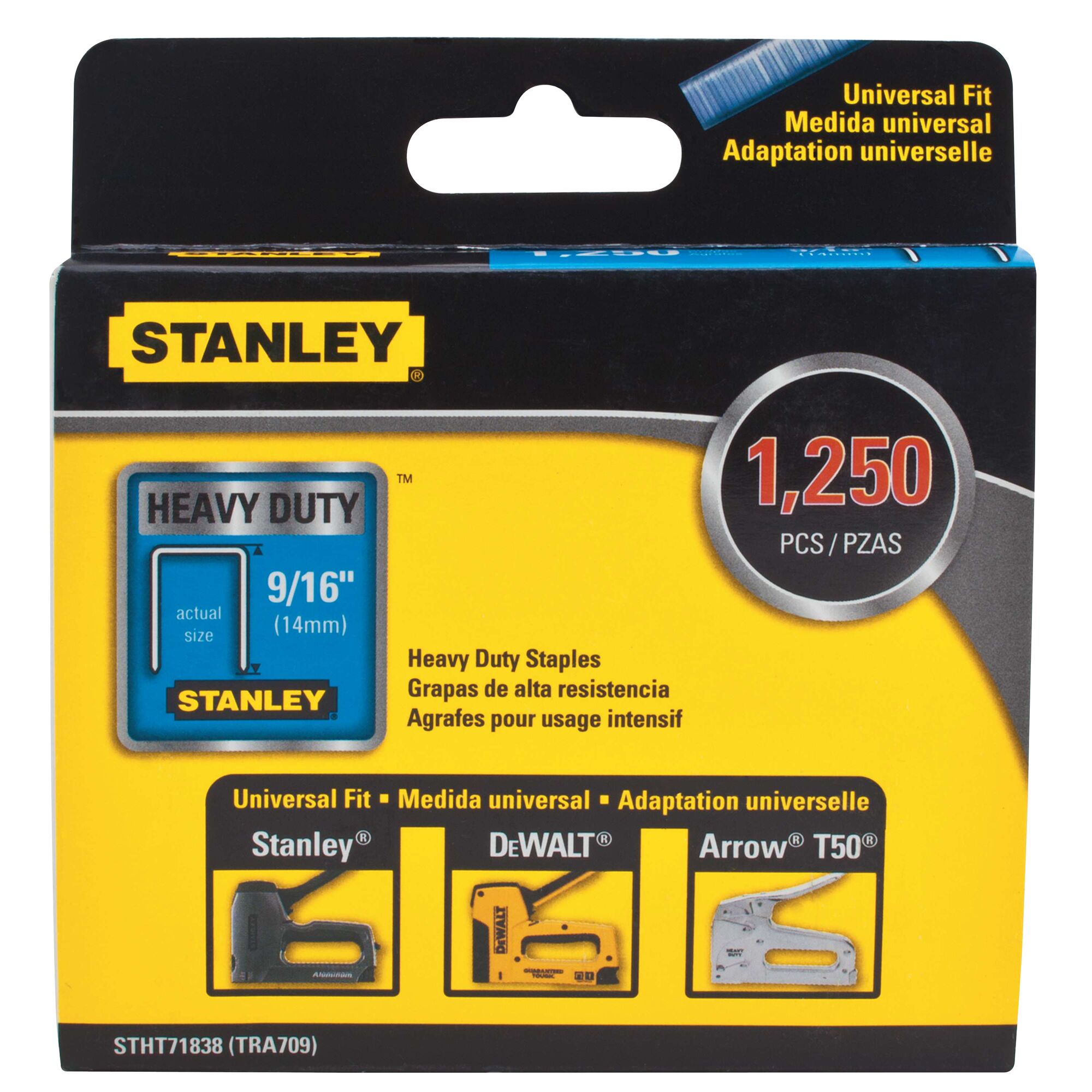
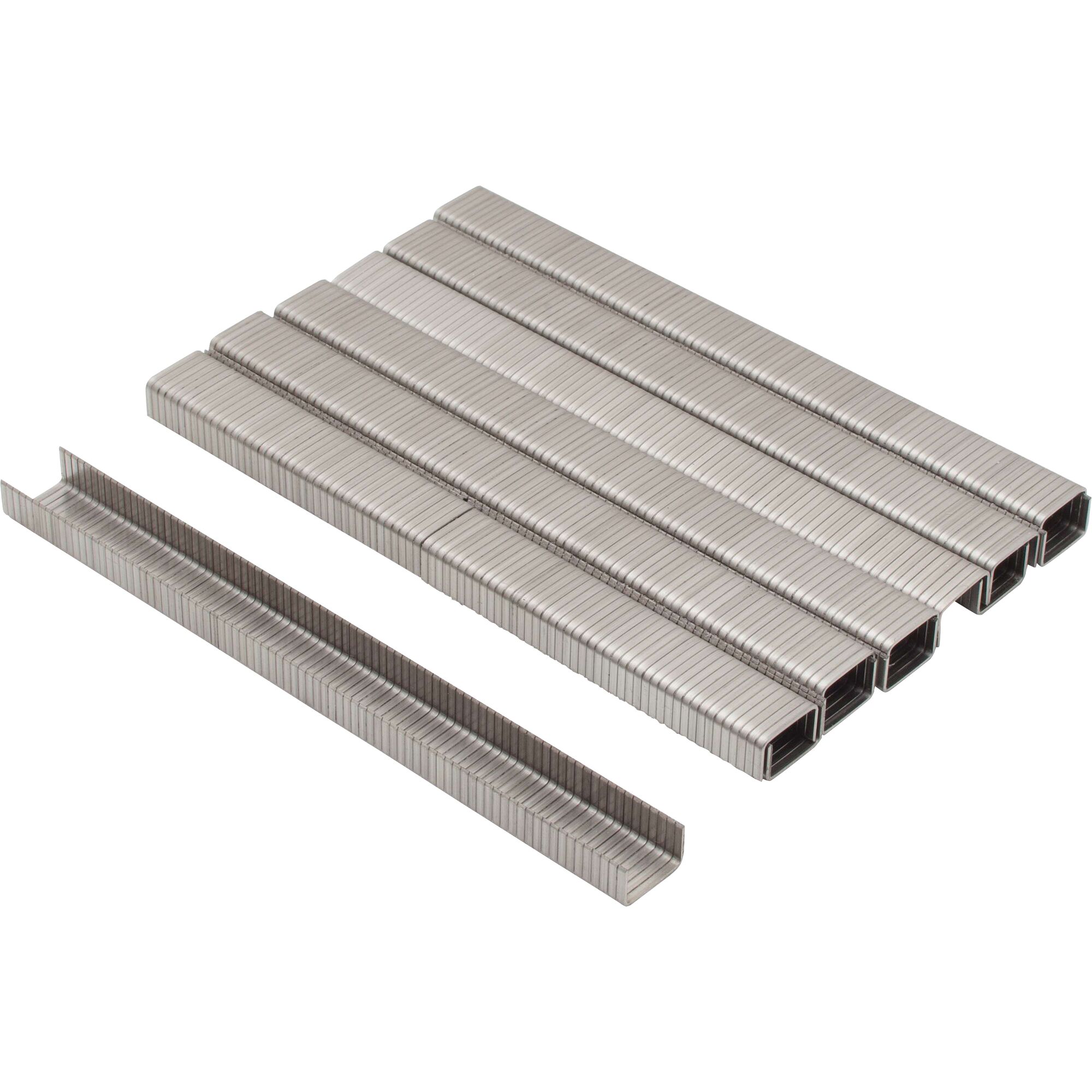
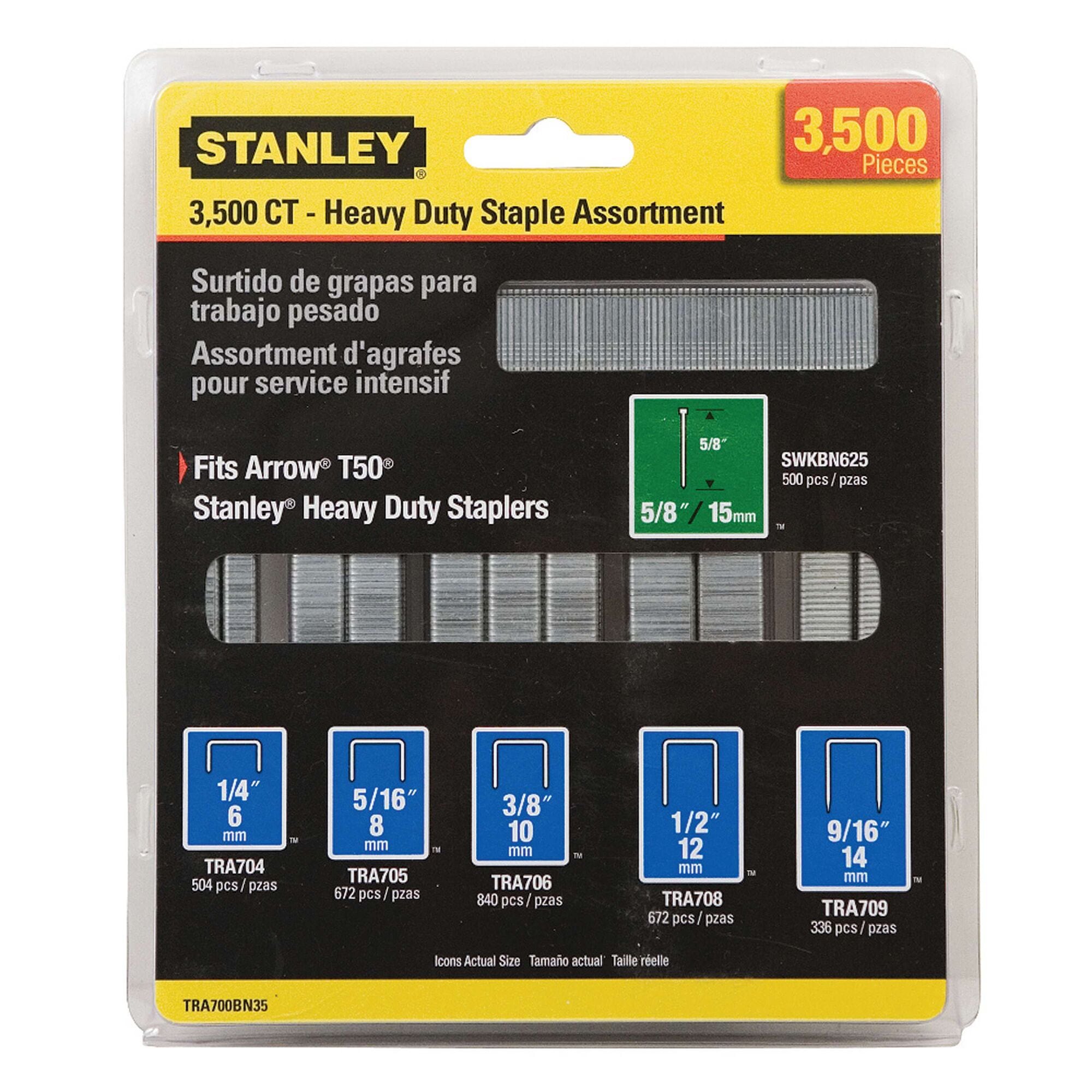
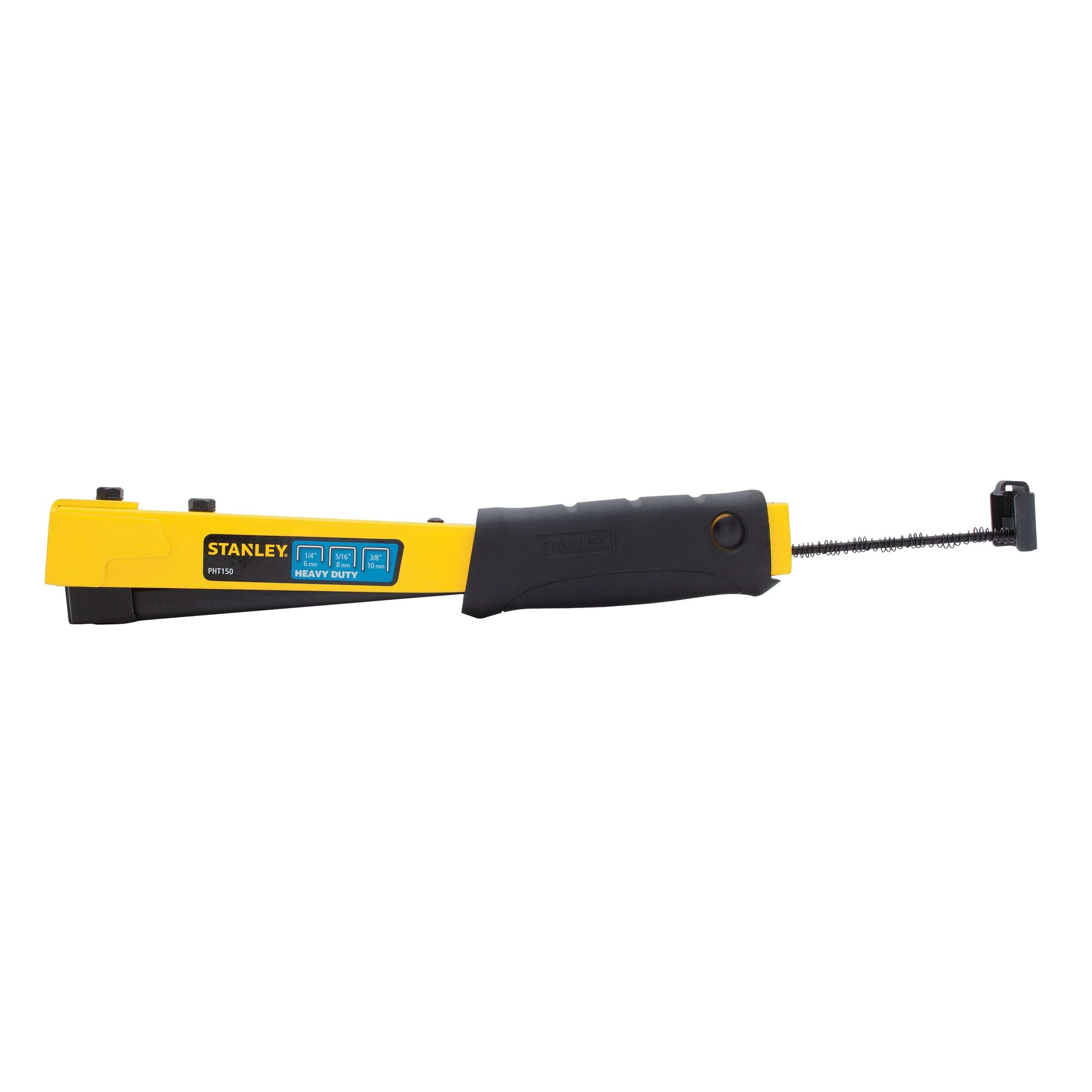
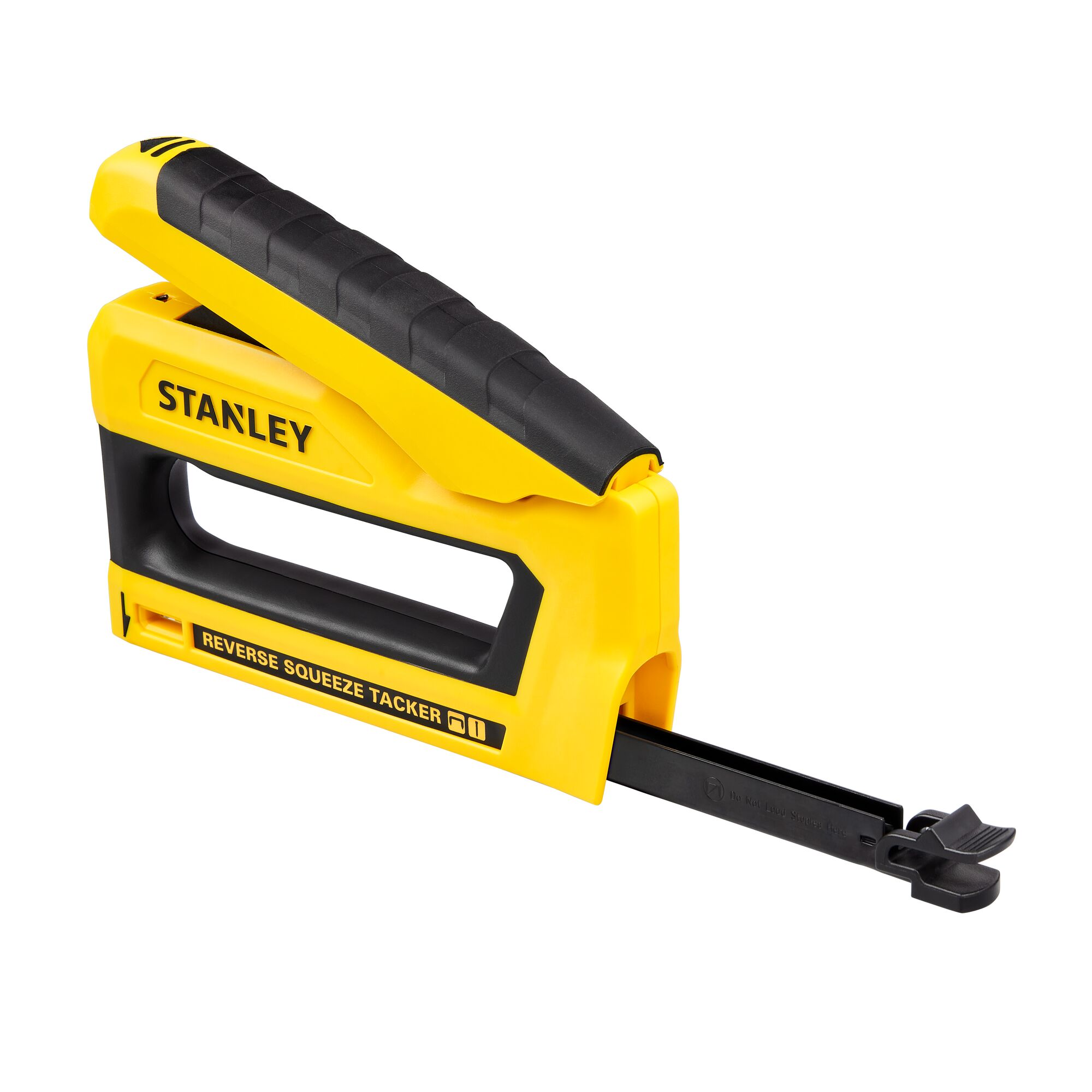
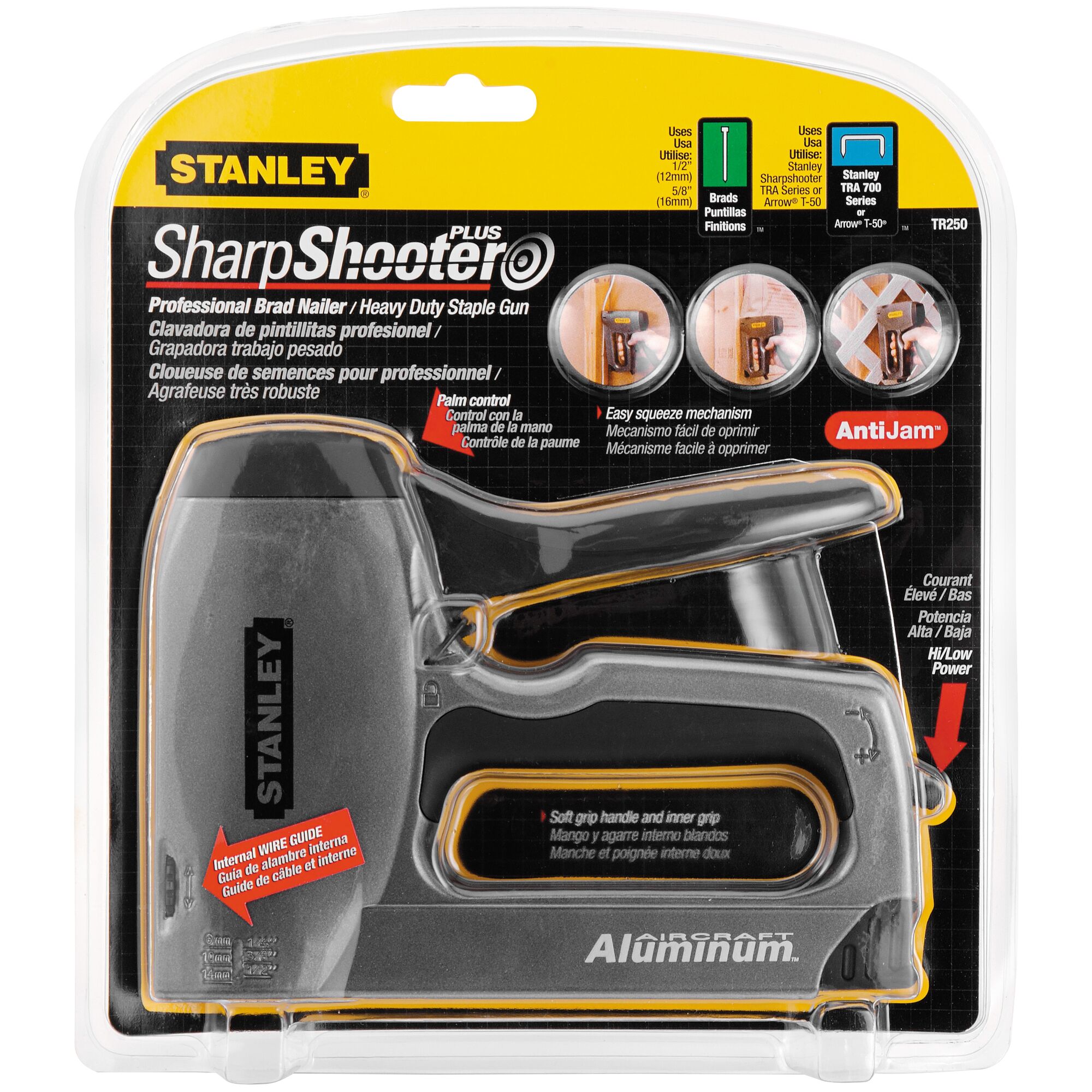
- Drive staples rather than nails for sheathing, underlayment, upholstery and fencing work.
- Specialty flooring and fencing tools
- Purpose-shaped drivers for tongue-and-groove flooring and agricultural fencing.
Key specifications
| Specification | Typical range | What it means |
|---|---|---|
| Operating pressure | 85-105 psi across listed models | The supply band the tool is designed for; pressure plus the depth setting controls how deep fasteners set. |
| Tool weight | 1.6-8.4 lb bare tool; 5.51-14.88 lb assembled | Light tools cut fatigue on overhead and repetitive work; heavier tools absorb recoil on continuous framing. |
| Magazine angle | 0-34 degrees across listed models | Steeper magazines let the nose reach into corners and tight framing bays; flat magazines suit open work. |
How the industry sizes it
Nailers and staplers are sized by the fastener they drive, structural framing nails, coil roofing nails, finish and brad fasteners, or staples, since the fastener defines the job. Within a fastener class, tool weight guides selection: listed bare weights run 1.6-8.4 lb, with light tools favored for overhead and repetitive work and heavier tools for continuous framing and decking. Magazine angle, 0-34 degrees across listed models, and body dimensions decide how the tool fits confined bays.
Applications
- Framing walls and floor systems
- Roofing and shingle installation
- Trim and finish carpentry
- Deck board and fascia installation
- Subfloor and sheathing fastening
- Upholstery and general stapling work
Safety & operation
- Sequential-trip actuation is the safer mode; contact-trip (bump-fire) tools are a documented source of unintended-discharge injuries.
- Hands and bodies stay clear of the fastener's exit line, including the far side of thin material where nails blow through.
- The air supply is disconnected before clearing jams or servicing the magazine.
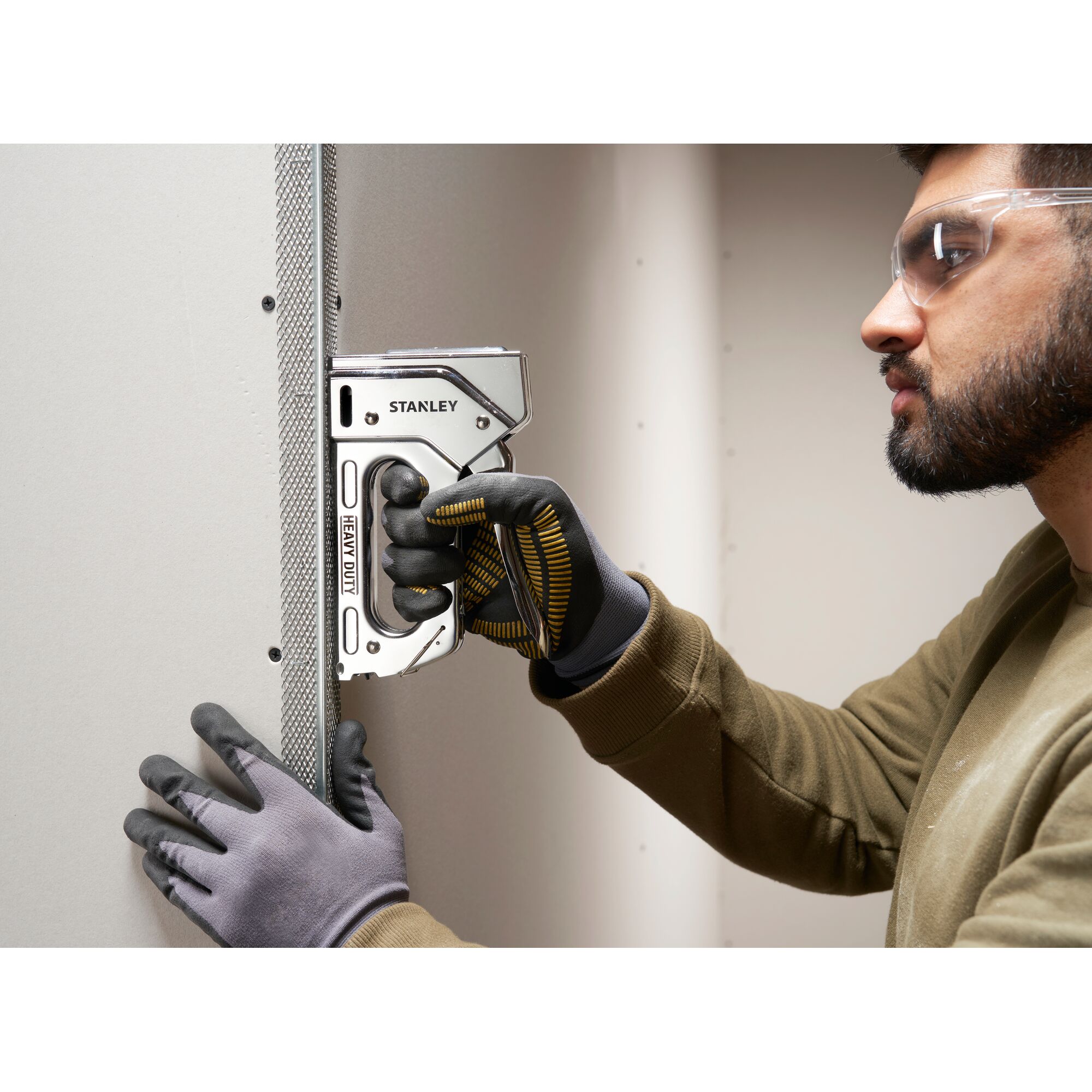
- Eye protection is mandatory: fastener ricochet and collation debris are routine, not exceptional.
- Supply pressure stays inside the tool's listed 85-105 psi band; overpressure drives fasteners through material and overstresses the tool.
Standards & certifications
- ANSI · ANSI SNT-101
- The American National Standard for portable compressed-air fastener driving tools, covering actuation systems and safe operation.
- OSHA · 29 CFR 1926.302(b)
- Pneumatic tool requirements on construction sites, including hose security and safe operating pressure.
Frequently asked
What operating pressure do these tools use?
What does magazine angle change?
What is the difference between sequential and contact actuation?
How heavy are these tools in use?
Compare popular models
Find by spec →Normalised to the same units. A dash means the figure was not published.
| Model | Free air delivery | Max pressure | Engine power |
|---|---|---|---|
| Dewalt DCN890P2 | - | - | - |
| Dewalt DCN891B | - | - | - |
Related equipment
Browse by manufacturer
Sources
Every specification is verified against the manufacturer's published data, with the source linked for reference.
All models
91 models · Page 2 of 2 · Every spec cited to source