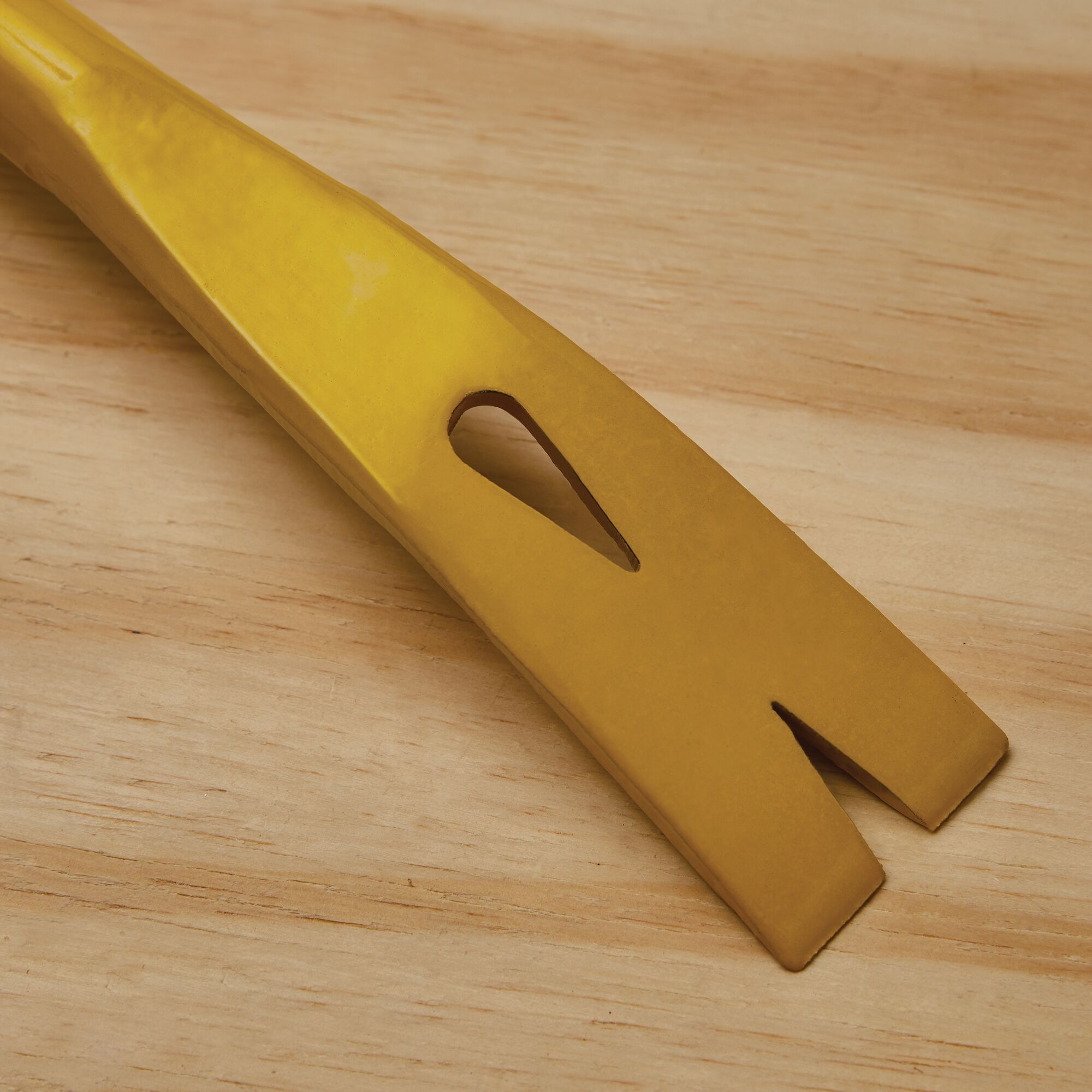

Pry Bar / Digging Bar
Pry bars and digging bars are simple lever-based hand tools designed to provide mechanical advantage for prying, lifting, demolition, and soil penetration tasks. The class encompasses a variety of bar configurations including crowbars, wrecking bars, pinch bars, and digging bars (San Angelo bars), all utilizing leverage to accomplish tasks beyond manual strength. These tools are fundamental to demolition, construction, and excavation work where controlled force application is required.
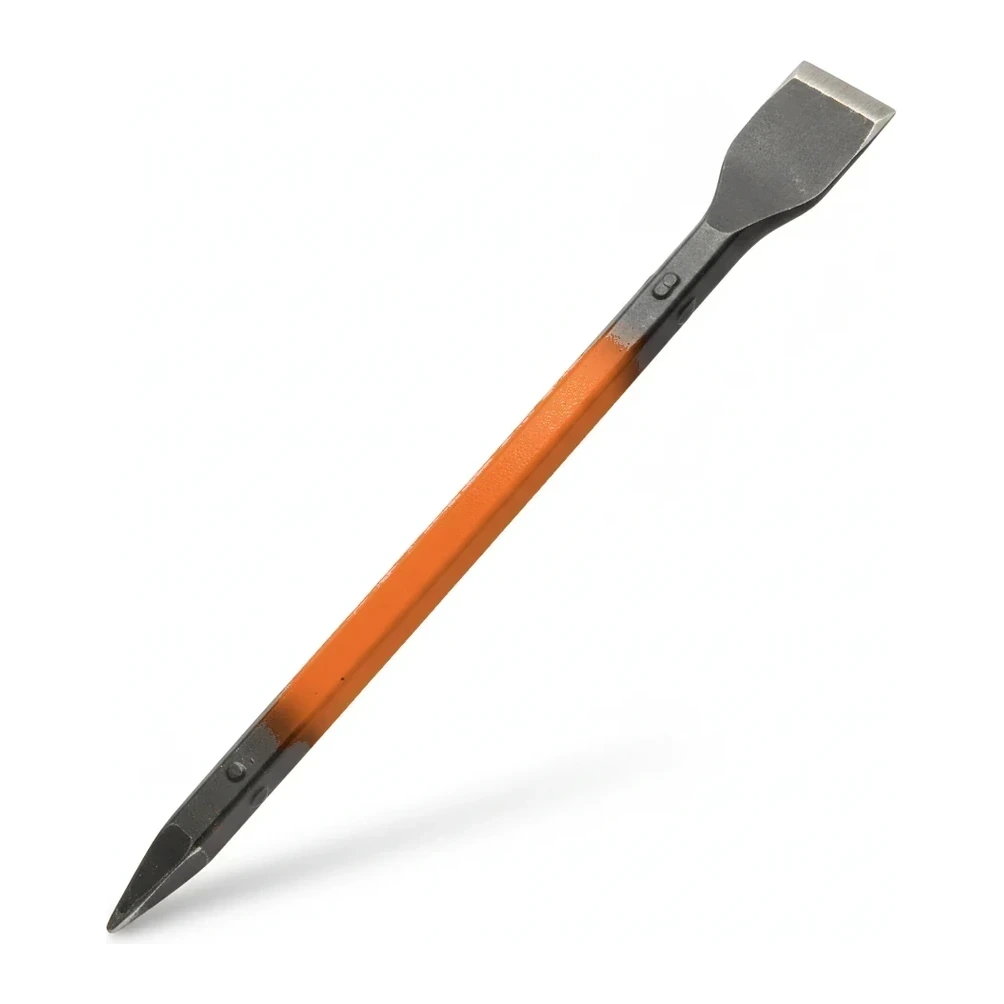
How it works
The tool operates on the principle of the lever, with a fulcrum point allowing the operator to multiply applied force. One end of the bar is positioned under or against the object to be moved, while force is applied to the opposite end. The length of the bar determines mechanical advantage: longer bars provide greater leverage but require more working space. Most designs feature a curved or angled profile with flattened, beveled, or pointed ends. Curved pry bars (crowbars) use the curve itself as a fulcrum point, while straight digging bars rely on ground contact or inserted position. Claw ends facilitate nail extraction and gripping, while chisel or wedge ends enable penetration into joints, soil, or between materials.
Types & variants
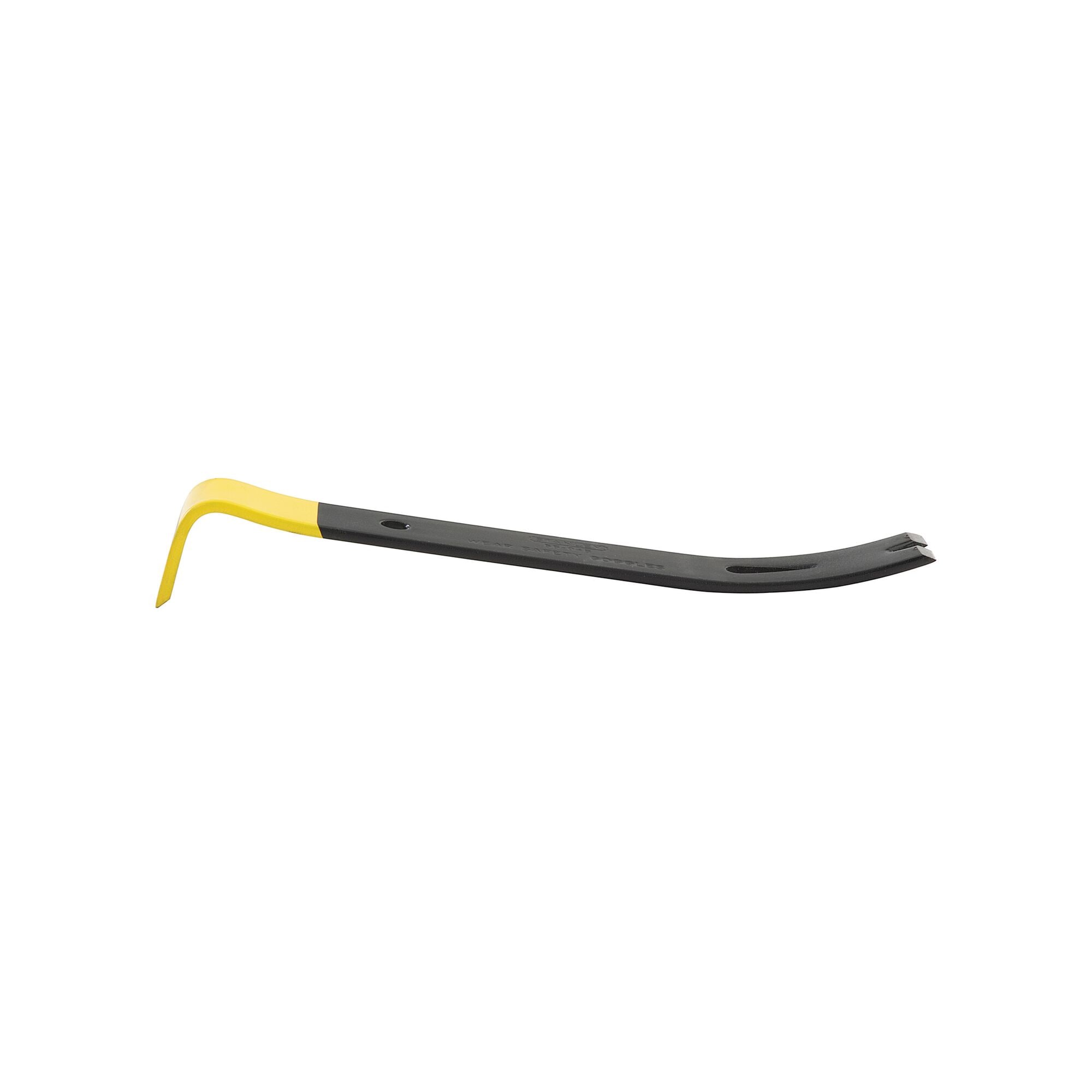
- Crowbar / Wrecking Bar
- Curved bar with claw and chisel ends, designed primarily for demolition and nail extraction work
- Pinch Bar
- Straight or slightly tapered bar with beveled chisel point, used for aligning structural elements and prying in tight spaces
- Digging Bar / San Angelo Bar
- Heavy straight bar with pointed or wedge end, designed for breaking hard soil, clay, and rocky ground
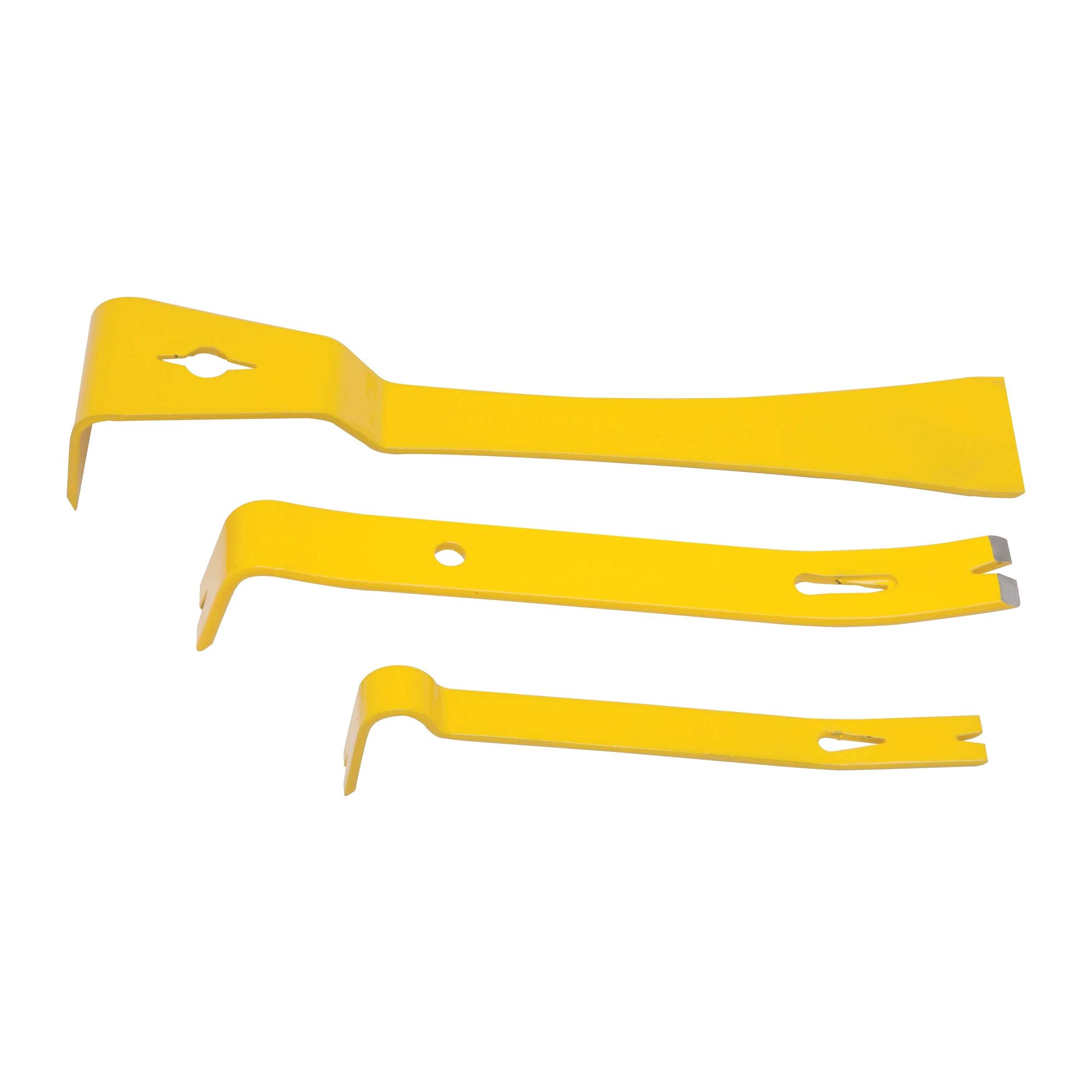
- Flat Pry Bar
- Low-profile bar with flattened ends at various angles, used for precision prying and flooring work
- Gooseneck Bar
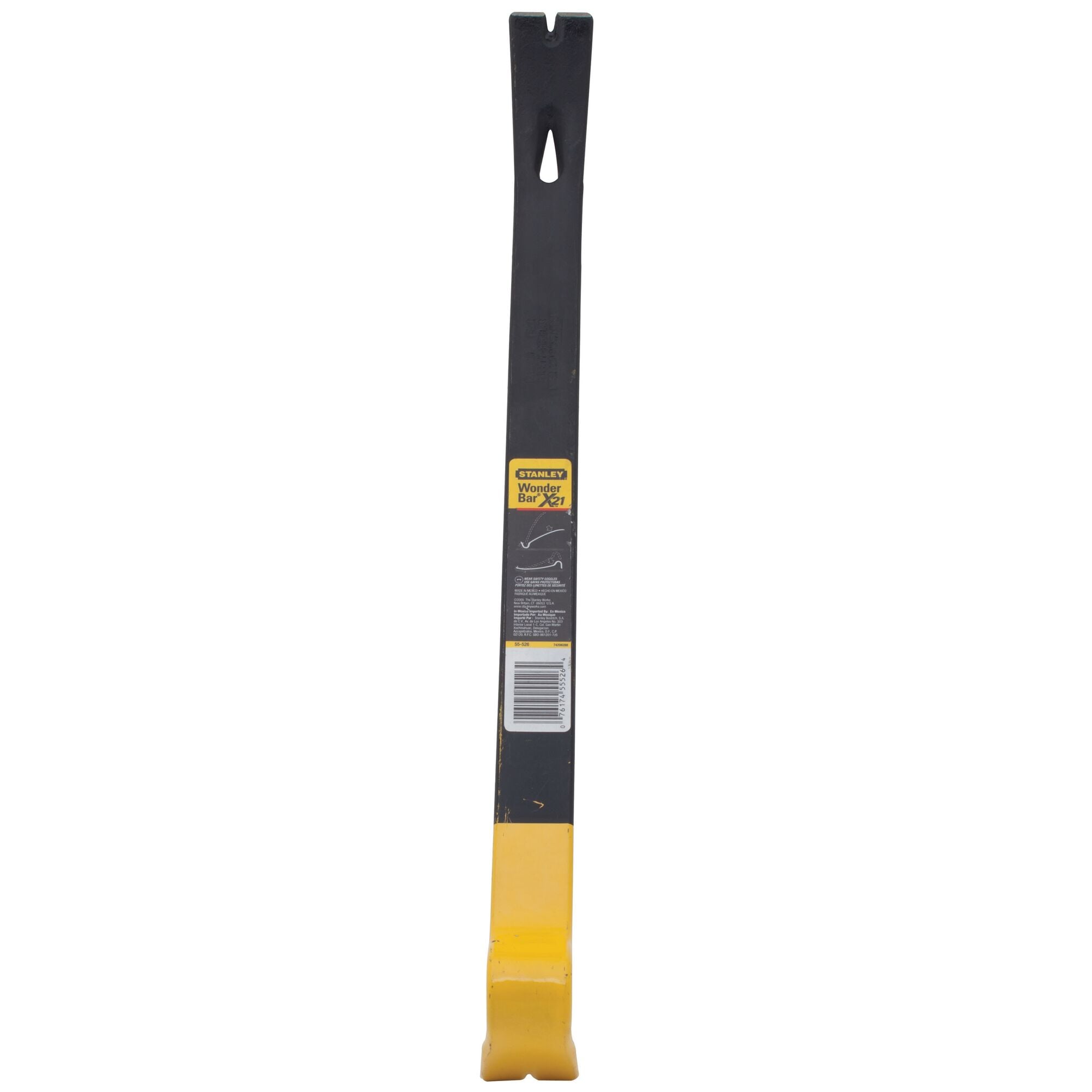
- Bar with pronounced curved neck and nail slot, optimized for pulling nails and board removal
Key specifications
| Specification | Typical range | What it means |
|---|---|---|
| Length | Industry offerings vary by application; short bars (12-18 in) for confined spaces, medium bars (24-36 in) for general demolition, long digging bars (48-72 in) for earth work | Determines leverage and reach, though length changes access rather than the fundamental prying or digging function |
| Material | High-carbon or alloy steel | Provides necessary strength and durability to withstand high-stress leverage applications without bending or fracturing |
| End Configuration | Chisel, claw, point, or wedge | Determines engagement method with material: claws for gripping, chisels for penetration, points for soil breaking |
| Finish | Powder coat, painted, or plain steel | Corrosion protection varies; working ends typically exposed steel for edge retention |
How the industry sizes it
The industry does not classify pry bars and digging bars into standardized size bands because all variants perform the same fundamental function: applying leverage. Length affects reach and mechanical advantage but does not change the tool's purpose or operational category. Selection is application-specific: confined demolition work requires shorter bars for maneuverability, while soil excavation and heavy prying justify longer bars for maximum force multiplication. The tool class is defined by its lever-based operating principle rather than dimensional specifications.
Applications
- Demolition and dismantling of wooden structures, pallets, and formwork
- Nail and fastener extraction from framing, decking, and sheathing
- Alignment and positioning of heavy structural components during assembly
- Breaking and loosening compacted soil, clay, and weathered rock in excavation
- Prying apart materials and creating separation in renovation work
- Post-hole starting and root extraction in landscaping operations
Safety & operation
- Maintain secure footing and body position to control direction of force in the event of sudden material release
- Inspect bar for cracks, bends, or mushroomed striking surfaces before each use to prevent catastrophic failure under load
- Wear safety glasses and work gloves to protect against flying debris and hand injuries during prying operations
- Position hands and body clear of the pinch zone between bar and object being moved to avoid crush injuries
- Avoid using cheater pipes or extensions that exceed the tool's designed load capacity and may cause structural failure
Standards & certifications
- ASME B107.600 · Pry Bars and Nail Pullers
- Defines dimensional tolerances, material requirements, and performance testing for pry bar tools
- OSHA · 1926.951(b)(1)
- Requires hand tools to be maintained in serviceable condition; applies to bars used in construction work
- ANSI · Z87.1
- Eye protection standard applicable to operators during prying and demolition tasks
Frequently asked
What distinguishes a digging bar from a pry bar in industry usage?
Why does the industry not standardize pry bar sizes into specific classes?
What determines the appropriate bar length for a specific task?
Are digging bars effective substitutes for powered earth-moving equipment?
Related equipment
Browse by manufacturer
Sources
Every specification is verified against the manufacturer's published data, with the source linked for reference.
All models
6 models · Every spec cited to source