

Up to 10 cfm Gas Portable Air Compressor
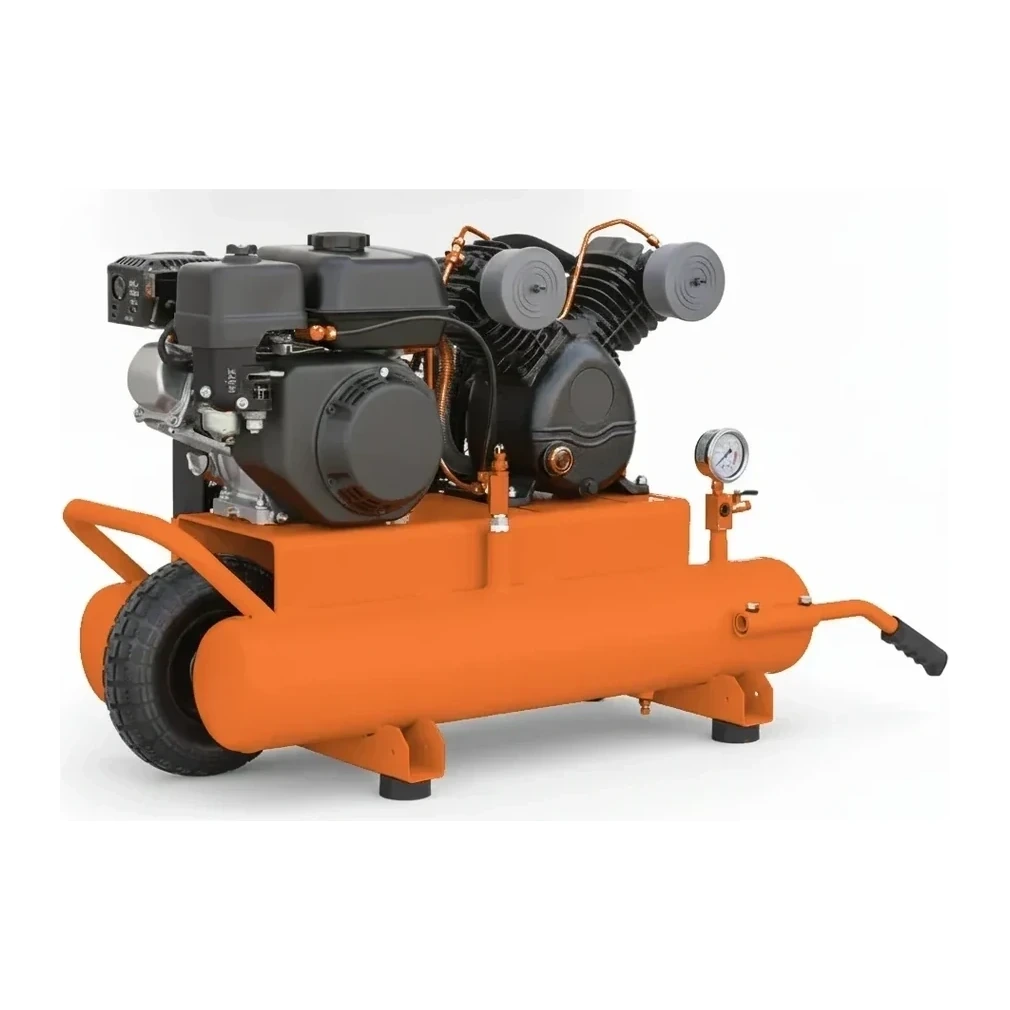
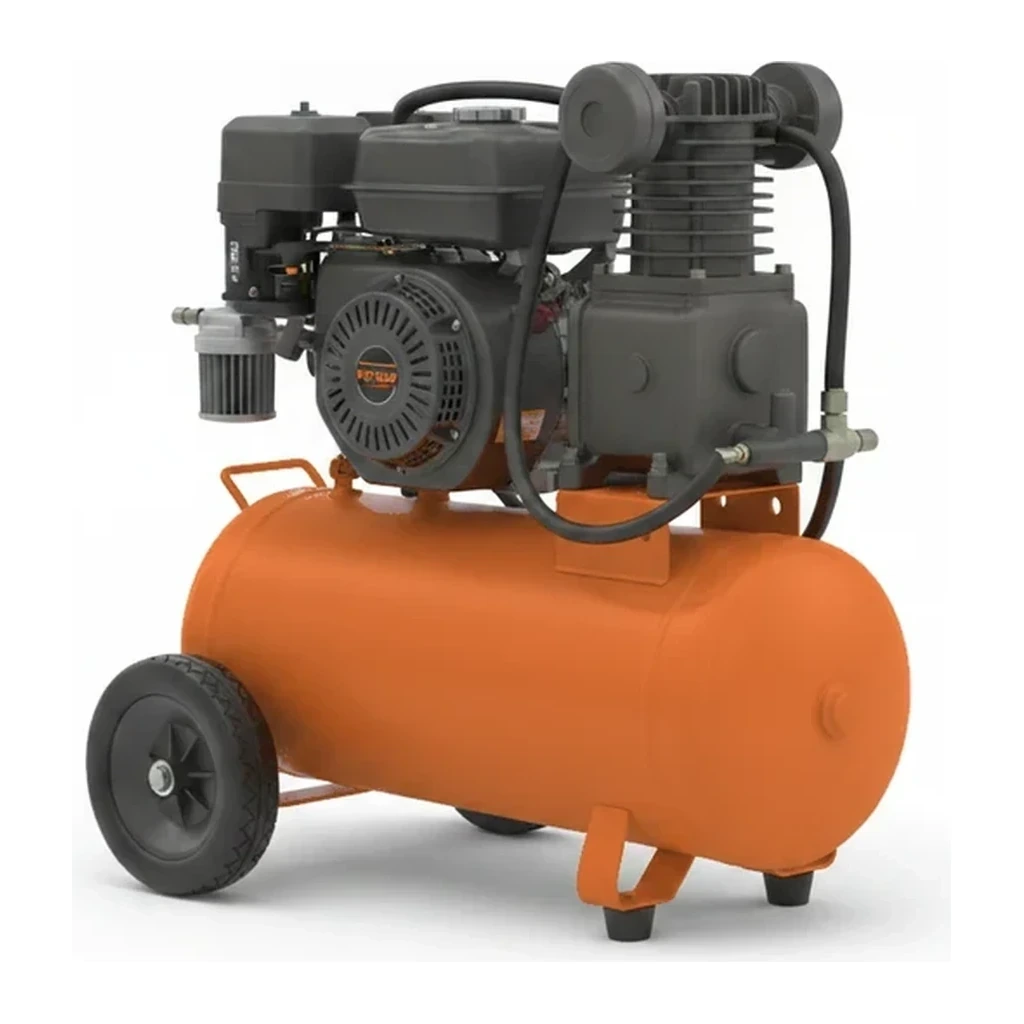
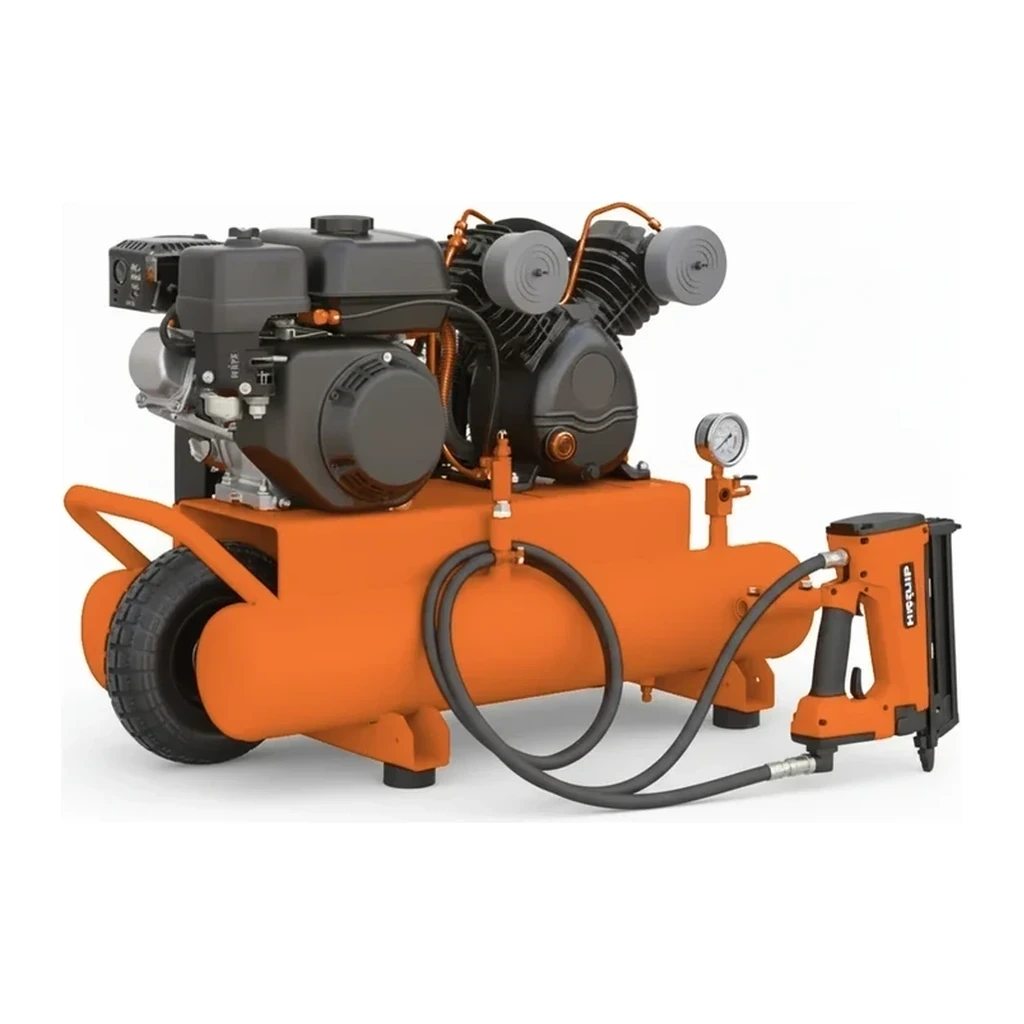
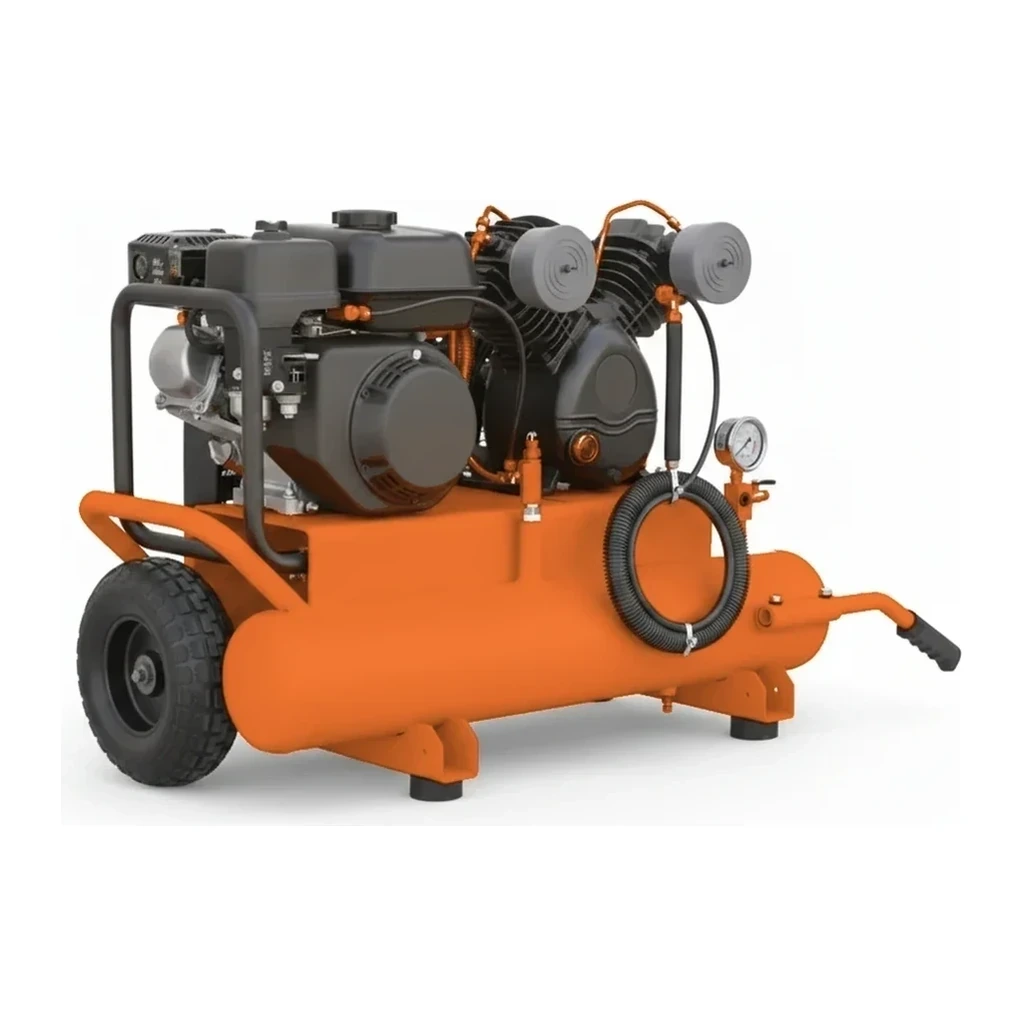
Up to 10 cfm gas portable air compressors are the smallest size class of gas-powered portable compressors, delivering 4.2 to 9.5 cfm of free air. This band powers a single pneumatic finish nailer or inflation equipment where electrical power is unavailable or impractical. Above this threshold, applications requiring continuous operation or multiple tools step up to the 10-20 cfm Gas Portable Air Compressor band.
Cat classes
Elija una clase de tamaño: la capacidad y el alcance varían en la gama.
Especificaciones clave
| Especificación | Rango típico | Qué significa |
|---|---|---|
| Free air delivery | 4.2-9.5 cfm | Sustained airflow available for tools; determines how many nailers or what inflation work the unit can support |
| Power source | Gasoline engine | Eliminates dependence on electrical infrastructure; enables operation in remote or outdoor locations |
| Portability | Hand-carry or wheeled | Compact footprint and weight allow single-operator transport and positioning |
Cómo elegir
Up to 10 cfm gas portable air compressors suit applications involving a single finish nailer, brad nailer, or intermittent inflation work where electrical power is absent. The free air delivery in this band supports one pneumatic tool at a time with adequate recovery between cycles. For operations running multiple nailers simultaneously, or for continuous-duty applications like sandblasting or spray painting, the 10-20 cfm Gas Portable Air Compressor band provides the sustained output required. This size class represents the entry point for gas-powered portability when electric compressors cannot reach the work area.
Lo que maneja este tamaño
- Finish carpentry and trim installation in buildings without temporary power
- Roofing nailer operation on residential tear-offs in remote locations
- Tire inflation and emergency roadside equipment service
- Light framing with pneumatic nail guns on outdoor structures
- Temporary pneumatic tool support during power outages or generator constraints
- Small-scale deck and fence construction in undeveloped sites
Seguridad y operación
- Engine exhaust contains carbon monoxide; units must operate in well-ventilated outdoor areas or spaces with adequate airflow
- Hot engine surfaces and muffler present burn hazards during and immediately after operation
- Pressure relief valves and gauges must be monitored to prevent over-pressurization of tank and connected hoses
- Hearing protection recommended during operation; small gas engines generate 80-95 dBA at operator position
Transporte y logística
- Hand-carried by single operator or rolled on integrated wheels; typical units weigh 50-90 lbs
- Loaded into pickup beds, van cargo areas, or gang boxes without lifting equipment
- Secured with tie-downs or straps to prevent movement during vehicle transport
Alimentación
- Gasoline engine fueled from portable gas cans; typical tank capacity supports 2-4 hours of intermittent operation
- No electrical connection required; enables use in areas without generator or utility power
- Engine start via recoil pull-cord; some models include electric start with onboard battery
Preguntas frecuentes
How many finish nailers can a compressor under 10 cfm run simultaneously?
What differentiates the up to 10 cfm gas models from similar-sized electric compressors?
What is the typical tank size for compressors in this airflow range?
Comparar modelos populares
Buscar por especificación →Normalizado a las mismas unidades. Un guion significa que el valor no fue publicado.
| Modelo | Caudal de aire libre | Presión máx | Potencia del motor |
|---|---|---|---|
| Gardner Denver R-Series Reciprocating BR2 to R30 | 4 cfm | 175 psi | - |
| Metabo HPT EC2610EA | 10 cfm | 145 psi | - |
| Emglo K5HGA-8P | 9 cfm | - | 6 hp |
| Rolair GD5000PV5H | 8 cfm | - | 163 hp |
Equipos relacionados
Explorar por fabricante
Fuentes
Cada especificación se verifica con los datos publicados por el fabricante, con la fuente enlazada como referencia.
Up to 10 cfm Gas Portable Air Compressor
4 modelos · Cada especificación citada a la fuente