

Compaction
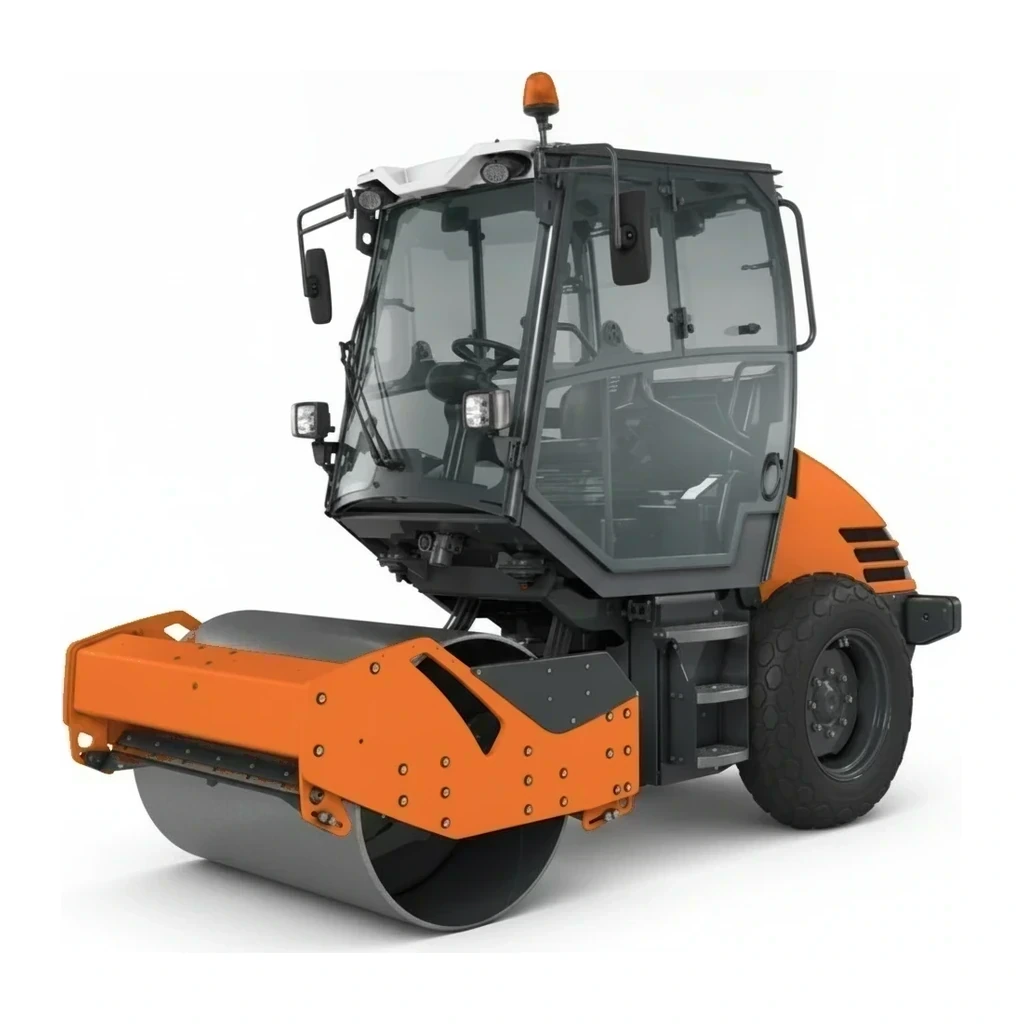
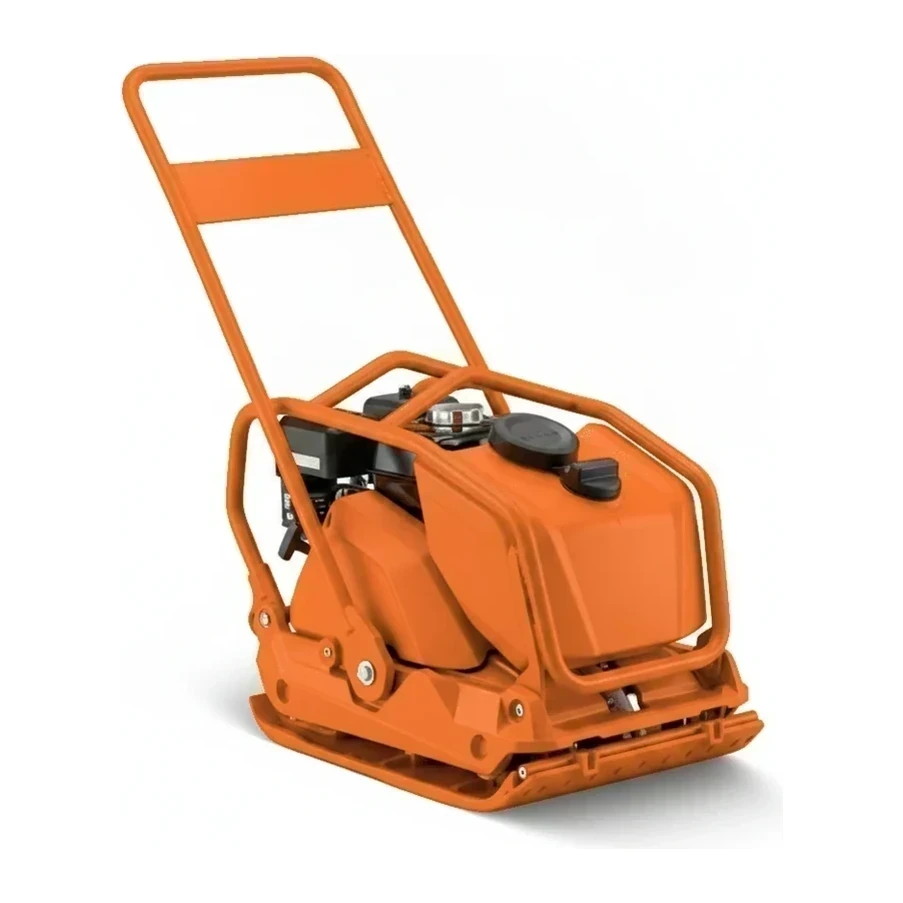
Compaction equipment densifies soil, base, and asphalt so what gets built on top stays put. The category spans walk-behind plates and rammers for trenches and edges through ride-on drum rollers for roads and pads.
Cómo funciona
All compaction rearranges particles into a tighter matrix by applying repeated force: plates vibrate granular soils together, rammers knead cohesive clays with percussive blows, and rollers combine drum weight with vibration over large areas. Material is compacted in controlled lifts, layer by layer, and soil type dictates which force works.
Tipos y variantes
- Compactors
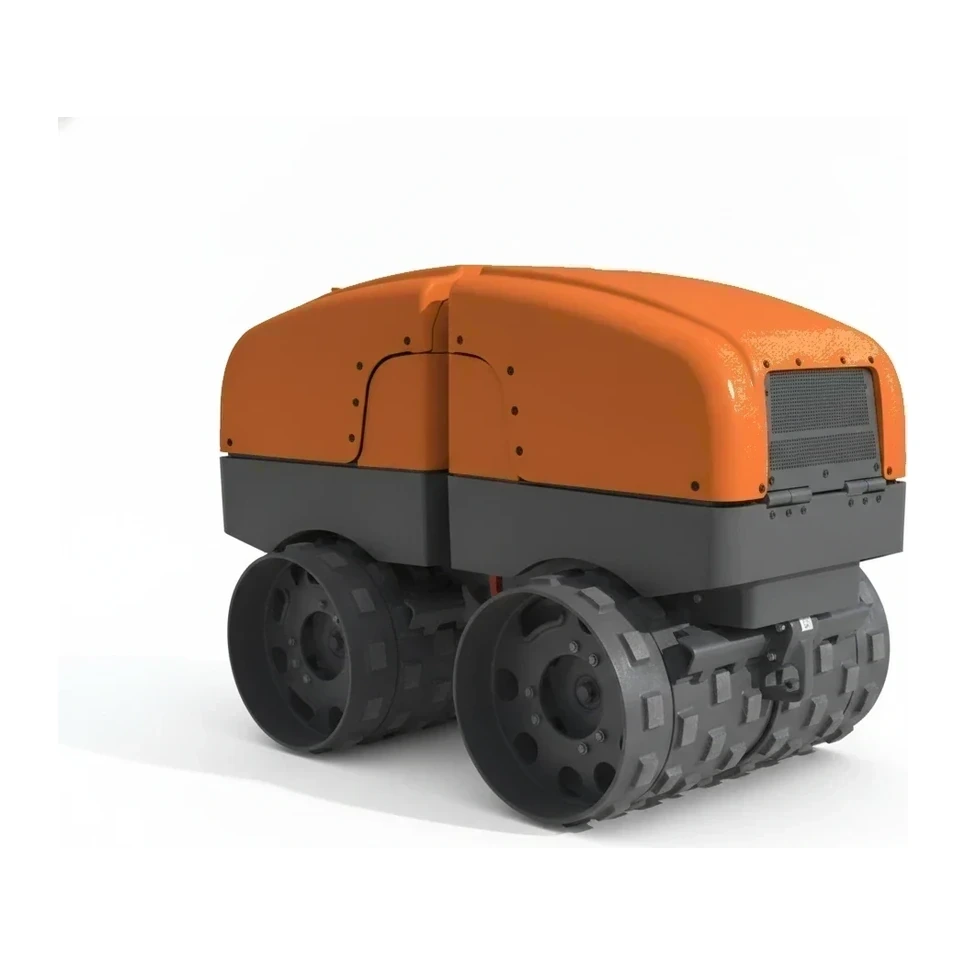
- Plates, rammers, and trench rollers for compacting confined areas and trenches.
- Drum Rollers
- Single and double drum ride-on rollers for soil and asphalt compaction.
Cómo elegir
Two questions sort the category: what soil or material, and how much area. Granular soils take plates and smooth drums; cohesive clays take rammers, trench rollers, and padfoot drums. Confined work stays walk-behind; production areas justify ride-on rollers, with machine weight scaled to lift thickness and density spec.
Normas y certificaciones
- OSHA · 29 CFR 1926.602
- Material-handling equipment rules covering loaders, graders, dozers, and similar machines.
- OSHA · 29 CFR 1926 Subpart W
- Rollover protective structure requirements for earthmoving and compaction equipment.