

Walk-Behind and Trench Rollers
Cómo funciona
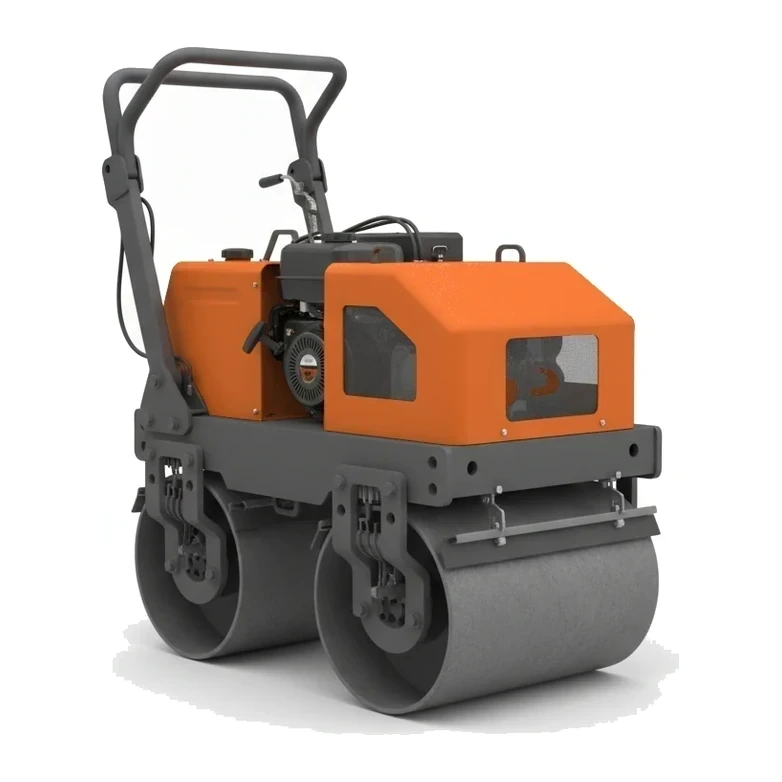
Walk-behind and trench rollers generate compaction force through a combination of static weight and vibratory mechanisms that create high-frequency, low-amplitude oscillations. The operator guides the machine using a handlebar assembly while walking behind or alongside the unit. Most models feature reversible drum controls and adjustable vibration frequencies to accommodate different material types and compaction requirements. Water spray systems are commonly integrated to prevent asphalt from adhering to the drum surface during hot-mix applications.
Tipos y variantes
- Walk-Behind Vibratory Roller
- General-purpose pedestrian rollers with single or dual smooth drums, typically ranging from 24 to 48 inches in width, suitable for asphalt repair, parking lots, sidewalks, and general soil compaction
- Trench Roller
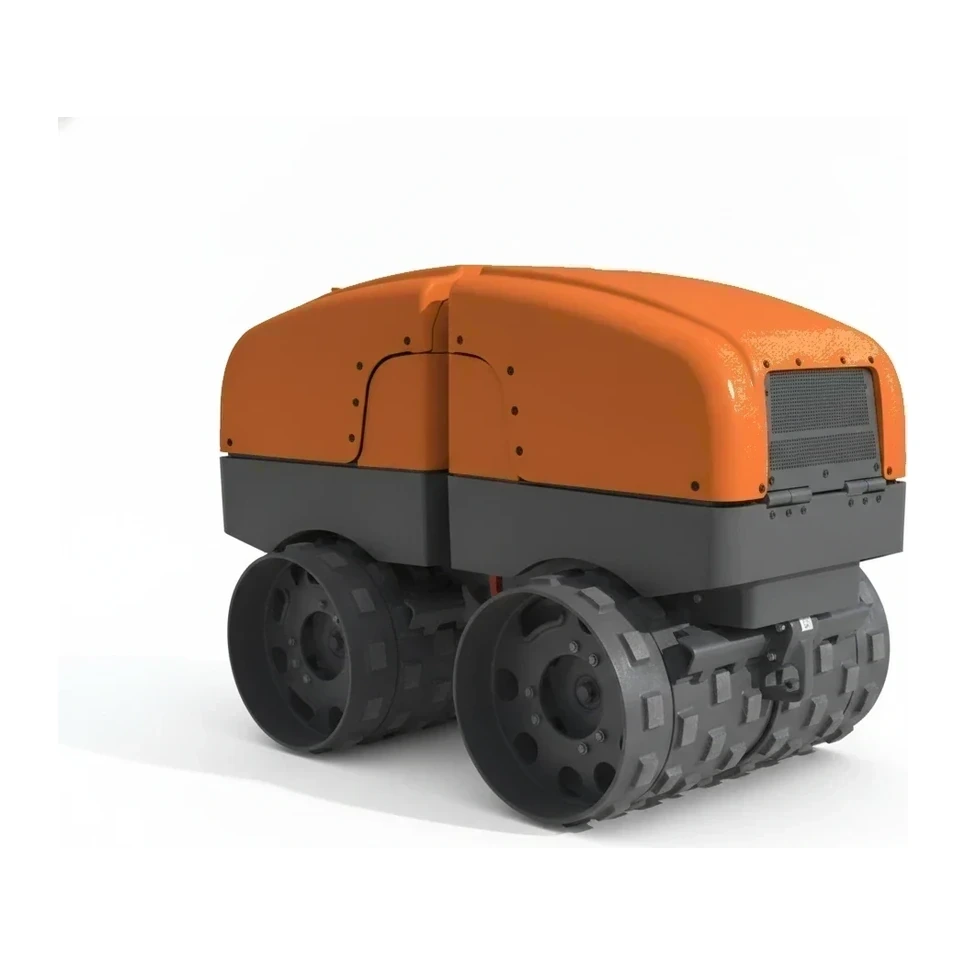
- Narrow-profile compactors specifically designed for utility trenches, pipe bedding, and linear excavations, featuring compact widths often between 12 and 30 inches to fit within confined trench dimensions
Normas y certificaciones
- ANSI/ITSDF · B114.1
- Safety requirements for pedestrian-controlled vibratory compaction equipment
- ISO · 5047
- Earth-moving machinery — Operator controls and other displays — Symbols
- ASTM · D1557 / D698
- Standard test methods for laboratory compaction characteristics, which inform field compaction targets achieved by these rollers
Preguntas frecuentes
What is the typical compaction depth range for walk-behind vibratory rollers?
Most walk-behind vibratory rollers achieve effective compaction depths of 6 to 12 inches per lift, depending on machine weight, vibration frequency, material type, and moisture content. Heavier models may compact deeper lifts, while lighter units are designed for thinner layers and finish work.
How do single-drum and double-drum walk-behind rollers differ in application?
Single-drum rollers typically offer greater maneuverability and are preferred for trench work and edges near structures, often featuring a pivot point for tight turns. Double-drum models provide more uniform compaction across the full machine width and are commonly specified for asphalt and larger open areas where balanced coverage is essential.
What centrifugal force range is typical for walk-behind compaction equipment?
Walk-behind vibratory rollers generally produce centrifugal forces ranging from 2,000 to 9,000 pounds-force, with smaller trench rollers at the lower end and larger walk-behind units at the higher end. This force, combined with operating weight and vibration frequency, determines the machine's suitability for specific soil types and compaction specifications.
What vibration frequency settings are standard in the industry?
Most walk-behind and trench rollers operate at vibration frequencies between 3,000 and 4,200 vibrations per minute (VPM) or 50-70 Hz. Higher frequencies are typically employed for asphalt compaction and cohesive soils, while lower frequencies suit granular materials and base courses.