
Trench Roller
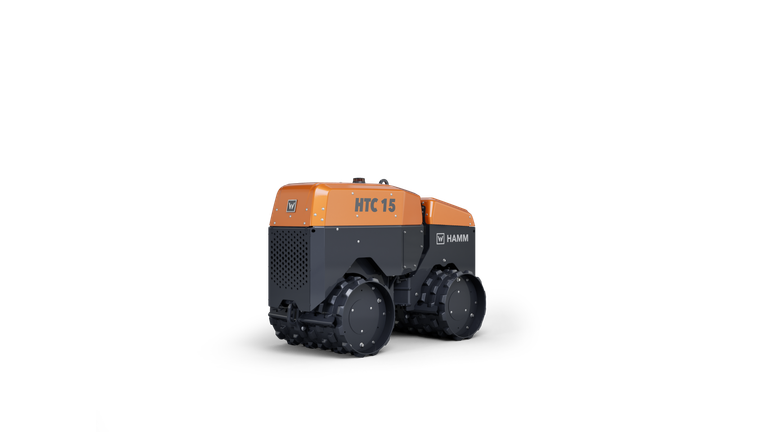
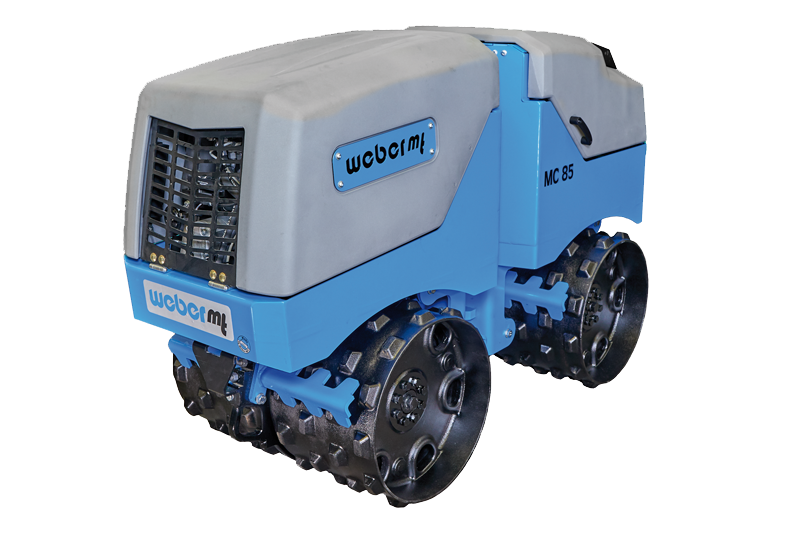
A trench roller is a specialized compaction machine designed for compacting soil in narrow trenches, utility corridors, and confined spaces where larger equipment cannot operate effectively. These machines feature single or dual drums, often with padfoot shells for cohesive soil compaction, and are available in both walk-behind and remote-controlled configurations. Trench rollers deliver high compaction force relative to their compact footprint, making them essential for utility work and pipeline installation.
Cómo funciona
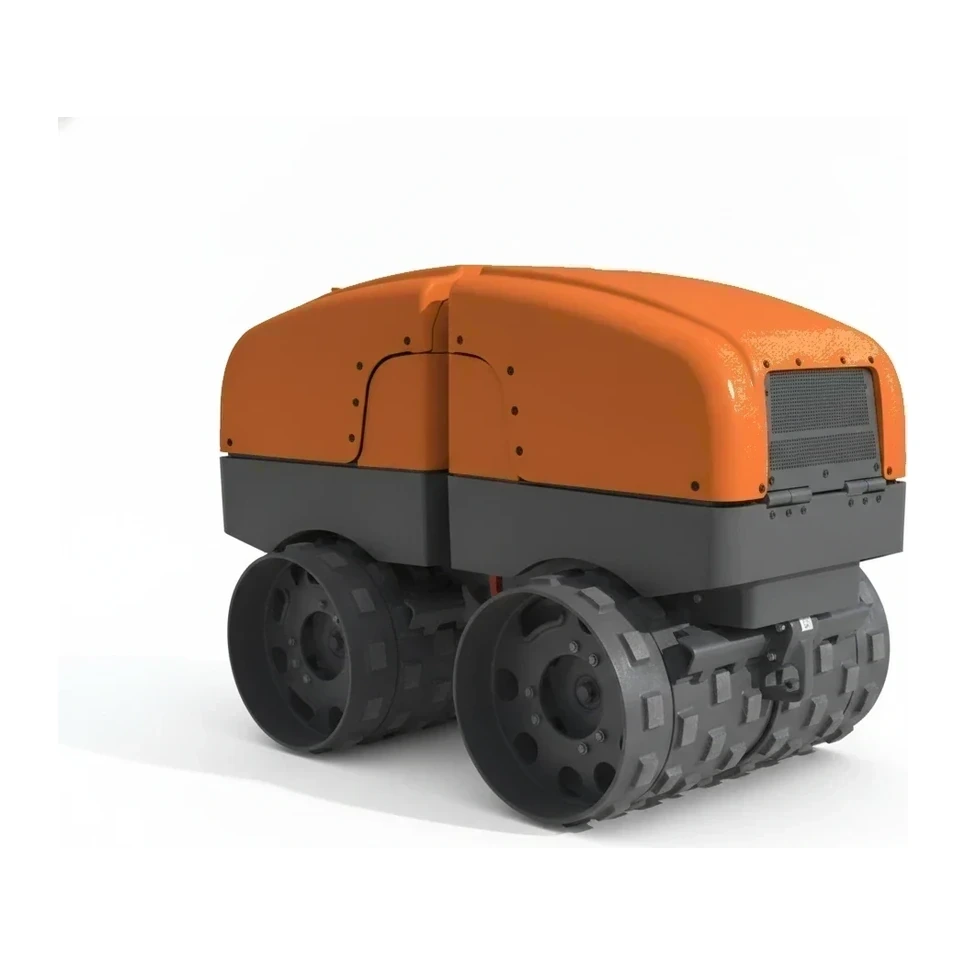
Trench rollers use a heavy vibrating drum (or drums) to compact soil through a combination of static weight and dynamic vibratory force. The drum rotates as it travels, with an eccentric weight inside generating vibrations that reduce air voids and increase soil density. Many models feature padfoot shells, protruding cleats on the drum surface, that penetrate and knead cohesive soils for superior compaction in layers. Remote-controlled models allow operators to guide the machine from a safe distance outside the trench using a radio or wired control panel. Articulated steering enables tight maneuvering in confined spaces, while adjustable vibration frequency and amplitude settings accommodate different soil types and lift thicknesses. Walk-behind versions position the operator behind the machine with handlebar controls for direction and compaction settings.
Tipos y variantes
- Remote-Controlled Trench Roller
- Radio or wired remote operation allowing compaction from outside the trench; essential for deep or hazardous trench work where operator presence is unsafe.
- Walk-Behind Trench Roller
- Operator guides the machine from behind using handlebars; suitable for shallow trenches and areas with adequate working space for personnel.
- Padfoot Trench Roller
- Drum equipped with protruding cleats (padfeet) for compacting cohesive soils like clay; provides kneading action and better layer bonding.
- Smooth Drum Trench Roller
- Flat drum surface designed for granular soils, asphalt, and finish compaction; produces a smooth, sealed surface.
- Articulated Trench Roller
- Features articulated steering joint between drum sections for enhanced maneuverability in tight curves and irregular trench layouts.
Especificaciones clave
| Especificación | Rango típico | Qué significa |
|---|---|---|
| Drum Width | 12–36 in (30.5–91.4 cm) | Primary sizing dimension; determines trench coverage per pass and suitability for different trench widths. |
| Operating Weight | 2,778–7,077 lb (1,260–3,210 kg) | Total machine mass providing static compaction force; heavier models deliver greater compaction energy per pass. |
| Engine Power | 20-21 hp | Drives hydraulic systems for propulsion, vibration, and remote control functions; determines performance capability. |
| Centrifugal Force | Varies by model | Dynamic vibratory force generated by eccentric weights; higher values achieve compaction in fewer passes. |
| Frequency | Varies by model | Vibration cycles per minute; optimized for different soil types and lift thicknesses. |
Cómo la industria lo dimensiona
The rental industry sizes trench rollers primarily by drum width, measured in inches. Machines up to 30 inches wide are designed for narrow pipe trenches and utility work where remote operation allows compaction in spaces too confined or hazardous for personnel. Wider models (30+ inches) handle full-width trench compaction and structural backfill applications, completing wider trenches in a single pass. All models in current market data fall within the "Up to 3 t" weight category, though sizing conversations focus on drum width rather than weight class. Padfoot versus smooth drum configuration and remote versus walk-behind operation further differentiate models within each width range.
Aplicaciones
- Utility trench backfilling for water, sewer, gas, and electrical conduit installations
- Pipeline bedding and haunching compaction in oil and gas construction
- Foundation and structural backfill in confined spaces around buildings
- Roadway and parking lot sub-base preparation in areas inaccessible to larger rollers
- Cohesive soil compaction in clay or mixed soil conditions requiring padfoot action
- Narrow access compaction for landscaping and site development projects
Seguridad y operación
- Remote-controlled operation eliminates operator exposure to trench collapse hazards and allows compaction from safe positions outside the excavation.
- Trench safety regulations require protective systems (shoring, trench boxes, sloping) even when using remote equipment; the machine does not replace proper excavation protection.
- Walk-behind operators must maintain awareness of trench edges, pinch points, and machine articulation zones during maneuvering.
- Vibration exposure limits apply to walk-behind operation; operators should follow manufacturer guidelines for duration and use anti-vibration gloves.
- Proper lift thickness and pass patterns ensure specification-compliant compaction; over-reliance on equipment capability without testing can result in inadequate density.
Normas y certificaciones
- OSHA · 29 CFR 1926 Subpart P
- Excavation and trenching standards governing safe work practices; applies to all trench operations regardless of equipment used.
- ANSI/ASSE · A10.32
- Fall protection and safety requirements for construction and demolition operations including trench work.
- EPA · Tier 4
- Emissions standards for off-road diesel engines; applies to trench roller power plants in current production.
- ASTM · D698 / D1557
- Standard test methods for soil compaction (Proctor tests) used to establish target density for trench backfill verification.
Preguntas frecuentes
What drum width is appropriate for standard utility trenches?
When is remote control necessary versus walk-behind operation?
How do padfoot drums differ from smooth drums in trench applications?
What operating weight range covers typical trench compaction needs?
Comparar modelos populares
Buscar por especificación →Normalizado a las mismas unidades. Un guion significa que el valor no fue publicado.
| Modelo | Peso operativo | Potencia del motor |
|---|---|---|
| Wacker Neuson RTD-SC4 | 3,210 lb (1,456 kg) | - |
| Ammann ARR 1575-2 | 3,538 lb (1,605 kg) | 21 hp |
| Ammann ARR 1585-2 | 3,020 lb (1,370 kg) | 21 hp |
| Hamm HTC 15 | 3,210 lb (1,456 kg) | - |
| Weber MC 85 | 3,589 lb (1,628 kg) | 24 hp |
Equipos relacionados
Explorar por fabricante
Fuentes
Cada especificación se verifica con los datos publicados por el fabricante, con la fuente enlazada como referencia.
Todos los modelos
10 modelos · Cada especificación citada a la fuente