

Pneumatic Tire Roller
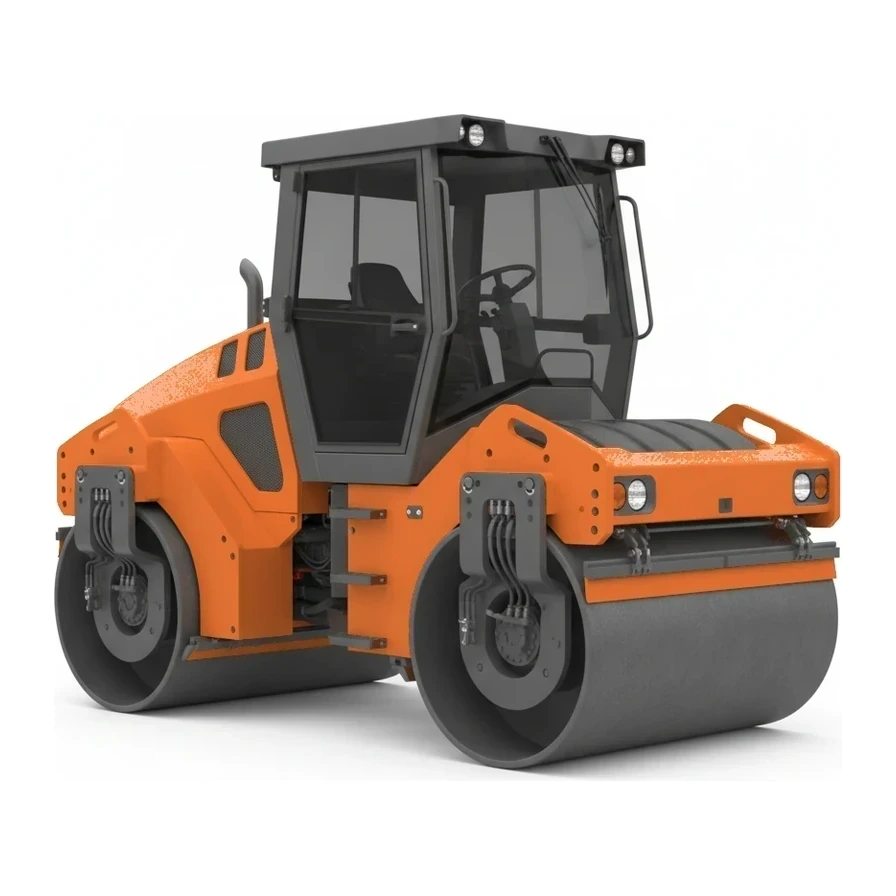
A pneumatic tire roller is a ride-on compaction machine equipped with multiple rubber tires that apply kneading and sealing action to asphalt surfaces. These rollers use the flexible contact patch of pneumatic tires to compact pavement evenly without excessive heat transfer or aggregate fracture. They are commonly deployed in asphalt paving operations to seal the surface and improve smoothness after breakdown rolling.
Cómo funciona
Pneumatic tire rollers compact material through a combination of static weight and kneading action generated by multiple rubber tires arranged in two or more rows. The tires are typically mounted in a staggered configuration, commonly nine wheels total, to provide continuous coverage across the drum width. As the machine travels over freshly laid asphalt, the flexible tire footprint conforms to the surface, sealing voids and improving density without crushing aggregate particles. Many units allow for ballasting with water, sand, or steel weights to increase ground pressure and compaction effectiveness. Tire inflation pressure can be adjusted to modify the contact patch and compaction characteristics for different material types and temperatures. The self-propelled design enables operators to follow paving trains or work independently on proof-rolling and finishing operations.
Tipos y variantes
- Light Pneumatic Roller
- Units under 20,000 lb designed for final sealing and finishing of asphalt on parking lots, streets, and light commercial work
- Highway-Class Pneumatic Roller
- Heavy-duty machines above 20,000 lb built for mainline asphalt compaction, deep kneading action, and subgrade proof-rolling
- Ballasted Pneumatic Roller
- Models equipped with ballast compartments to allow weight adjustment from empty to maximum capacity for varied compaction requirements
- Oscillating Pneumatic Roller
- Specialized units with oscillating tire systems that provide additional kneading action for challenging materials or thin lifts
- Tandem Pneumatic Configuration
- Rollers with two rows of tires providing balanced weight distribution and uniform compaction across the full width
Especificaciones clave
| Especificación | Rango típico | Qué significa |
|---|---|---|
| Operating Weight | 2,955-8,850 kg (6,500-19,500 lb) | Total machine mass including tires and ballast; determines compaction force and application suitability |
| Number of Tires | 7-13 tires | Tire count affects coverage pattern, ground pressure distribution, and kneading action intensity |
| Compaction Width | 1,300-2,100 mm (51-83 in) | Effective width of coverage in a single pass; determines production rate and overlap requirements |
| Tire Inflation Pressure | 275-830 kPa (40-120 psi) | Adjustable air pressure modifies contact patch size and compaction characteristics for different materials |
| Ballast Capacity | 0-3,000 kg (0-6,600 lb) | Additional weight that can be added to increase ground pressure and compaction effectiveness |
Cómo la industria lo dimensiona
The industry sizes pneumatic tire rollers primarily by operating weight expressed in pounds, with the division between light and heavy-duty units occurring near 20,000 lb. Machines under 20,000 lb are typically specified for final sealing and finishing work on streets, parking lots, and smaller asphalt projects. Units above 20,000 lb are classified as highway-class rollers intended for mainline paving, deep kneading of thick lifts, and proof-rolling of prepared subgrades. Weight capacity is often stated as a range reflecting both unballasted and fully ballasted configurations, allowing a single machine to serve multiple compaction requirements.
Aplicaciones
- Final sealing and finishing of hot-mix asphalt pavement on roadways and parking areas
- Intermediate and breakdown rolling on mainline highway paving projects
- Proof-rolling of prepared subgrade to identify weak spots before paving
- Seal coat compaction and aggregate embedment on chip seal applications
- Kneading compaction of thick asphalt lifts where vibratory action may cause aggregate degradation
- Surface smoothing and texture improvement following vibratory roller breakdown passes
Seguridad y operación
- Operators must maintain awareness of hot asphalt temperatures to prevent tire damage and monitor for material pickup on tire surfaces
- Proper ballast loading and distribution is essential to prevent machine instability and ensure predictable handling on slopes
- Tire inflation pressures must be verified before operation as underinflated tires reduce stability and overinflated tires concentrate ground pressure excessively
- Visibility is limited to the rear and sides; spotters or backup alarms are necessary when reversing near paving crews or traffic
- Gradual speed changes prevent material shoving or tearing, particularly on fresh asphalt at elevated temperatures
Normas y certificaciones
- OSHA · 29 CFR 1926.602
- Requirements for operation of compaction equipment on construction sites including rollover protection and operator qualifications
- SAE · SAE J1012
- Defines performance terminology and testing procedures for soil compactors including pneumatic tire rollers
- EPA · Tier 4
- Emissions standards applicable to diesel engines powering pneumatic rollers manufactured after phased implementation dates
- ANSI/ASSE · A10.32
- Fall protection and safety requirements for personnel working on or around compaction equipment
Preguntas frecuentes
What is the difference between pneumatic tire rollers and vibratory rollers in asphalt compaction?
How does tire configuration affect compaction performance?
When is ballasting necessary on pneumatic rollers?
What role do pneumatic rollers play in modern asphalt paving operations?
Equipos relacionados
Explorar por fabricante
Fuentes
Cada especificación se verifica con los datos publicados por el fabricante, con la fuente enlazada como referencia.
Todos los modelos
3 modelos · Cada especificación citada a la fuente