

Paving and Asphalt
Cómo funciona
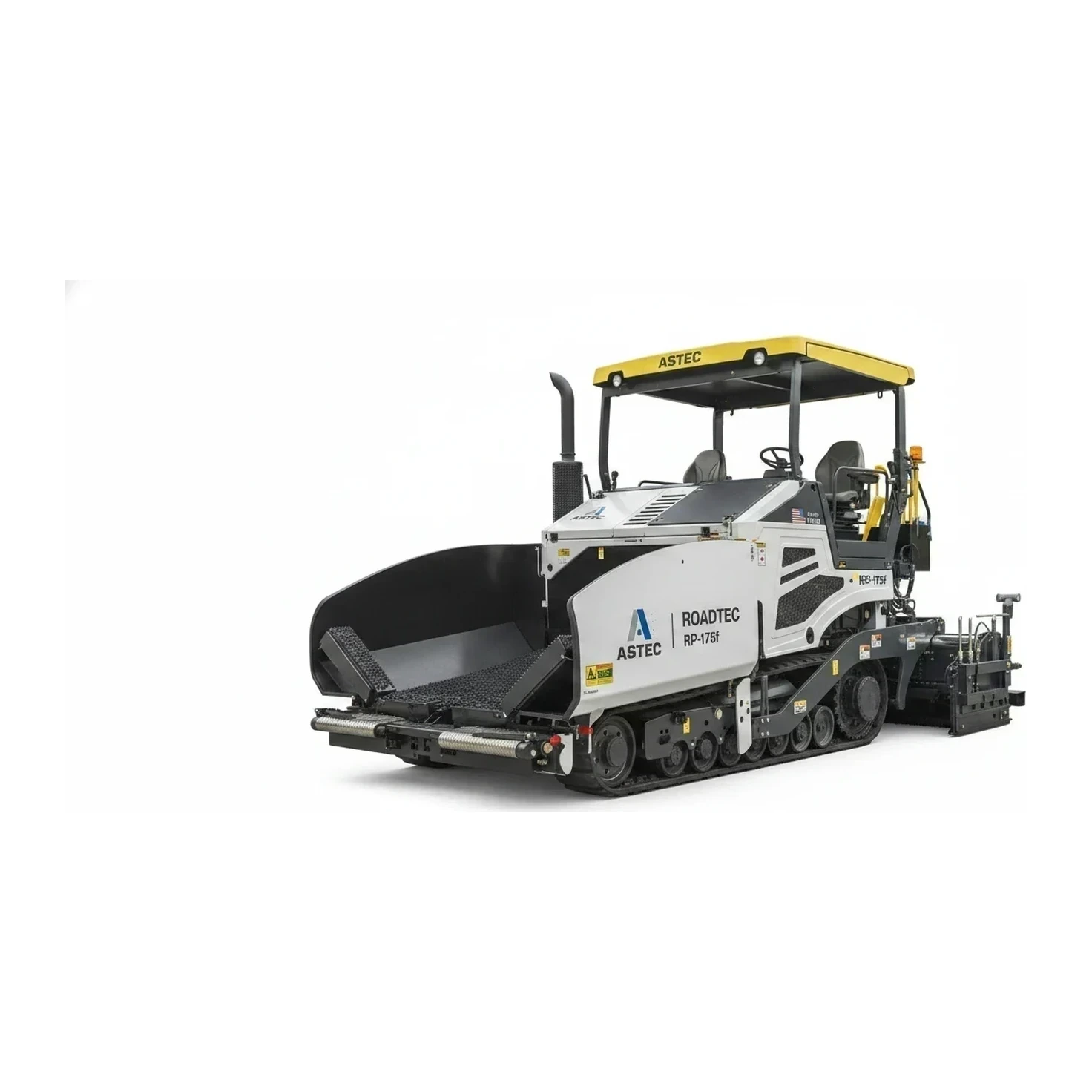
Asphalt pavers operate by receiving hot mix asphalt into a hopper at the front of the machine, which feeds the material via conveyors to a spreading auger system. The auger distributes the asphalt evenly across the width of the screed, a heated plate that floats on the material to smooth and initially compact it to a specified thickness and grade. The machine advances at a controlled speed, laying continuous mats of asphalt while maintaining proper material flow, temperature, and mat density. Screed width, compaction settings, and grade controls determine the final surface characteristics.
Tipos y variantes
- Asphalt Paver
- Self-propelled machines with receiving hoppers, material conveyors, and adjustable screeds for laying asphalt in controlled widths and thicknesses on roadways and surfaces
Normas y certificaciones
- ASTM International · ASTM D6927
- Standard specification for Marshall mix design procedures for hot mix asphalt, relevant to paving operations
- OSHA · 29 CFR 1926 Subpart O
- Safety standards for motor vehicles and mechanized equipment in construction, including pavers
Preguntas frecuentes
What determines asphalt paver size classification?
Asphalt pavers are typically classified by paving width capacity, engine horsepower, hopper capacity, and overall weight. Width capacity ranges from compact machines suitable for narrow applications to highway-class pavers with extending screeds capable of wide-mat paving.
What is the difference between wheeled and tracked asphalt pavers?
Wheeled pavers offer higher travel speeds and easier maneuverability on finished surfaces, making them suitable for urban and parking lot work. Tracked pavers provide superior traction on soft or uneven substrates and better grade control, preferred for highway and heavy-duty applications.
What role does screed temperature play in paving operations?
Screed temperature must be maintained near the asphalt mix temperature, typically 250-325°F, to prevent the material from sticking to the screed and to ensure proper initial compaction and surface finish. Most pavers use gas or electric heating systems to maintain consistent screed temperature throughout operations.
How do grade and slope controls affect paving quality?
Modern pavers use sonic, laser, or mechanical grade reference systems to automatically control screed height and slope, ensuring consistent mat thickness and proper drainage profiles. These controls can reference stringlines, existing surfaces, or digital grade models for precision paving.