

Mobile Cranes
Cranes lift and place loads that exceed what forklifts and telehandlers can handle. The catalog spans truck-mounted loader cranes, rough terrain and all-terrain mobile cranes, compact track and spider cranes for confined work, carry deck units, and tower cranes.
Cómo funciona
A hydraulic or rope-luffed boom pivots on a slewing superstructure; outriggers or counterweight keep the tipping moment in check. Capacity is not one number but a load chart — the shorter the radius and boom extension, the more the crane lifts — and every lift is planned against that chart with rigging, ground conditions, and swing path considered.
Tipos y variantes
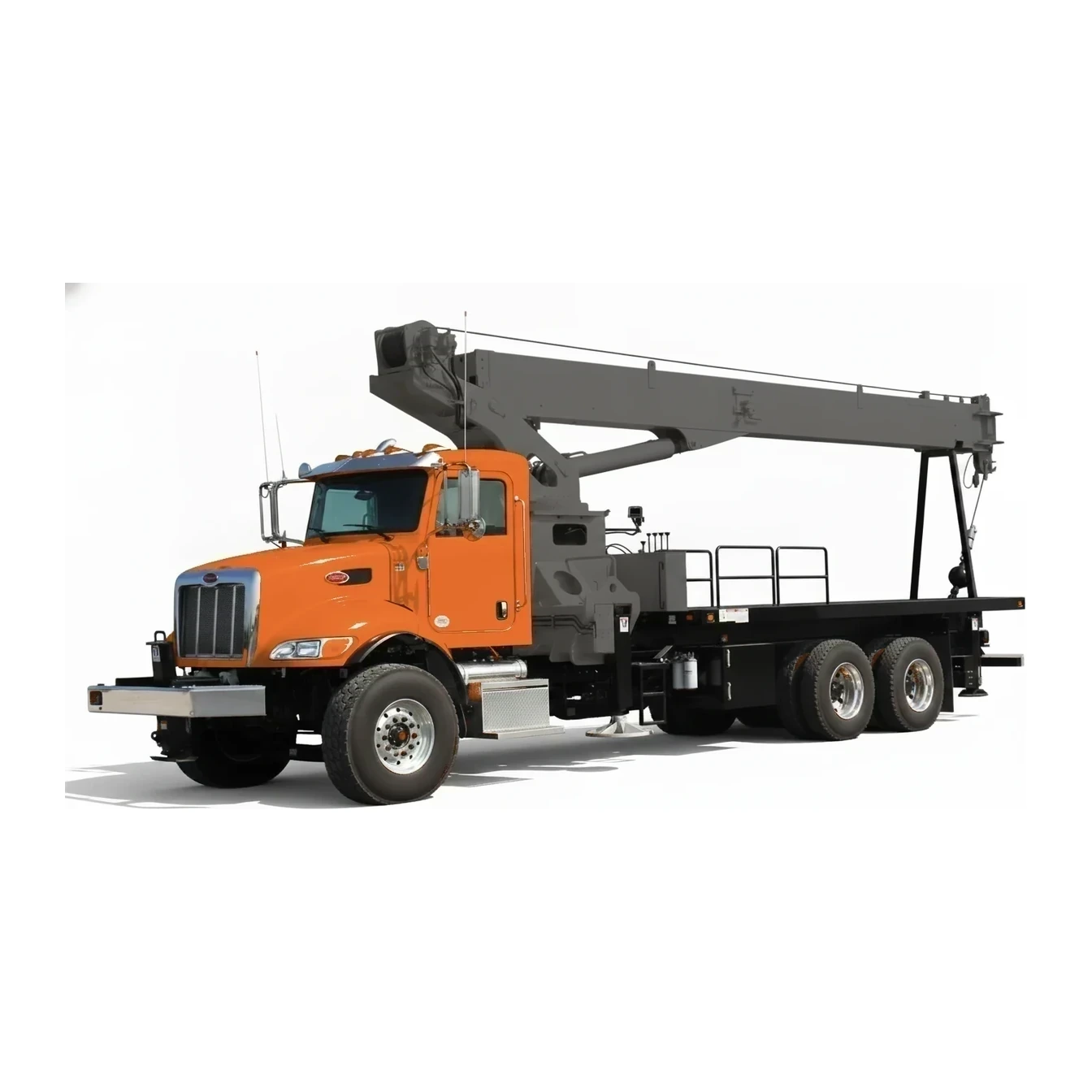
- Crane Truck
- Commercial truck chassis fitted with a hydraulic crane for loading and delivery lifts.
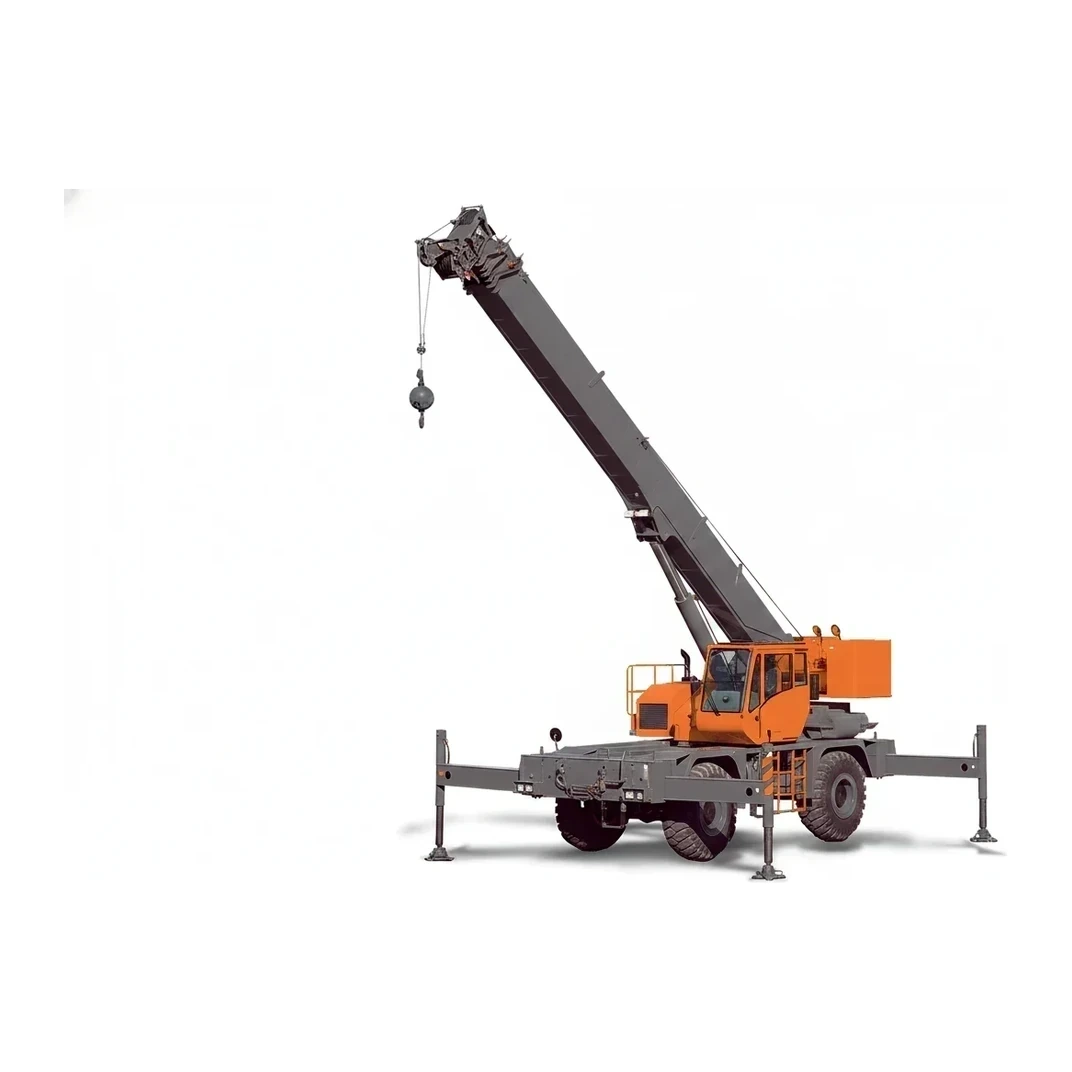
- Rough Terrain Crane
- Four-wheel-drive crane on large tires, designed for lifts on unimproved ground.
- Compact Track Crane
- Small tracked crane that carries loads through confined or soft-ground sites.
- Carry Deck Crane
- Low-profile industrial crane with a load deck, built for plant and indoor lifts.
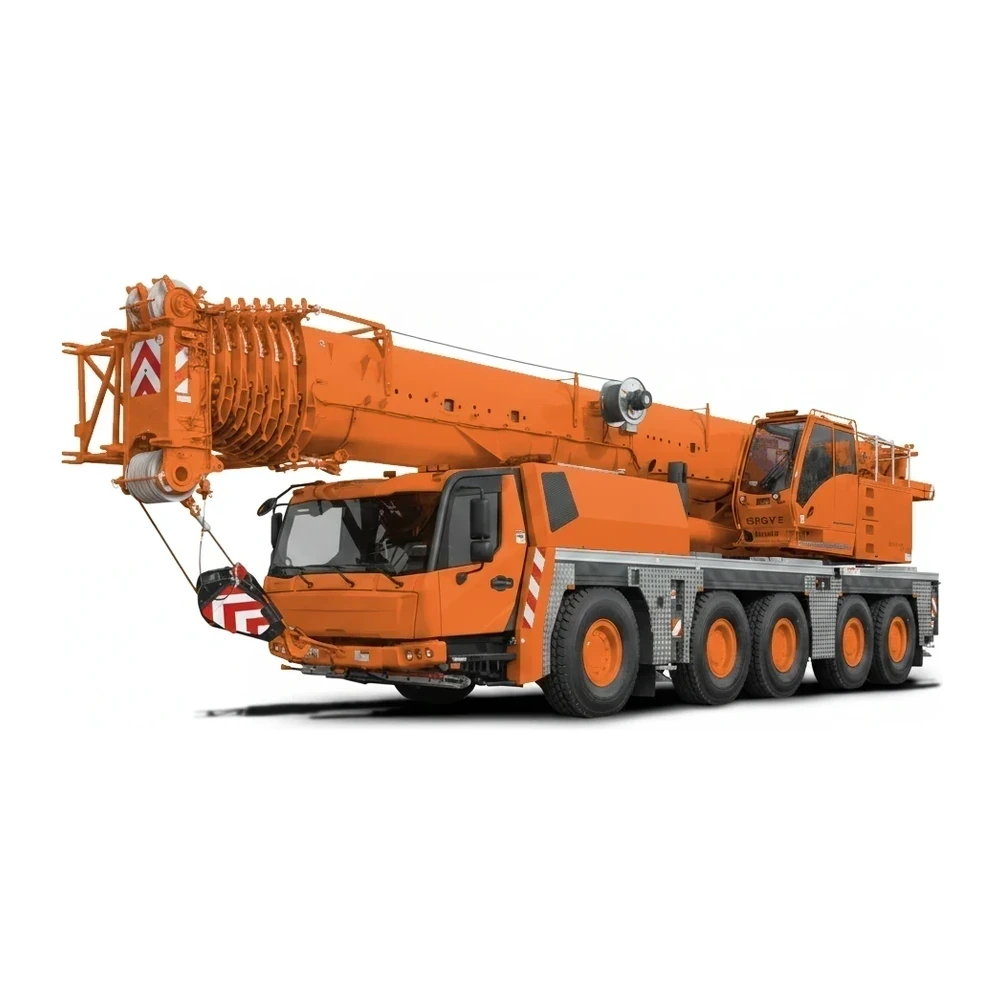
- All-Terrain Crane
- High-capacity mobile crane that travels at road speed and lifts on rough sites.
- Portable Industrial Crane
- Small shop crane or floor crane for lifting components in fabrication and maintenance settings.
- Tower Crane
- Fixed slewing crane that serves high-rise construction with long reach and height.
- Spider Crane
- Compact tracked mini-crane with outriggers that fits through doorways and works indoors.
Cómo elegir
The governing questions are load weight, radius, and site access. Crane trucks combine transport and lifting for delivery work; rough terrain and compact track cranes work unimproved ground; all-terrain machines bring high capacity at road speed; spider cranes pass through doorways for interior lifts; tower cranes serve sustained vertical construction. The load chart, not the headline capacity, makes the final call.
Normas y certificaciones
- OSHA · 29 CFR 1926 Subpart CC
- Cranes and derricks in construction: operator certification, inspections, and assembly rules.
- ASME · B30.5
- Design, inspection, and operation requirements for mobile cranes.
- ASME · B30.3
- Requirements for tower cranes, including erection and climbing.