

Excavators
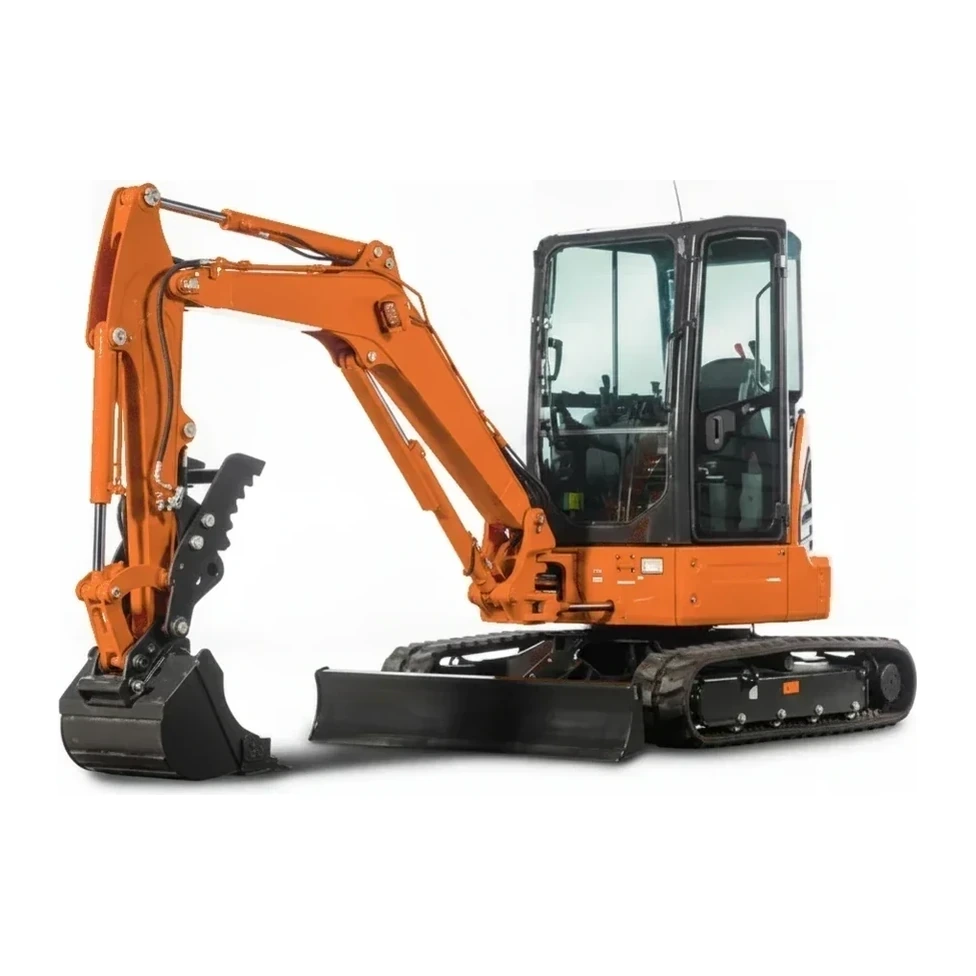
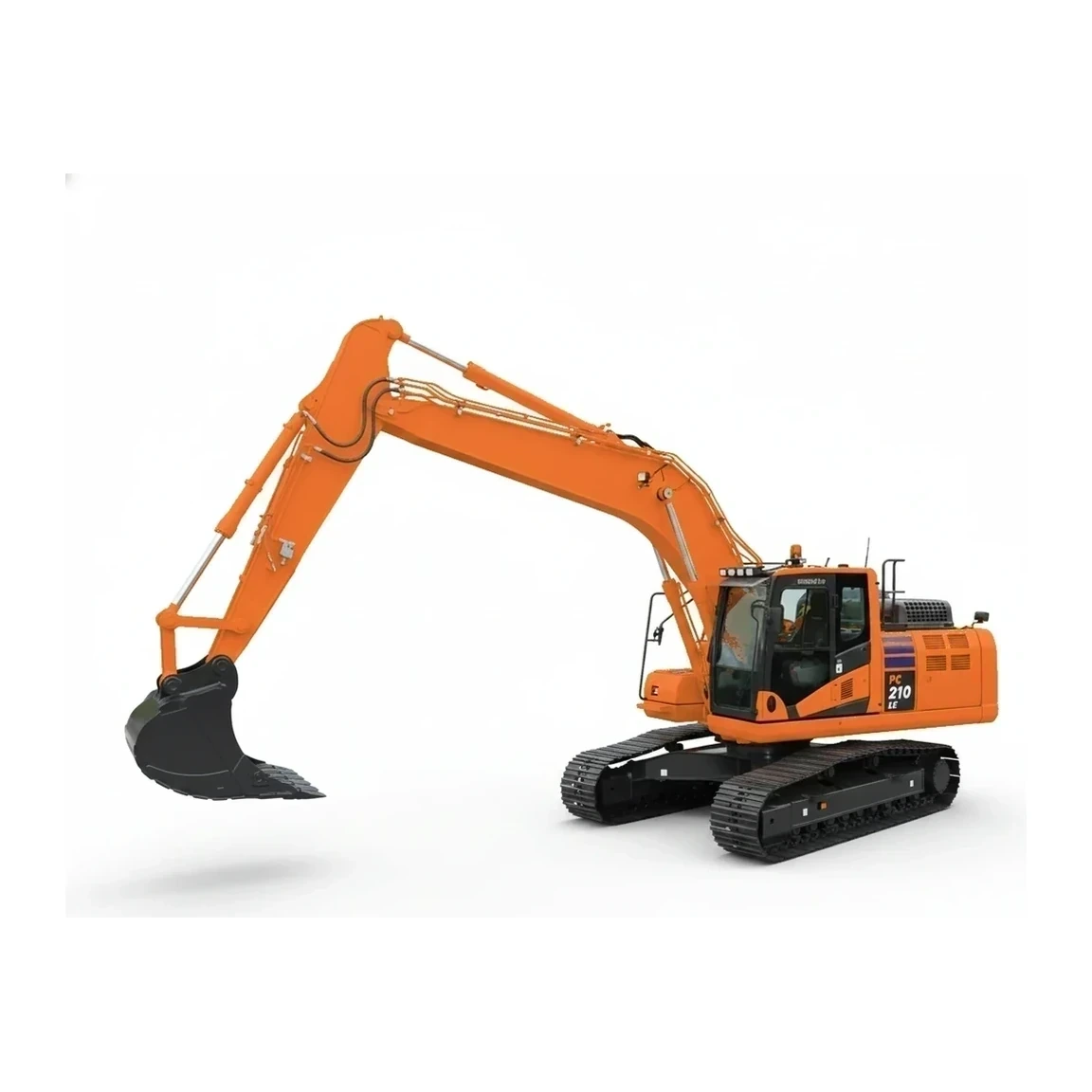
Excavators dig, lift, and demolish with a boom, stick, and bucket on a rotating house. Mini excavators are the most numerous class in the catalog, followed by full-size track machines, with long-reach and wheeled variants for specialty work.
Cómo funciona
Hydraulic cylinders articulate boom, stick, and bucket while the house swings independently of the undercarriage, letting the machine dig and dump without repositioning. Digging force and reach scale with machine weight, and quick couplers swap buckets for breakers, augers, grapples, and compaction wheels.
Tipos y variantes
- Mini Excavator
- Compact tracked excavator, typically under about 6 t, for utility and residential digging.
- Track Excavator
- Full-size crawler excavator for mass excavation, lifting, and demolition.
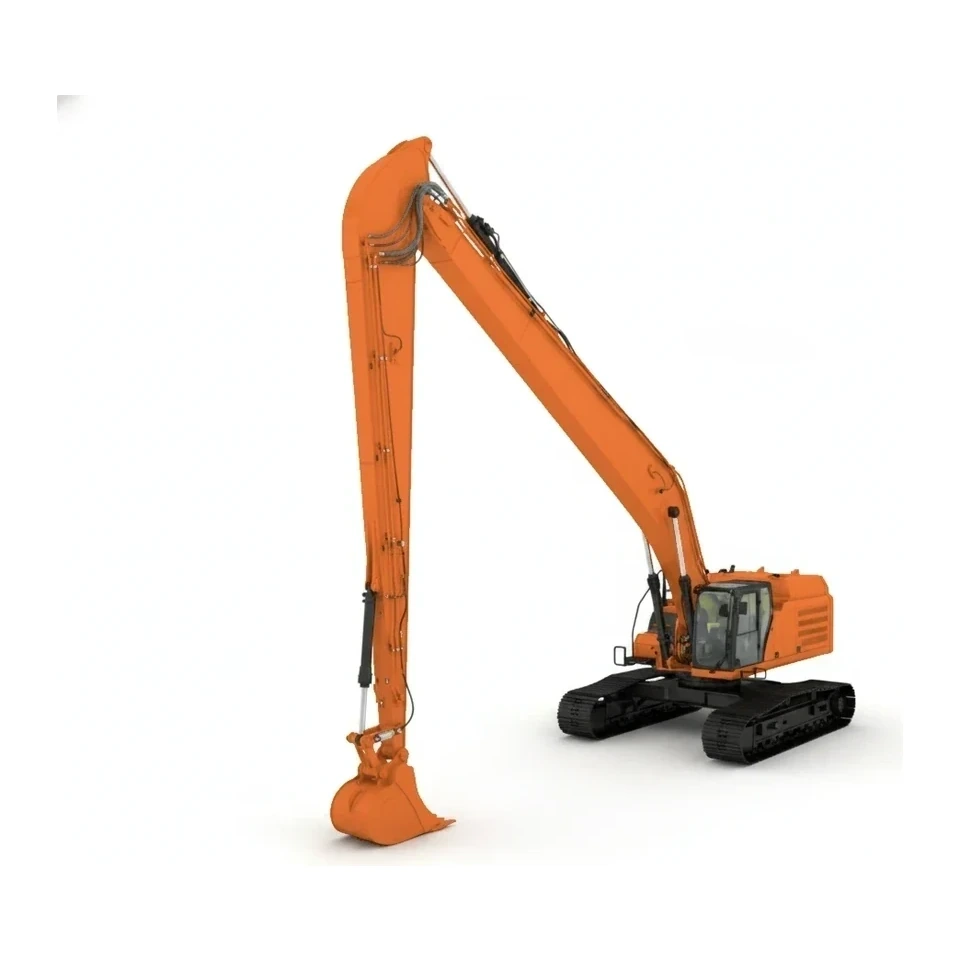
- Long-Reach Excavator
- Excavator with an extended boom and stick for dredging, deep reach, and slope work.
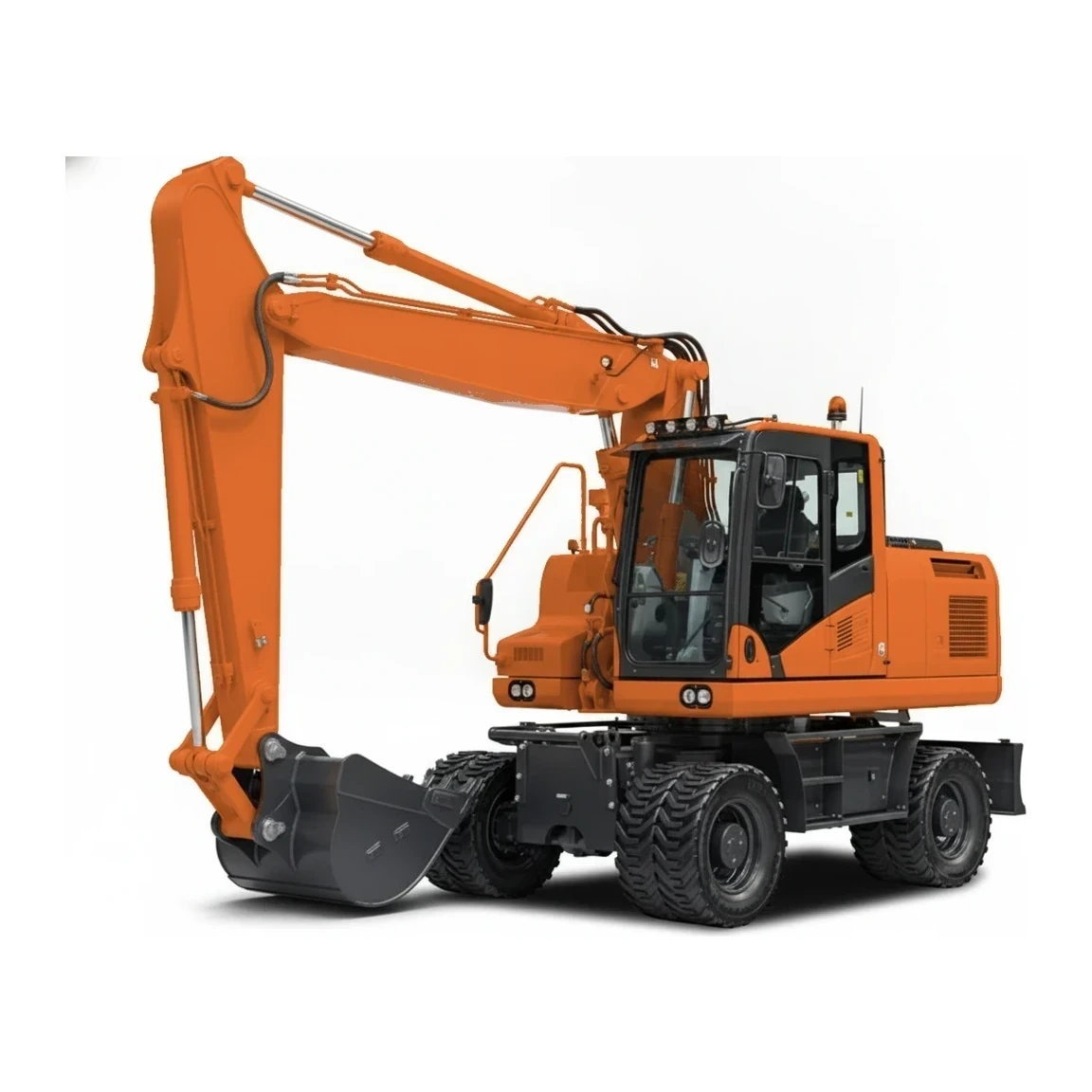
- Wheeled Excavator
- Rubber-tired excavator that travels between work areas without a transport trailer.
Cómo elegir
Machine weight is the master variable: it sets dig depth, lift capacity, transport requirements, and access. Minis fit through gates and work beside structures; mid-size machines balance depth and transportability; large classes move mass volumes. Long-reach booms suit dredging and slope work, and wheeled machines suit road corridors with frequent repositioning.
Normas y certificaciones
- ISO · ISO 20474
- International safety requirements for earth-moving machinery.
- OSHA · 29 CFR 1926.602
- Material-handling equipment rules covering loaders, graders, dozers, and similar machines.
- Common Ground Alliance
- Damage-prevention best practices, including 811 notification before any excavation.