

16+ ft Backhoe Loader
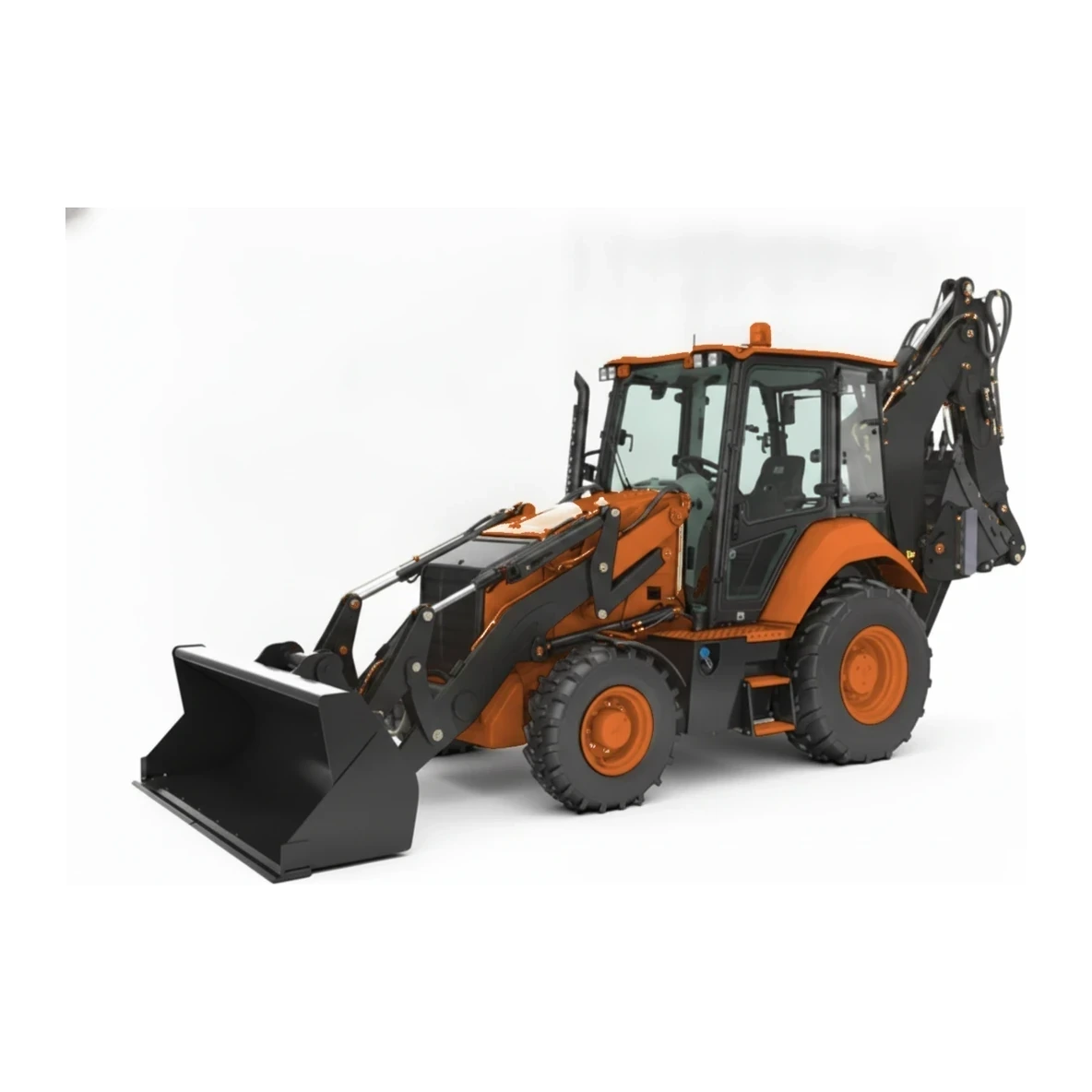
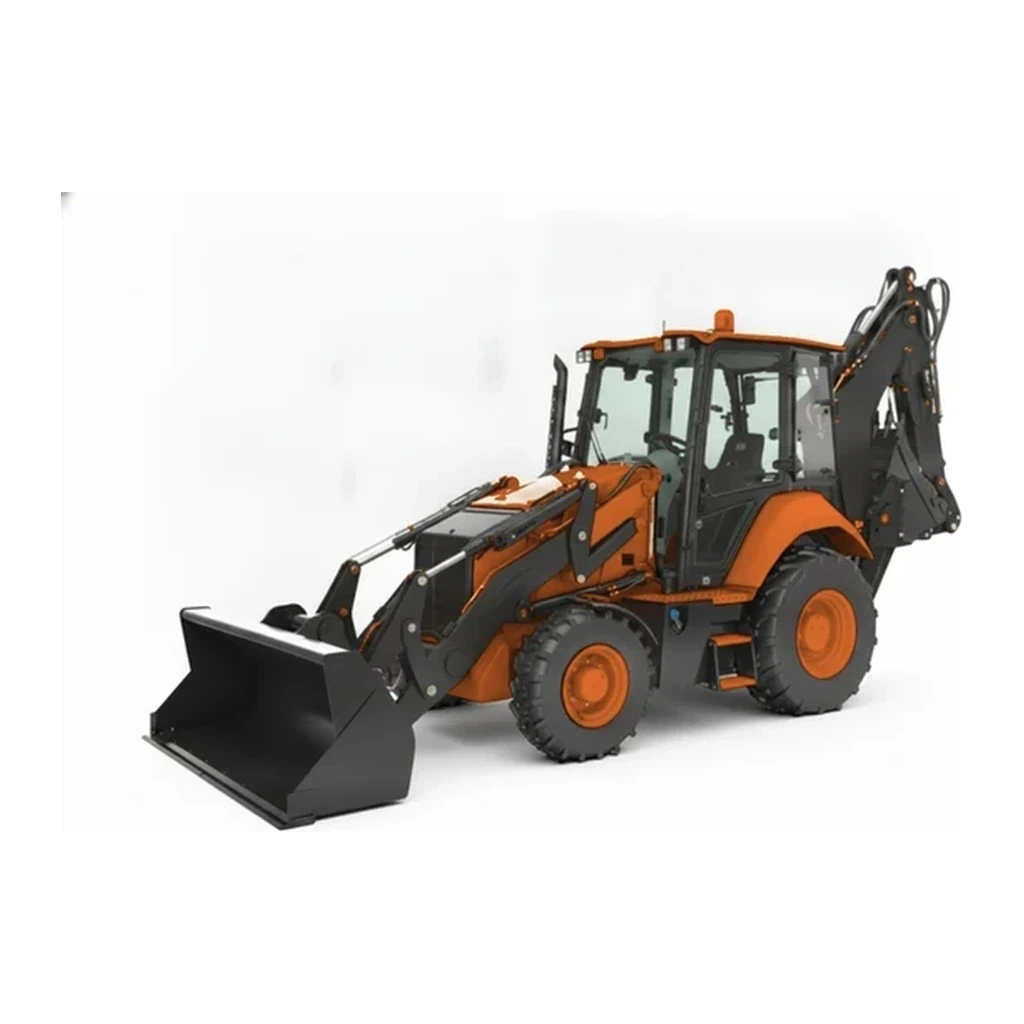
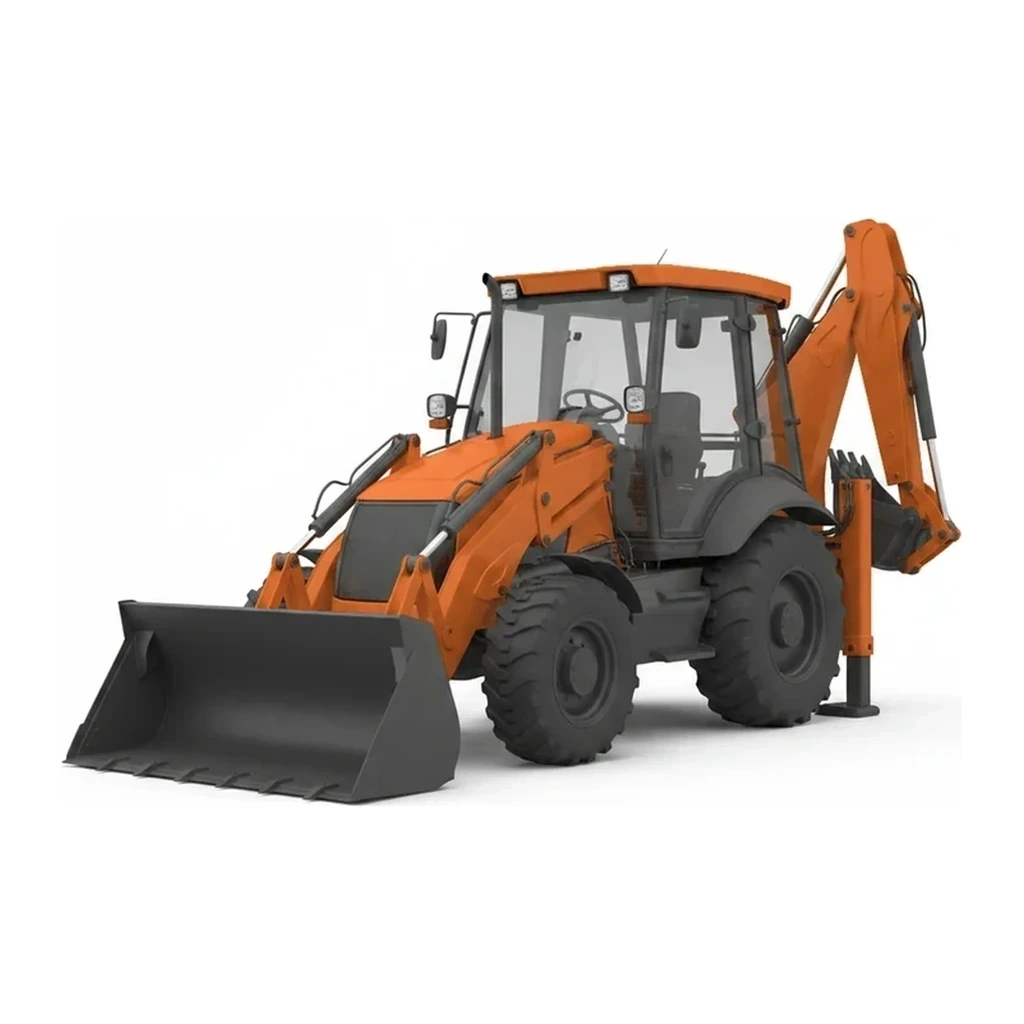
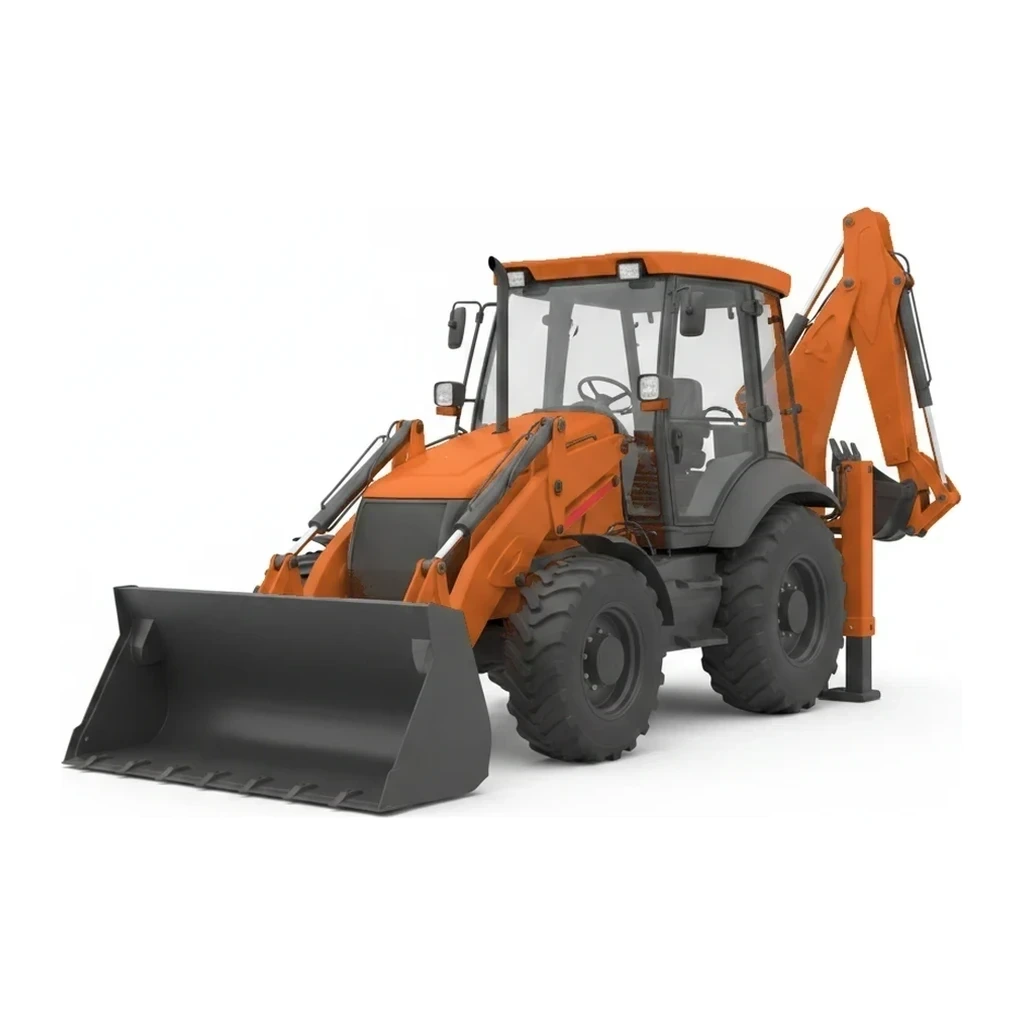
The 16+ ft backhoe loader class comprises extendahoe machines engineered to reach past 17 ft digging depth, enabling deep service lateral installation and utility trenching without deploying a dedicated excavator. These specialized loaders combine the versatility of standard backhoes with telescoping or extended-boom geometry, sacrificing some compactness for reach that addresses deep municipal and utility work. Case and JCB manufacture models in this segment, with operating weights from 7,366 to 14,905 kg and engine power spanning 55 to 110 hp.
Cat classes
Elija una clase de tamaño: la capacidad y el alcance varían en la gama.
Especificaciones clave
| Especificación | Rango típico | Qué significa |
|---|---|---|
| Maximum dig depth | 17–19.6 ft (5.2–6.0 m) | Extended boom geometry enables excavation of deep service laterals and water mains without excavator mobilization. |
| Engine power | 55-110 hp | Diesel powerplants sized to manage hydraulic demand of extended-reach boom circuits and loader bucket. |
| Operating weight | 16,314–32,849 lb (7,400–14,900 kg) | Heavier frames and counterweights stabilize the machine during maximum-reach digging operations. |
| Lift capacity | 3,075–3,822 lb (1,395–1,734 kg) | Loader-end capacity for material handling, pallet placement, and front-bucket work between excavation tasks. |
Cómo elegir
Extendahoe loaders in the 16+ ft class suit projects requiring dig depths beyond 17 ft: typically deep sewer laterals, water service trenching below frost lines in northern climates, or utility installations where standard backhoe reach falls short. When dig depths stay within 14-16 ft and the site benefits from a more compact footprint or lower transport weight, the 14-16 ft Backhoe Loader class offers better maneuverability and reduced operating cost. Projects demanding depths approaching 20 ft or continuous excavation productivity may justify deploying a dedicated excavator, though extendahoes retain versatility for mixed loader-excavator tasks on the same job.
Lo que maneja este tamaño
- Deep sanitary sewer lateral installation at 18 ft below grade in residential subdivisions
- Water main service connections below frost depth in northern municipal systems
- Storm drain tie-ins and catch-basin excavation requiring extended reach from roadway
- Utility trench excavation along pipeline corridors with sporadic deep sections
- Foundation wall excavation and backfill on sloped lots where reach compensates for grade differential
- Rural electric and fiber-optic conduit trenching with intermittent deep crossings
Seguridad y operación
- Extended boom reach shifts center of gravity during maximum-depth digging; operators must monitor machine stability and avoid side-loading
- Rollover protective structures (ROPS) and seatbelts mandatory; extendahoe weight and height increase rollover consequences on sloped terrain
- Utility strike risk elevated when digging near maximum depth; advance locate tickets and hand-digging near marked facilities critical
- Spotter assistance recommended when working near overhead lines or structures, as extended boom height exceeds that of standard backhoes
Transporte y logística
- Operating weights to 14,905 kg typically require tandem-axle tagalong or tilt-deck trailers rated 16,000-18,000 lb capacity
- Extendahoe boom geometry may increase overall transport length; verify trailer deck length accommodates extended boom profiles or retracted stow configurations
- Towing vehicles must meet GCWR for combined trailer and machine weight; Class 5-7 trucks common for heavier models in this segment
Alimentación
- Diesel fuel tanks from 38 to 159 liters; larger tanks support extended shifts in remote utility corridors without refueling infrastructure
- All models in this class run on standard on-road diesel (ULSD); no on-site electrical hookup required
- Daily fuel consumption varies with dig depth and hydraulic load; extended-reach operations increase fuel burn relative to standard backhoe work
Preguntas frecuentes
What digging depth separates an extendahoe from a standard backhoe loader?
Does the extended reach reduce loader-end performance?
When does a dedicated excavator become more practical than an extendahoe?
Comparar modelos populares
Buscar por especificación →Normalizado a las mismas unidades. Un guion significa que el valor no fue publicado.
| Modelo | Peso operativo | Profundidad de excavación máx | Alcance máx | Potencia del motor |
|---|---|---|---|---|
| Case 590SN | 20,459 lb (9,280 kg) | 16 ft (4.9 m) | - | 109 hp |
| Case 580 Super N | 16,239 lb (7,366 kg) | 17.9 ft (5.5 m) | 21.9 ft (6.7 m) | 97 hp |
| Case 580N EP Backhoe Loader | 14,905 lb (6,761 kg) | 18 ft (5.5 m) | 21.4 ft (6.5 m) | 90 hp |
| Case 695SV | - | 19.6 ft (6.0 m) | - | 110 hp |
| JCB 3CX | - | 19.7 ft (6.0 m) | - | 74 hp |
| Case 590 Super N | 20,532 lb (9,313 kg) | 19.5 ft (5.9 m) | - | 110 hp |
Equipos relacionados
Explorar por fabricante
Fuentes
Cada especificación se verifica con los datos publicados por el fabricante, con la fuente enlazada como referencia.
16+ ft Backhoe Loader
6 modelos · Cada especificación citada a la fuente