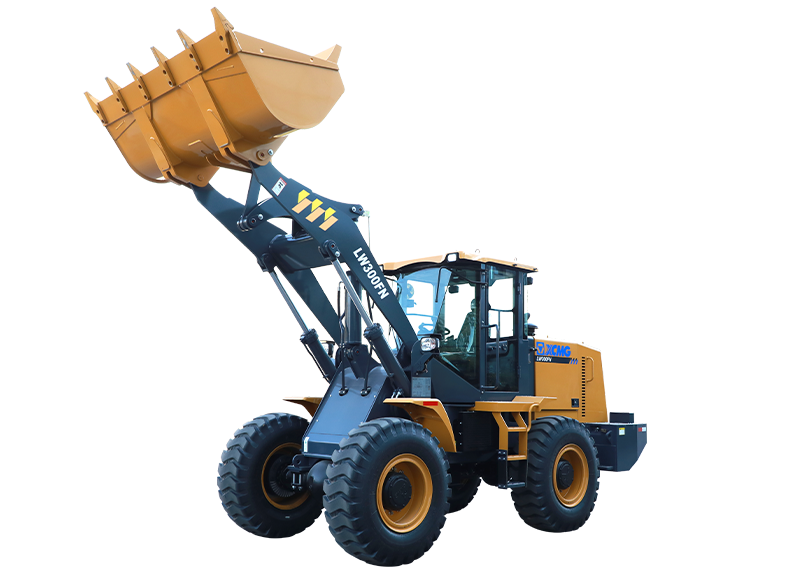
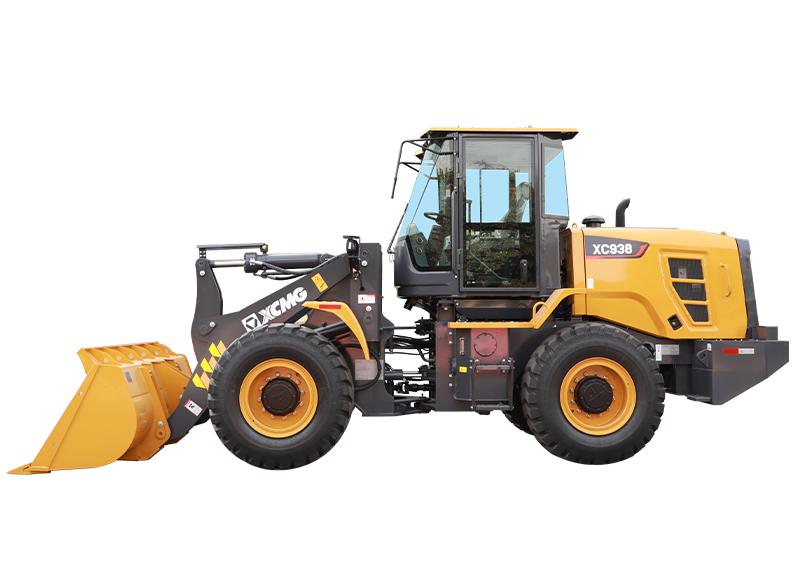
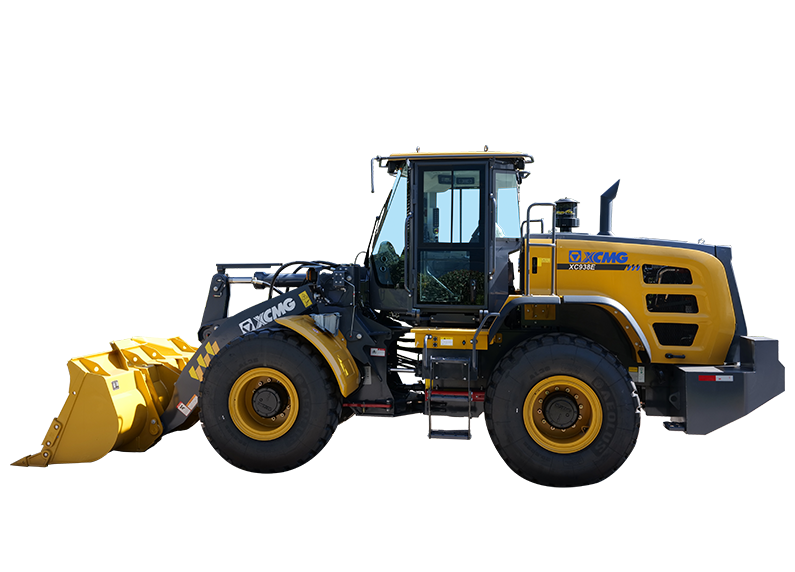
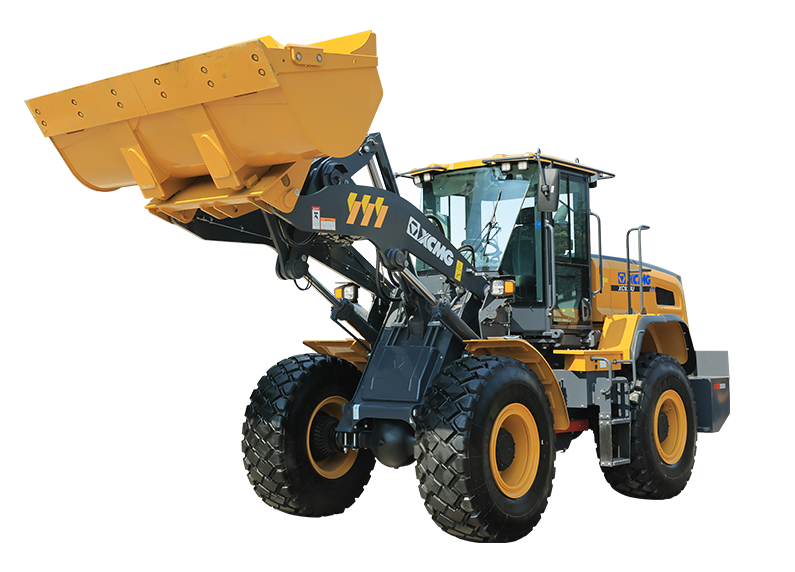
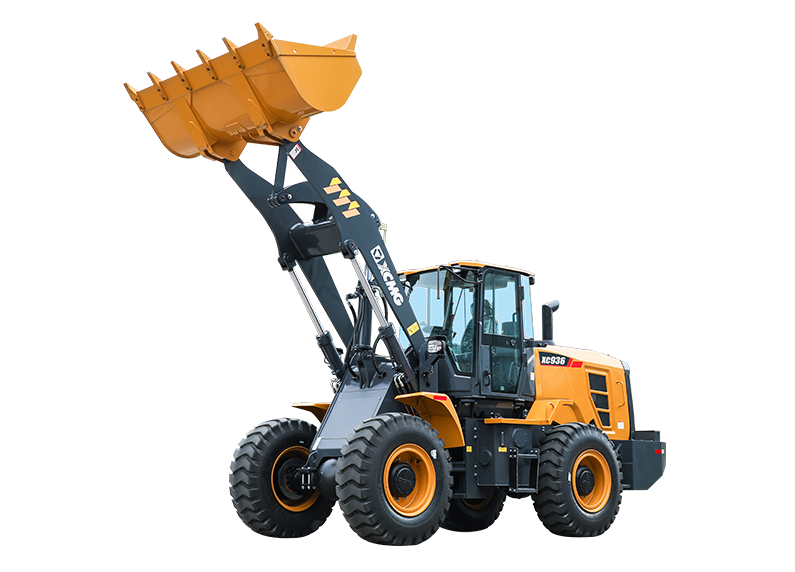
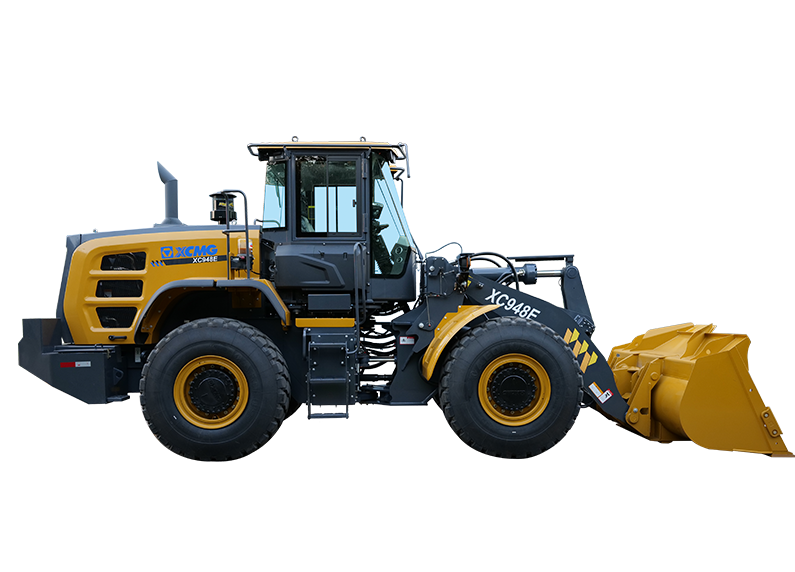
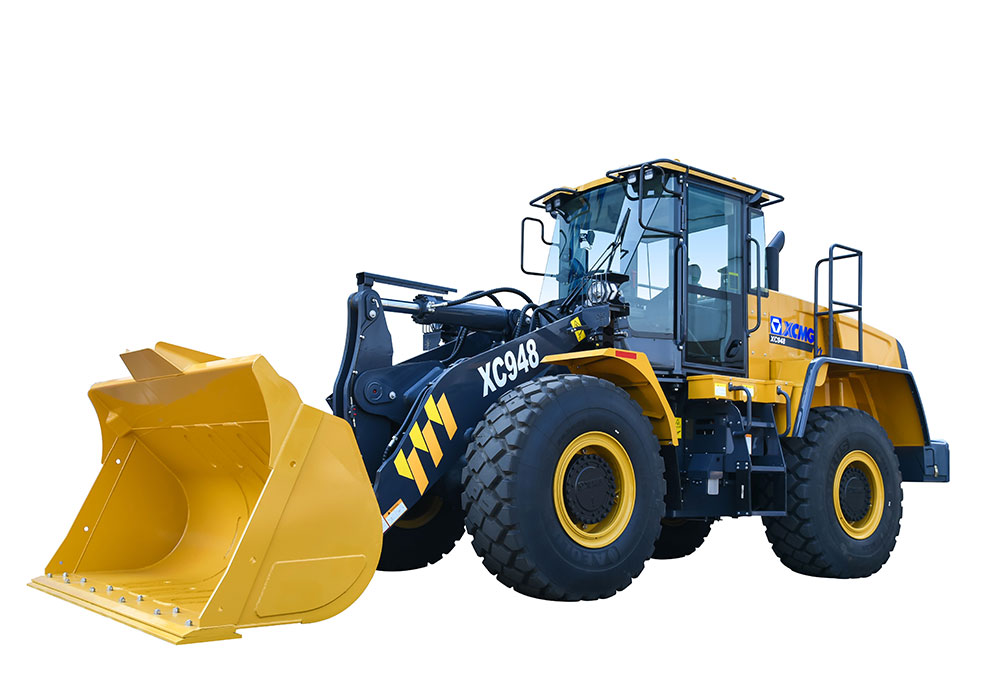
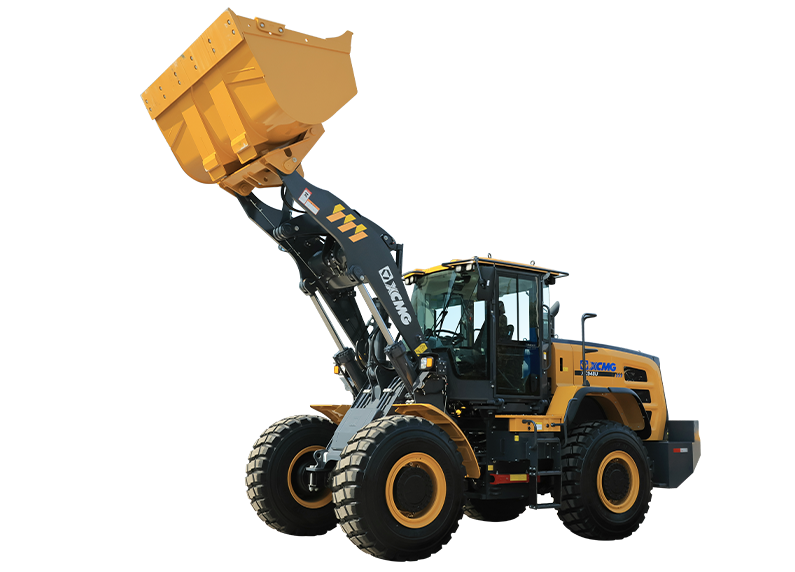
1.5-3 cu yd Wheel Loader
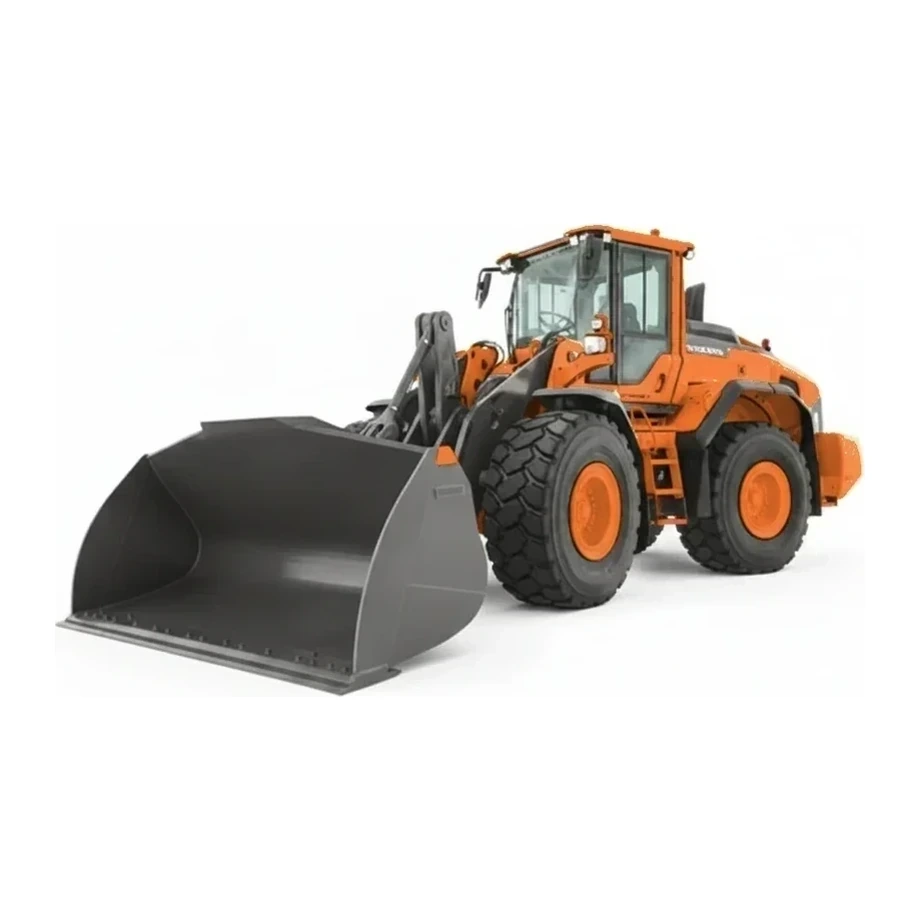
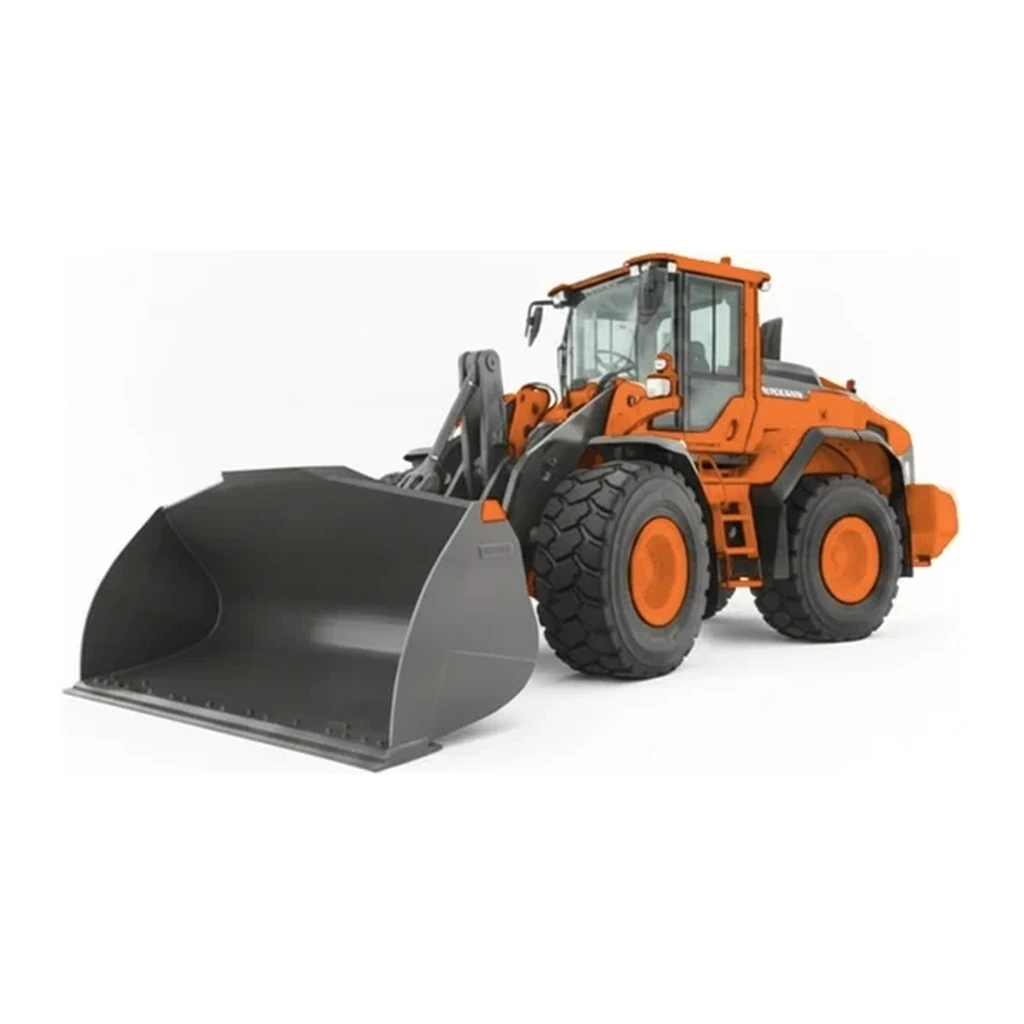
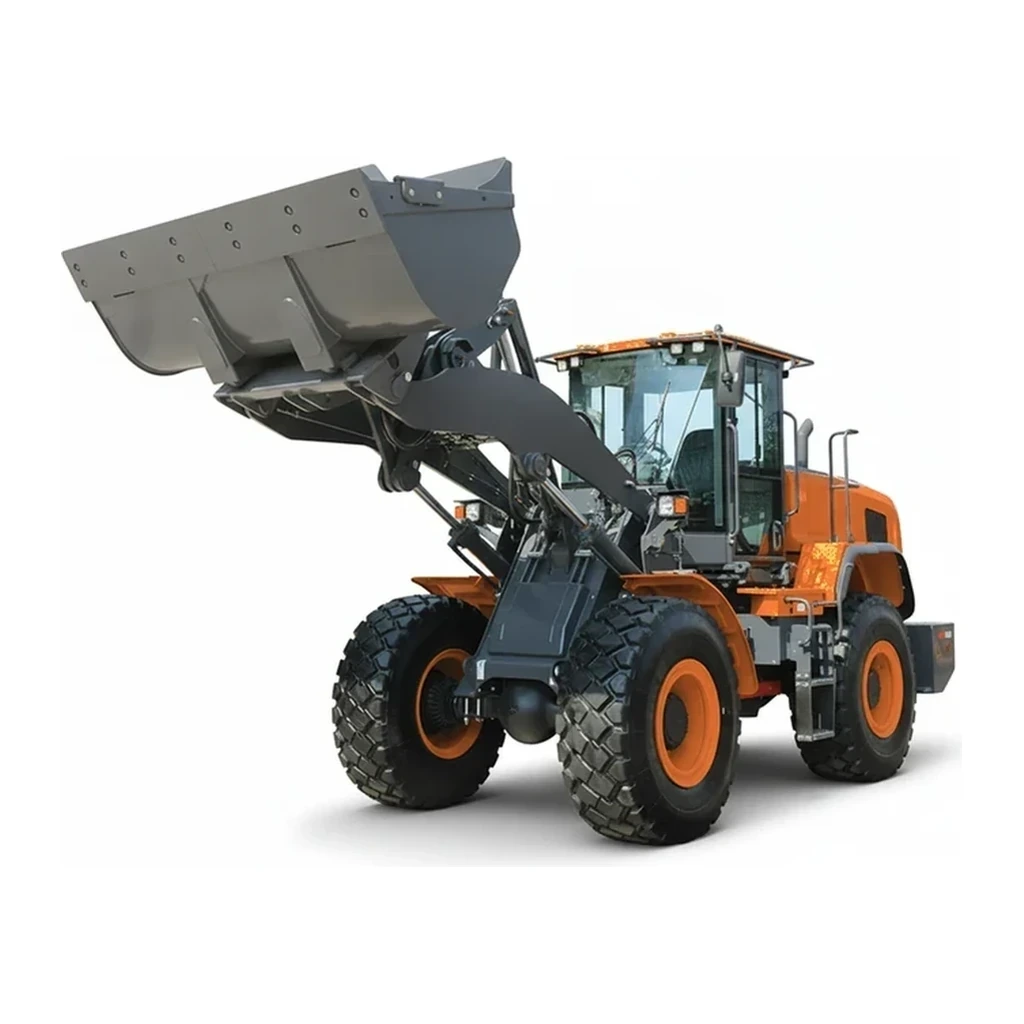
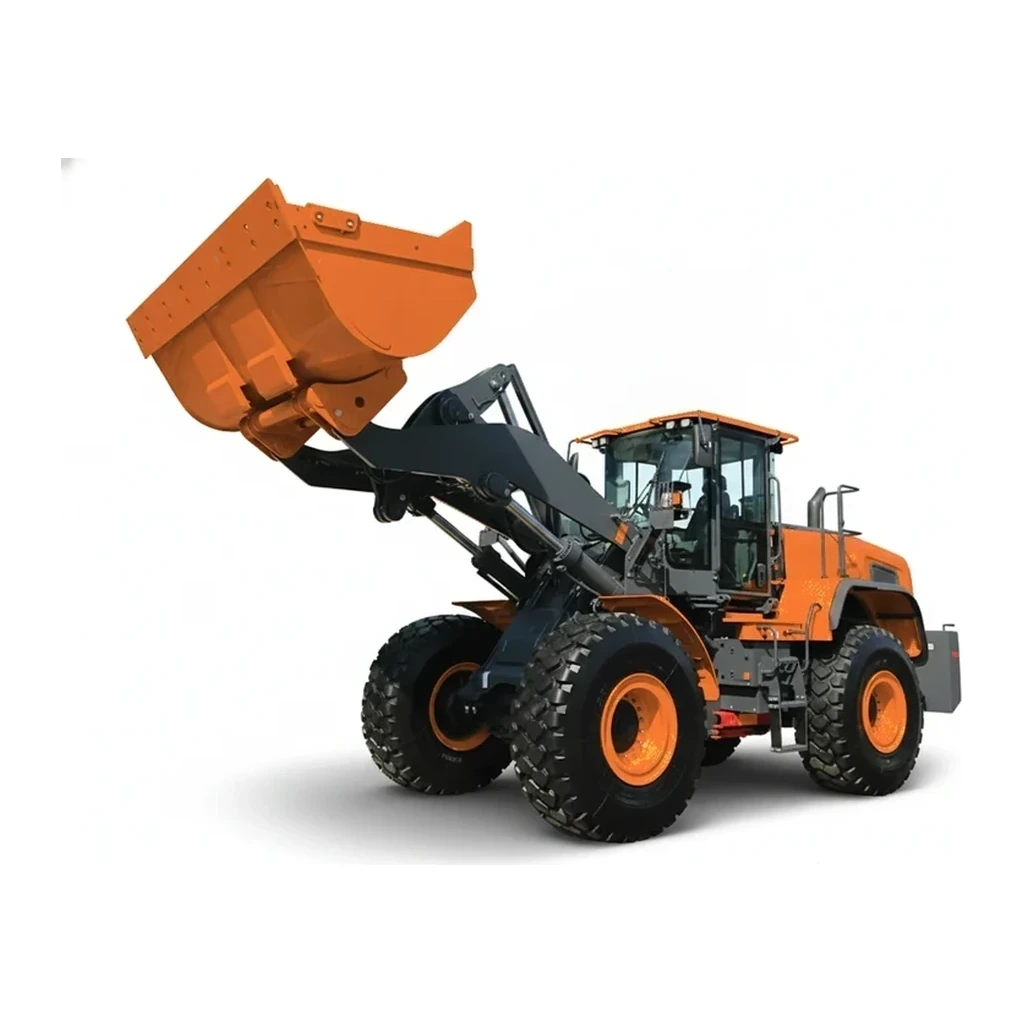
The 1.5-3 cu yd wheel loader is a mid-size workhorse for batch plants, small quarries, and general site loading tasks. With typical bucket capacities of 1.8-2.3 cubic yards and operating weights between 11,000 and 22,900 kilograms, this size class balances material-moving capacity with maneuverability on developed sites. It sits between the Up to 1.5 cu yd models and the heavier 3-5 cu yd production loaders.
Cat classes
Elija una clase de tamaño: la capacidad y el alcance varían en la gama.
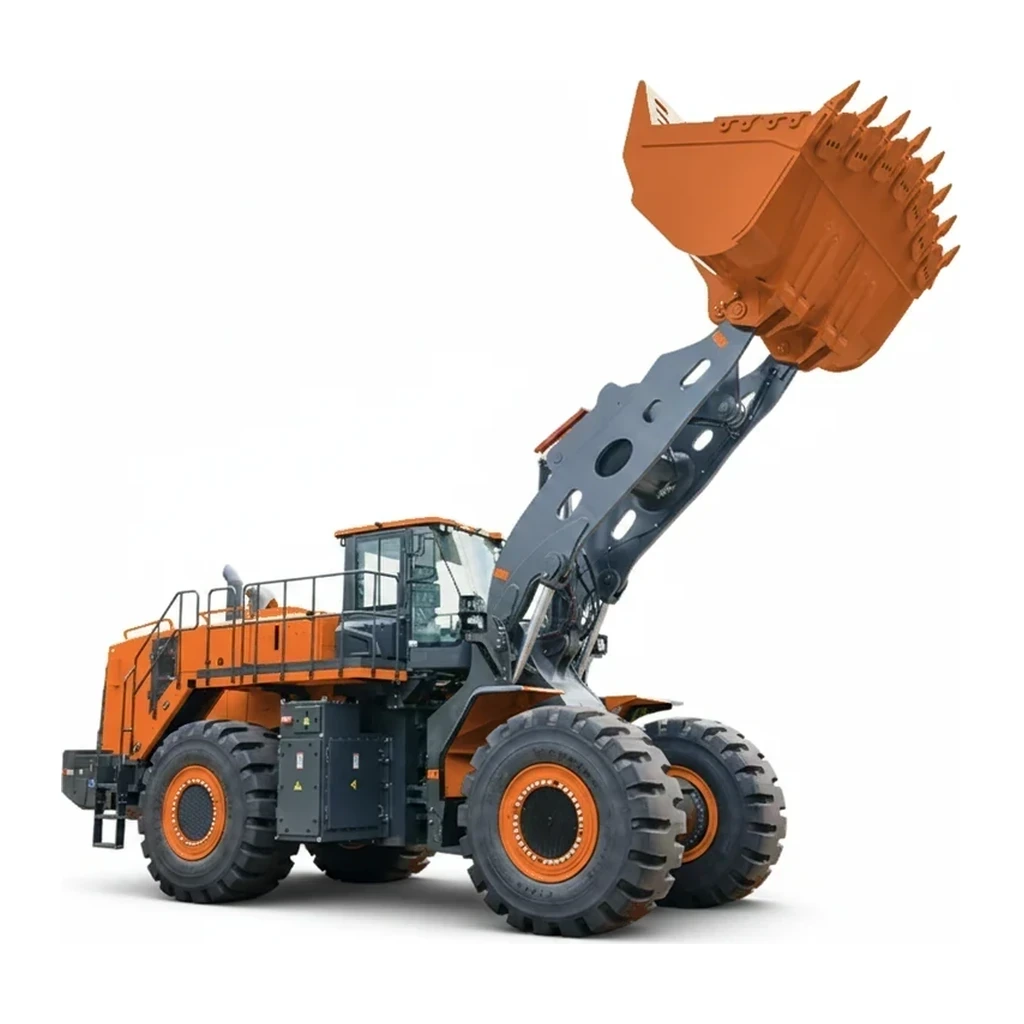
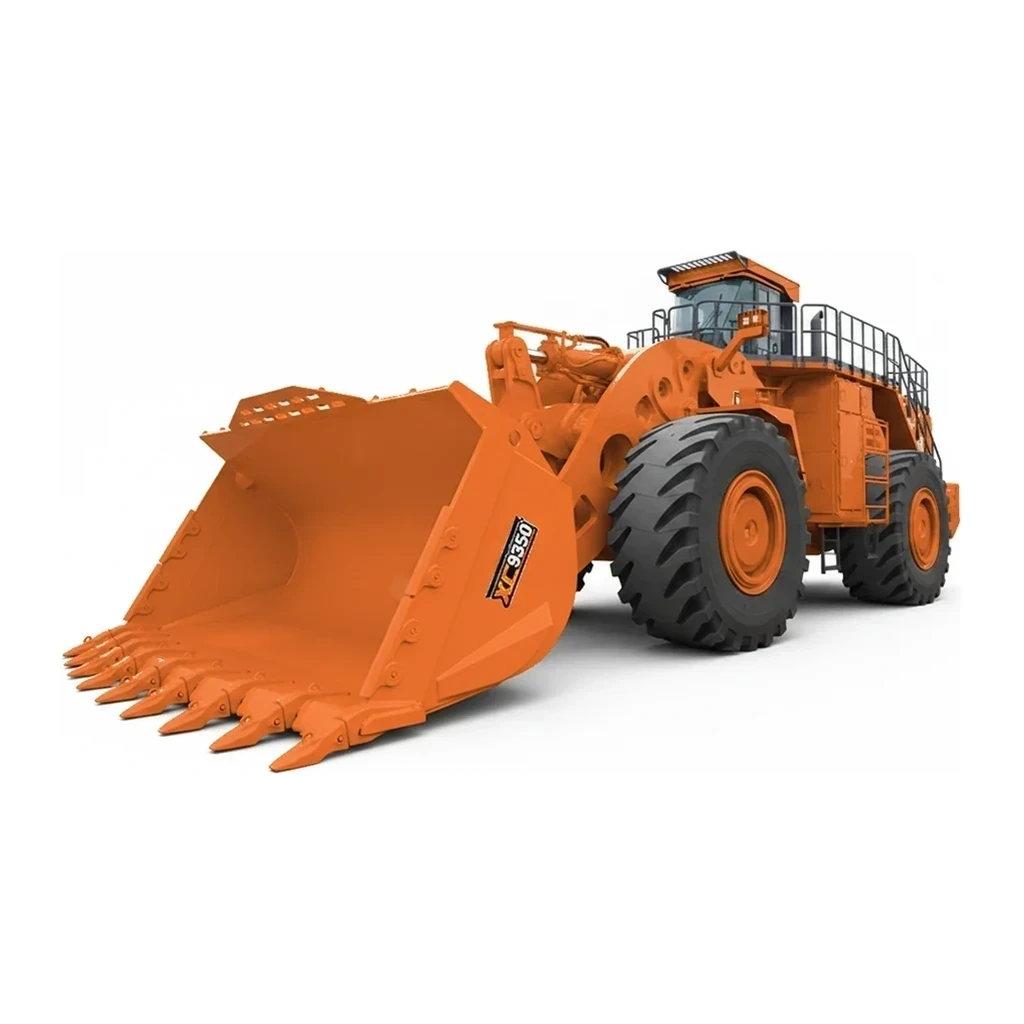
Especificaciones clave
| Especificación | Rango típico | Qué significa |
|---|---|---|
| Bucket Capacity | 1.8-2.3 cu yd | Material volume per cycle, determining load efficiency and truck-matching capability |
| Engine Power | 96-172 hp | Hydraulic performance and ramp/grade ability under load |
| Operating Weight | 11,000-22,900 kg (24,250-50,500 lb) | Machine mass affecting stability, ground pressure, and transport requirements |
| Fuel Tank Capacity | 37-246 L (10-65 gal) | Operating duration between refueling cycles |
Cómo elegir
This size class is appropriate for batch plant operations, small quarry loading, general site material handling, and feeding mid-size trucks or hoppers. The 1.8-2.3 cu yd bucket suits projects requiring moderate production rates with reasonable site access. For residential site work, landscape supply yards, or confined areas where a smaller footprint is essential, the Up to 1.5 cu yd Wheel Loader offers better maneuverability. When production demands increase, large quarries, high-volume earthmoving, or loading articulated haul trucks, the 3-5 cu yd Wheel Loader delivers greater bucket capacity and cycle efficiency.
Lo que maneja este tamaño
- Batch plant aggregate feeding and stockpile management
- Small quarry loading into 15-20 ton dump trucks
- General contractor site loading and material staging
- Scrap yard material sorting and loading
- Municipal yard operations and snow removal
- Feeding crushers and screening plants at portable operations
Seguridad y operación
- Rollover protective structures (ROPS) and falling object protective structures (FOPS) standard on modern units
- Operator certification and site-specific training required for safe articulated-frame steering operation
- Bucket-height clearance and visibility management critical in confined or overhead-obstruction areas
- Ground conditions must support 11,000-22,900 kg operating weights to prevent sinking or instability
Transporte y logística
- Requires heavy-duty lowboy or tilt-bed trailer rated for 24,250-50,500 lb loads
- Transport width and height typically require route planning and may need permits depending on jurisdiction
- Most models exceed single-axle trailer capacity; tandem or tri-axle trailers standard for this weight class
Alimentación
- Diesel fuel; tank capacities support 8-12 hour operating shifts depending on load intensity
- On-site diesel storage or daily refueling logistics required for continuous operations
- Cold-weather operations may require fuel winterization and block heaters
Preguntas frecuentes
What truck size does a 2 cu yd loader typically match?
How does operating weight affect this size class?
What differentiates models within this 1.5-3 cu yd band?
Comparar modelos populares
Buscar por especificación →Normalizado a las mismas unidades. Un guion significa que el valor no fue publicado.
| Modelo | Peso operativo | Profundidad de excavación máx | Alcance máx | Potencia del motor |
|---|---|---|---|---|
| Case 621G | - | - | - | 172 hp |
| JCB 422ZX | 26,455 lb (12,000 kg) | - | 18.6 ft (5.7 m) | 128 hp |
| Wacker Neuson WL95 | 22,906 lb (10,390 kg) | - | - | 136 hp |
| Case 521G | - | - | - | - |
| Komatsu WA270-8 | 29,079 lb (13,190 kg) | - | - | 149 hp |
| Volvo L35 | 13,448 lb (6,100 kg) | - | - | 74 hp |
Equipos relacionados
Explorar por fabricante
Fuentes
Cada especificación se verifica con los datos publicados por el fabricante, con la fuente enlazada como referencia.
1.5-3 cu yd Wheel Loader
16 modelos · Cada especificación citada a la fuente