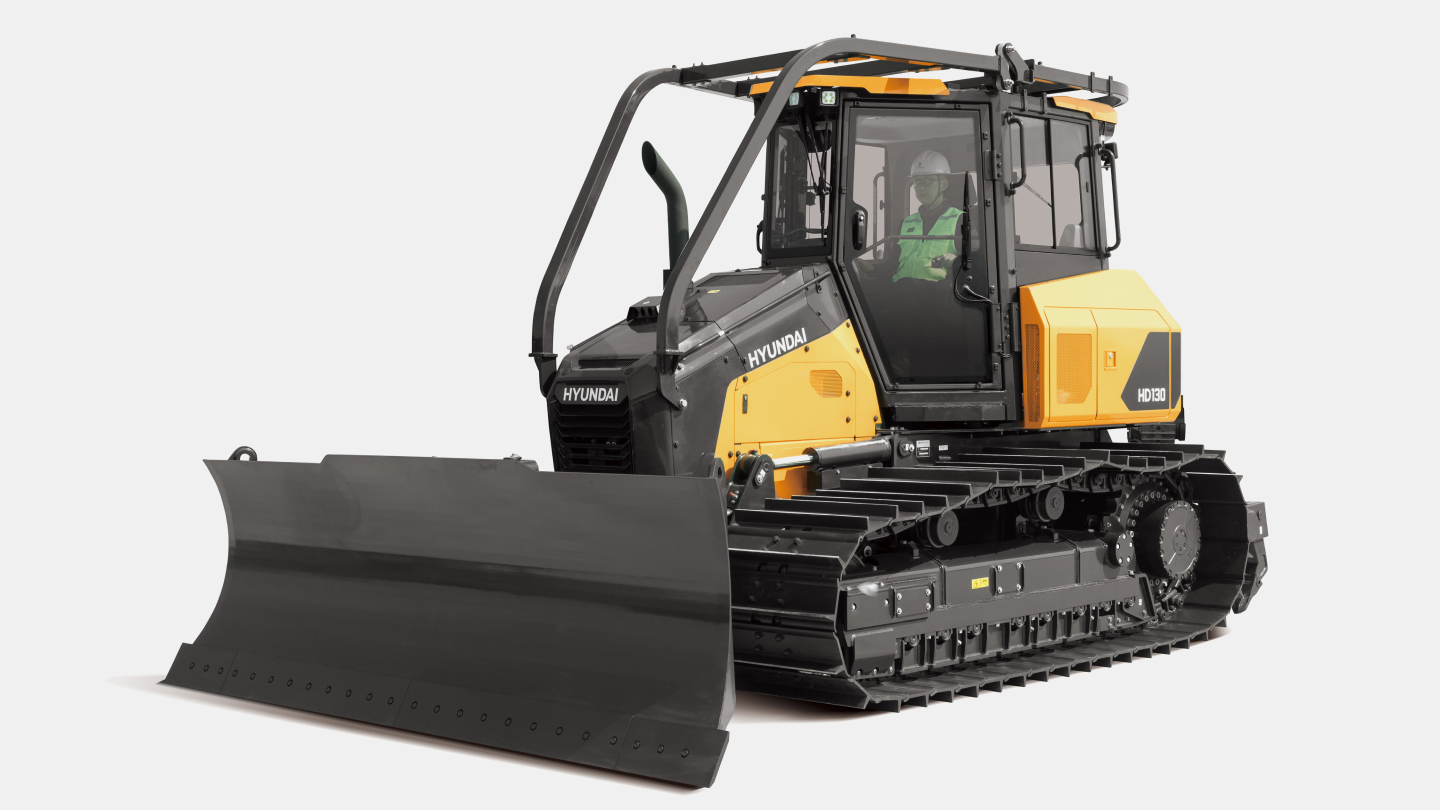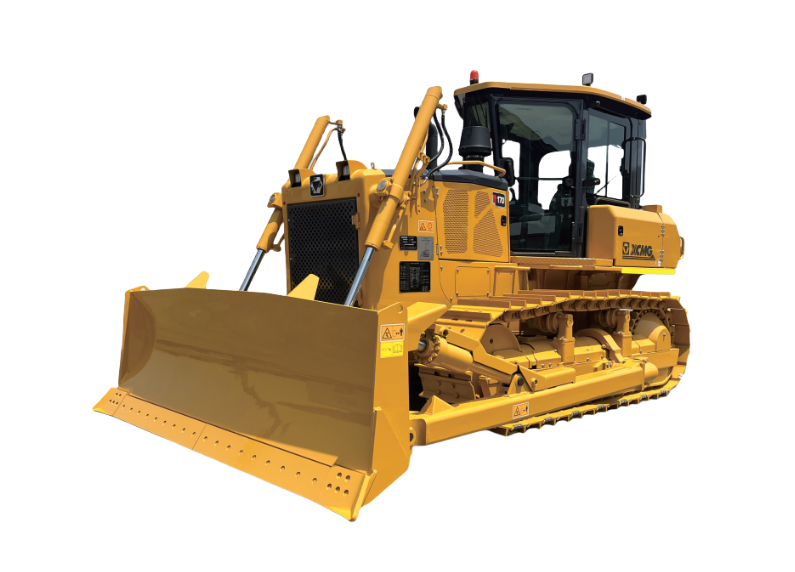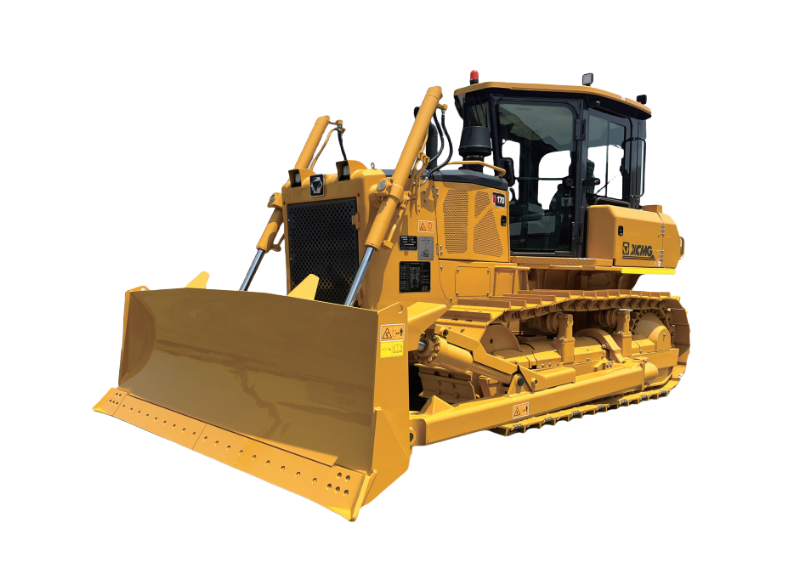

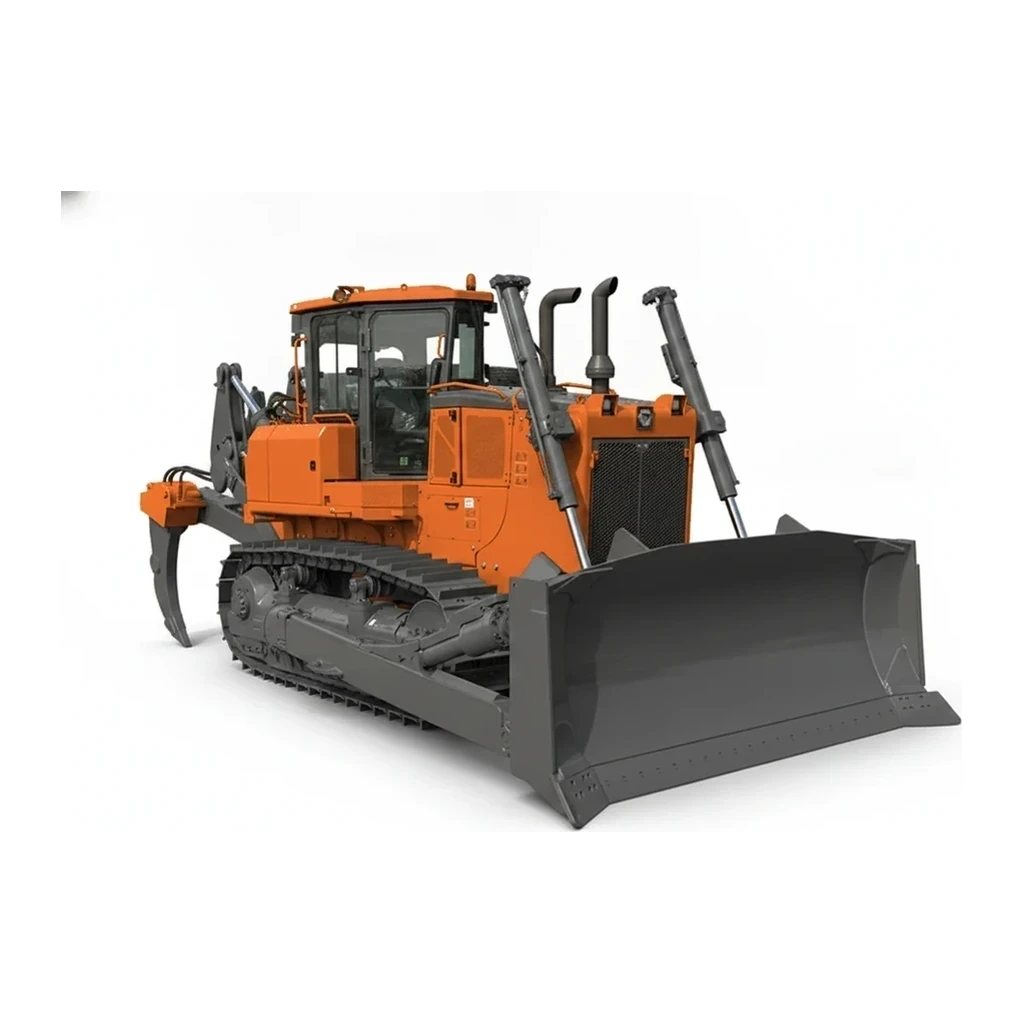
130-200 hp Dozer
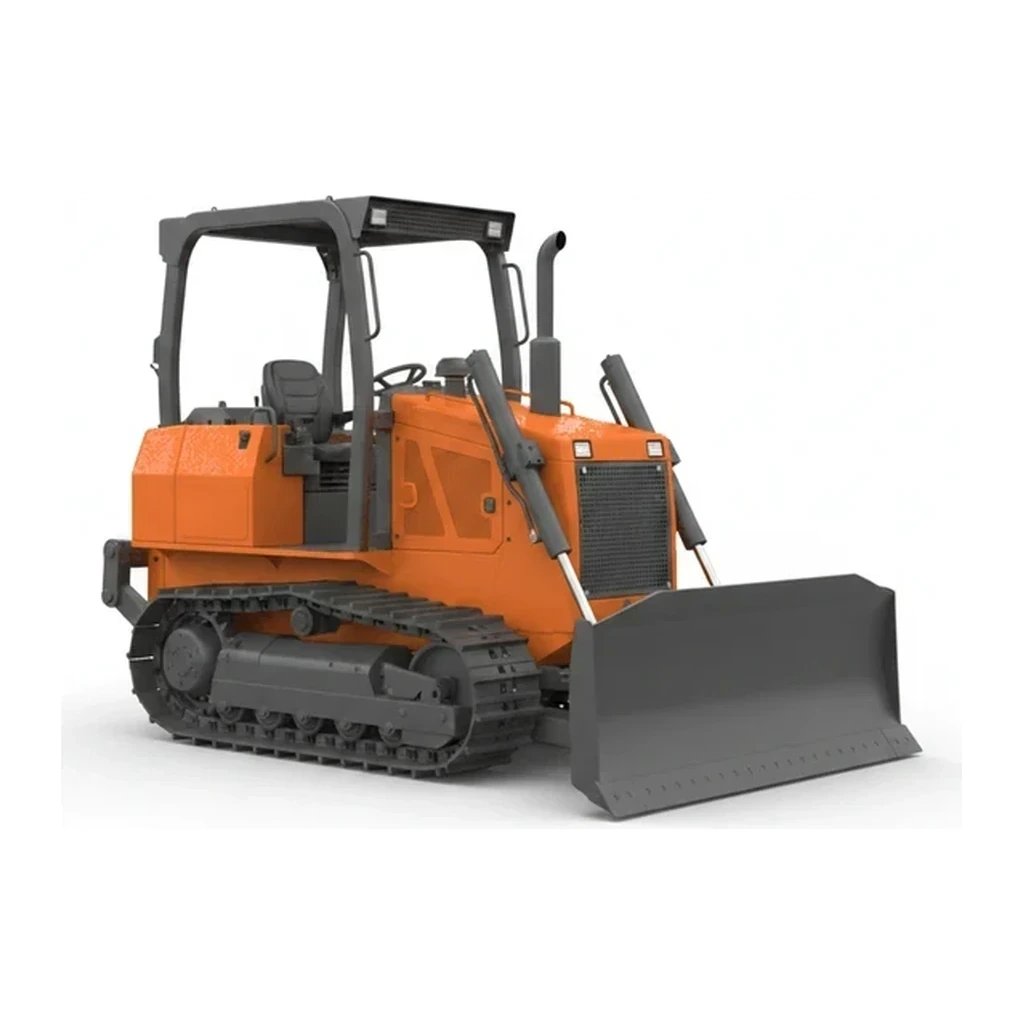
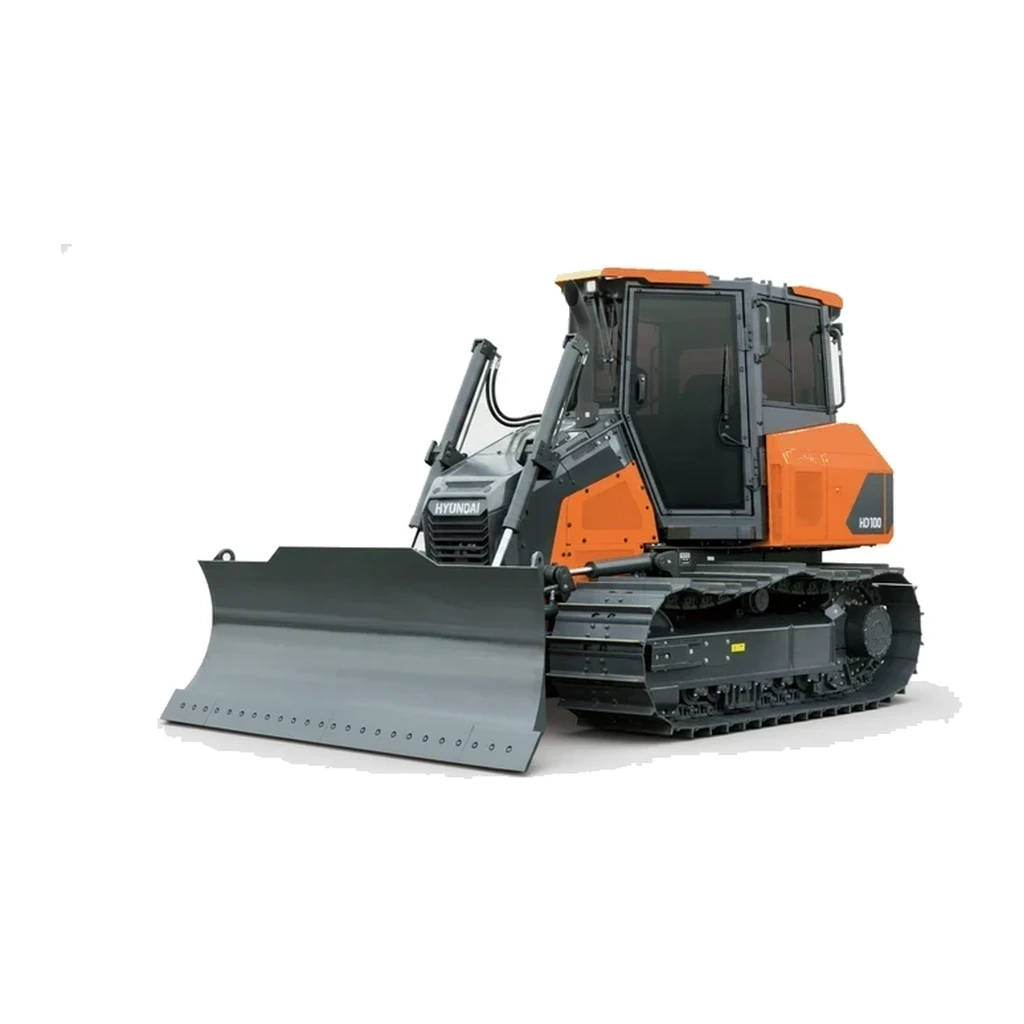
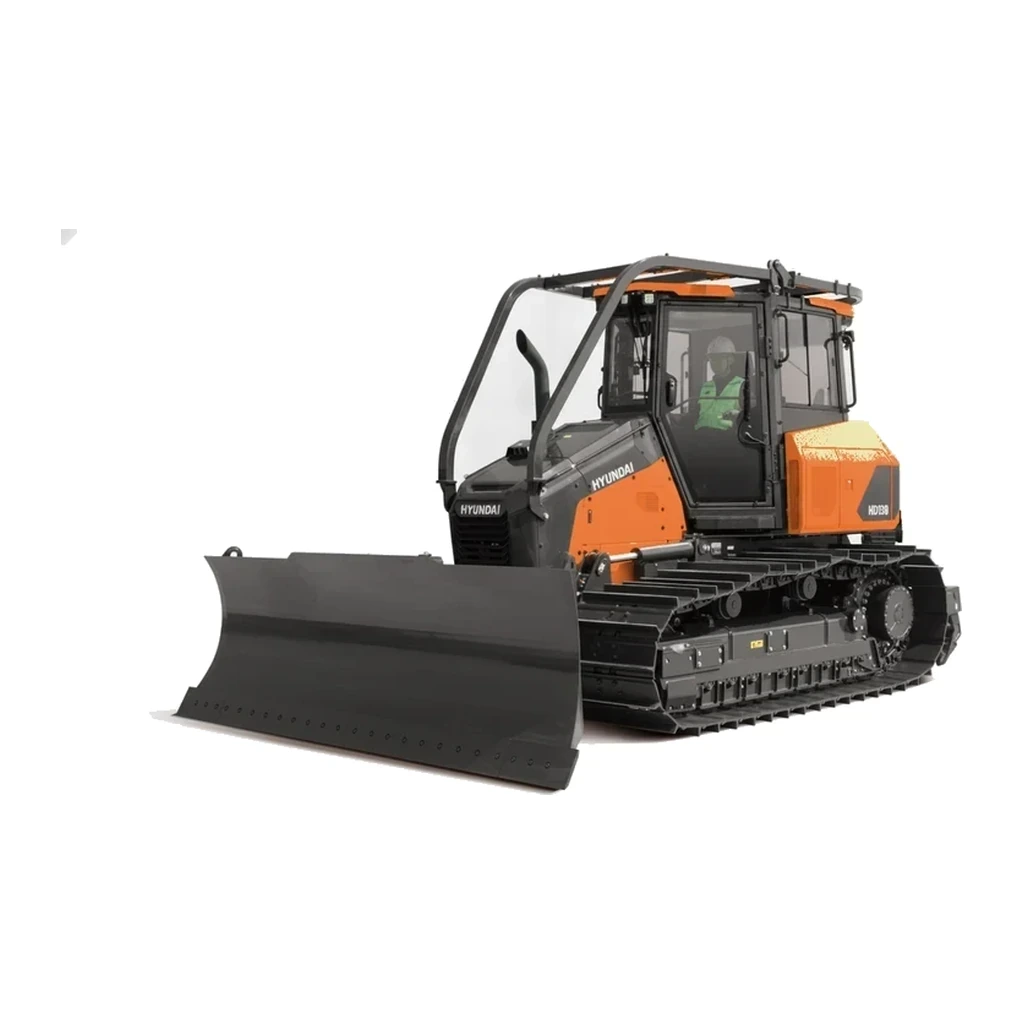
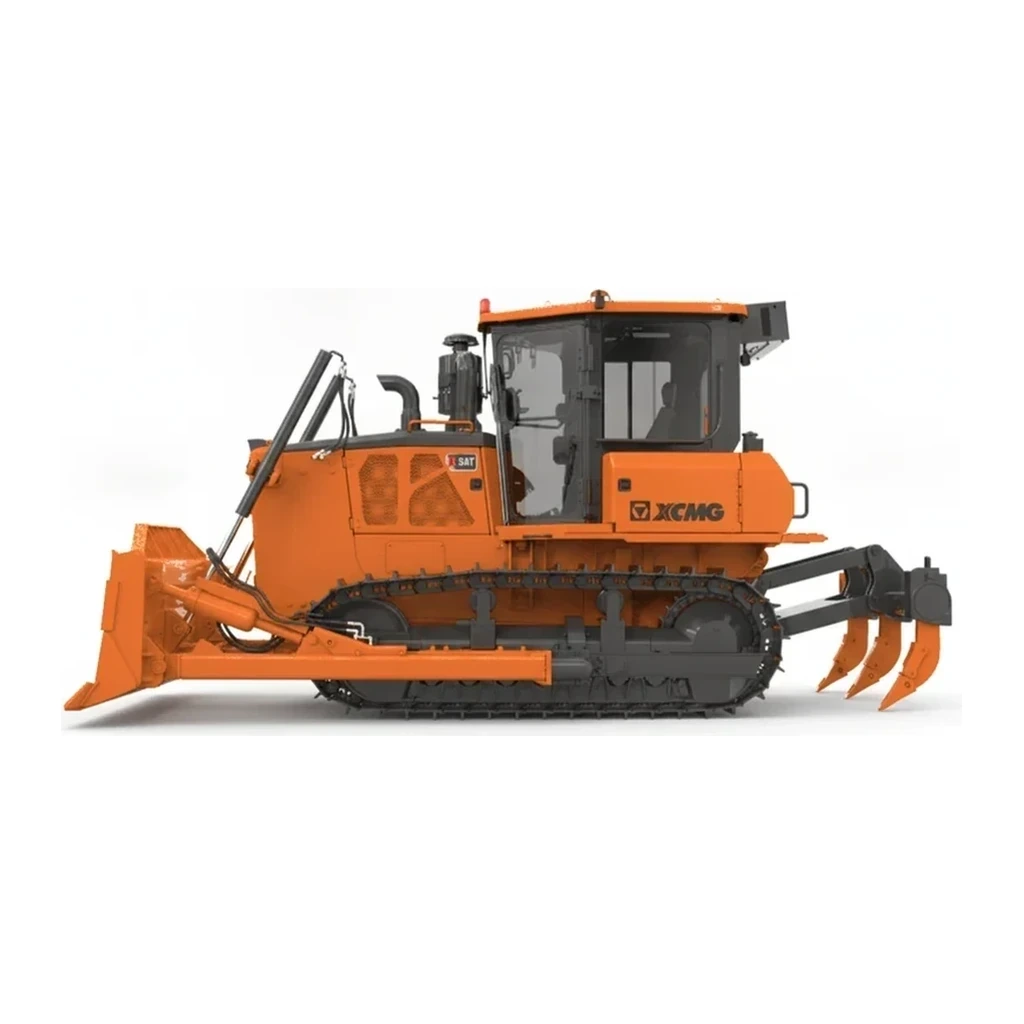
The 130-200 hp dozer represents the D6 class, the mass-grading workhorse of the dozer family. This size class handles road subgrade preparation, pond construction, and long push work where productivity and fuel efficiency balance across extended runs. Positioned between the 90-130 hp and 200-300 hp bands, this class delivers the power density most земляных работ general earthwork contractors rely on daily.
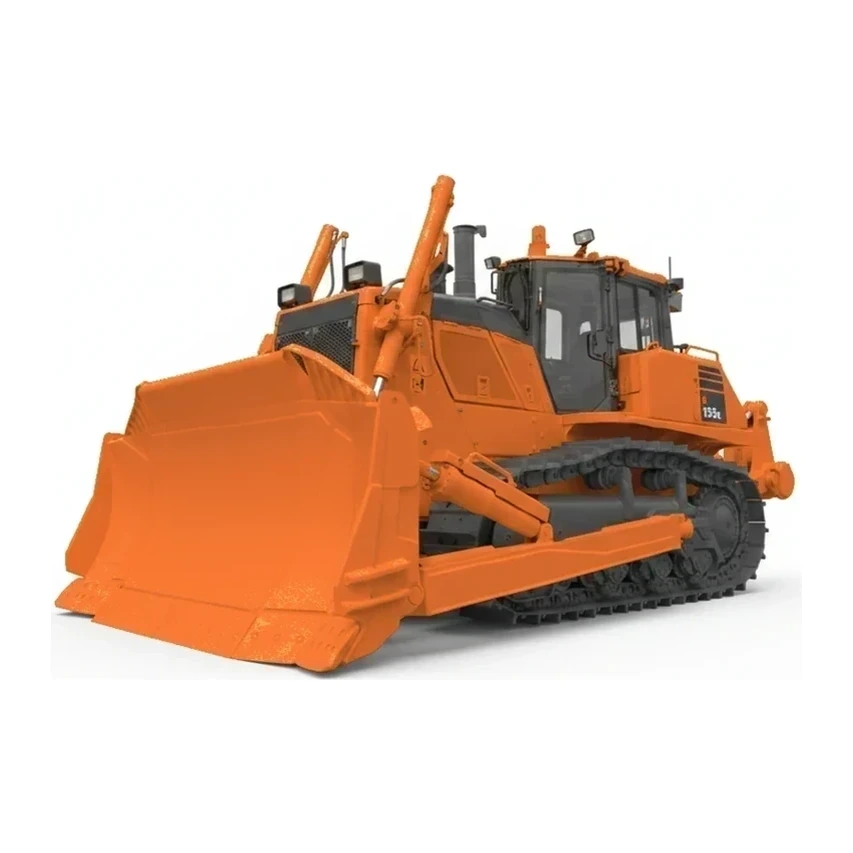
Cat classes
Elija una clase de tamaño: la capacidad y el alcance varían en la gama.
Especificaciones clave
| Especificación | Rango típico | Qué significa |
|---|---|---|
| Engine power | 103-185 hp | Mid-range output for sustained pushing and grading without the fuel penalty of larger machines |
| Operating weight | 29,101–53,462 lb (13,200–24,250 kg) | Mass sufficient for traction on moderate grades and cohesive soils without excessive ground pressure |
| Blade capacity | 2.5-4.0 m³ | Balanced for 30-60 m push distances common in site prep and road construction |
| Drawbar pull | 110-150 kN | Adequate for ripping weathered rock and pushing loaded scrapers in tandem operations |
Cómo elegir
The 130-200 hp band suits mass grading on sites requiring 1,000+ m³/day moved over moderate push distances, road subgrade stripping, and pond or basin excavation where long, sustained pushes justify the operating cost. Step down to the 90-130 hp Dozer for finish grading, residential subdivision work, or confined sites where maneuverability outweighs raw production; that class also reduces transport and fuel expense on smaller projects. Step up to the 200-300 hp Dozer when push distances exceed 80 m, when ripping hard rock or caliche, or when moving 3,000+ m³/day on large highway or dam projects where the production gain offsets the higher hourly cost.
Lo que maneja este tamaño
- Highway subgrade stripping and rough grading across 5-10 km corridor sections
- Detention pond and stormwater basin excavation with 50-80 m push to spoil
- Landfill cell construction and daily cover spreading
- Commercial pad site prep moving 1,500-2,500 m³/day
- Agricultural land leveling and reservoir dam construction
- Pipeline right-of-way clearing and backfill spreading in open terrain
Seguridad y operación
- ROPS/FOPS certified cab standard; falling-object protection critical in land-clearing and demolition applications
- Blade and ripper create significant crush and shear zones; 10 m exclusion perimeter during operation
- Ground-level fueling and service points reduce fall risk; lockout/tagout procedures required for track and undercarriage work
- Slope operation limits typically 35-45% side slope, 55-65% climbing grade; stability varies with track configuration and soil conditions
Transporte y logística
- Requires tandem-axle tag trailer or 3-axle lowboy rated 25-30 tonnes; exceeds single-axle trailer capacity
- Transport width typically 2.4-3.0 m with standard blade; some configurations require pilot car or width permits
- Loading via integrated hydraulic tilt blade and reversing onto trailer deck; 4.0-4.5 m deck height clearance needed
Alimentación
- Diesel fuel consumption 15-25 L/hr under typical load; 200-300 L on-board capacity supports 10-14 hr runtime
- Turbocharged diesel engines meeting Tier 4 Final or Stage V emissions standards in current models
- Daily DEF (diesel exhaust fluid) replenishment required on emissions-compliant units; 10-20 L tank capacity
Preguntas frecuentes
What differentiates a 130-200 hp dozer from a 200-300 hp model in production?
Can this size class handle rock ripping, or is a larger dozer required?
How does operating weight affect performance in wet or sandy conditions?
Comparar modelos populares
Buscar por especificación →Normalizado a las mismas unidades. Un guion significa que el valor no fue publicado.
| Modelo | Peso operativo | Profundidad de excavación máx | Alcance máx | Potencia del motor |
|---|---|---|---|---|
| John Deere 850P | - | 2.3 ft (0.7 m) | - | - |
| Case 1150M | - | - | - | 138 hp |
| Case 1650L | 38,257 lb (17,353 kg) | - | - | 164 hp |
| Caterpillar D6 | 48,788 lb (22,130 kg) | - | - | - |
| Develon DD130 XL | 31,074 lb (14,095 kg) | - | - | 146 hp |
| Develon DD130 LGP | 32,038 lb (14,532 kg) | - | - | 146 hp |
Equipos relacionados
Explorar por fabricante
Fuentes
Cada especificación se verifica con los datos publicados por el fabricante, con la fuente enlazada como referencia.
130-200 hp Dozer
10 modelos · Cada especificación citada a la fuente