

25-60 hp Vibratory Plow
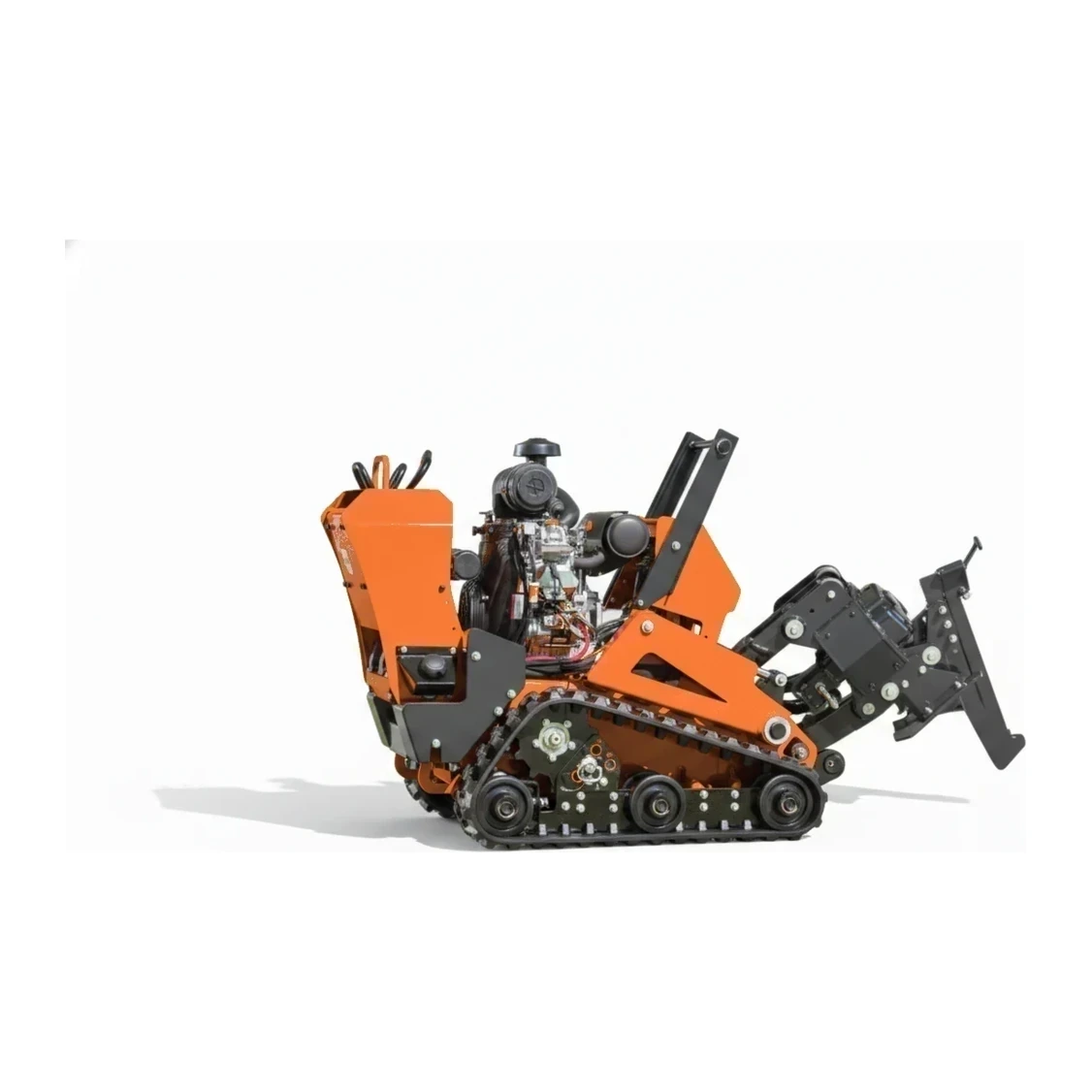
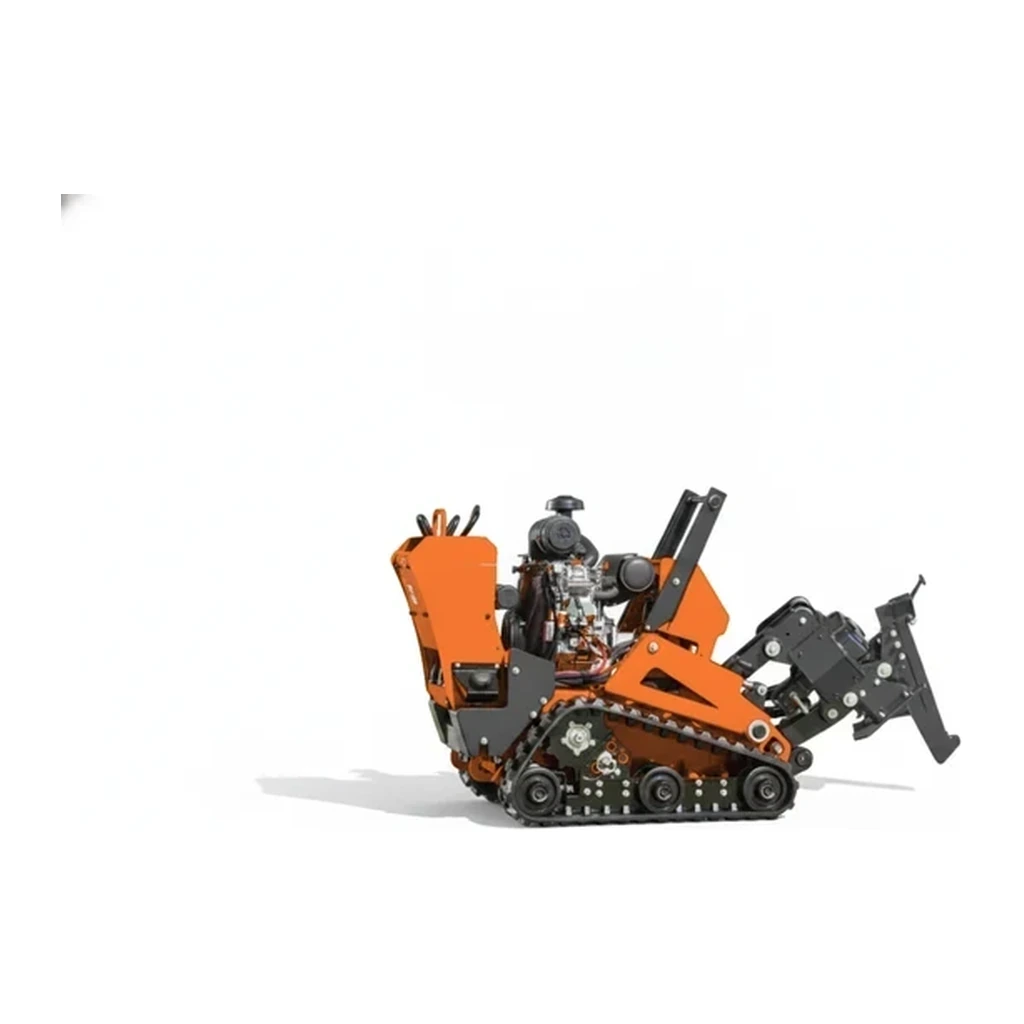
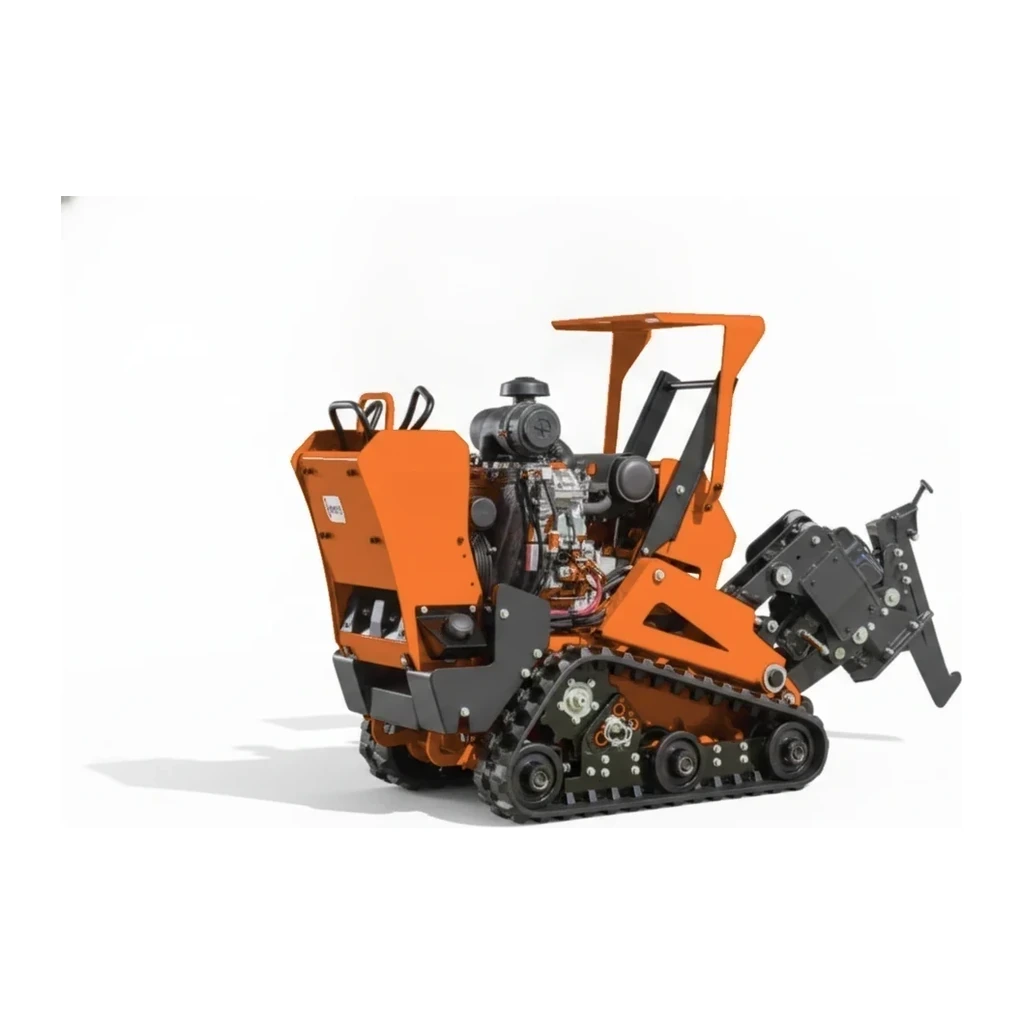
The 25-60 hp vibratory plow represents the industry-standard size class for installing fiber, electric, and gas service lines without surface excavation. Machines in this band typically deliver 23.1-37.3 hp, positioning them between Up to 25 hp models and 60+ hp production plows. This size balances pull capacity, maneuverability, and operator visibility for utility lateral and distribution work.
Cat classes
Elija una clase de tamaño: la capacidad y el alcance varían en la gama.
Especificaciones clave
| Especificación | Rango típico | Qué significa |
|---|---|---|
| Engine power | 23.1-37.3 hp | Sufficient torque to pull cable or conduit through soil while vibrating the blade. |
| Operating weight | 3,100–9,764 lb (1,406–4,429 kg) | Provides downforce and traction without exceeding trailer ratings for single-axle transport. |
| Fuel tank capacity | 32.2-72.0 liters | Supports half- to full-day runs on residential or light commercial routes. |
Cómo elegir
This size class suits contractors installing fiber-to-the-home drops, residential gas service laterals, and electric secondary runs where depths rarely exceed 1.2 meters and soil conditions are moderate. The Up to 25 hp Vibratory Plow is the better choice for tight easements, established landscaping, or frequent repositioning between short drops. For mainline distribution, rocky ground, or continuous production over long corridors, the 60+ hp Vibratory Plow delivers the blade pressure and fuel capacity needed to maintain pace.
Lo que maneja este tamaño
- Fiber-to-the-home lateral installation in suburban subdivisions
- Gas service line drops from street main to meter locations
- Electric secondary cable placement for 120/240 V residential service
- Irrigation control wire and low-voltage lighting cable runs
- Telecom pedestal feeds and inter-building campus cable links
- Rural broadband expansion along gravel roads and farm lanes
Seguridad y operación
- Operators maintain awareness of buried utilities; one-call locates are mandatory before blade entry
- Machine stability depends on ground slope and soil moisture; cross-slope operation increases rollover risk
- Vibratory systems generate hand-arm and whole-body vibration; prolonged exposure requires monitoring under occupational health standards
- Cable feed mechanisms present pinch points; hands remain clear of guides and chutes during operation
Transporte y logística
- Standard single-axle equipment trailer with 2,500-5,000 kg capacity handles most units in this class
- Pickup trucks with appropriate towing packages (Class III or IV hitch) move loaded trailers on public roads
- Loading ramps or tilt-bed trailers accommodate machines without self-loading capability
Alimentación
- Diesel fuel is the predominant choice; consumption ranges from 4-8 liters per hour under typical load
- Onboard fuel tanks support 4-12 hours of operation depending on soil resistance and plow depth
- Refueling from portable cans or service trucks is standard practice for distributed route work
Preguntas frecuentes
What installation depths does this size class typically reach?
How does engine power relate to soil type capability?
What distinguishes a vibratory plow from a static cable plow?
Comparar modelos populares
Buscar por especificación →Normalizado a las mismas unidades. Un guion significa que el valor no fue publicado.
| Modelo | Peso operativo | Profundidad de excavación máx | Alcance máx | Potencia del motor |
|---|---|---|---|---|
| Ditch Witch FX25 | 9,764 lb (4,429 kg) | - | - | 31 hp |
| Ditch Witch JT922 | 7,101 lb (3,221 kg) | - | - | 50 hp |
| Ditch Witch RT45 | 4,211 lb (1,910 kg) | - | - | 42 hp |
| Ditch Witch SK850 | 3,100 lb (1,406 kg) | - | - | 37 hp |
| Ditch Witch 410SX Vibratory Plow | 3,911 lb (1,774 kg) | - | - | 50 hp |
| Ditch Witch 410SX | 3,371 lb (1,529 kg) | - | - | 45 hp |
Equipos relacionados
Explorar por fabricante
Fuentes
Cada especificación se verifica con los datos publicados por el fabricante, con la fuente enlazada como referencia.
25-60 hp Vibratory Plow
8 modelos · Cada especificación citada a la fuente