

Earthmoving Attachments
Cómo funciona
Earthmoving attachments utilize the hydraulic systems, power take-off (PTO), or mechanical linkage of host machines to perform work. Three-point attachments mount to standardized Category I, II, or III hitch systems on tractors, controlled by hydraulic lift arms that allow raising, lowering, and draft control. Loader attachments typically employ universal quick-attach coupling systems (such as ISO 23206 or proprietary designs) that enable rapid interchange between buckets, blades, rakes, and other implements. The host machine provides hydraulic power, mechanical force, and positional control while the attachment provides the specialized work tool interface with soil, aggregate, or other materials.
Tipos y variantes
- Tractor Three-Point Attachment
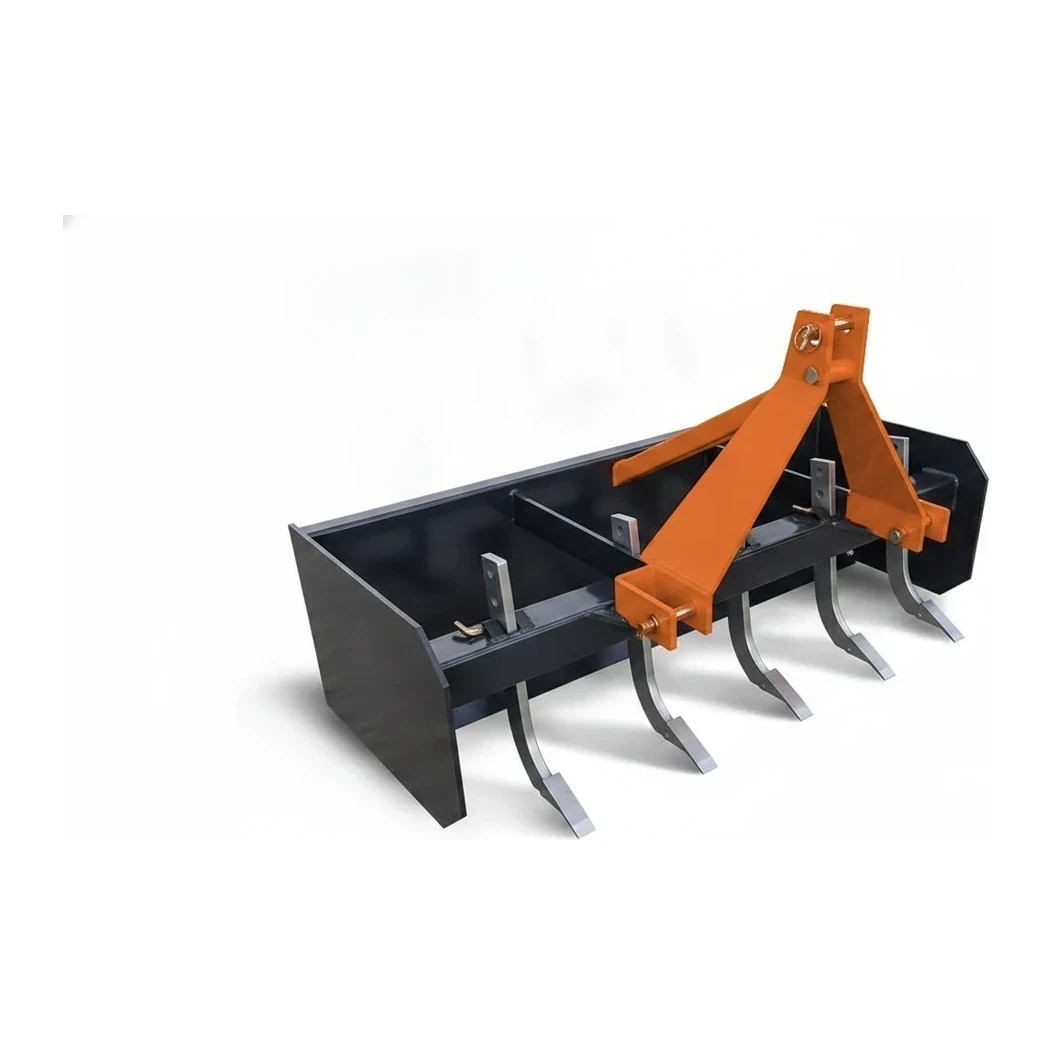
- Implements designed to mount on the three-point hitch system of agricultural and compact tractors, including box blades, landscape rakes, rear blades, and subsoilers for grading, leveling, and soil preparation tasks
- Loader Attachment
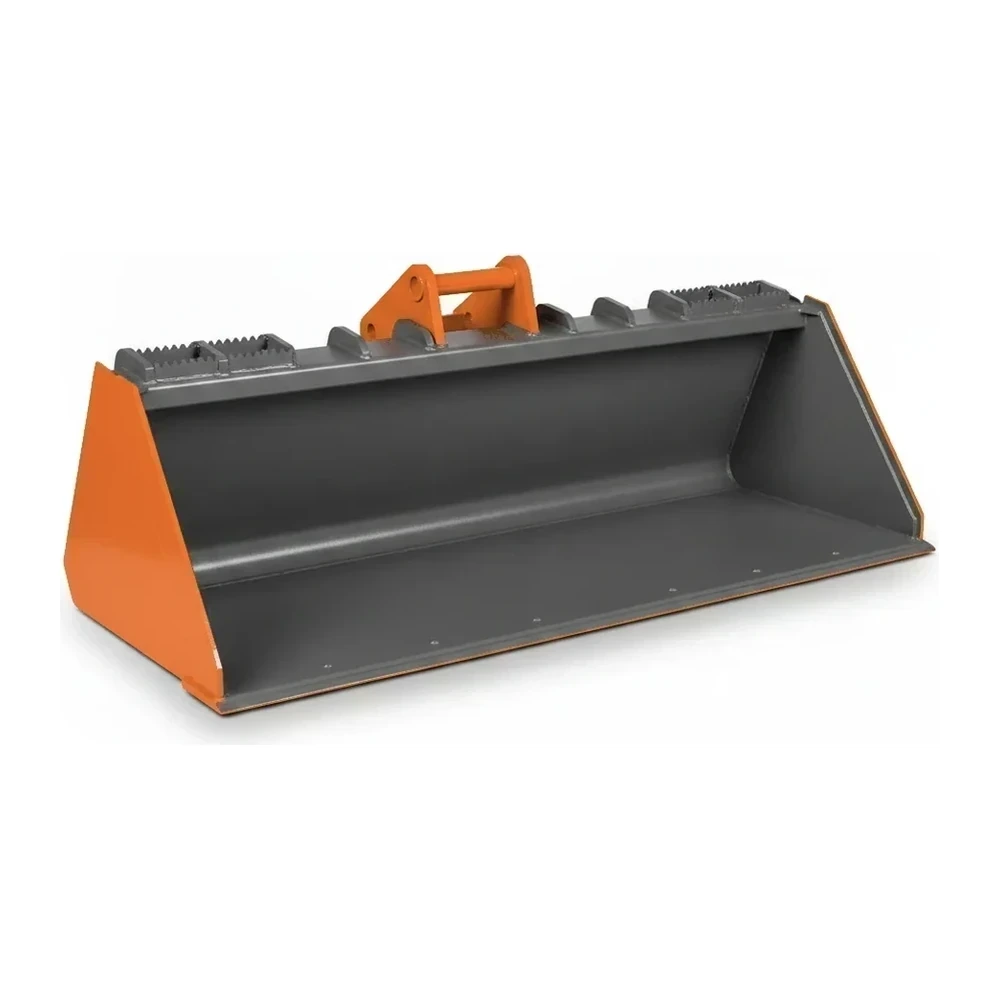
- Quick-attach implements for skid steer loaders, compact track loaders, and wheel loaders, such as grading buckets, utility buckets, 4-in-1 buckets, and dozer blades designed for material handling and earthwork operations
Normas y certificaciones
- ISO · ISO 23206
- Dimensions and clearance zones for loader quick couplers, ensuring attachment interchangeability across manufacturers
- ASABE · ASABE S217
- Categories and dimensions for three-point hitches on agricultural tractors (Category I, II, III, IV)
- SAE · SAE J742
- Hydraulic power circuit for implements, defining pressure, flow, and connection standards
Preguntas frecuentes
What determines compatibility between an attachment and host machine?
Compatibility depends on the mounting system standard (three-point hitch category or quick-attach plate specification), the machine's hydraulic flow and pressure capacity, machine weight class, and whether auxiliary hydraulic circuits are available for powered attachments. Manufacturers specify attachment weight limits and hydraulic requirements that must match the host machine's capabilities.
How are earthmoving attachments typically sized or classified?
Sizing varies by attachment type. Buckets are classified by rated capacity (cubic yards or cubic meters) and width, while blades are measured by width and sometimes moldboard height. Three-point implements follow tractor hitch categories (I, II, III) based on link pin dimensions and lift capacity. Loader attachments are often matched to machine operating capacity or weight class.
What are the main quick-attach systems used in the industry?
The industry uses several quick-attach systems including the universal skid steer quick-attach (standardized in ISO 23206 and SAE J2513), larger coupler systems for compact track loaders and wheel loaders (ISO 23206), and proprietary systems from major manufacturers. Three-point hitches follow ASABE categories, while some excavator attachments use pin-on or proprietary coupler systems.
What maintenance considerations apply to earthmoving attachments?
Maintenance includes regular inspection of cutting edges, pivot points, and hydraulic cylinders for wear or damage. Quick-attach mechanisms require periodic lubrication and inspection of locking pins or latches to ensure secure connection. Three-point hitch pins and bushings need checking for wear, and hydraulic hoses should be inspected for leaks or deterioration. Cutting edges, teeth, and wear surfaces typically require periodic replacement.