

Shot Blasting and Scarifying
Cómo funciona
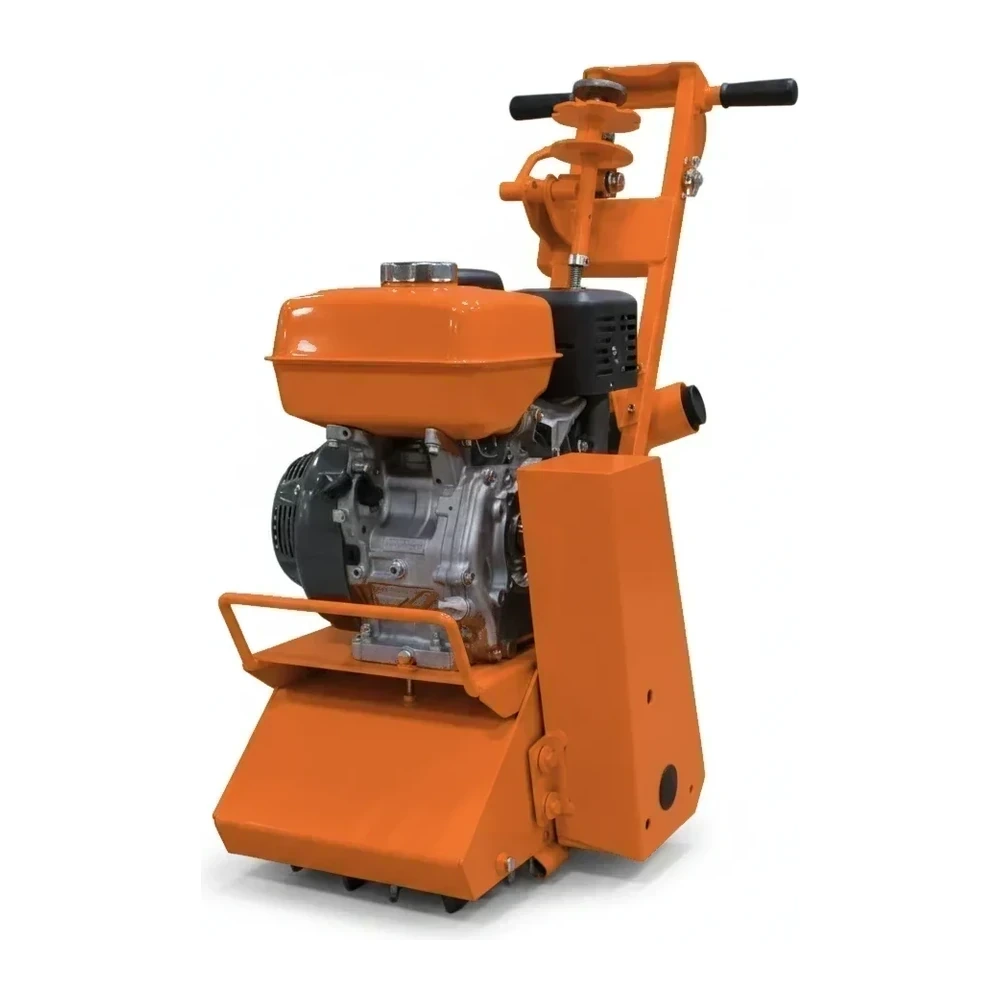
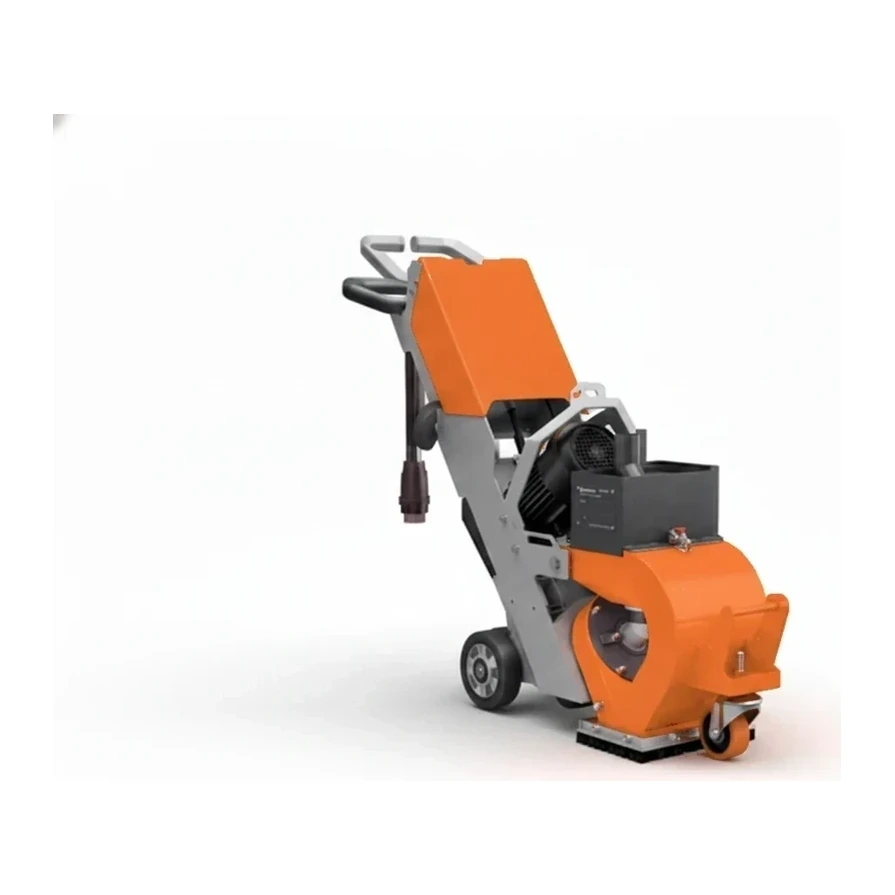
These machines prepare surfaces through either mechanical cutting or abrasive impact processes. Scarifiers and planers utilize rotating cutting drums with carbide or steel teeth that mill away surface material to a specified depth, while shot blasters propel high-velocity steel shot against surfaces to remove coatings and create anchor profiles. Both types typically include integrated dust collection systems and are self-propelled or walk-behind units that achieve consistent surface preparation across large areas in commercial, industrial, and infrastructure settings.
Tipos y variantes
- Concrete Scarifier and Planer
- Walk-behind or ride-on machines featuring rotating cutting drums with carbide teeth that mechanically remove concrete, coatings, or pavement surfaces to precise depths, commonly used for surface leveling, coating removal, and pavement rehabilitation
- Shot Blaster
- Machines that propel steel shot at high velocity against surfaces using centrifugal force, creating anchor profiles and removing contaminants while simultaneously vacuuming spent shot and debris for recirculation, ideal for coating preparation and surface profiling
Normas y certificaciones
- ICRI · International Concrete Repair Institute Technical Guidelines
- Surface preparation standards including CSP (Concrete Surface Profile) ratings for prepared surfaces
- SSPC · Society for Protective Coatings
- Standards for surface preparation specifications, particularly SSPC-AB 1 for abrasive blasting
- OSHA · 29 CFR 1926.57 & 1910.1053
- Regulations governing ventilation, dust collection, and crystalline silica exposure during surface preparation operations
Preguntas frecuentes
What is the difference between scarifying and shot blasting?
Scarifying uses rotating carbide-tipped cutters to mechanically mill away surface material, creating distinct parallel grooves and removing up to several inches of concrete. Shot blasting propels steel shot to remove coatings and create surface profiles without significant material removal, typically producing a uniform textured finish. Scarifiers work faster for heavy material removal, while shot blasters excel at coating removal and controlled surface profiling.
How are shot blasting machines sized and classified?
Shot blasting equipment is classified by working width (typically 8 to 36 inches) and productivity rating measured in square feet per hour. Machines are categorized as walk-behind models for smaller areas and ride-on units for large-scale production work. Additional specifications include blast wheel horsepower, shot flow rate, and dust collector capacity.
What surfaces can shot blasting and scarifying equipment prepare?
These machines primarily prepare concrete surfaces but are also used on asphalt, steel deck, and certain stone surfaces. Shot blasters effectively remove epoxy coatings, paint, mastics, and thin overlays while creating anchor profiles. Scarifiers handle thicker material removal including heavy coatings, traffic markings, deteriorated concrete, and surface leveling applications on both horizontal and some vertical surfaces.
What dust control requirements apply to these machines?
Modern shot blasting and scarifying equipment must incorporate HEPA-rated dust collection systems to comply with OSHA silica exposure regulations. Integrated vacuum systems capture airborne particulates at the source, with most machines featuring sealed dust containment and connection points for external vacuum systems. Proper dust control is mandatory for indoor operations and increasingly required for outdoor concrete surface preparation.