

Forklifts and Telehandlers
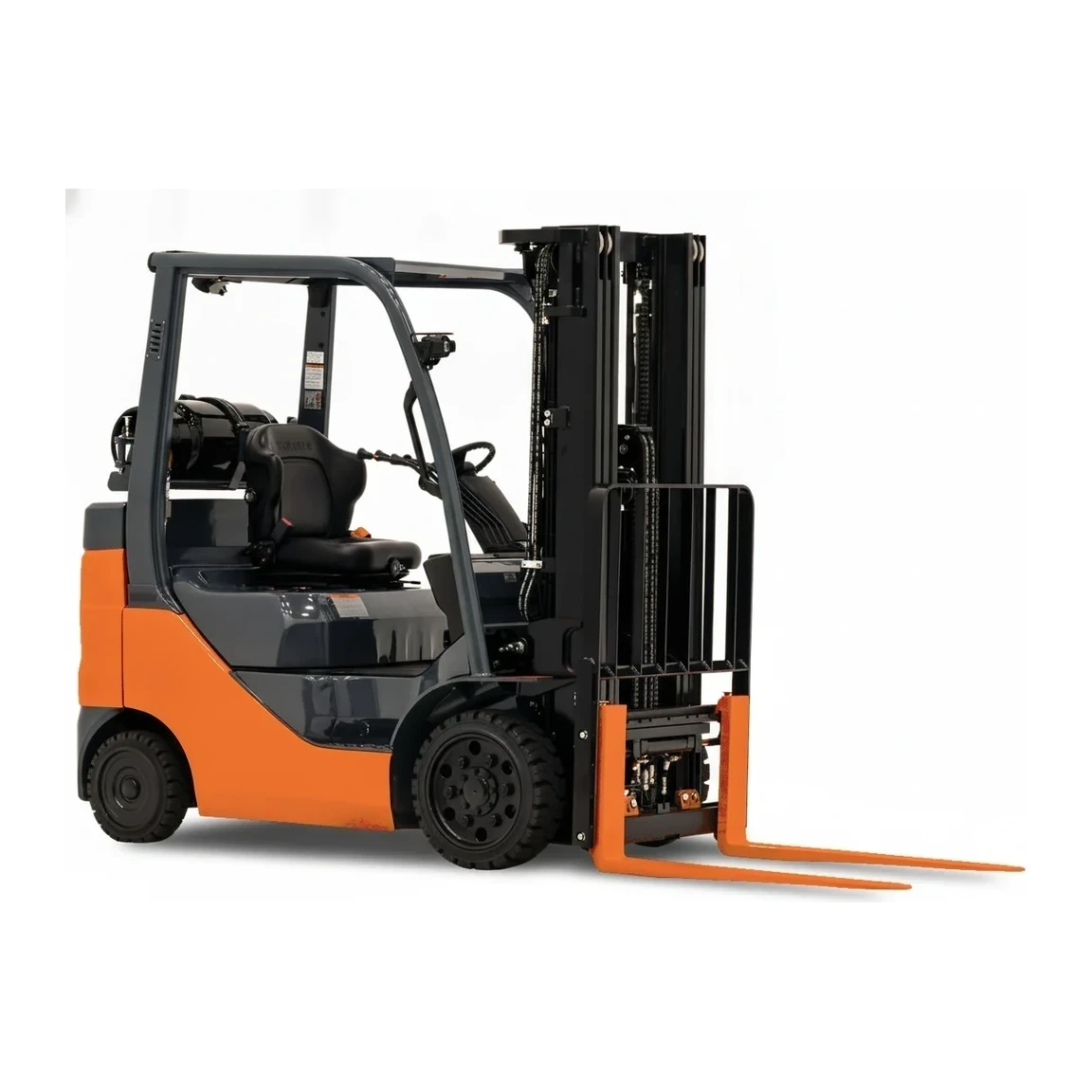
Cushion Tire Forklift
350 modelos
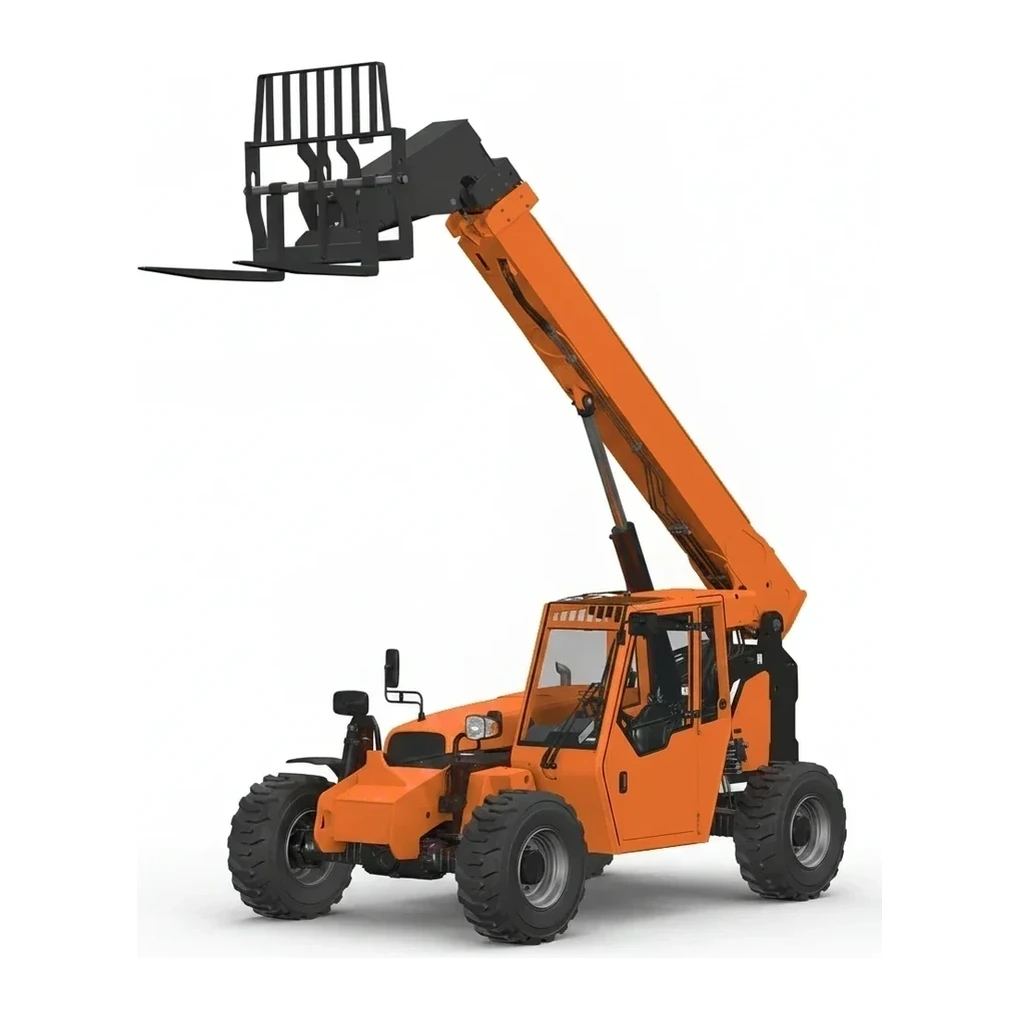
Telehandler
331 modelos
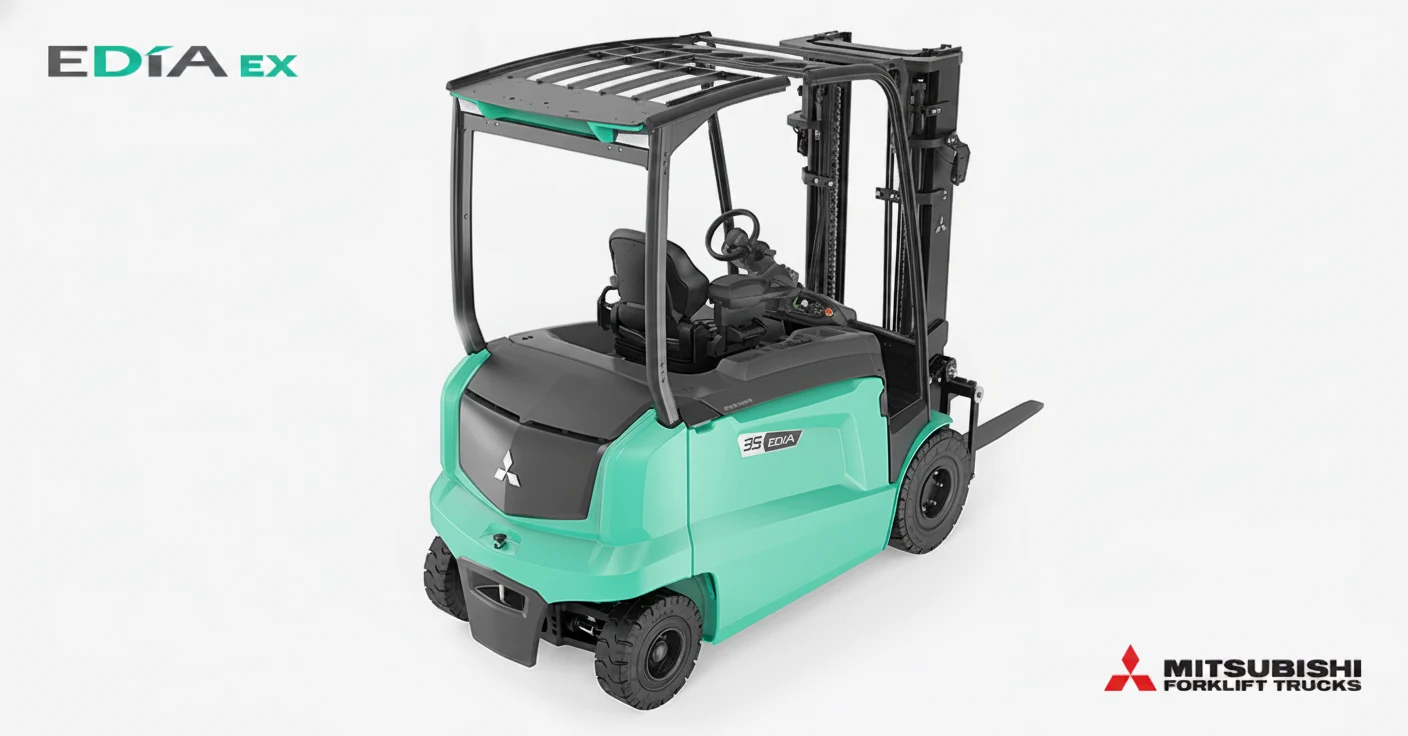
Pneumatic Tire Forklift
273 modelos
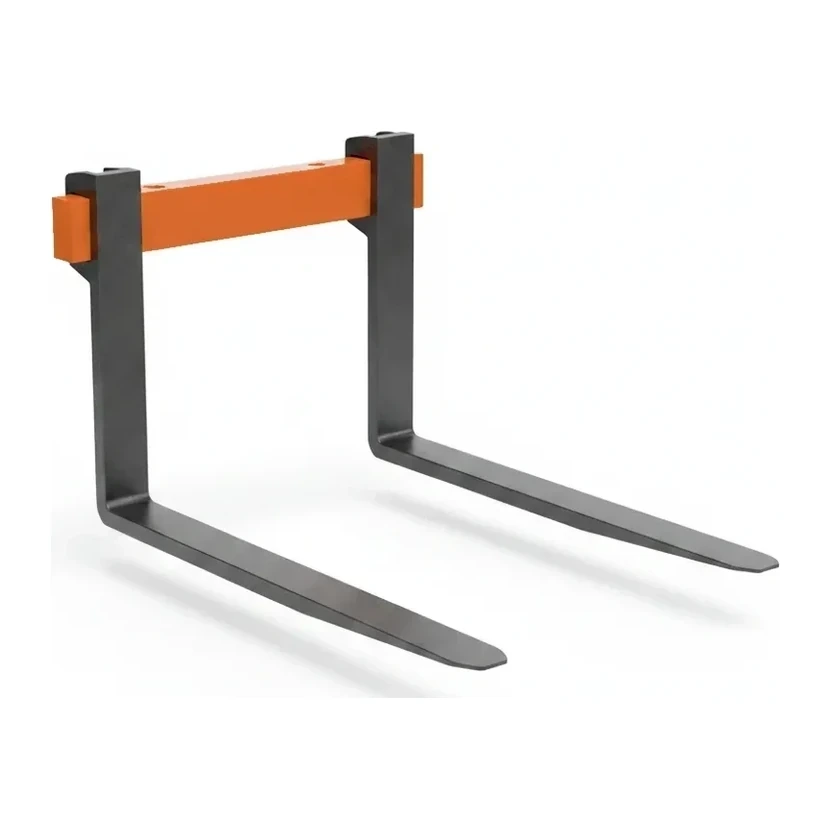
Forklift and Telehandler Attachment
92 modelos
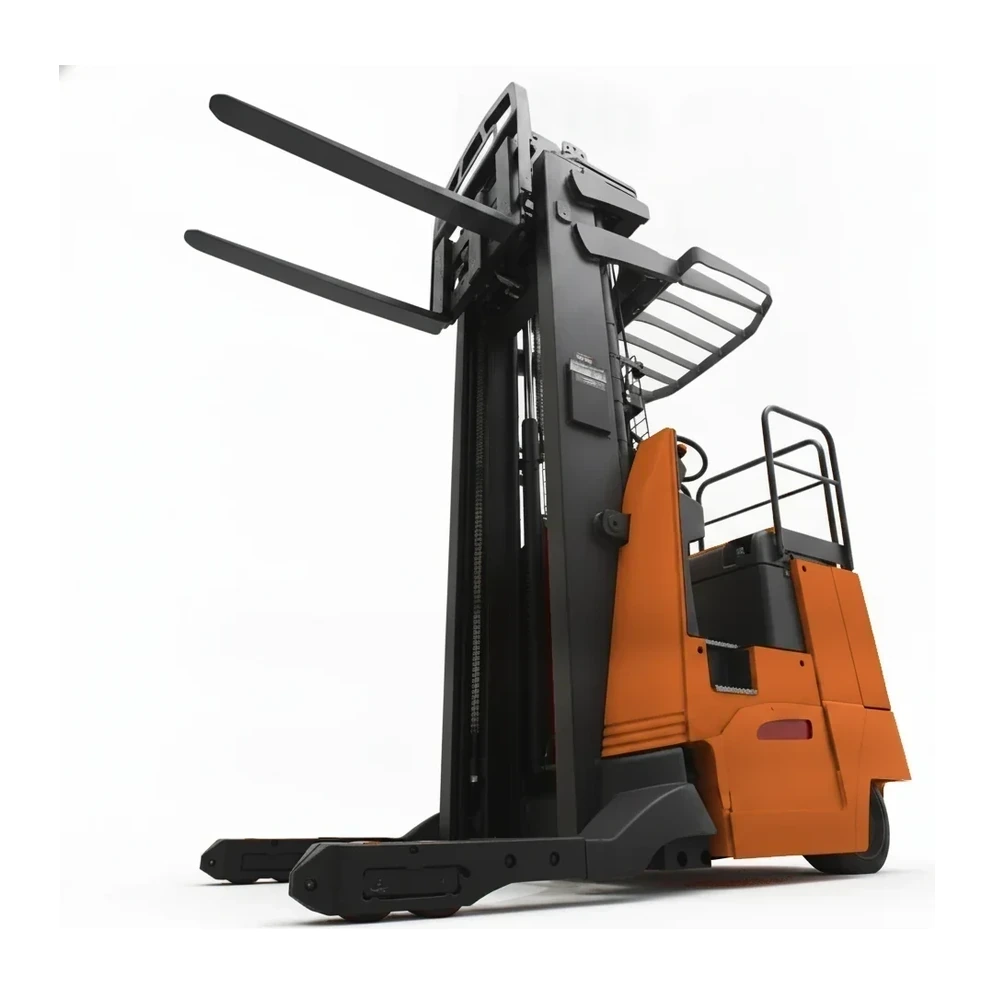
Narrow Aisle Reach Truck
81 modelos
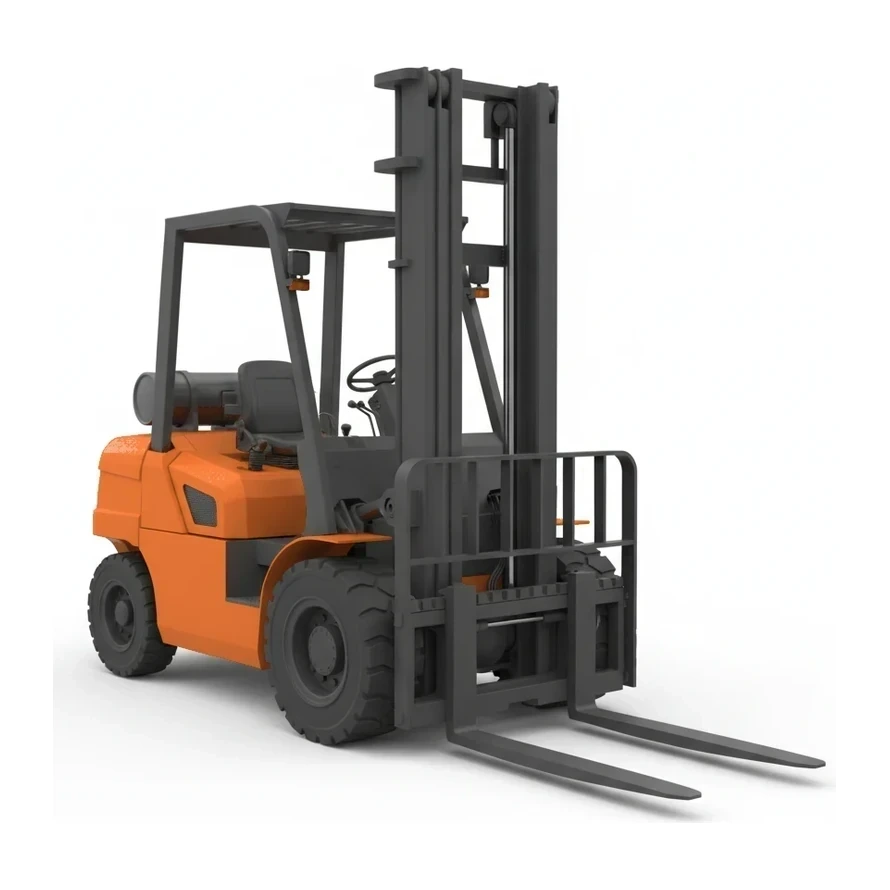
Rough Terrain Forklift
2 modelos
Cómo funciona
These machines utilize hydraulic lift systems to raise and lower loads, with operators controlling movement from seated or standing positions within protected cabs or compartments. Cushion and pneumatic tire forklifts maneuver horizontally on flat surfaces, using mast assemblies to achieve vertical lift, while narrow aisle models incorporate specialized designs for confined warehouse spaces. Telehandlers combine forklift functionality with telescopic boom extension, providing both vertical lift and forward reach. Load capacity, lift height, and operational environment determine machine selection, with power sources ranging from electric batteries for indoor warehouse use to diesel or propane engines for outdoor and heavy-duty applications.
Tipos y variantes
- Cushion Tire Forklift
- Electric or internal combustion forklifts with solid rubber tires designed for smooth indoor surfaces and warehouse environments, offering tight turning radius and maneuverability in confined spaces.
- Narrow Aisle Reach Truck
- Specialized warehouse forklifts designed to operate in narrow aisles, featuring masts that extend forward or pantograph mechanisms to reach high racking while maintaining compact footprint.
- Industrial Forklift
- Heavy-duty forklifts with pneumatic tires built for outdoor use and rough terrain, typically powered by diesel or propane engines, with higher load capacities for construction and lumber yard applications.
- Telehandler
- Telescopic material handlers combining forklift capabilities with extendable boom reach, providing both vertical lift and horizontal extension for construction, agriculture, and material placement at height and distance.
- Forklift and Telehandler Attachment
- Specialized implements that mount to forks or carriage assemblies to expand functionality beyond standard pallet handling, including buckets, work platforms, clamps, rotators, and specialized lifting apparatus.
Normas y certificaciones
- OSHA · 29 CFR 1910.178
- Establishes powered industrial truck safety standards, operator training requirements, and operational procedures in the United States.
- ANSI/ITSDF · B56 Series
- Safety standards for powered industrial trucks covering design, maintenance, and operation of various forklift and telehandler types.
- ISO · ISO 5053 / ISO 6055
- International standards addressing terminology, classification, and safety requirements for industrial trucks and rough-terrain variable-reach trucks.
Preguntas frecuentes
What determines load capacity ratings on forklifts and telehandlers?
Load capacity depends on the load center distance (typically rated at 24 inches for forklifts), lift height, and boom extension. As loads move further from the mast or as telehandler booms extend, capacity decreases according to manufacturer load charts that account for tipping stability and structural limits.
What distinguishes cushion tire from pneumatic tire forklifts?
Cushion tire forklifts use solid rubber tires suited for smooth, flat indoor surfaces with compact wheelbases for tight spaces, while pneumatic tire models feature air-filled tires designed for outdoor terrain, uneven surfaces, and rough ground conditions with greater ground clearance.
How do telehandlers differ functionally from standard forklifts?
Telehandlers provide both vertical lift and horizontal reach through telescopic boom extension, allowing material placement at distances and angles impossible for fixed-mast forklifts. This makes them particularly valuable for construction applications requiring reach over obstacles or placement at varying setbacks.
What operator certification applies across this equipment subcategory?
OSHA requires employer-provided training and evaluation for powered industrial truck operators, with specific training for each truck type operated. Certification must cover vehicle-specific controls, capacity limitations, stability principles, and worksite conditions, with refresher training required every three years or when incidents occur.