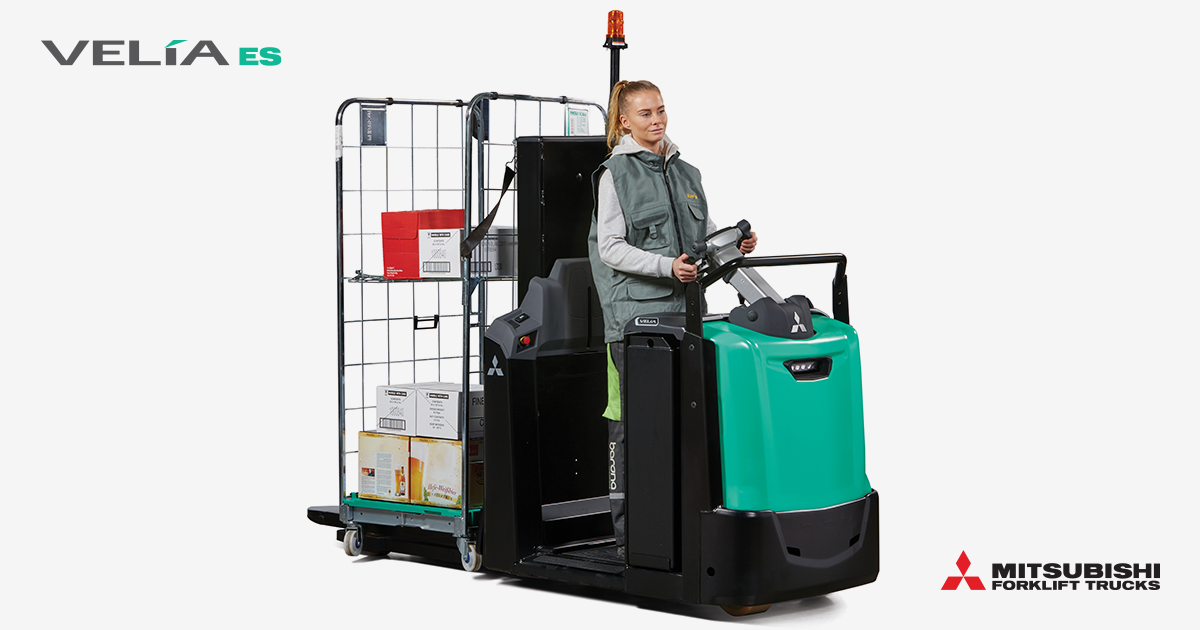
4,000-6,000 lb Cushion Tire Forklift
The 4,000-6,000 lb cushion tire forklift is the workhorse of indoor material handling, designed to move full pallets across smooth concrete all day. This mid-capacity band bridges light-duty warehouse work and heavier manufacturing loads, with lift heights ranging from 4.7 to 42.1 ft across 45 models. Cushion tires keep the footprint compact and the turning radius tight for crowded aisles and loading docks.
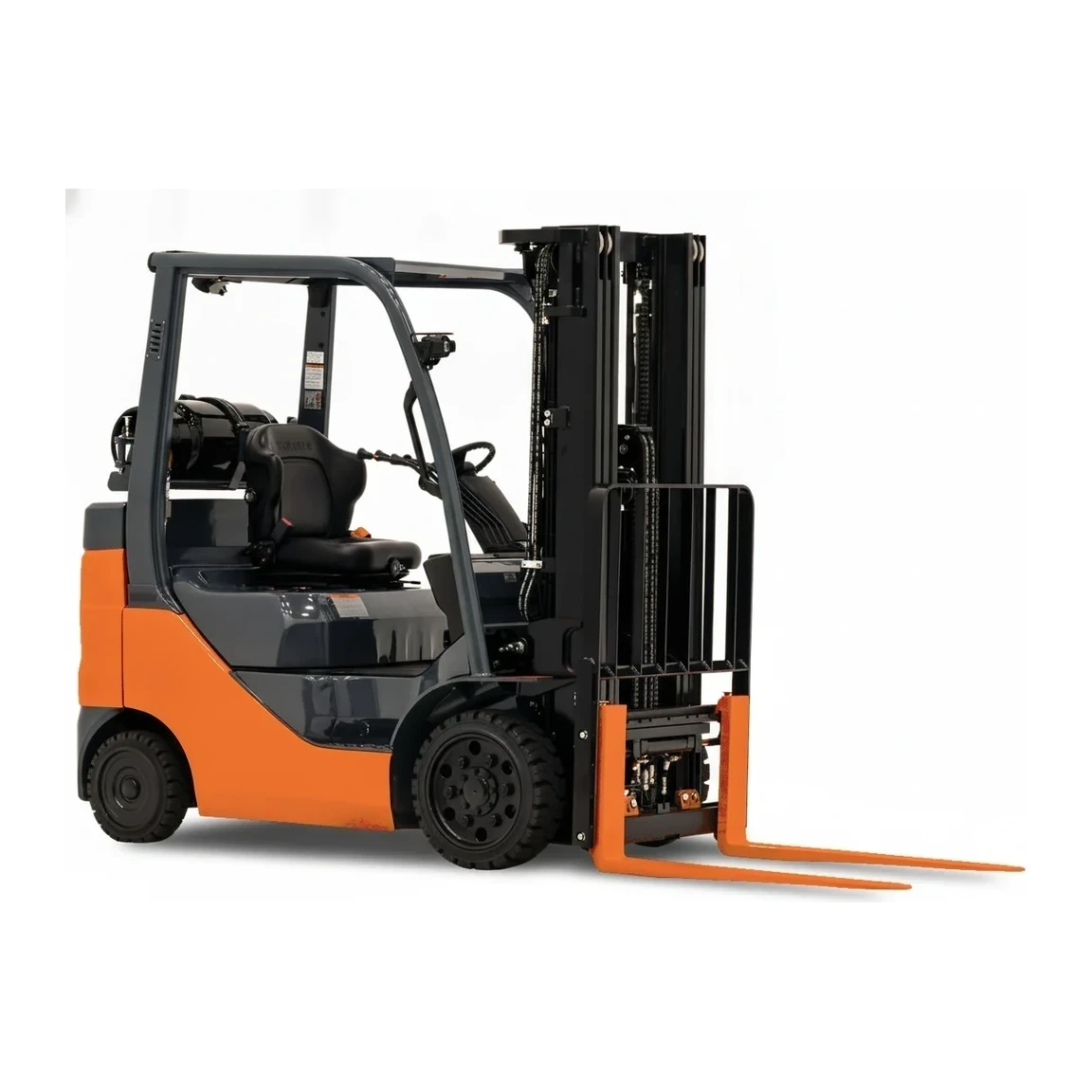
Cat classes
Elija una clase de tamaño: la capacidad y el alcance varían en la gama.
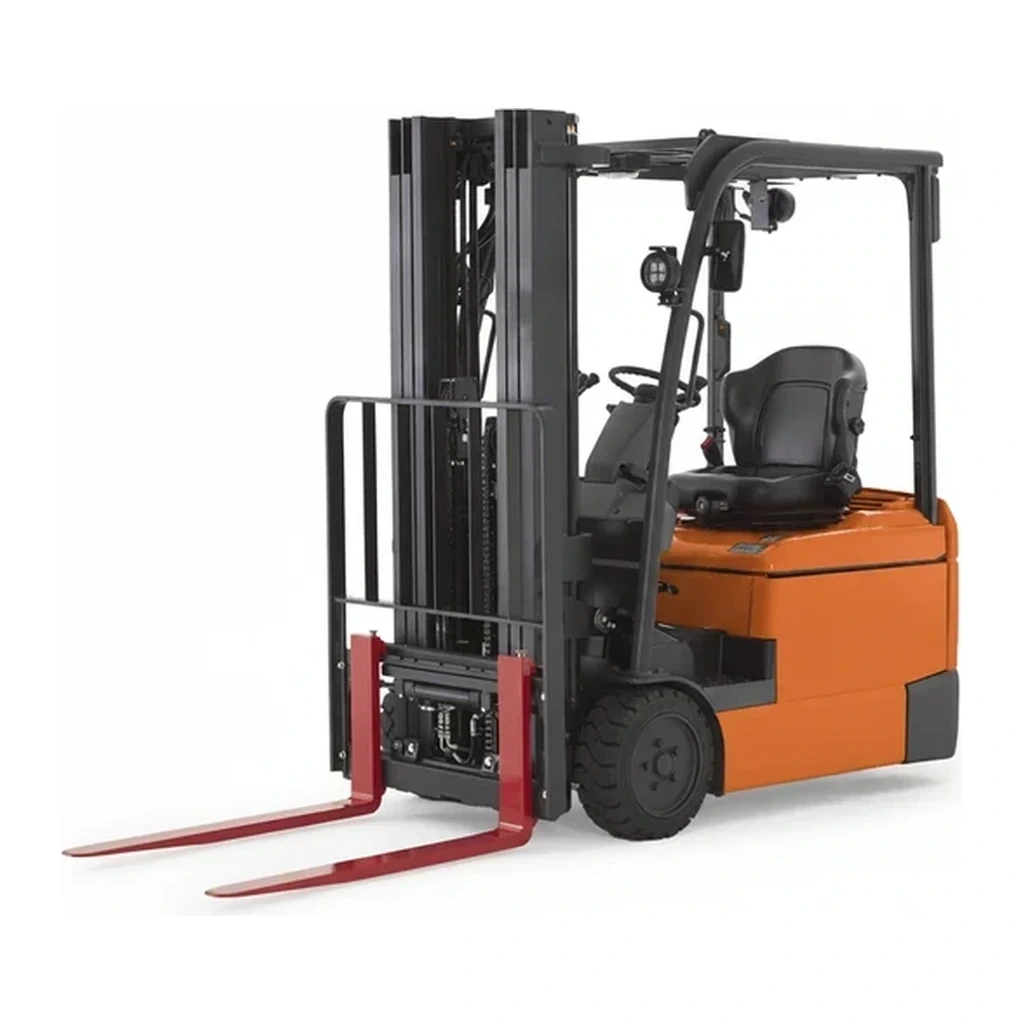
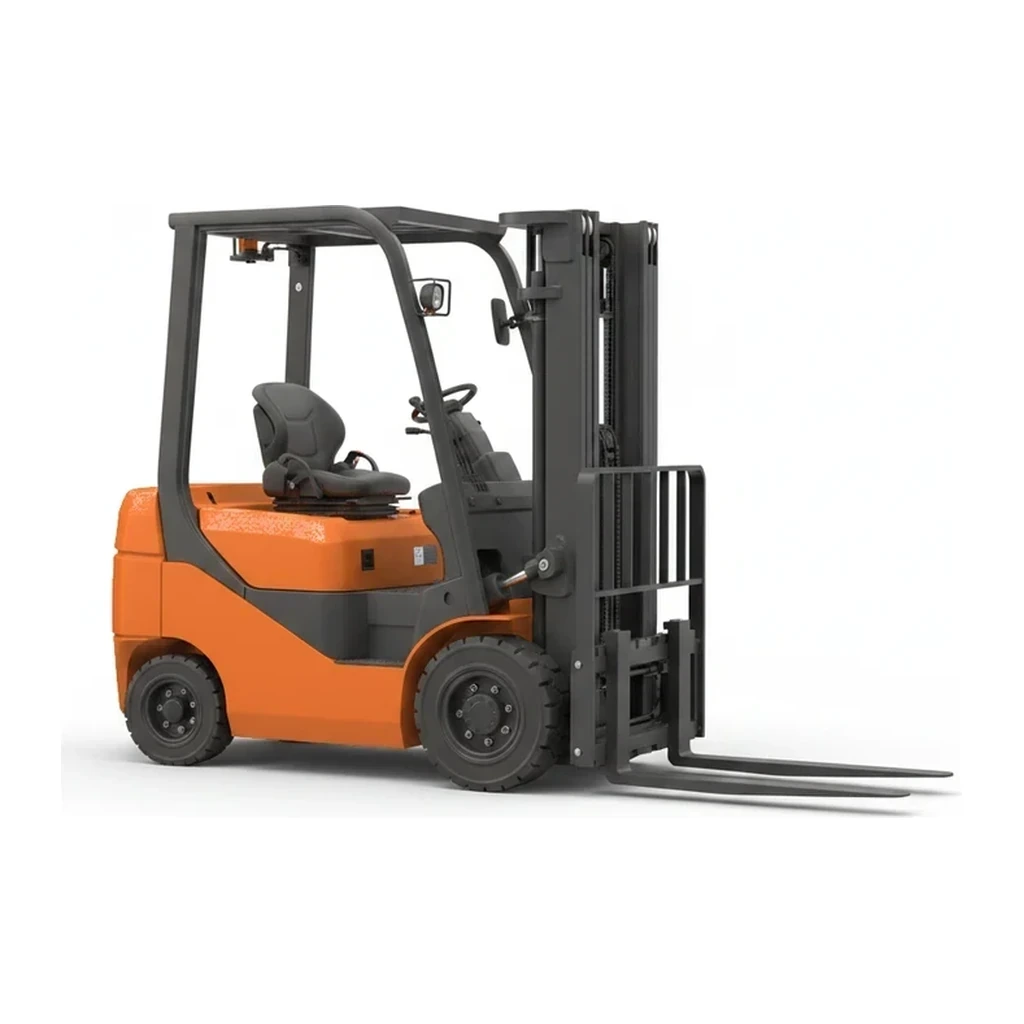
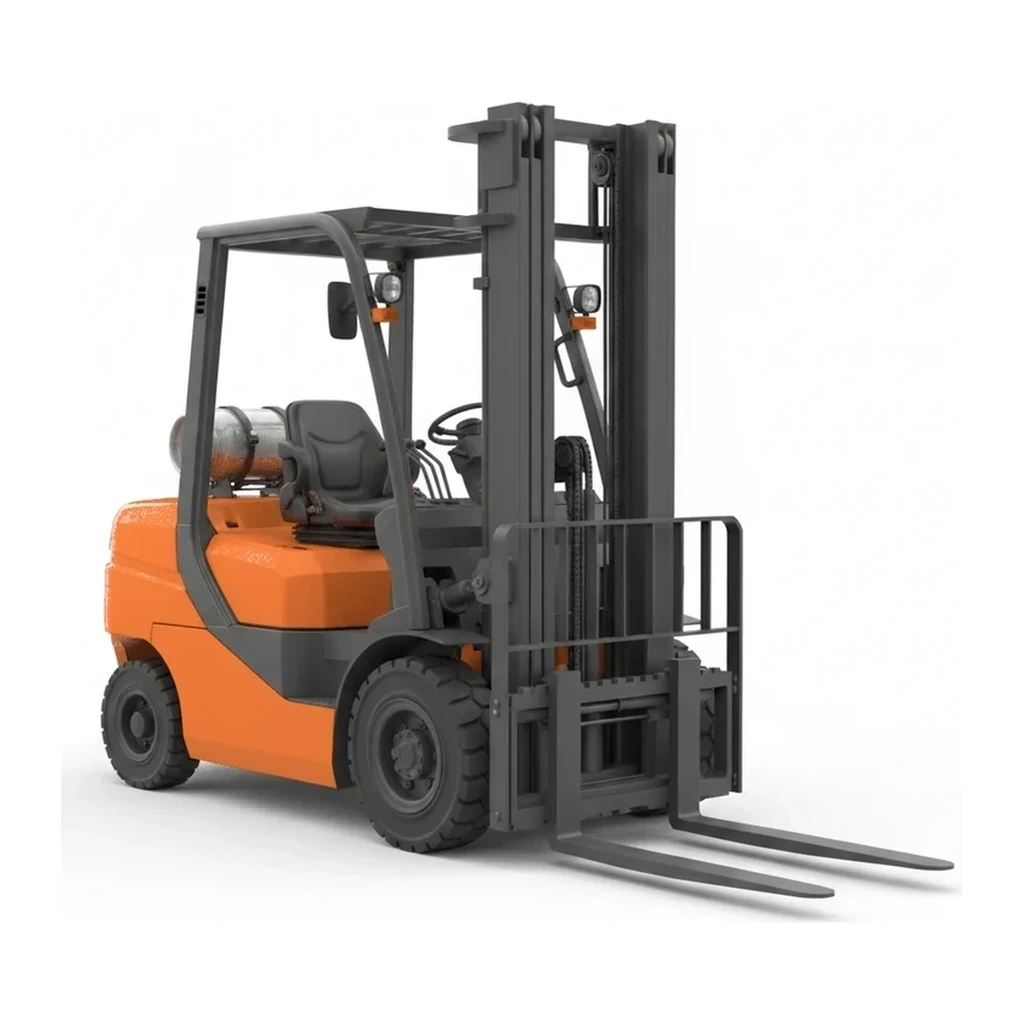
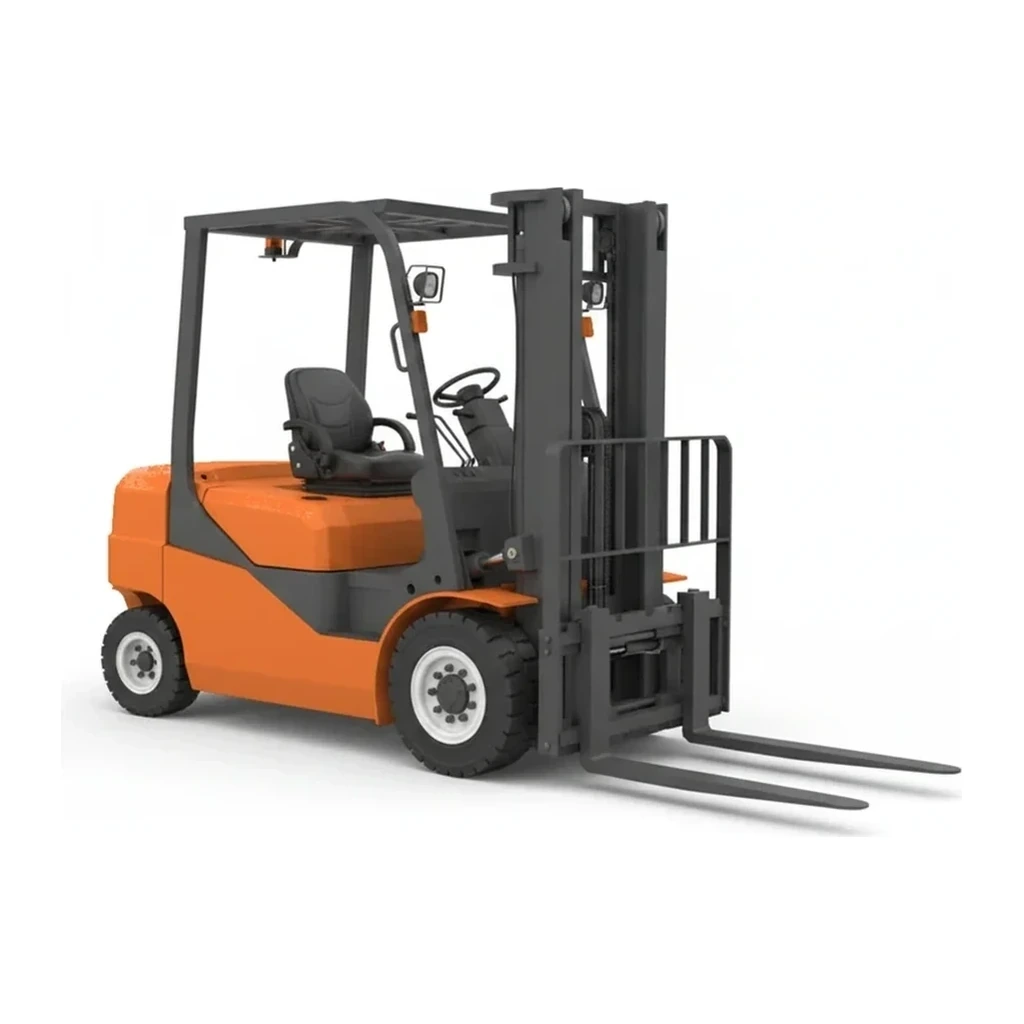
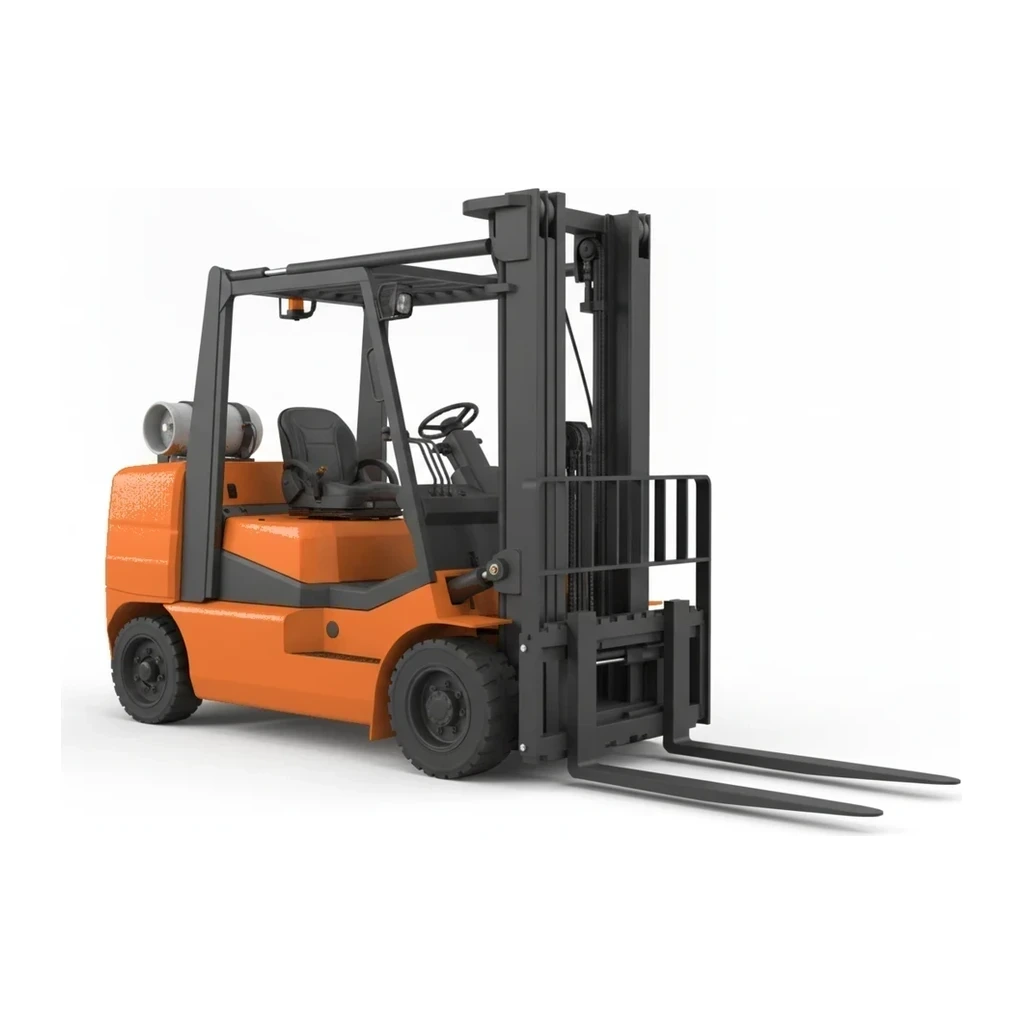
Especificaciones clave
| Especificación | Rango típico | Qué significa |
|---|---|---|
| Load capacity | 4,400-5,750 lb (2,000-2,608 kg) | Rated capacity at standard load center; full pallets of most dry goods and packaged materials |
| Lift height | 4.7–42.1 ft (1.4–12.8 m) | Maximum fork height; standard models lift 10-15 ft, triple-mast units reach high-bay racking |
| Tire type | Solid cushion | Smooth rubber mounted directly to the wheel; no air, no punctures, optimized for hard surfaces only |
| Turning radius | Compact | Cushion design eliminates pneumatic tire bulk, tightening aisle clearance vs. pneumatic models |
Cómo elegir
This band is the right choice for facilities that handle standard full pallets (2,000-2,600 kg) on smooth concrete or sealed floors, from dock doors to rack bays. When loads consistently stay under 4,000 lb or the operation prioritizes maximum maneuverability in very tight aisles, the Up to 4,000 lb Cushion Tire Forklift offers a smaller footprint. For loads exceeding 5,750 lb, double-stacked pallets, or heavier manufacturing materials, the 6,000-8,000 lb Cushion Tire Forklift provides the necessary capacity without moving to a larger frame class.
Lo que maneja este tamaño
- Moving full pallets of boxed goods from receiving dock to high-bay warehouse racking
- Loading and unloading delivery trucks at distribution center docks
- Staging palletized materials in manufacturing plants with polished concrete floors
- Transferring bagged product between production lines and storage areas
- Handling rolls of paper, textiles, or film in indoor facilities
- Shuttling packaged goods within food processing or beverage distribution warehouses
Seguridad y operación
- Operator certification required under OSHA 1910.178; separate training for each truck type and attachment combination
- Cushion tires offer no shock absorption; rough floors, expansion joints, and dock plates transmit vibration directly to operator and load
- Smooth tires provide minimal traction on wet, oily, or dusty surfaces; floor maintenance critical to safe operation
- Load capacity decreases as lift height increases and as load center moves forward; consult load chart on each machine
Transporte y logística
- Typically moved on flatbed or lowboy trailers; machine weight and dimensions require commercial towing equipment
- Most units load via drive-on ramps or dock-height loading; some larger triple-mast models may require crane assistance
- Standard 8.5 ft width lanes accommodate towing and trailering through urban routes to warehouse sites
Alimentación
- Electric models require 208-480V three-phase charging infrastructure; charge times range 6-8 hours with opportunity charging available
- Propane (LP) models consume one to two cylinders per eight-hour shift; tank exchange or on-site refilling required
- Diesel and gas engines available in some models; fuel storage and ventilation needed for indoor refueling areas
Preguntas frecuentes
What floor conditions do cushion tire forklifts require?
How does lift height affect capacity in this size class?
Can this size handle double-stacked pallets?
Comparar modelos populares
Buscar por especificación →Normalizado a las mismas unidades. Un guion significa que el valor no fue publicado.
| Modelo | Capacidad de carga | Altura de elevación | Potencia del motor |
|---|---|---|---|
| Crown FC 5700 | 6,499 lb (2,948 kg) | 26 ft (7.9 m) | - |
| Crown C | 6,499 lb (2,948 kg) | 24.5 ft (7.5 m) | - |
| Crown RM 6000 | 4,500 lb (2,041 kg) | 33.3 ft (10.1 m) | - |
| Crown RM 6000S | 4,500 lb (2,041 kg) | 42.1 ft (12.8 m) | - |
| EP Equipment CPD20FVL | 4,409 lb (2,000 kg) | 19.7 ft (6.0 m) | - |
| EP Equipment EFL25 PRO | 5,512 lb (2,500 kg) | 9.8 ft (3.0 m) | - |
Equipos relacionados
Explorar por fabricante
Fuentes
Cada especificación se verifica con los datos publicados por el fabricante, con la fuente enlazada como referencia.
4,000-6,000 lb Cushion Tire Forklift
52 modelos · Página 2 de 2 · Cada especificación citada a la fuente