

Drilling Tools
Drills bore holes and drive fasteners across every trade. Rotary hammers dominate the catalog class for concrete anchoring, alongside general-purpose electric drills, magnetic drills for steel, and the bits and batteries that support them.
Cómo funciona
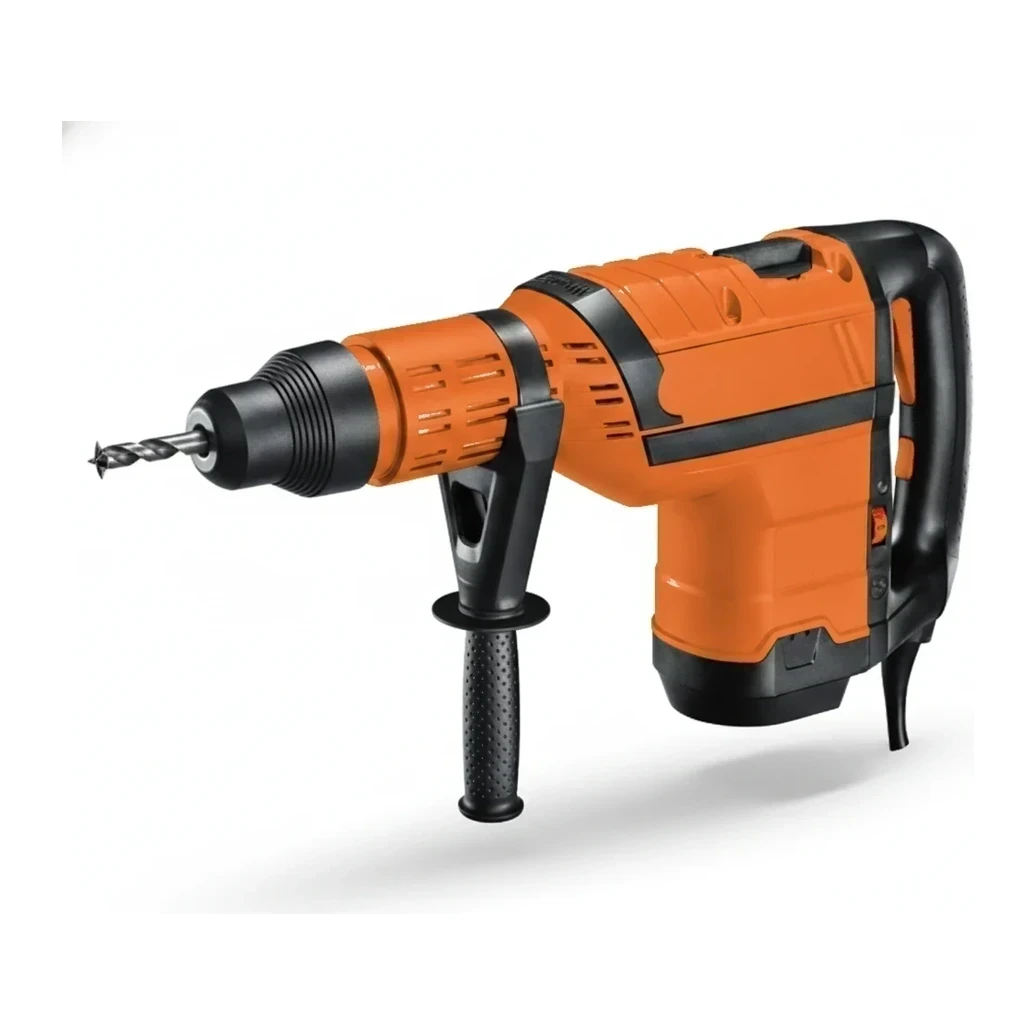
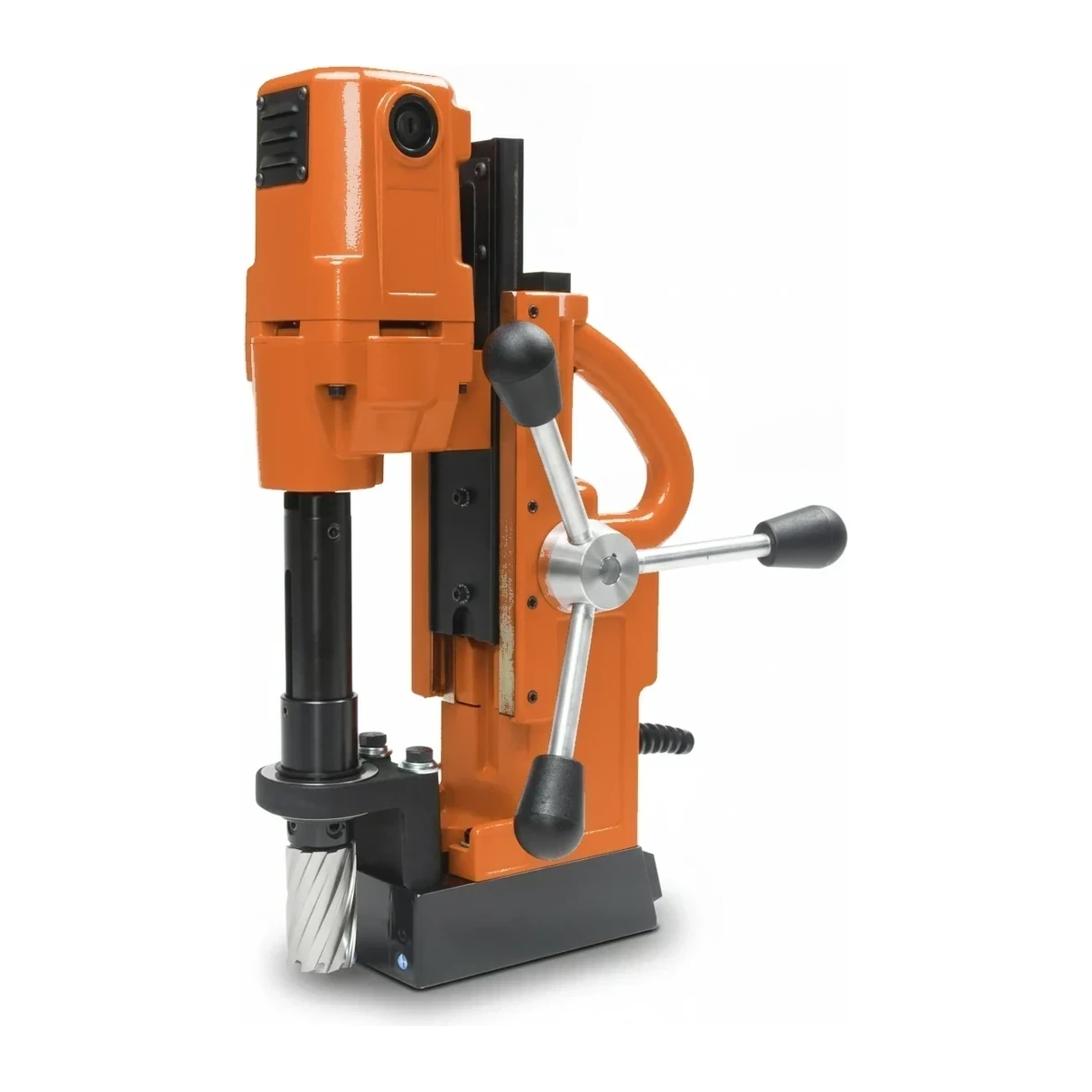
A drill spins its bit under torque alone; a rotary hammer adds an electro-pneumatic piston that hammers the bit thousands of times a minute while it turns, which is why it drills concrete many times faster than a hammer-clutch drill. Mag drills clamp themselves to steel electromagnetically and feed annular cutters that carve the hole's perimeter.
Tipos y variantes
- Rotary Hammer
- Drill with a piston hammer mechanism for boring anchors into concrete and masonry.
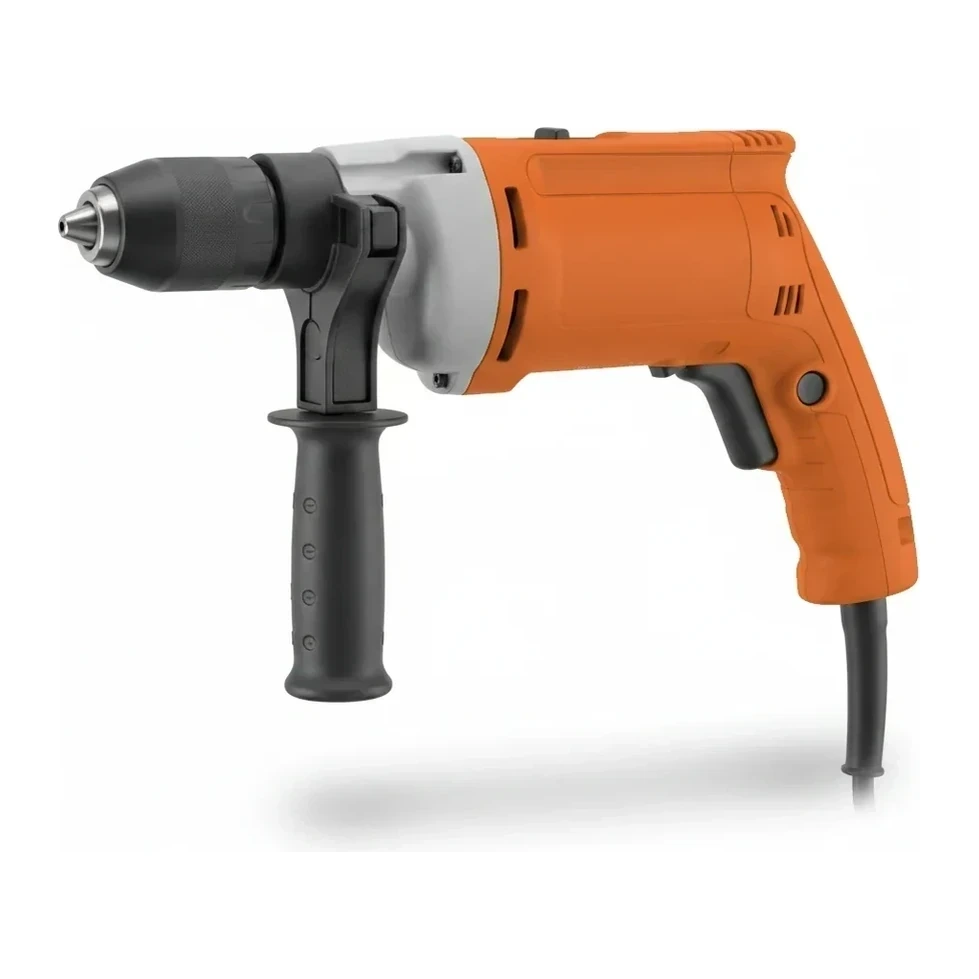
- Electric Drill
- Corded or cordless drill/driver for general drilling and fastening.
- Batteries & Chargers
- Battery packs and chargers for cordless tool platforms.
- Magnetic Drill
- Drill with an electromagnetic base that bores precise holes in structural steel.
- Hole Saws & Core Bits
- Cylindrical cutting bits for round openings in wood, metal, and masonry.
- Saw Blades
- Replacement blades for circular, reciprocating, and bench saws.
- Drill Bits & Accessories
- Bits, chucks, and accessories for drills and rotary hammers.
Cómo elegir
Material picks the tool: wood and metal go to drill/drivers; any regular concrete or masonry drilling justifies a rotary hammer sized by bit class (SDS-plus for anchors, SDS-max for large bores); repetitive holes in beams and plate go to a mag drill. Cordless platforms cover most site work, with corded and larger classes for sustained heavy boring.
Normas y certificaciones
- IEC · IEC 62841
- Safety standard series for hand-held and transportable motor-operated electric tools.
- OSHA · 29 CFR 1926.1153
- Respirable crystalline silica rule; requires dust controls when cutting, grinding, or drilling concrete and masonry.