

7.5-12 in Circular Saw
The 7.5-12 in circular saw class covers larger handheld and worm-drive saws, typically running 8-1/4 to 10-1/4 inch blades. This size sits at the top of the circular saw ladder, delivering greater depth of cut than the Up to 7.5 in band for heavy framing, thick dimensional lumber, and engineered sheathing that demands single-pass capacity.
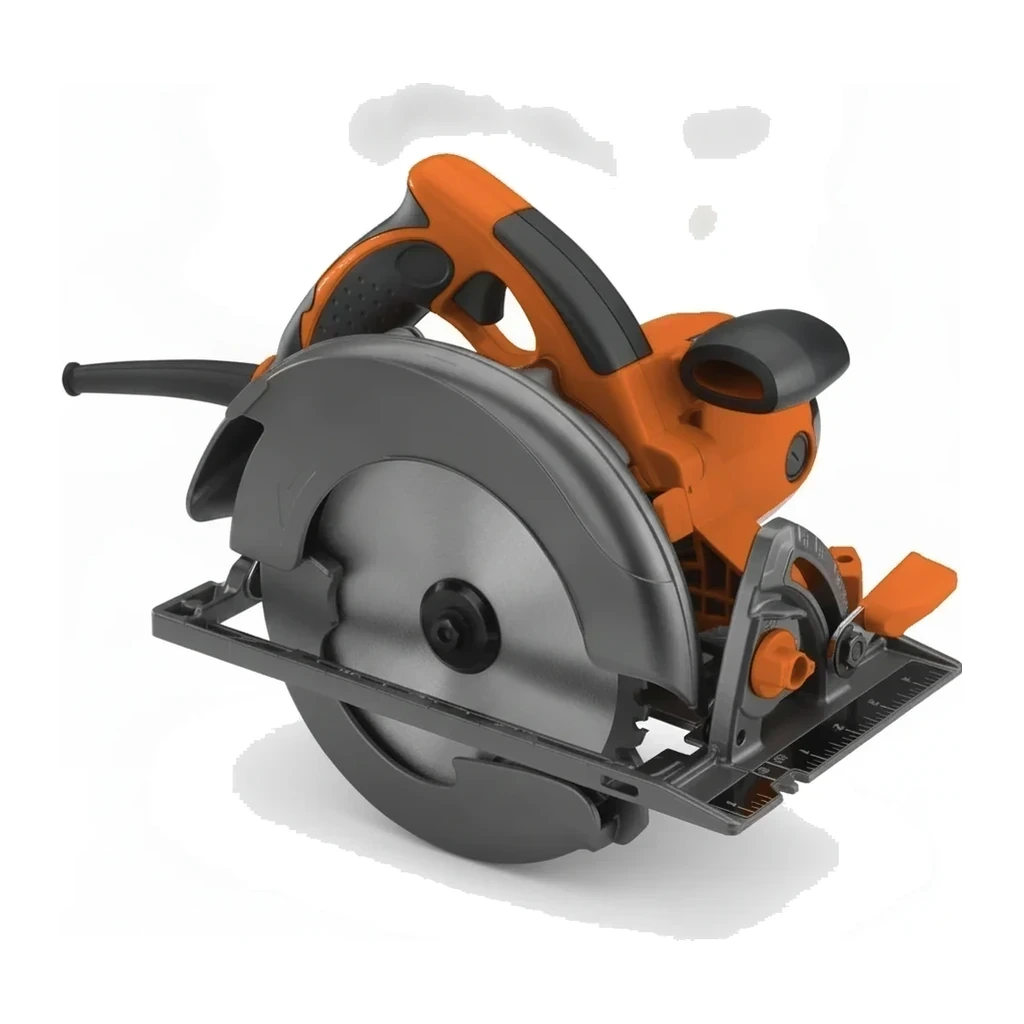
Cat classes
Elija una clase de tamaño: la capacidad y el alcance varían en la gama.
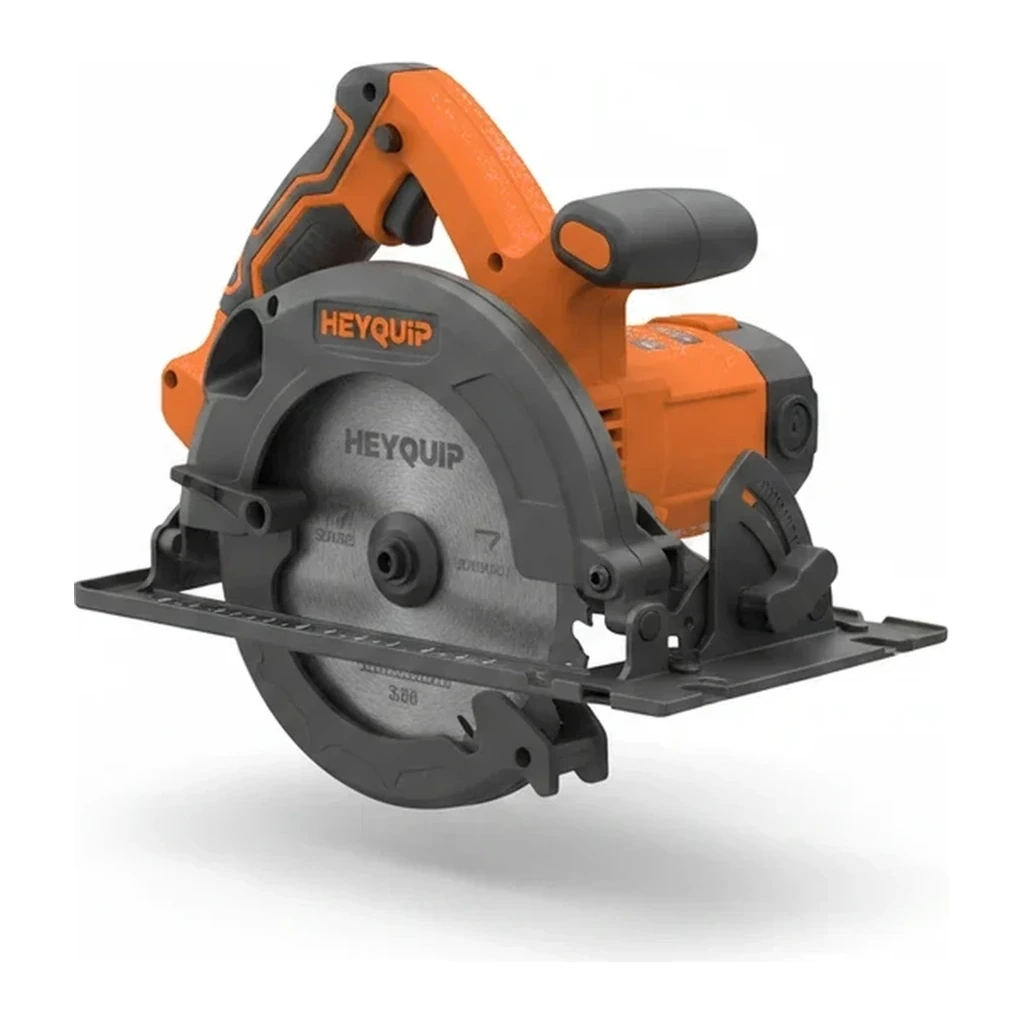
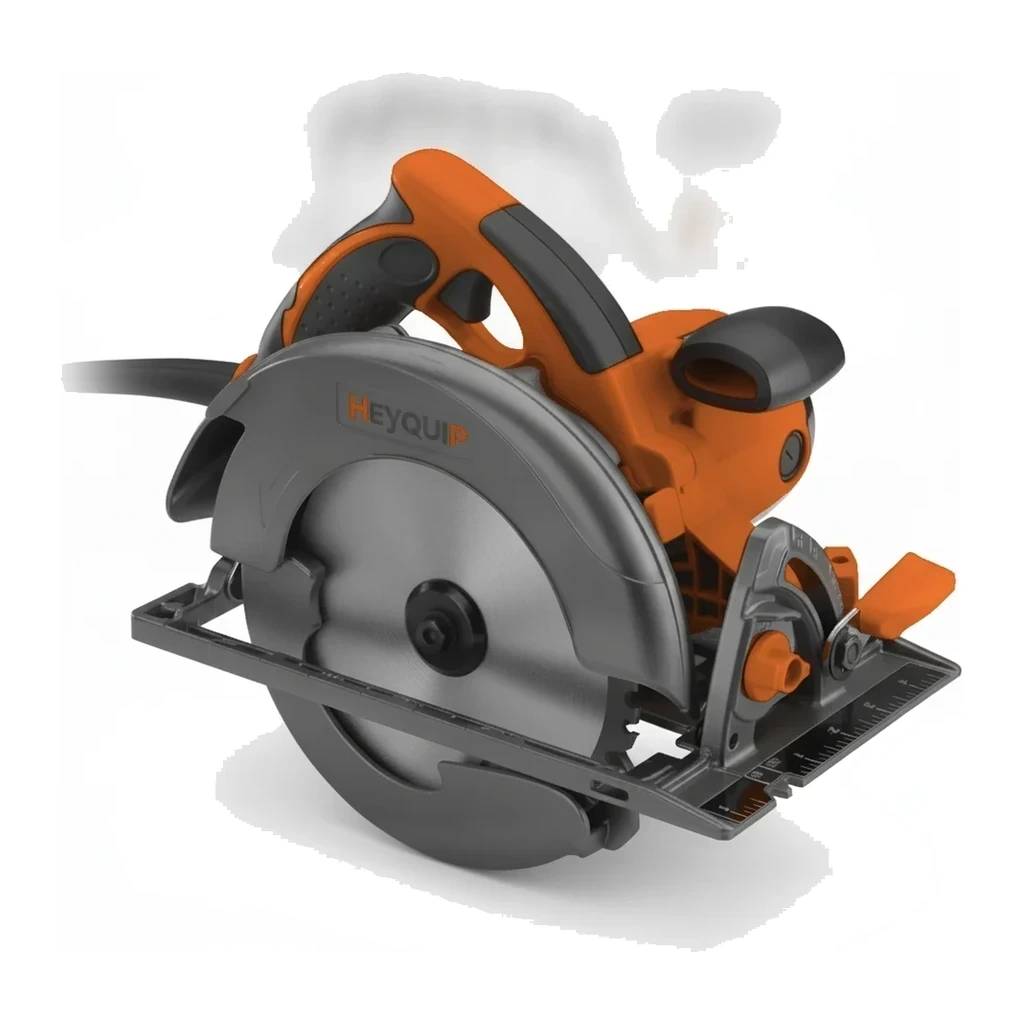
Especificaciones clave
| Especificación | Rango típico | Qué significa |
|---|---|---|
| Blade diameter | 8-1/4 to 10-1/4 in | Determines maximum depth of cut; larger diameters cut through 4x stock at 90° in one pass |
| Cut depth at 90° | 3 to 3-5/8 in | Single-pass capacity through full-dimension 4x posts and stacked sheathing |
| Cut depth at 45° | 2-1/4 to 2-5/8 in | Bevel capacity through nominal 2x lumber and angled framing cuts |
| Motor power | 13 to 15 A corded | Higher amperage sustains blade speed through dense engineered lumber and wet framing stock |
Cómo elegir
This size class is specified when work requires single-pass cuts through 4x4 or 6x6 posts, thick OSB or plywood stacks, or repetitive heavy framing where flipping stock slows production. The Up to 7.5 in Circular Saw band suffices for standard dimensional framing, finish carpentry, and sheathing work where lighter weight and easier handling matter more than maximum depth of cut. Contractors choose the 7.5-12 in range when job scope includes timber framing, deck posts, engineered beams, or high-volume cuts in LVL and PSL where the added cutting capacity justifies the heavier tool.
Lo que maneja este tamaño
- Cutting 4x4 and 6x6 deck posts to length in a single pass
- Ripping engineered beams and LVL headers on the job site
- Breaking down stacks of OSB or plywood sheathing without repositioning
- Heavy timber framing with full-dimension lumber
- Cutting treated lumber for outdoor structures where wet stock resists smaller saws
- High-volume production framing where cut depth eliminates flipping operations
Seguridad y operación
- Lower blade guards must retract freely and snap closed after each cut; debris accumulation causes binding
- Heavier mass and deeper cut capacity increase kickback forces; firm two-handed grip and proper stance are essential
- Blade changes require power disconnection and use of spindle lock; larger blades store more rotational energy during spin-down
- Eye and hearing protection required; deeper cuts generate higher volumes of sawdust and louder operating noise
Transporte y logística
- Handheld tool transported in vehicle cab or bed alongside other carpentry equipment
- Carried individually by one operator; heavier than compact models but no rigging required
- Often stored in gang boxes or tool trailers with blade guards and power cords
Alimentación
- Corded electric models draw 13 to 15 amps and require 120V branch circuits on site
- Cordless variants run on manufacturer-specific 18V or higher battery platforms with rapid chargers
- Generator support for remote sites must deliver clean AC power to prevent motor damage under load
Preguntas frecuentes
What is the practical difference between 8-1/4 in and 7-1/4 in saws for framing work?
Do worm-drive and sidewinder configurations appear in this size class?
Can this size class handle repetitive cuts in engineered lumber without overheating?
Equipos relacionados
Explorar por fabricante
7.5-12 in Circular Saw
1 modelos · Cada especificación citada a la fuente