
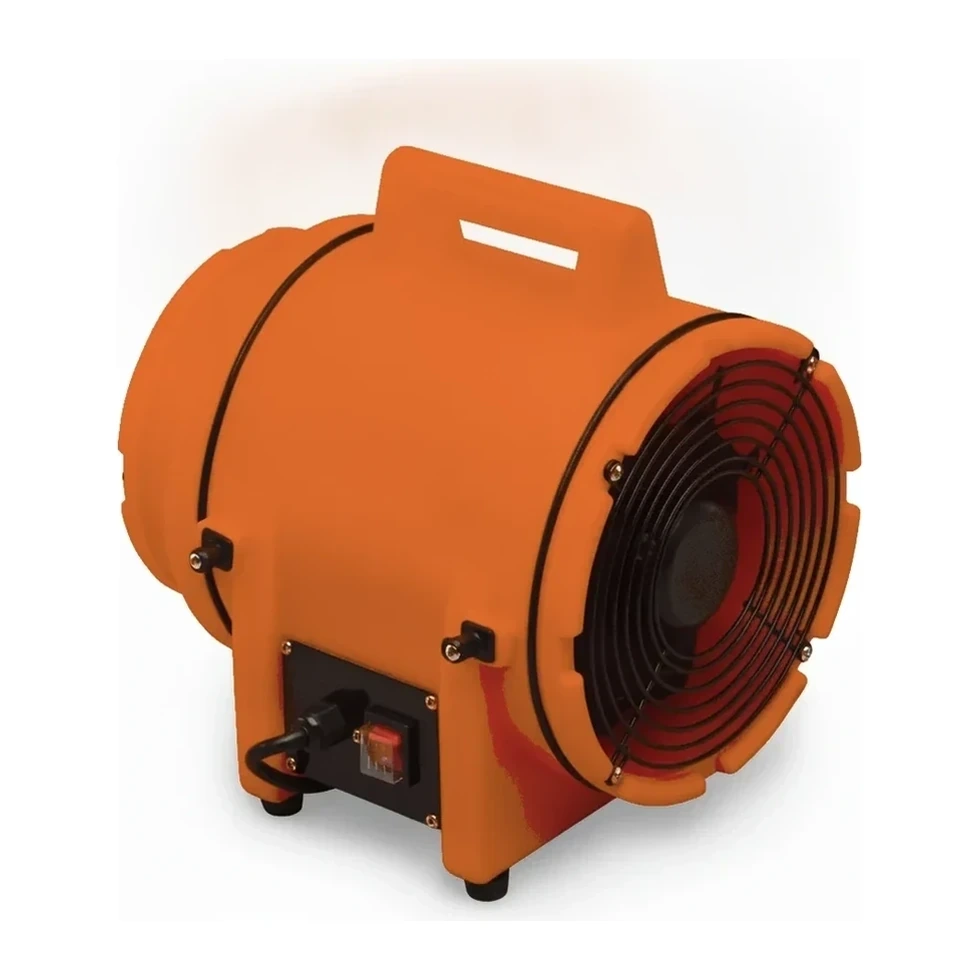
Confined Space Ventilator
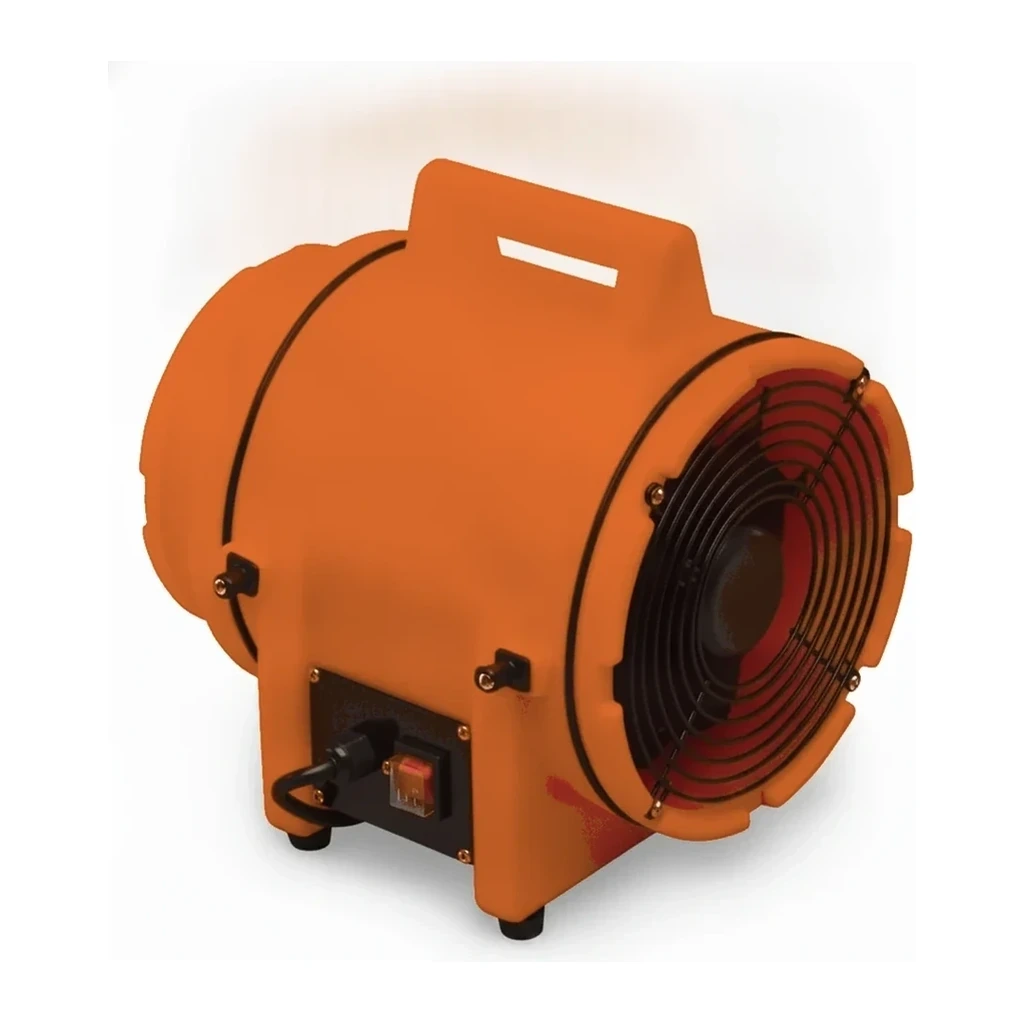
A confined space ventilator is a portable axial or centrifugal blower designed to supply fresh air to, or extract hazardous atmospheres from, enclosed spaces such as manholes, tanks, vaults, and vessels. These units attach to flexible ducting to direct airflow into or out of confined work areas where natural ventilation is insufficient. They are critical for maintaining safe oxygen levels and removing toxic or flammable gases during entry operations.
Cat classes
Elija una clase de tamaño — la capacidad y el alcance varían en la gama.
Cómo funciona
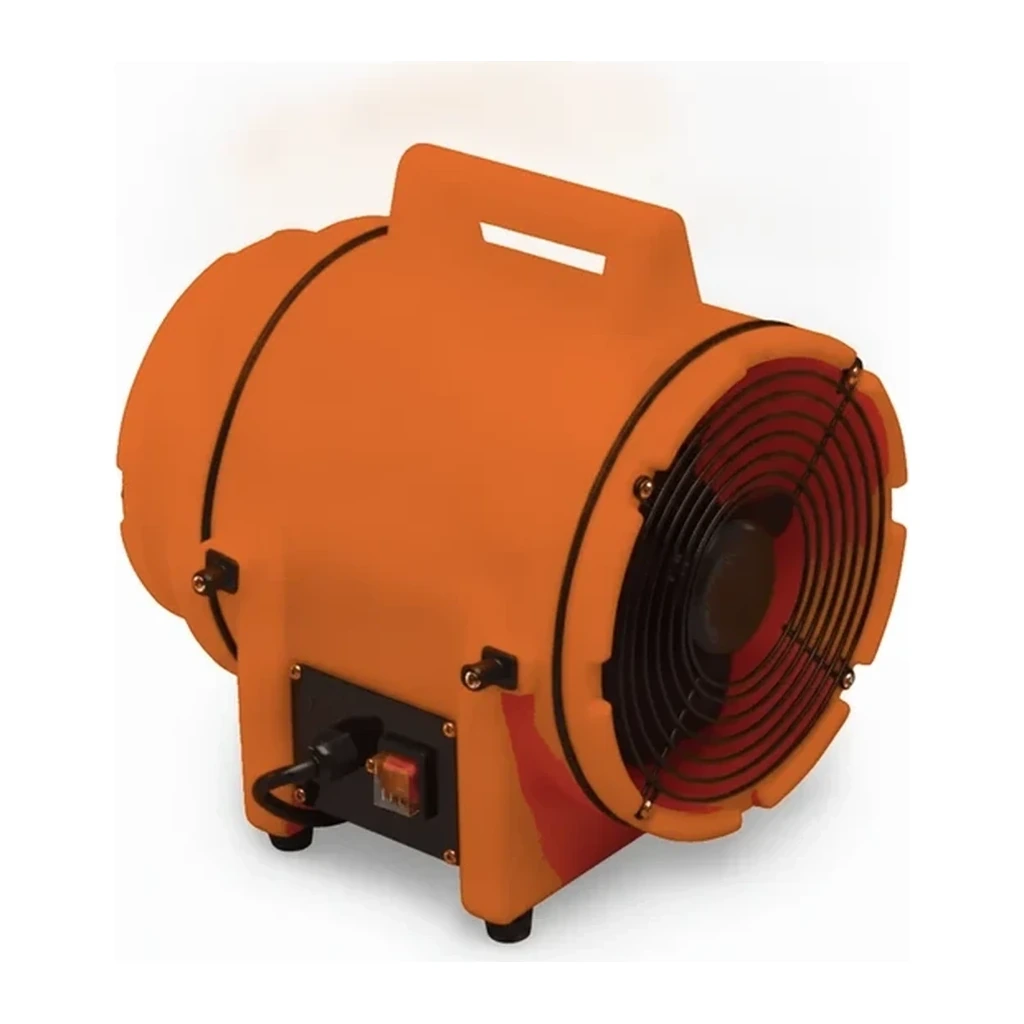
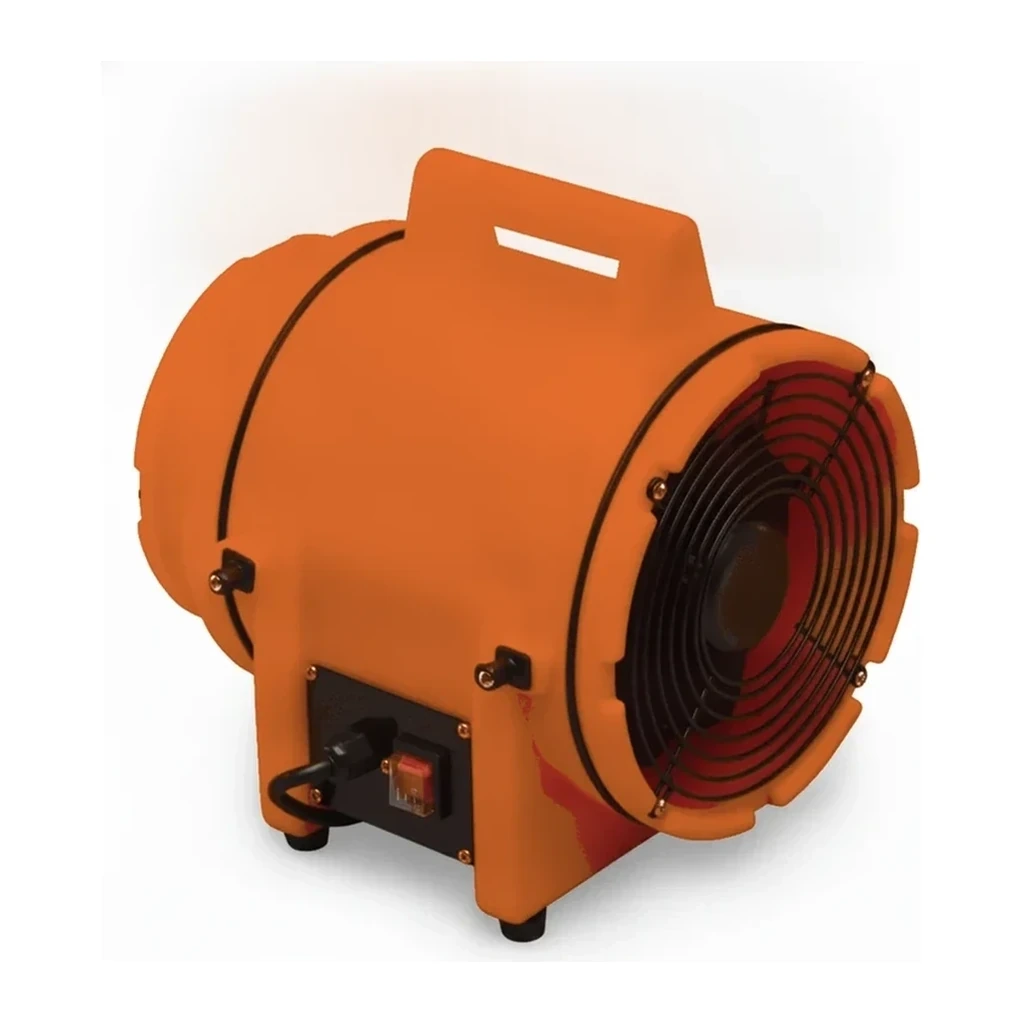
The ventilator draws ambient air through its intake and forces it through attached flexible duct into the confined space, or reverses to extract contaminated air. Most units use axial fans with high-velocity impellers optimized for static pressure, enabling effective airflow through long duct runs. Motor types include electric (standard or explosion-proof), pneumatic, or gasoline-powered, selected based on the hazard classification of the environment. Duct configurations vary by application: positive pressure (supply) ventilation pushes fresh air in, diluting contaminants and maintaining a breathable atmosphere; negative pressure (exhaust) ventilation pulls contaminated air out. Canister-style and inline models accommodate different entry geometries and duct lengths, with some units featuring explosion-proof construction and grounding provisions for ATEX or Class I, Division 1 environments.
Tipos y variantes
- Electric Axial Blower
- Standard AC-powered blowers for general confined space ventilation where electrical service is available and no explosive atmosphere is present.
- Explosion-Proof Blower
- Blowers with sealed, spark-resistant motors and grounded housings rated for hazardous atmospheres (Class I, Division 1) such as petrochemical tanks and fuel storage vessels.
- Pneumatic Blower
- Air-driven units using compressed air to eliminate ignition sources in highly explosive environments or where electrical power is unavailable.
- Canister Fan
- Compact, cylindrical units designed to fit directly into manhole openings or small access ports, providing ventilation without external duct in short applications.
- Inline Duct Fan
- Blowers installed mid-duct to boost airflow over long runs or to series-ventilate multiple confined spaces from a single air source.
- Gasoline-Powered Blower
- Portable combustion-engine units for remote sites without power access, typically used outdoors with long duct runs to prevent exhaust contamination.
Especificaciones clave
| Especificación | Rango típico | Qué significa |
|---|---|---|
| Airflow | 877–4480 cfm | Volume of air moved per minute; determines ventilation capacity and duct length capability. |
| Static Pressure | Varies by model | Resistance the blower can overcome; higher values support longer duct runs and restrictive entry points. |
| Duct Diameter | 8–16 inches | Inlet/outlet size for flexible duct attachment; must match duct and entry opening dimensions. |
| Motor Type | Electric, explosion-proof, or pneumatic | Power source selected based on site power availability and hazard classification requirements. |
| Hazardous Location Rating | Class I, Division 1 or 2 (where applicable) | Certification level for operation in environments with flammable gases, vapors, or dusts. |
Cómo la industria lo dimensiona
Confined space ventilators are sized primarily by airflow capacity measured in cubic feet per minute (cfm). Units delivering up to 1000 cfm ventilate a manhole, a vault, or a small tank on a short duct run. Models from 1000 to 2000 cfm handle standard vessel and tank entry with 25 to 50 feet of duct on the blower. Units above 2000 cfm support long duct runs, big vessels, and multiple drops off one blower. Selection also considers static pressure capability to ensure adequate airflow through the duct system and entry restrictions.
Aplicaciones
- Ventilating manholes, sewer vaults, and underground utility spaces during maintenance or inspection
- Supplying breathable air to storage tanks, railroad tank cars, and process vessels during cleaning or repair
- Exhausting toxic fumes, welding smoke, or solvent vapors from confined work areas
- Purging flammable atmospheres from fuel tanks, pipelines, and petrochemical vessels prior to hot work
- Supporting air quality during marine vessel holds, ship compartments, and dry dock operations
- Providing ventilation in tunnels, shafts, and excavations where natural airflow is blocked
Seguridad y operación
- Test atmosphere with calibrated gas monitors before and during entry; ventilation alone does not guarantee safe conditions
- Match blower motor type to the hazard classification of the space to prevent ignition of flammable atmospheres
- Position intake in clean air zones away from exhaust outlets, vehicle emissions, or contamination sources
- Secure and inspect duct for tears, kinks, or disconnections that reduce airflow or introduce contaminants
- Maintain blower grounding and bonding in explosive environments to prevent static discharge ignition
Normas y certificaciones
- OSHA · 29 CFR 1910.146
- Permit-required confined spaces standard establishing ventilation and atmospheric testing requirements for entry operations.
- NFPA · NFPA 70 (NEC) Article 500
- Electrical code defining hazardous location classifications and equipment requirements for explosive atmospheres.
- ANSI · ANSI/ASSP Z117.1
- Safety requirements for confined spaces including ventilation system design and operation practices.
Preguntas frecuentes
What is the difference between positive and negative pressure ventilation?
How is airflow capacity (cfm) determined for a confined space?
When is an explosion-proof blower required?
Can ventilation eliminate the need for atmospheric testing?
Equipos relacionados
Explorar por fabricante
Fuentes
Cada especificación se verifica con los datos publicados por el fabricante, con la fuente enlazada como referencia.
Todos los modelos
62 modelos · Página 1 de 2 · Cada especificación citada a la fuente