

HVAC
HVAC equipment controls temperature, humidity, and air quality in temporary and emergency service. The category runs from portable air conditioners and chillers through dehumidifiers, air scrubbers, fans, and the heater fleet that carries sites through winter.
Cómo funciona
Each family manages one leg of the indoor environment: refrigeration circuits move heat out, heaters add it, dehumidifiers strip moisture, and filtration units clean particulate and odor. Equipment is sized against load calculations — BTUs, pints per day, air changes per hour — rather than floor area alone.
Tipos y variantes
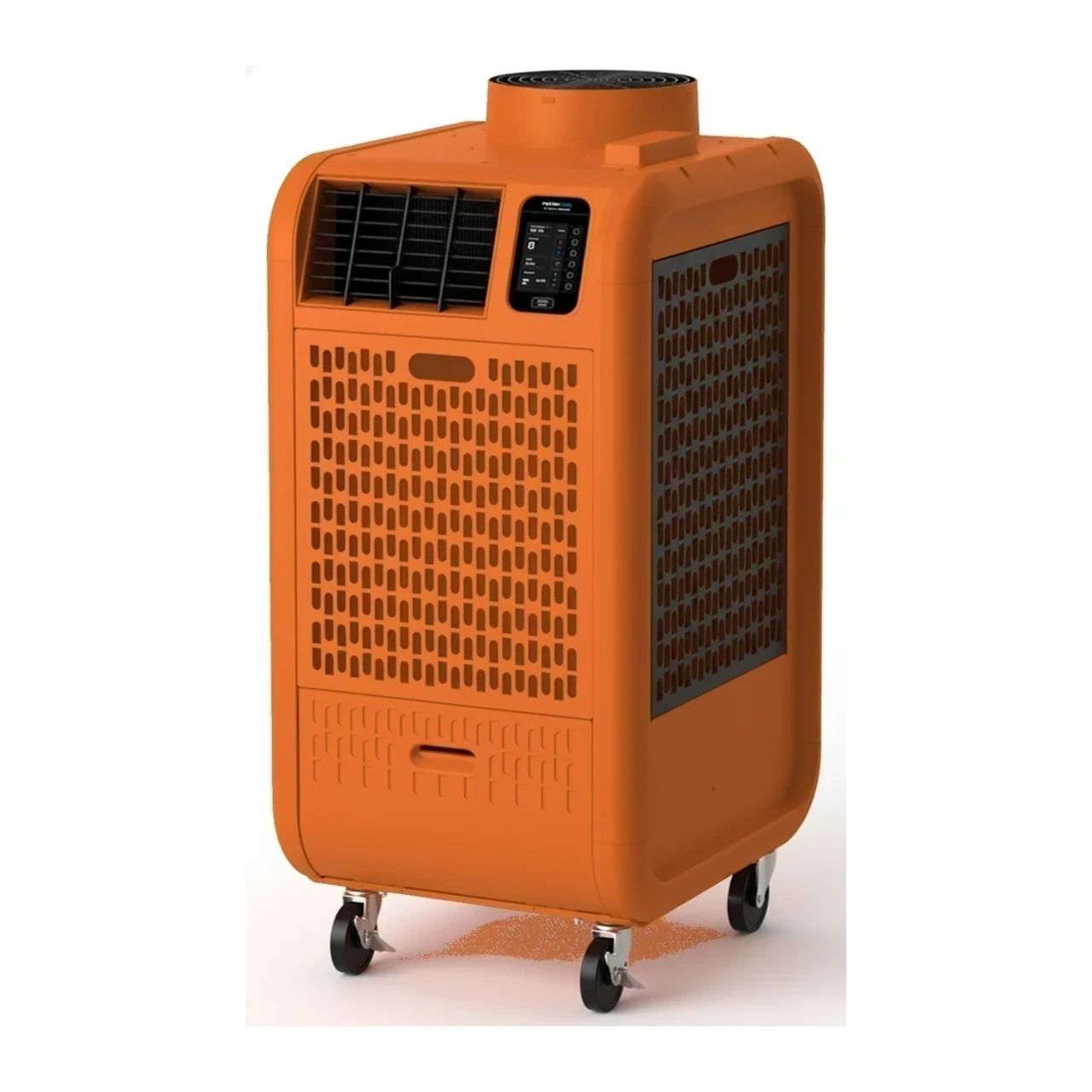
- Air Conditioners
- Portable and spot-cooling units for temporary space cooling.
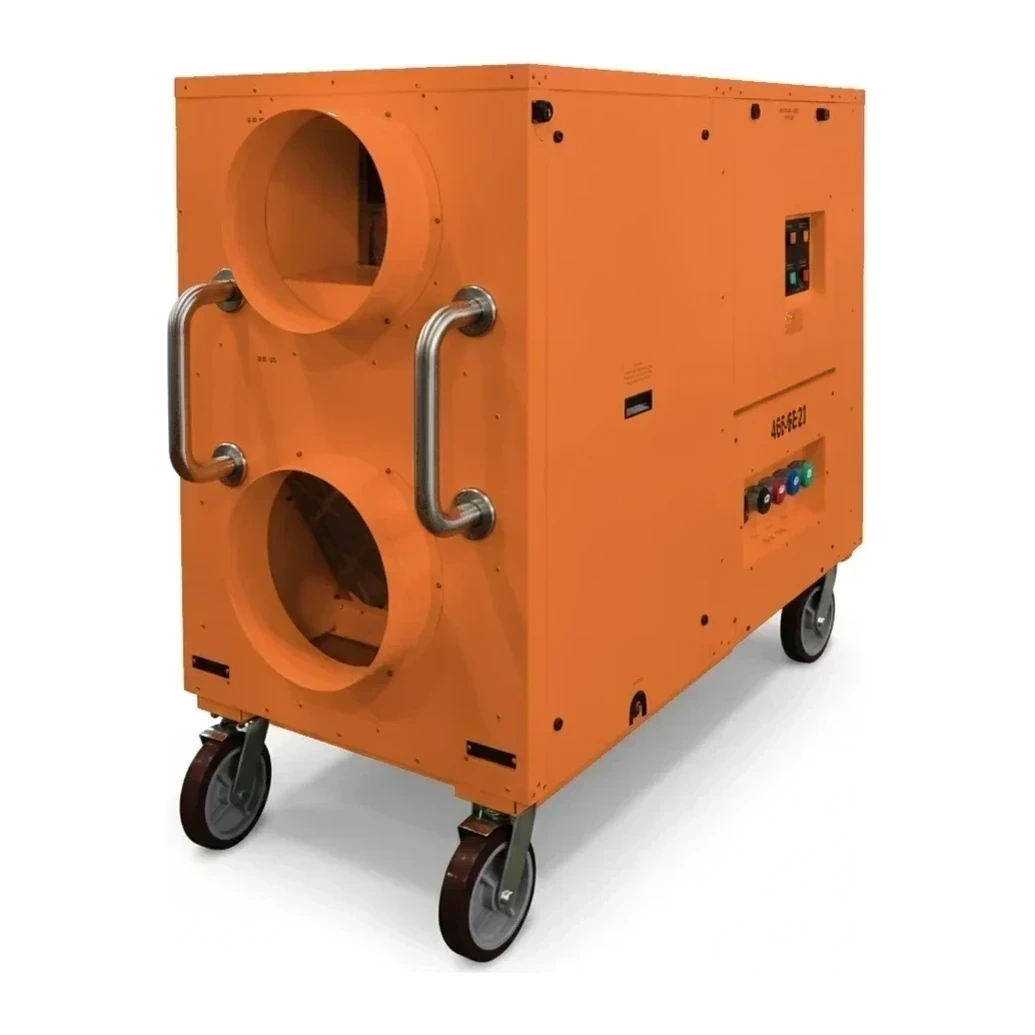
- Air Handlers
- Fan-coil units that distribute conditioned air through temporary systems.
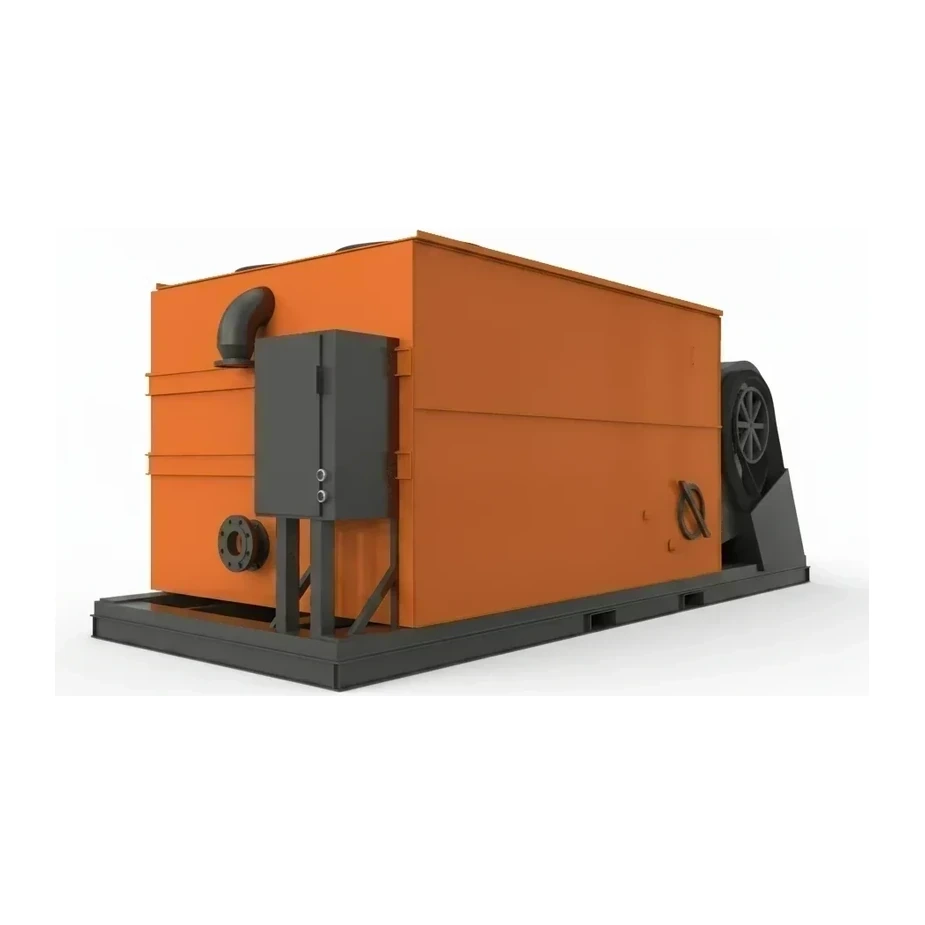
- Cooling Towers
- Evaporative towers that reject process and condenser heat.
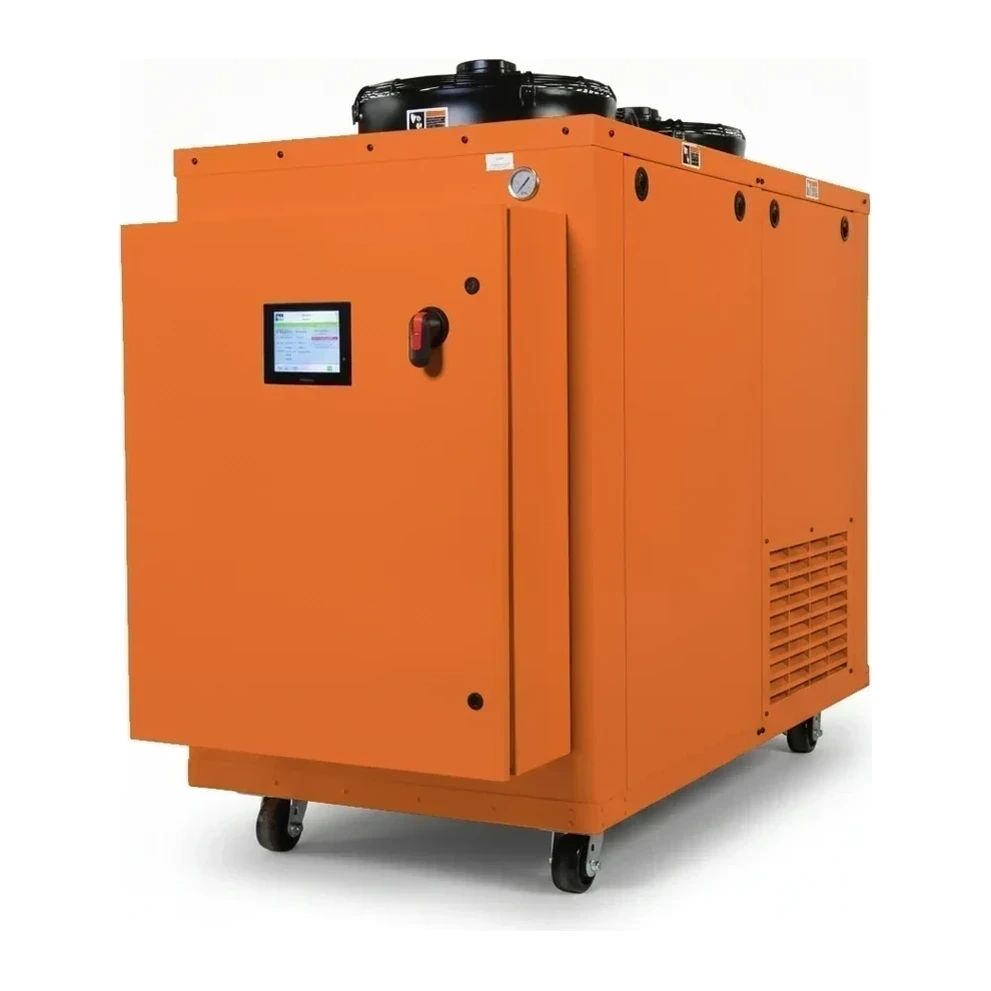
- Chillers
- Packaged plants that supply chilled water for comfort and process loads.
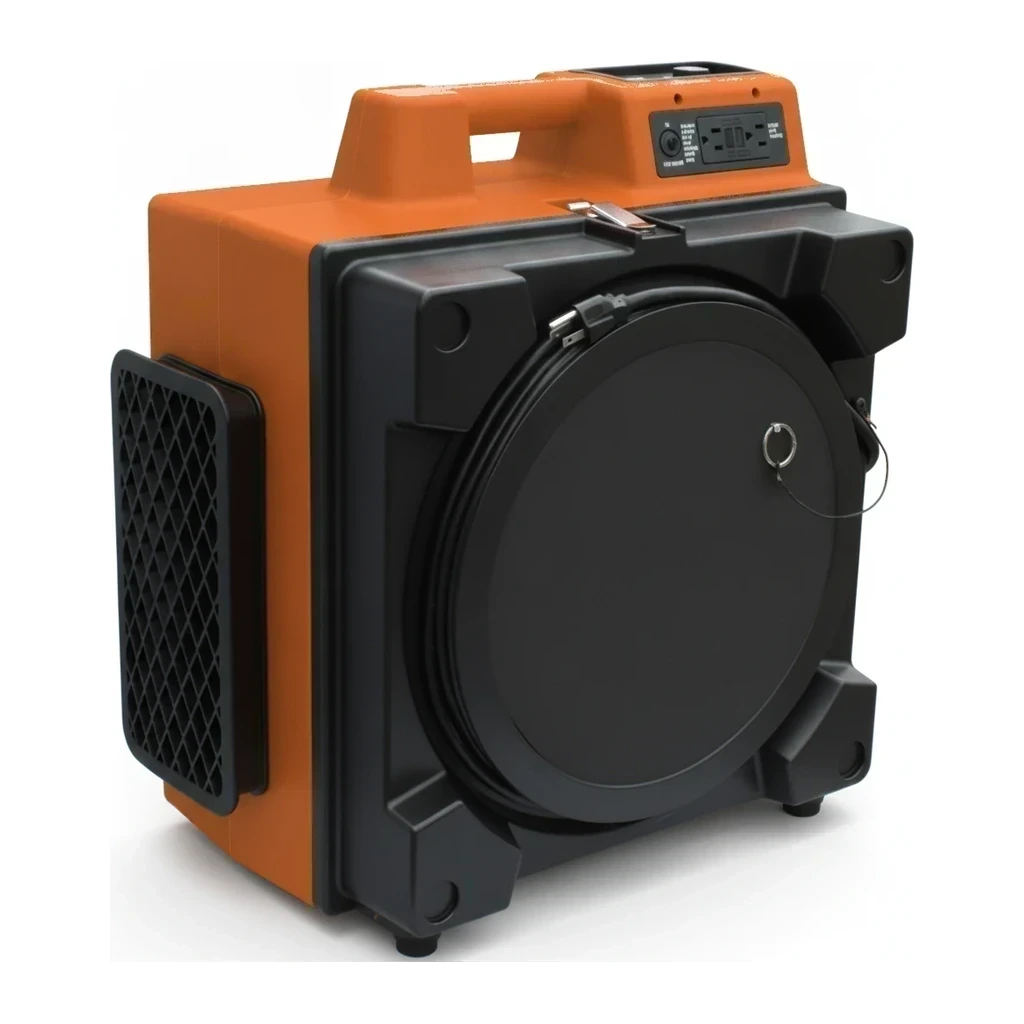
- Air Scrubbers
- HEPA filtration units for air cleaning and negative-pressure containment.
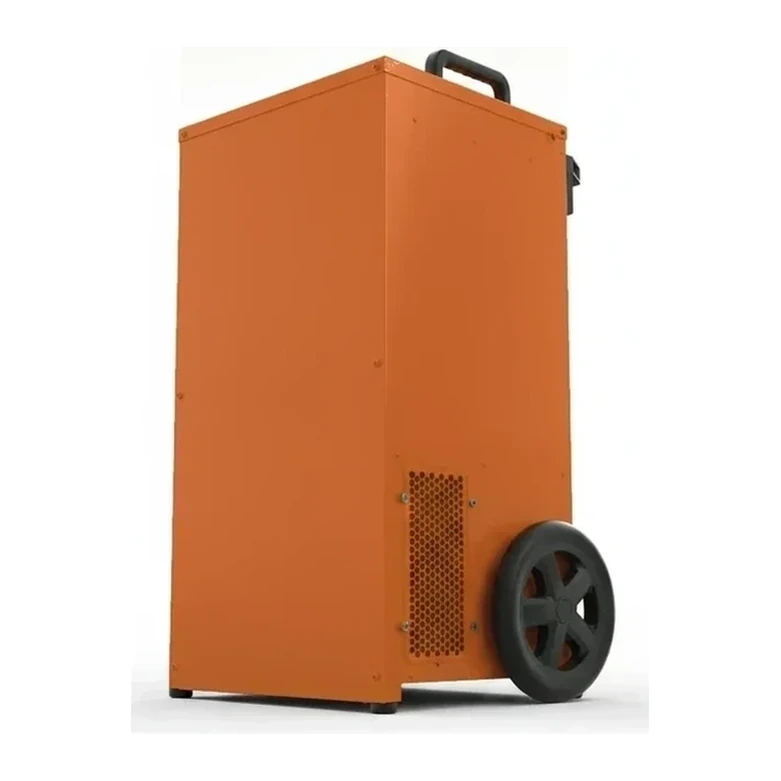
- Dehumidifiers
- Desiccant and refrigerant units that remove moisture for drying and control.
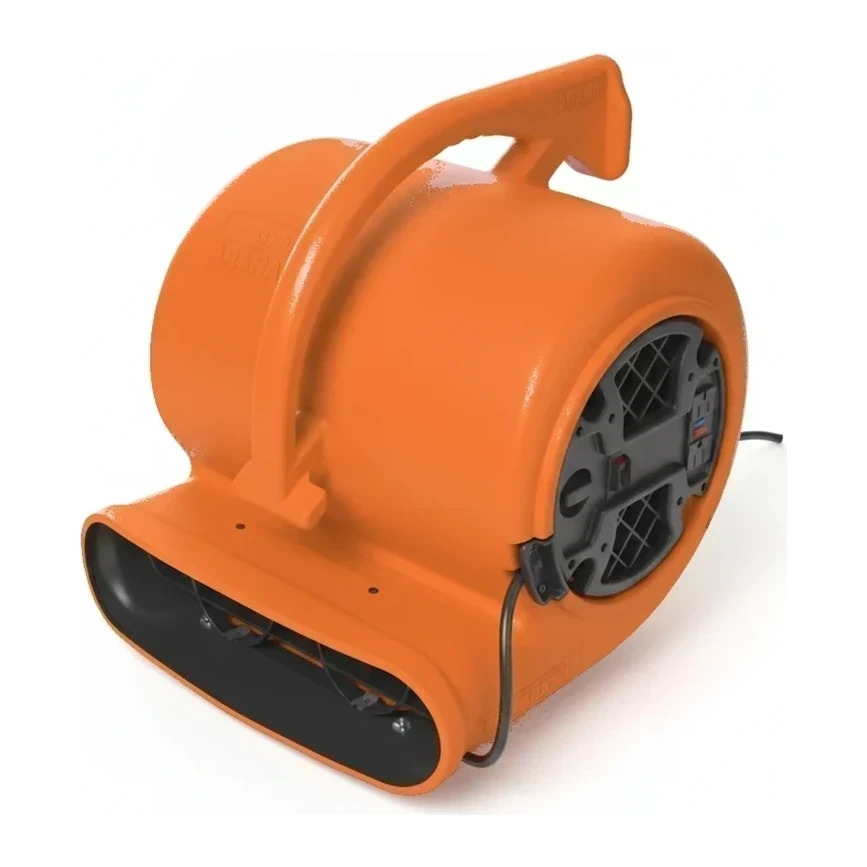
- Fans and Blowers
- Air movers, ventilators, and fans for drying, cooling, and air exchange.
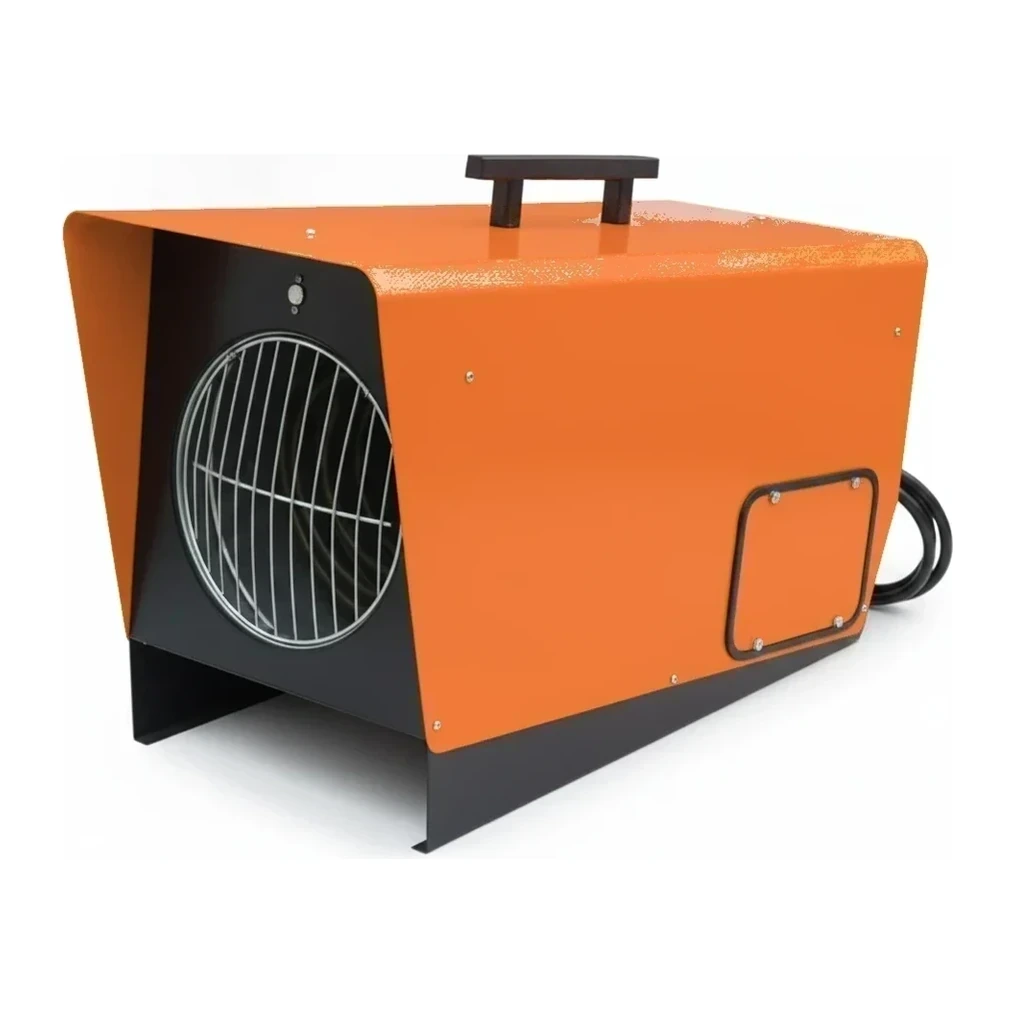
- Heaters
- Direct, indirect, electric, hydronic, and heat pump heating for cold-weather work.
Cómo elegir
The problem defines the family: temperature to cooling or heating sized by load, moisture to LGR or desiccant drying, contamination to scrubbers at target air changes. Occupancy and venting rules steer heater technology, and power availability — often the binding constraint — shapes what any temporary system can run.
Normas y certificaciones
- AHRI
- Performance-certification programs for air conditioning, heating, and refrigeration equipment.
- ASHRAE · Standard 62.1
- Ventilation and indoor air quality guidance referenced when conditioning occupied spaces.
- CSA/ANSI · Z83 series
- Safety standards for gas-fired heaters, including construction heaters.