

50+ in Riding Mower
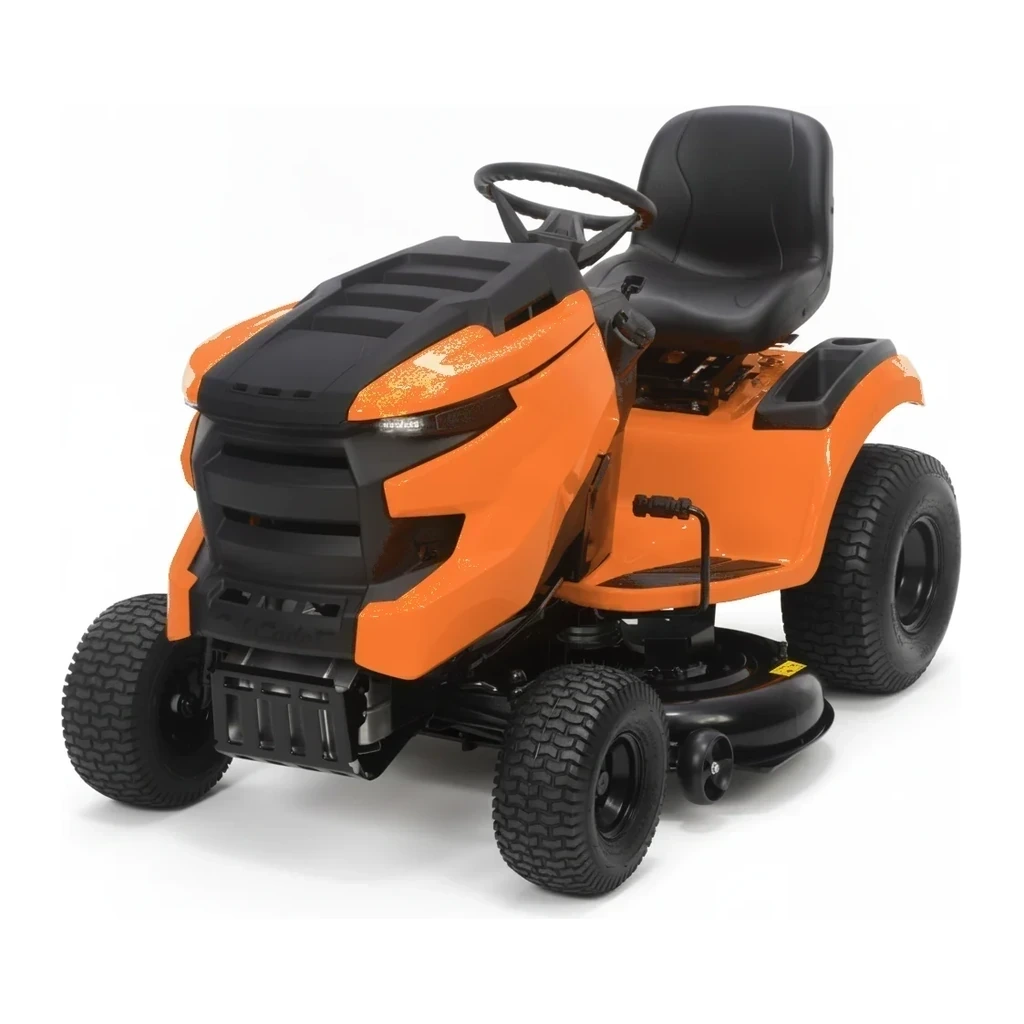
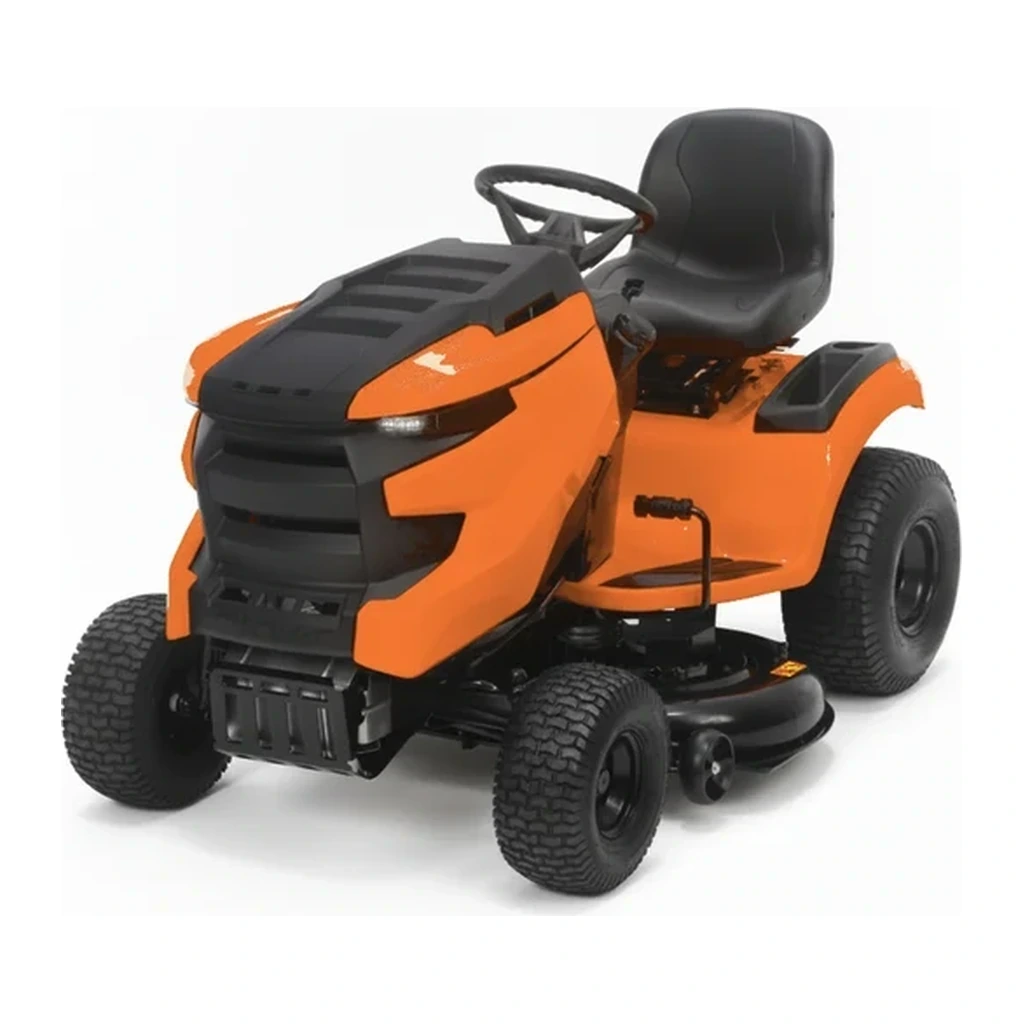
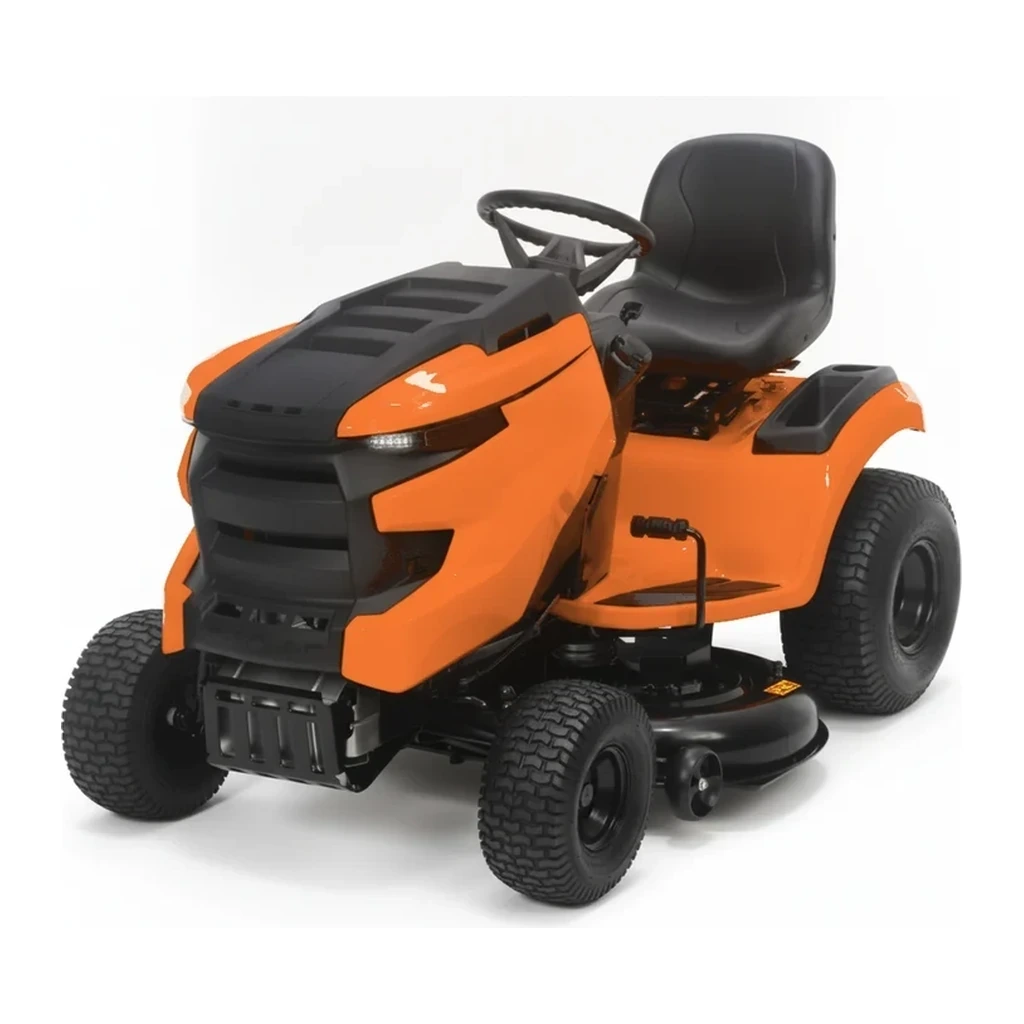
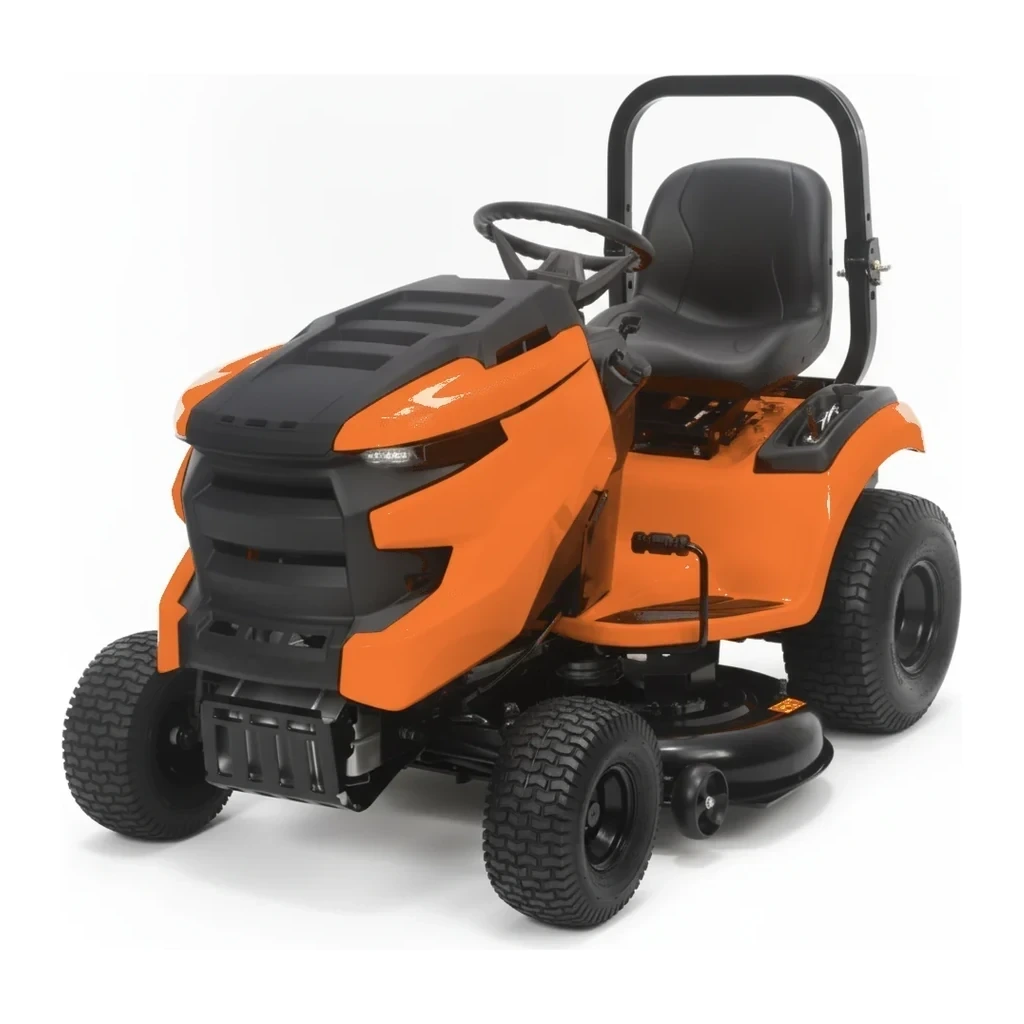
The 50+ in riding mower class encompasses large tractor-style and front-mount mowers designed for properties spanning several acres and off-season attachment work. This is the top rung of the riding mower ladder, representing the transition from dedicated lawn equipment to multi-purpose grounds maintenance tractors. Machines in this band prioritize cutting width, durability, and year-round utility over the maneuverability of smaller residential models.
Cat classes
Elija una clase de tamaño: la capacidad y el alcance varían en la gama.
Especificaciones clave
| Especificación | Rango típico | Qué significa |
|---|---|---|
| Cutting width | 50+ in | Defines the class; enables efficient coverage of large areas with fewer passes. |
| Engine configuration | Heavy-duty twin-cylinder or diesel | Provides power for wide decks and hydraulic attachment systems. |
| Attachment compatibility | PTO or hydraulic | Supports snow blades, tillers, carts, and other implements for multi-season use. |
| Frame construction | Reinforced steel | Built to handle commercial-grade loads and sustained operation. |
Cómo elegir
The 50+ in riding mower class is appropriate for properties exceeding three acres, commercial grounds, or applications where attachment versatility is required beyond mowing season. Operations involving slopes, tight landscaping, or areas under two acres are generally better served by the 42-50 in Riding Mower class, which offers tighter turning and easier transport. No larger rung exists on the riding mower ladder; users requiring greater capacity typically move to dedicated compact tractors with mid-mount or tow-behind mowing decks.
Lo que maneja este tamaño
- Maintaining expansive residential lots of five acres or more
- Mowing open fields and pasture perimeters
- Grounds care at schools, parks, or office complexes
- Year-round property maintenance with seasonal attachment changes
- Cutting and collecting leaf debris across multi-acre sites
- Preparing large lots before construction or landscaping
Seguridad y operación
- Operator presence systems disable blades and drive when the seat is unoccupied
- Wide turning radius and extended sight lines require attention to pedestrians, overhead clearance, and perimeter obstacles
- Slope operation beyond 15 degrees increases rollover risk; side-to-side mowing is preferred on grades
- Attachment work introduces pinch points, PTO entanglement hazards, and load-shift risks during transport or terrain changes
Transporte y logística
- Requires a heavy-duty utility trailer or low-deck equipment trailer rated for 800-1,200 lb loads
- Trailer loading typically performed via walk-on ramps or tilt-deck; machine width exceeds most truck bed dimensions
- Towing vehicle should accommodate trailer tongue weight and total combined load exceeding one ton
Alimentación
- Gasoline engines use standard unleaded fuel; diesel variants require on-site diesel fuel storage
- Fuel tank capacities generally range from 3 to 5 gallons, supporting several hours of continuous operation
- Battery-electric models in this size class are rare; hybrid systems may require 120V charging infrastructure
Preguntas frecuentes
What distinguishes a 50+ in riding mower from a compact tractor?
How does cutting width above 50 inches affect transport and storage?
When does a property size justify moving to this class from the 42-50 in band?
Equipos relacionados
Explorar por fabricante
Fuentes
Cada especificación se verifica con los datos publicados por el fabricante, con la fuente enlazada como referencia.
50+ in Riding Mower
1 modelos · Cada especificación citada a la fuente