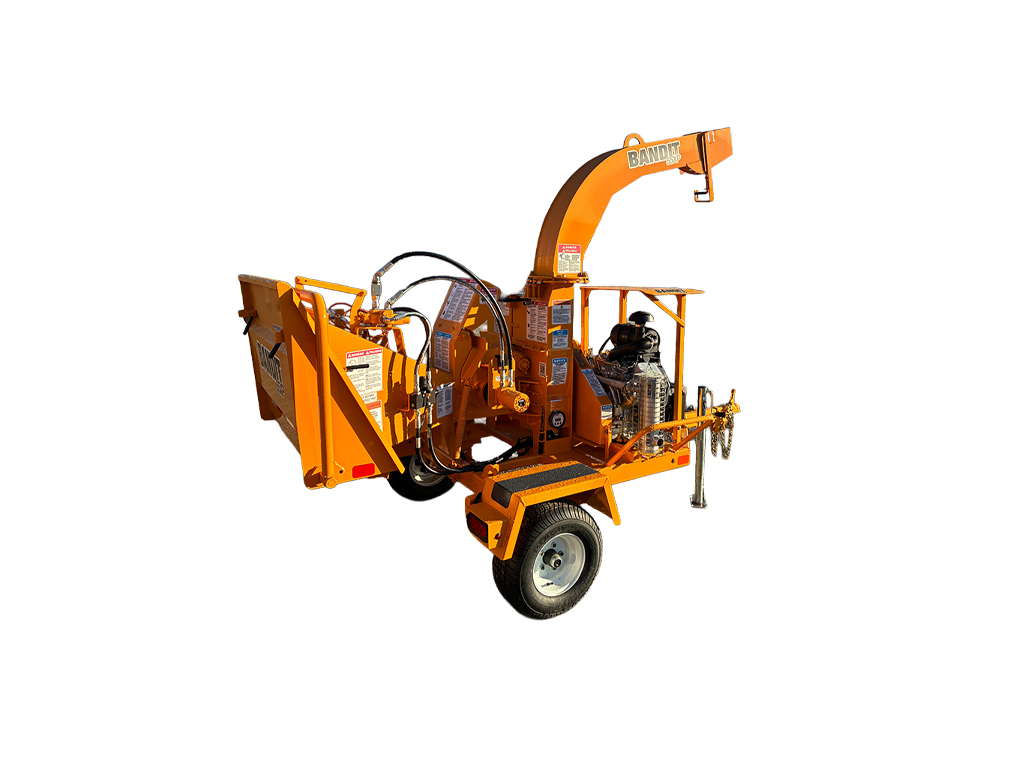

Up to 7 in Brush Chipper
Up to 7 in brush chippers handle material up to 6 in diameter, making them the smallest and most portable rung on the brush chipper ladder. Powered by engines from 16 to 38 hp and weighing 628 to 7,100 kg, this size class bridges handheld chipping tools and mid-size tow-behind units. These machines suit one-truck landscape crews, residential pruning work, and light storm cleanup where portability matters more than maximum throughput.
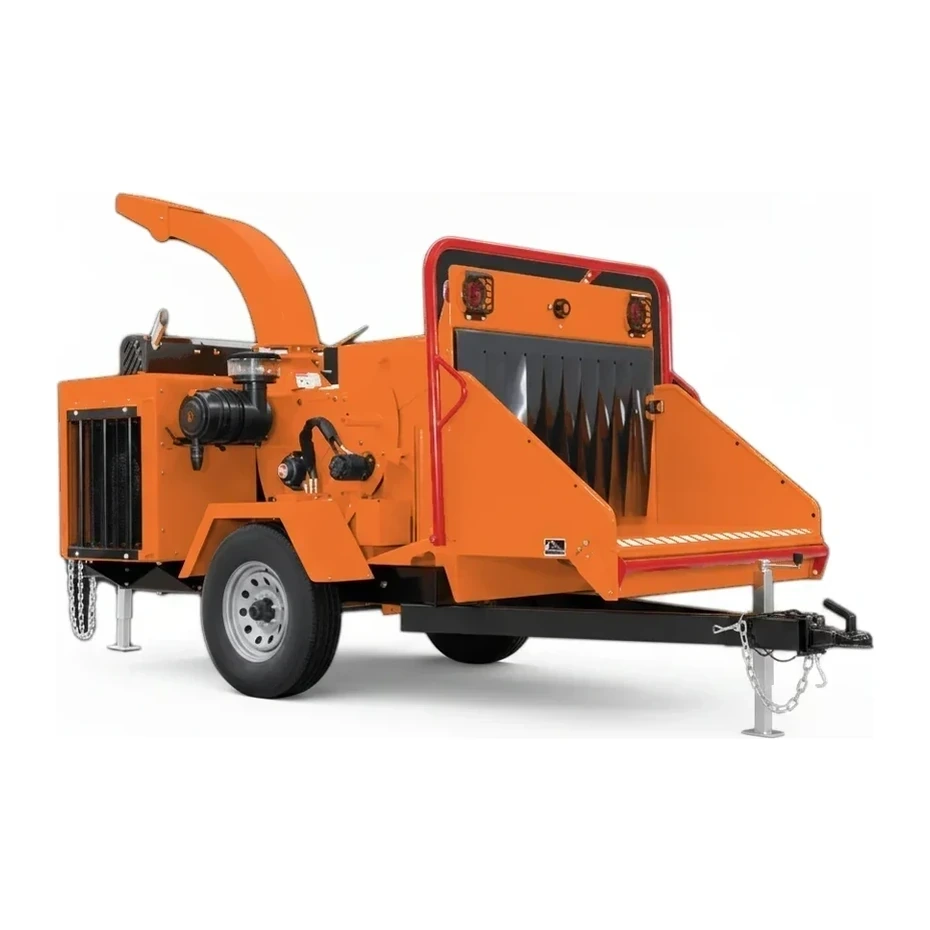
Cat classes
Elija una clase de tamaño: la capacidad y el alcance varían en la gama.
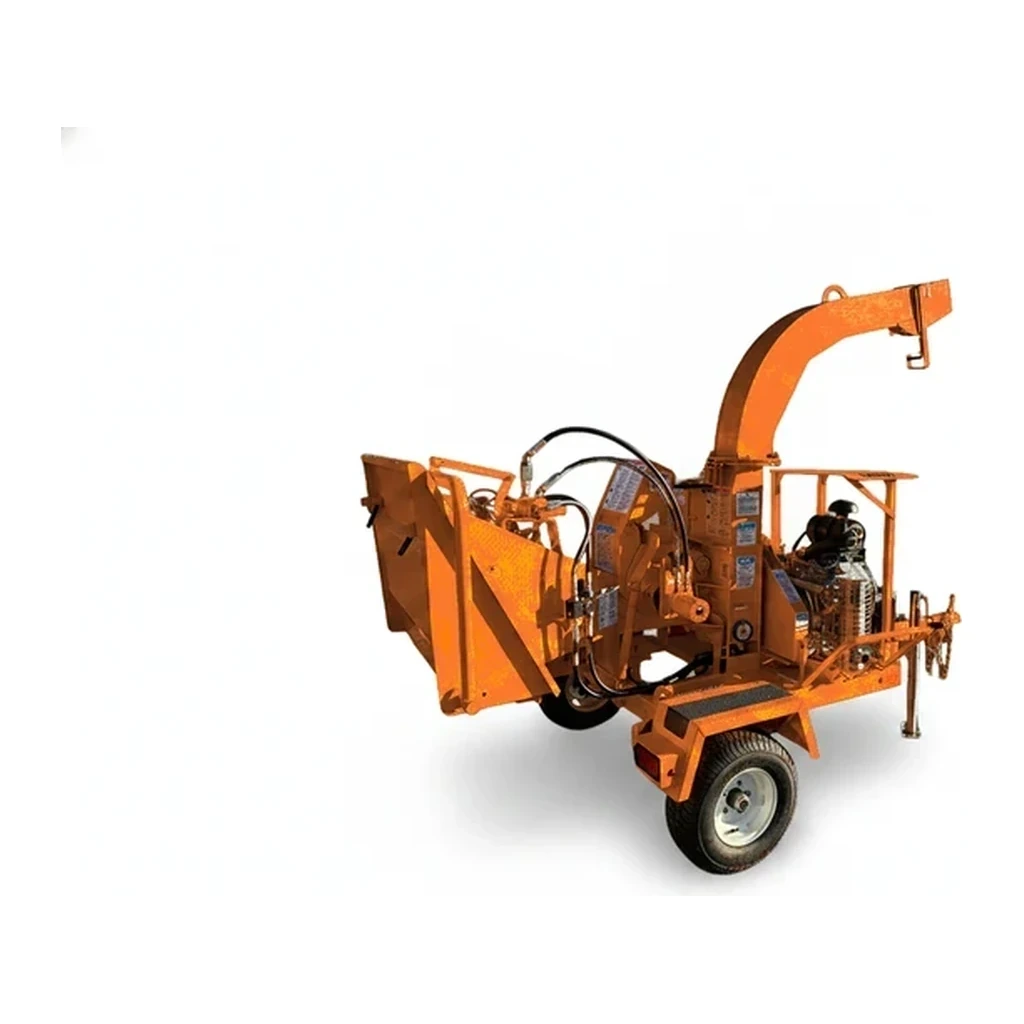
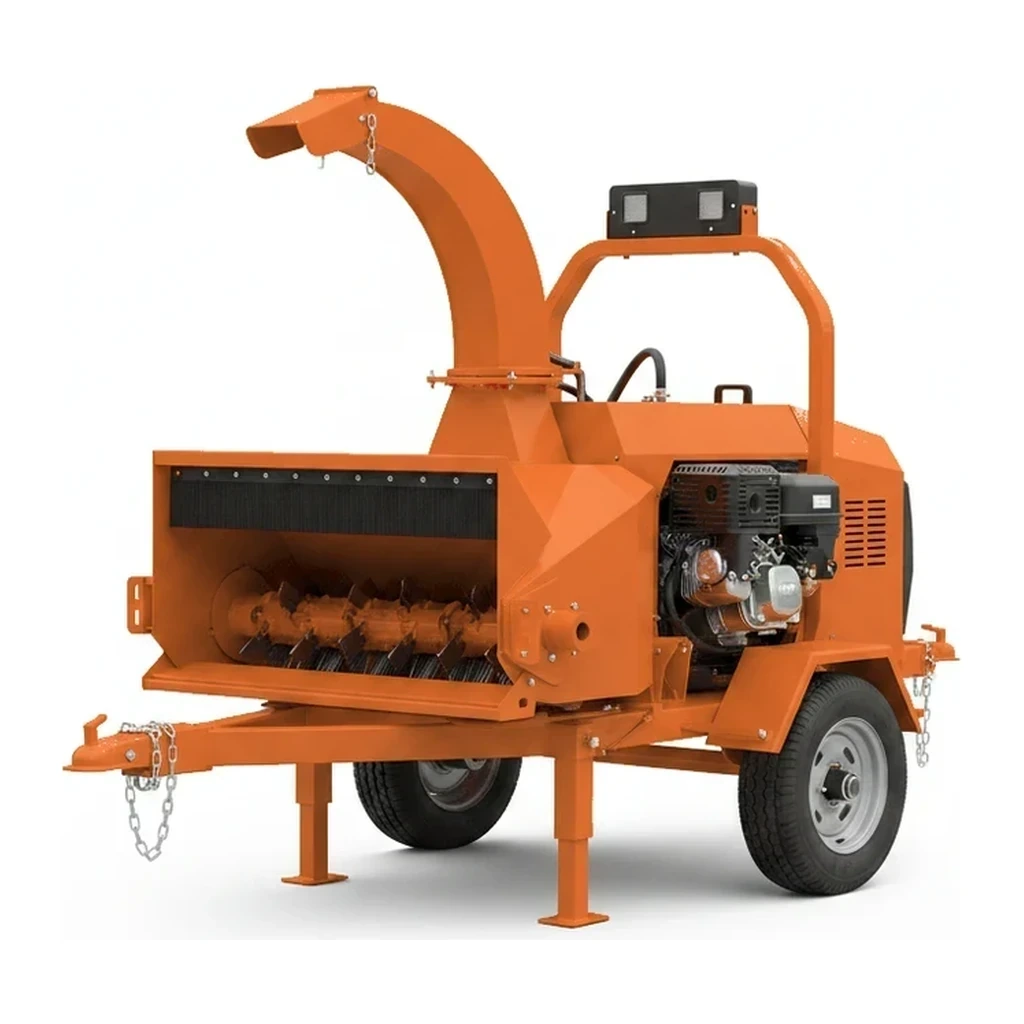
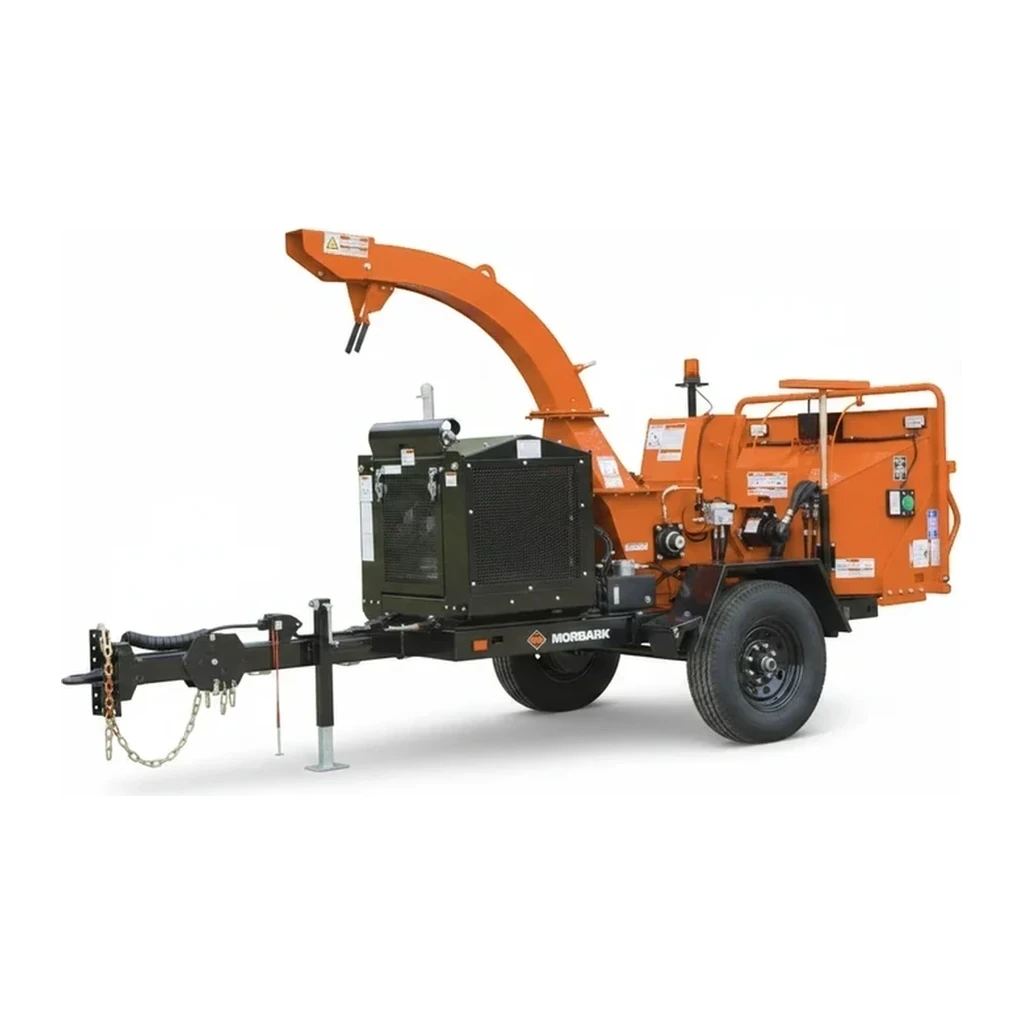
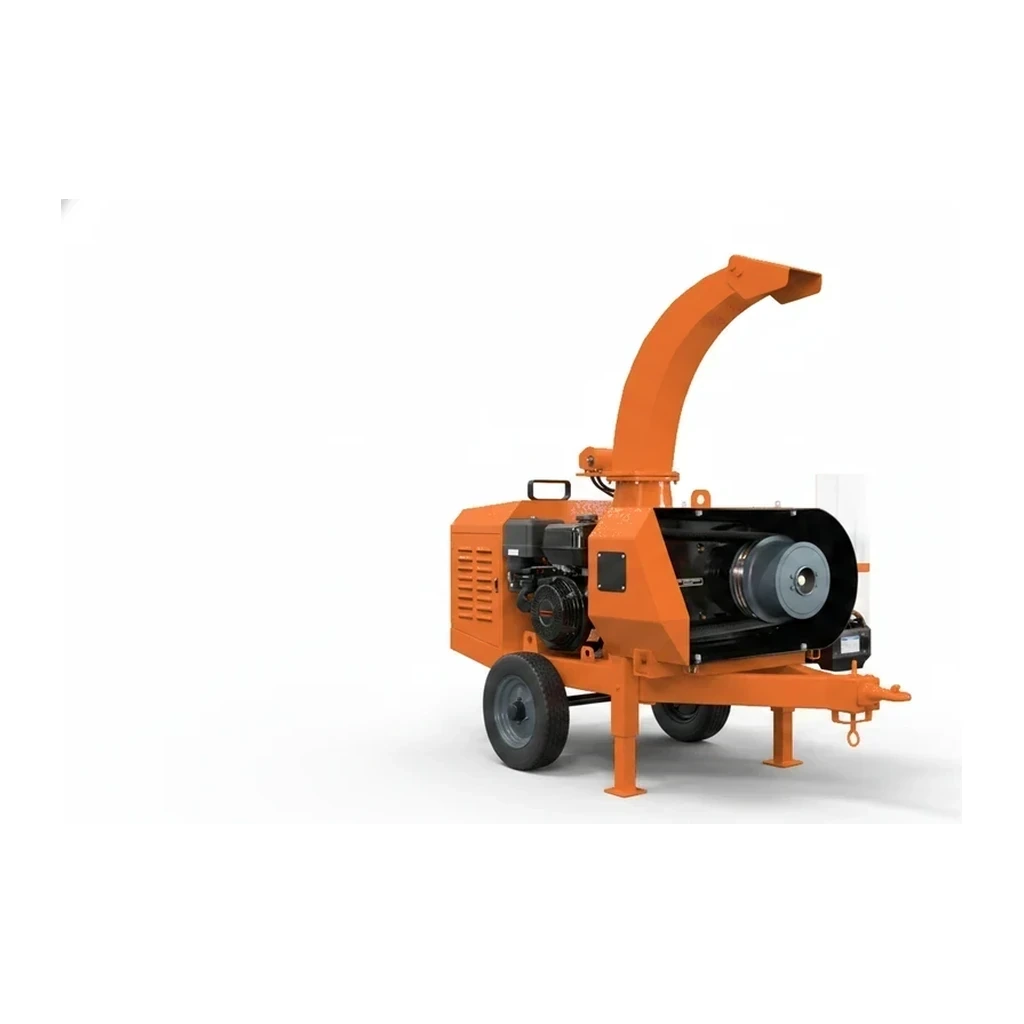
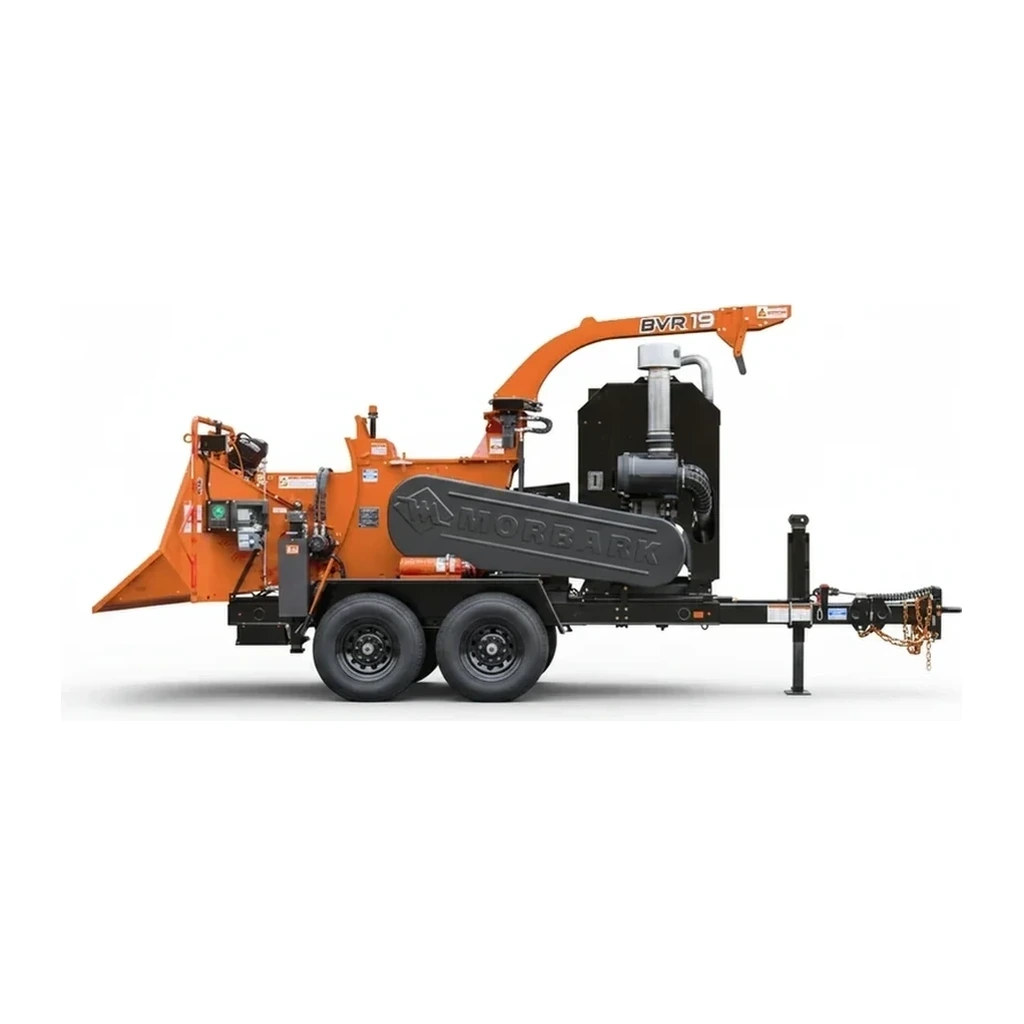
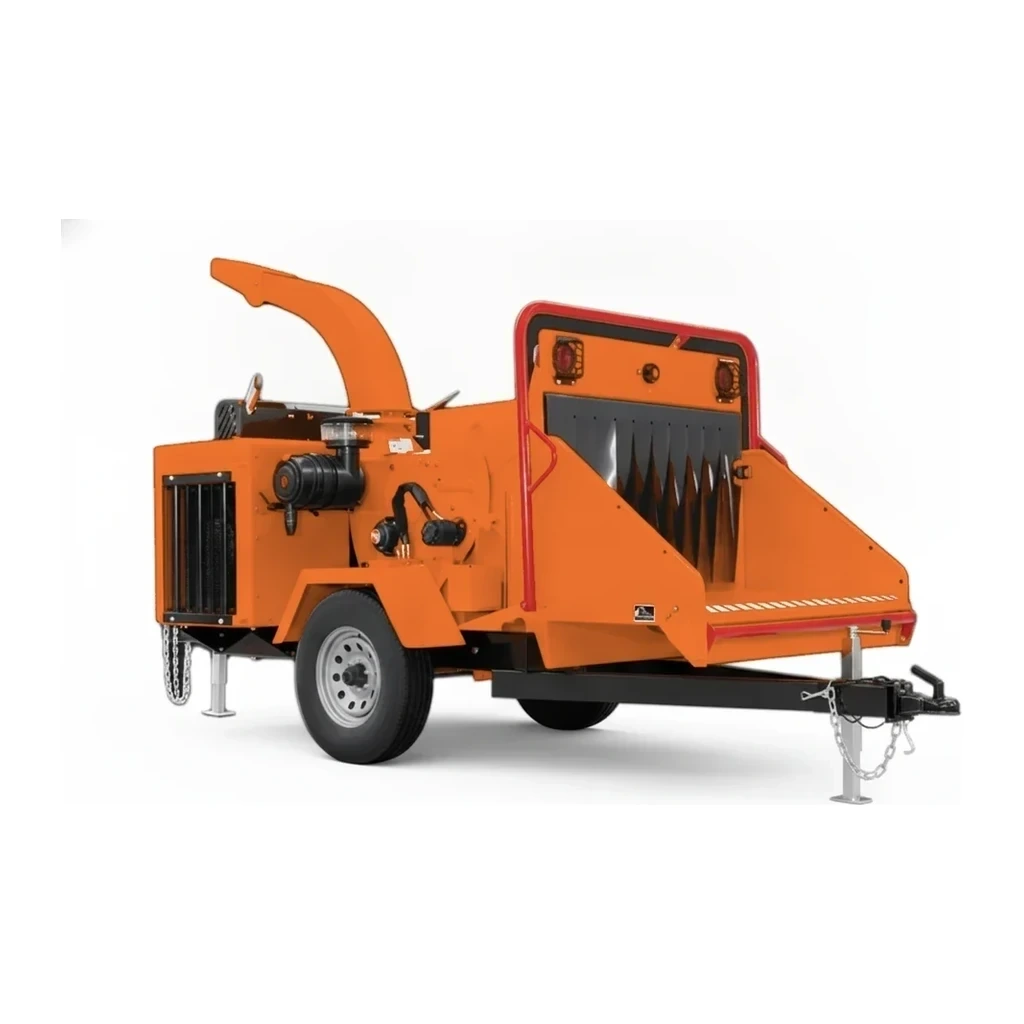
Especificaciones clave
| Especificación | Rango típico | Qué significa |
|---|---|---|
| Chipping capacity | 6–6.2 in (15.2–15.7 cm) | Maximum branch diameter the chipper can process; material approaching this limit feeds slower than smaller brush. |
| Engine power | 16-38 hp | Gasoline engines in this range; higher power improves feed speed and maintains rpm under load. |
| Operating weight | 1,385–15,653 lb (628–7,100 kg) | Wide range reflects hand-fed compact models at the low end and tow-behind units with integrated feeders at the high end. |
| Fuel capacity | 5-9 gal (or 8-18 L) | Tank size determines runtime between refueling; smaller tanks suit intermittent residential work. |
Cómo elegir
Up to 7 in brush chippers are the right choice for landscape maintenance crews processing pruning debris, small tree removals, and residential storm cleanup where material rarely exceeds 6 in diameter. This size class offers single-operator portability and fits behind compact trucks or trailers. When branch diameter regularly reaches 7-10 in or continuous production matters, such as municipal storm response or land-clearing operations, the 7-10 in Brush Chipper size class provides the necessary capacity and feed system to handle larger material efficiently. No smaller brush chipper class exists; manual pruning and bundling are the alternatives for lighter work.
Lo que maneja este tamaño
- Residential tree pruning and limb removal up to 6 in diameter
- Storm cleanup after wind events producing broken branches and small limbs
- One-truck landscape crew processing daily pruning debris at multiple job sites
- Park maintenance chipping fallen branches and clearing trails
- Hedge and shrub removal generating brush and small woody stems
- Small-scale land clearing where portability and fuel efficiency matter
Seguridad y operación
- Operators maintain clear zones around the infeed chute; branch kickback can occur with curved or springy material
- Hearing and eye protection required; chipper discharge velocity and noise levels are hazardous
- Feed material from the side of the hopper, never standing directly in line with the chute opening
- Stop the machine and allow full shutdown before clearing jams or performing any maintenance near the rotor
Transporte y logística
- Lightest models (sub-700 kg) can be hand-moved short distances or loaded on utility trailers
- Mid-weight units (1,000-3,500 kg) typically tow behind pickup trucks on ball hitches
- Heavier models approaching 7,100 kg require appropriately rated trailer hitches and may need braking systems depending on jurisdiction
Alimentación
- Gasoline engines from 16 to 38 hp; all models are self-powered and require no external electricity
- Fuel capacity of 5-9 gallons (or 8-18 liters) supports half-day to full-day operation depending on load
- Manual or gravity-assisted feed systems common; larger models in this class may include powered rollers
Preguntas frecuentes
What is the actual maximum branch diameter for a chipper rated up to 7 in?
How does operating weight affect chipper performance?
When does a crew outgrow this size class?
Comparar modelos populares
Buscar por especificación →Normalizado a las mismas unidades. Un guion significa que el valor no fue publicado.
| Modelo | Potencia del motor | Peso operativo | Capacidad de combustible |
|---|---|---|---|
| Bandit 65XP | 37 hp | 2,000 lb (907 kg) | - |
| Morbark TW 160PH | 22 hp | 1,340 lb (608 kg) | 4.8 gal |
| Morbark TW 230HB | 37 hp | 1,565 lb (710 kg) | 4.8 gal |
| Morbark TW 230VTR | 37 hp | 2,584 lb (1,172 kg) | 9.0 gal |
Equipos relacionados
Explorar por fabricante
Fuentes
Cada especificación se verifica con los datos publicados por el fabricante, con la fuente enlazada como referencia.
Up to 7 in Brush Chipper
4 modelos · Cada especificación citada a la fuente