

14-18 in Chain Saw
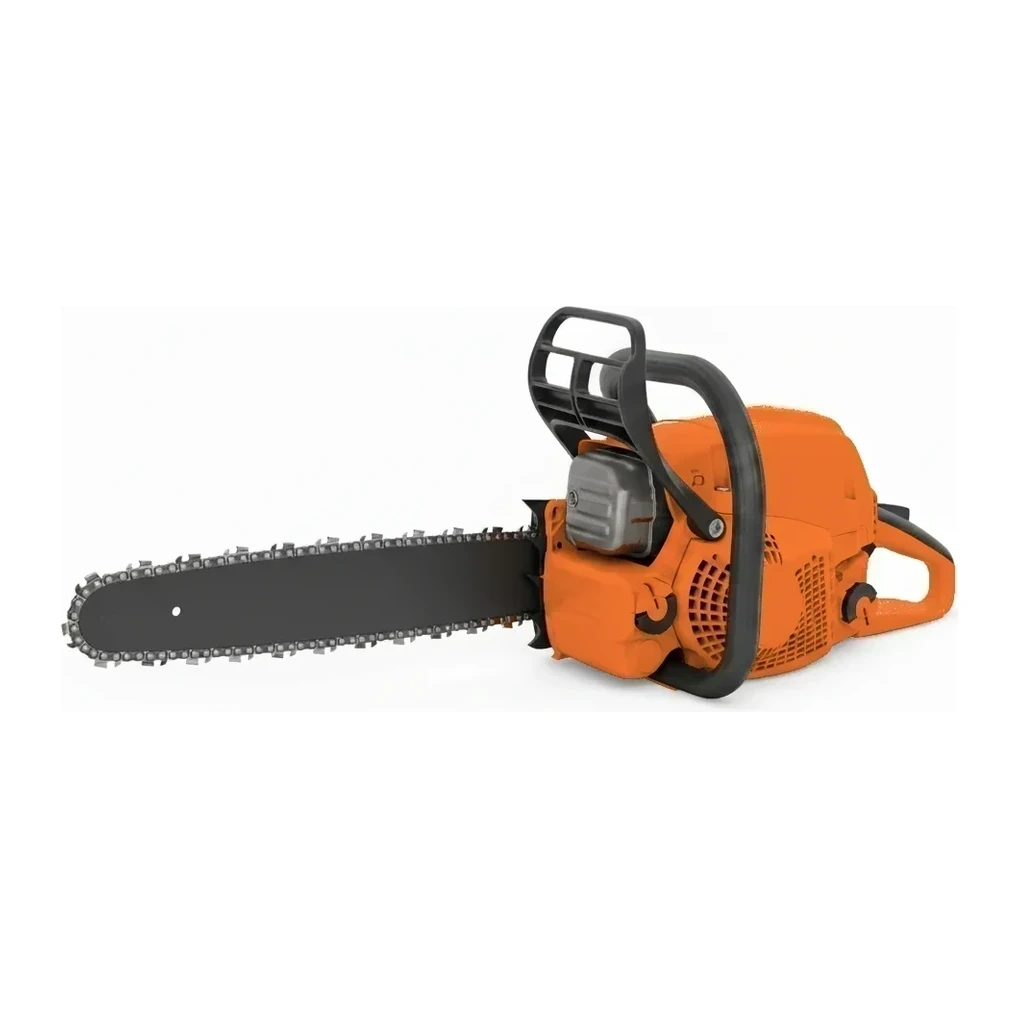
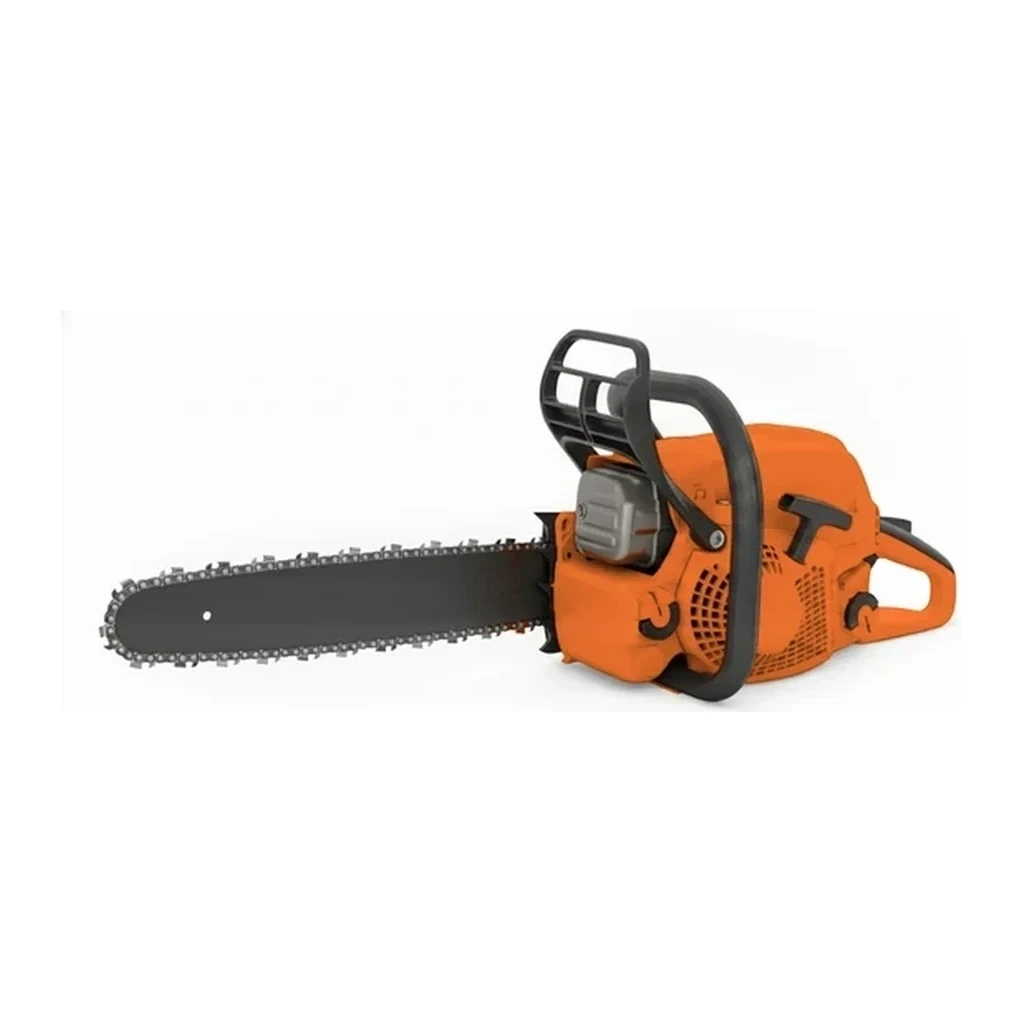
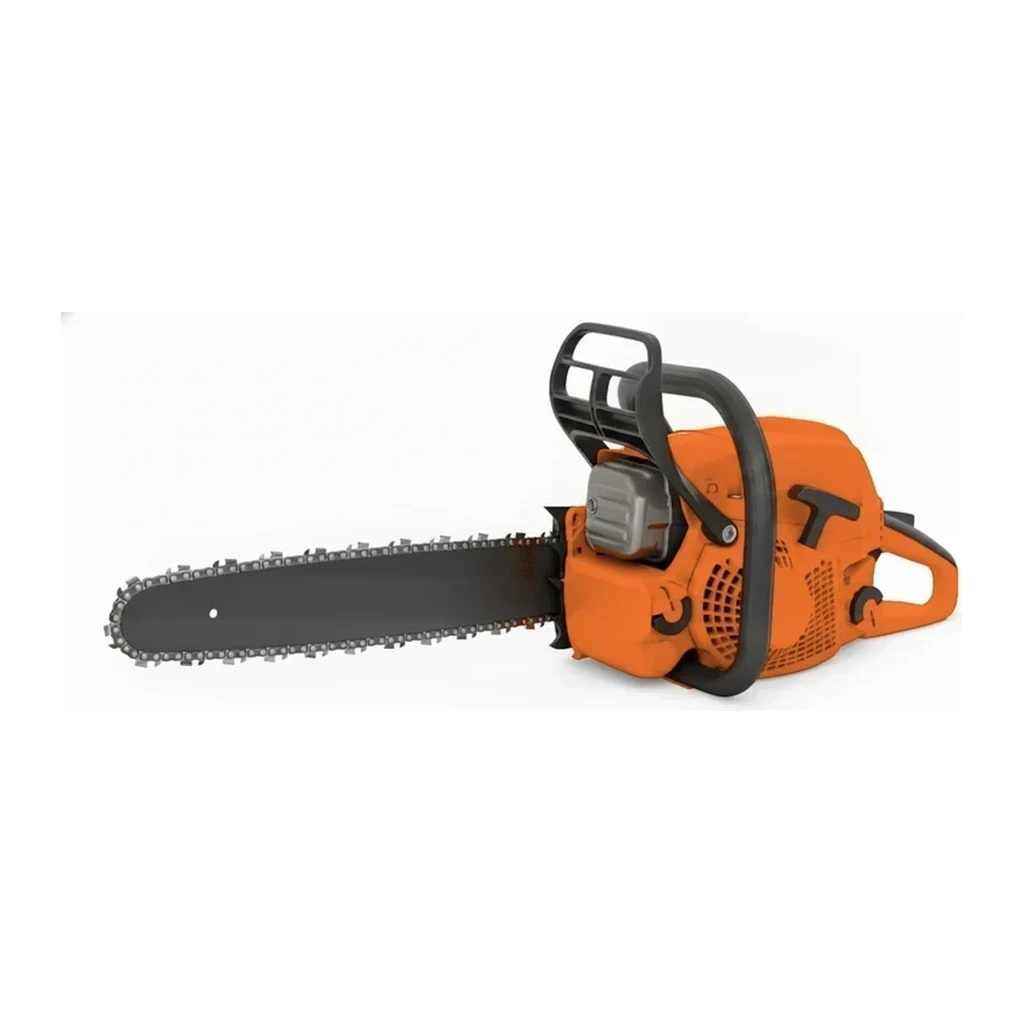
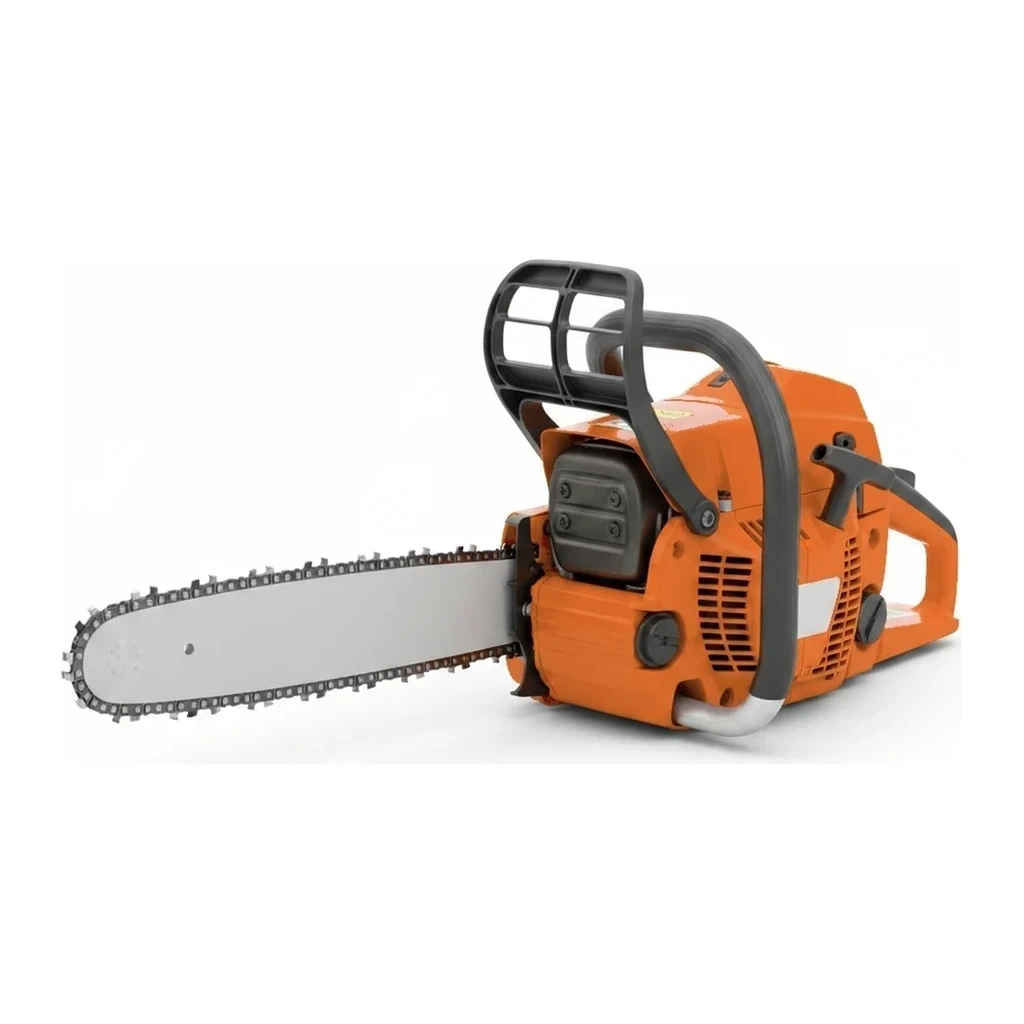
The 14-18 in chain saw is the all-round workhorse of the category, built for firewood cutting, storm cleanup, and felling trees up to roughly 30 in diameter. This size class sits in the middle of the chain saw ladder, between lighter <14 in models and heavier 18-24 in professional saws. With bar lengths typically 14-16 in, these saws balance portability, power, and cutting capacity for general tree work.
Cat classes
Elija una clase de tamaño: la capacidad y el alcance varían en la gama.
Especificaciones clave
| Especificación | Rango típico | Qué significa |
|---|---|---|
| Bar length | 14–16 in (35.6–40.6 cm) | The usable cutting length; determines maximum trunk diameter in a single pass. |
| Power source | Gas or battery | Gas models dominate this class; battery platforms from Ryobi, Kobalt, and others offer cordless alternatives. |
| Application range | Trees up to 30 in diameter | Practical limit for felling and bucking; larger timber requires stepping up or multiple cuts. |
Cómo elegir
This size is appropriate for general tree work, firewood processing, and storm debris where trunk diameters stay below 30 in. For pruning, light limbing, and trees under 12 in, the Up to 14 in Chain Saw band offers better maneuverability and reduced operator fatigue. When clearing land, processing larger logs, or working routinely with hardwoods over 24 in diameter, the 18-24 in Chain Saw class delivers the bar length and power needed for efficient cutting without repositioning.
Lo que maneja este tamaño
- Cutting firewood from split logs and rounds 10-24 in diameter
- Storm cleanup of downed trees and broken limbs up to 30 in
- Felling yard trees 12-28 in DBH in residential and light commercial settings
- Bucking timber into transportable lengths for hauling
- Clearing brush and small-diameter saplings mixed with moderate-sized trees
- Trail maintenance and access clearing through mixed hardwood and softwood
Seguridad y operación
- Chain brake and low-kickback bar standard across brands; reduces rotational kickback hazard
- Personal protective equipment: chainsaw chaps, helmet with face shield, hearing protection, and cut-resistant gloves required
- Two-handed operation mandatory; front and rear handles designed for secure grip and control
- Refueling or battery changes performed with engine off and chain stopped; bar cover used during transport
Transporte y logística
- Hand-carried to site; most models weigh 10-14 lb fueled or with battery installed
- Transported in truck beds, equipment lockers, or service trailers alongside other tree-care tools
- No towing or dedicated hauling equipment required; fits in standard pickup cargo areas
Alimentación
- Gas models run on two-stroke fuel mix (typically 50:1 gasoline to oil ratio); 12-16 oz fuel tank capacity common
- Battery models use 40V-80V lithium-ion platforms; runtime 30-60 minutes per charge depending on load
- No external power source required on site; spare batteries or mixed fuel carried as needed
Preguntas frecuentes
What is the largest tree this size can fell in one cut?
How does bar length relate to engine power in this class?
When does stepping up to 18-24 in make sense?
Comparar modelos populares
Buscar por especificación →Normalizado a las mismas unidades. Un guion significa que el valor no fue publicado.
| Modelo | Potencia del motor | Peso operativo | Capacidad de combustible |
|---|---|---|---|
| Stihl MS 172 C-E | 2 hp | 11.0 lb (5 kg) | - |
| Echo CS-3510 | - | - | 9.5 gal |
| Echo CS-352 | - | - | 8.5 gal |
Equipos relacionados
Explorar por fabricante
Fuentes
Cada especificación se verifica con los datos publicados por el fabricante, con la fuente enlazada como referencia.
14-18 in Chain Saw
16 modelos · Cada especificación citada a la fuente