

20-30 ton Log Splitter
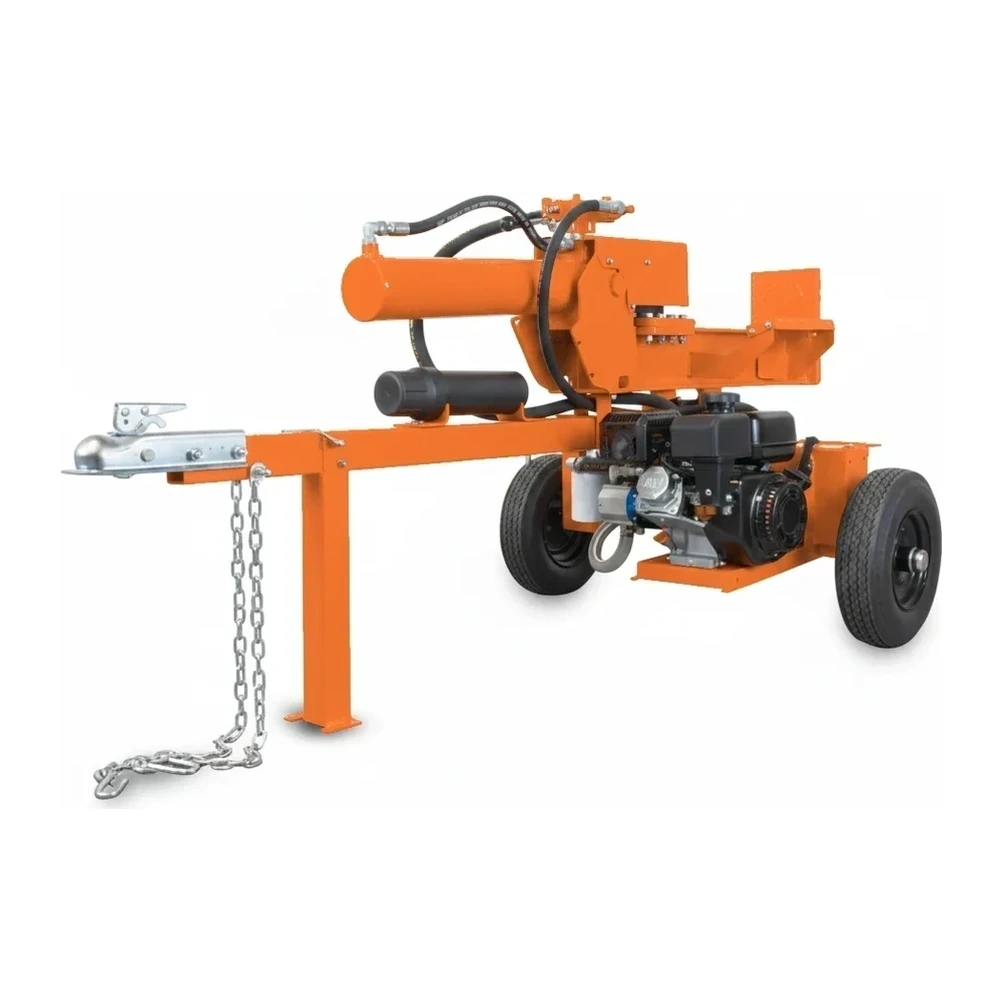
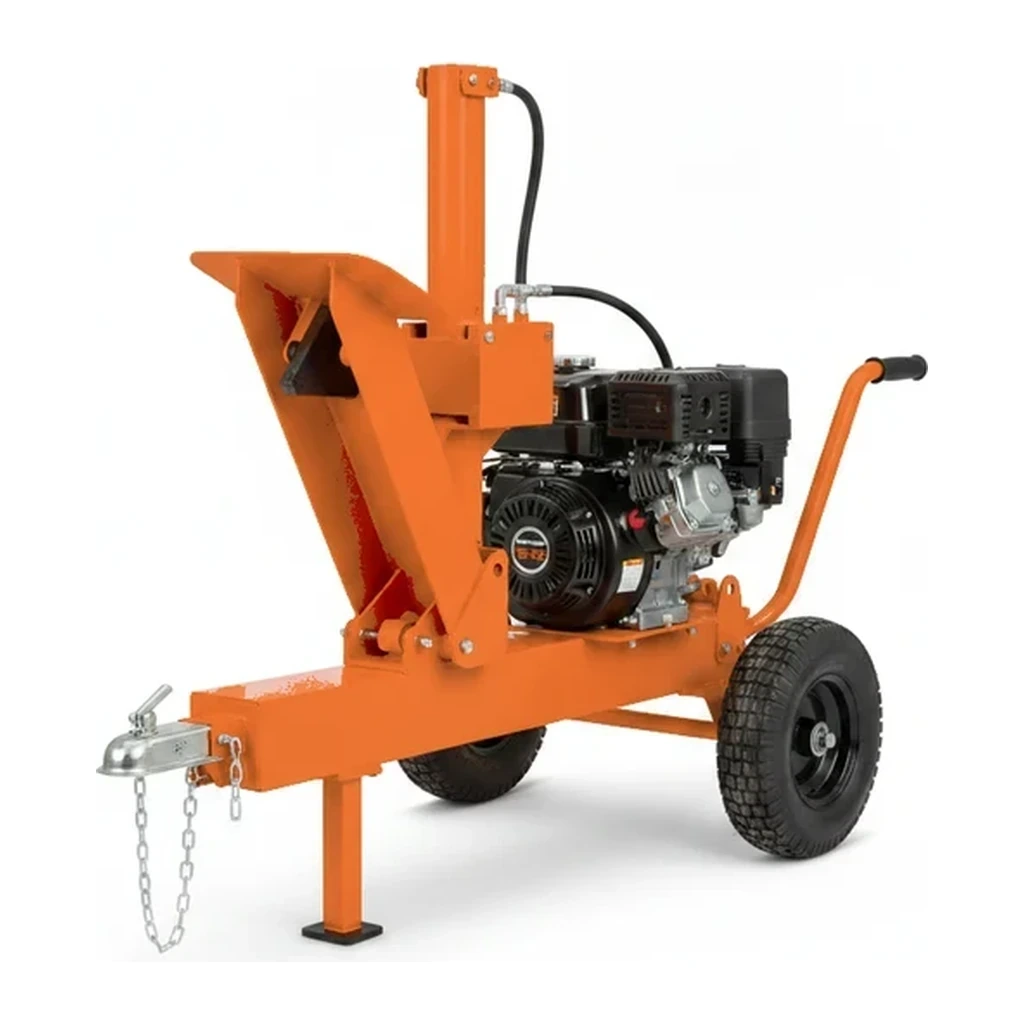
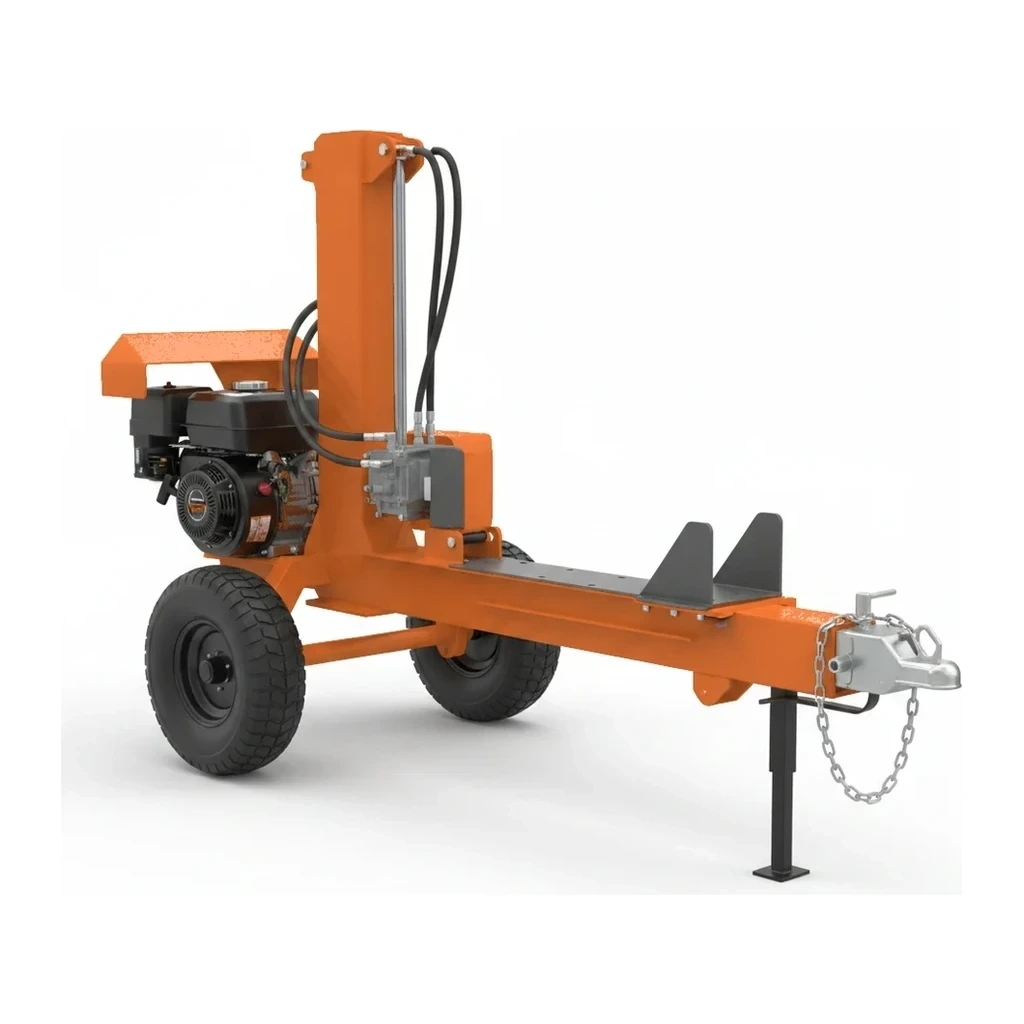
The 20-30 ton log splitter represents the heavy-duty tier of hydraulic splitting equipment, designed to handle green hardwood rounds up to 24 inches in diameter in both horizontal and vertical orientations. This size class serves as the rental industry's workhorse for demanding residential and commercial firewood production. It sits at the top of the log splitter ladder, offering maximum splitting force for the toughest hardwood species.
Cat classes
Elija una clase de tamaño: la capacidad y el alcance varían en la gama.
Especificaciones clave
| Especificación | Rango típico | Qué significa |
|---|---|---|
| Splitting force | 20-30 ton | Hydraulic ram force available to push wood through the wedge |
| Maximum log diameter | 24 in (61.0 cm) | Largest round the bed and wedge geometry can accommodate |
| Orientation | Horizontal and vertical | Vertical mode allows gravity-assisted loading of heavy rounds without lifting |
Cómo elegir
The 20-30 ton class is appropriate for production splitting of large-diameter green hardwood, particularly oak, hickory, maple, and other dense species that resist lower-tonnage machines. When processing seasoned wood, smaller rounds under 18 inches, or softer species like pine and poplar, the 10-20 ton log splitter offers adequate force with lighter weight and easier maneuverability. This heavy-duty class becomes necessary when consistently splitting knotty, twisted, or wet hardwood rounds approaching 24 inches, or when vertical orientation is required to avoid manually lifting heavy pieces onto a horizontal beam.
Lo que maneja este tamaño
- Processing green oak and hickory rounds 20-24 inches in diameter for commercial firewood operations
- Splitting knotty or crotch-wood sections that stall lighter machines
- High-volume firewood production from mixed hardwood logging waste
- Clearing storm-damaged mature hardwood trees into manageable firewood
- Processing urban tree removal rounds where elm, maple, or oak exceed 20 inches
- Splitting wet or frozen wood where moisture content increases splitting resistance
Seguridad y operación
- Two-hand operation controls prevent hands from entering the splitting zone during ram travel
- Vertical mode reduces lifting injuries but requires stable footing and controlled log placement
- Log stabilizers or cradles hold rounds in position during initial wedge contact
- Hydraulic relief valves prevent over-pressure if ram encounters unsplittable knots or inclusions
Transporte y logística
- Towed behind pickup truck or SUV via 2-inch ball hitch and highway-rated trailer axle
- Road-towable at highway speeds with proper safety chains and functioning trailer lights
- Fits through residential gates and driveways; stores upright to reduce footprint
Alimentación
- Gasoline engine, typically 6.5-9 HP, with recoil or electric start
- Self-contained fuel tank for 3-6 hours of continuous operation
- No external electrical or hydraulic hookup required
Preguntas frecuentes
When does splitting force in the 20-30 ton range become necessary?
What advantage does vertical orientation provide in this size class?
How does cycle time compare between horizontal and vertical modes?
Equipos relacionados
Explorar por fabricante
Fuentes
Cada especificación se verifica con los datos publicados por el fabricante, con la fuente enlazada como referencia.
20-30 ton Log Splitter
1 modelos · Cada especificación citada a la fuente