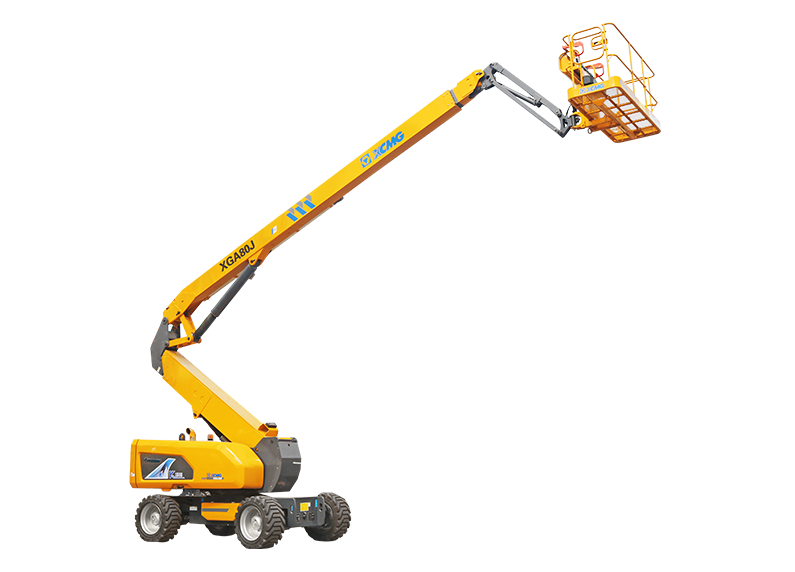
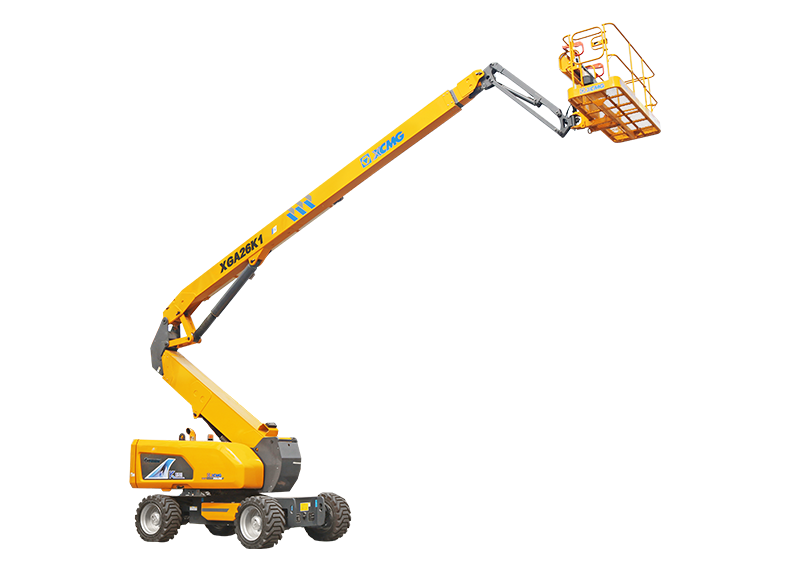
80-100 ft Articulating Boom Lift
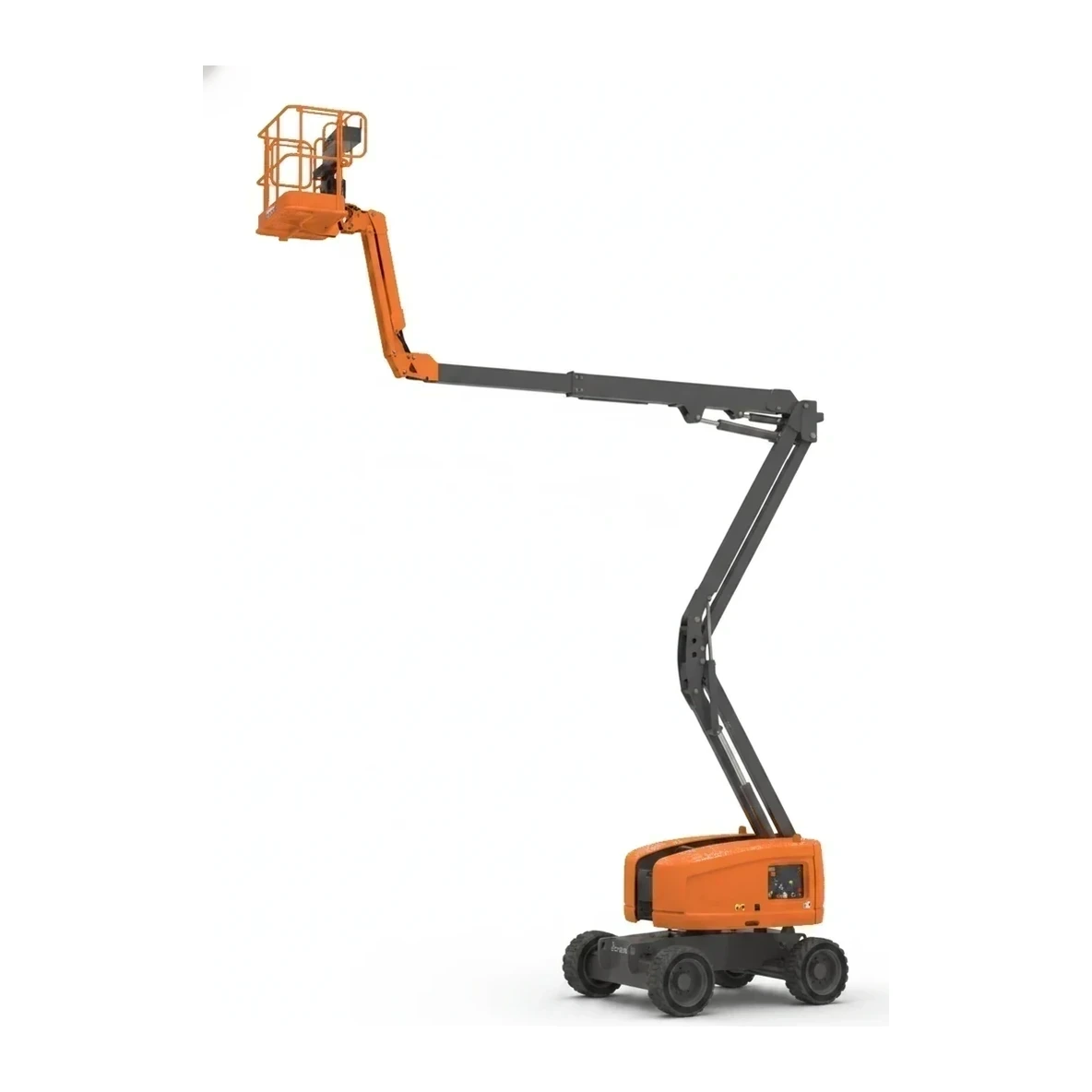
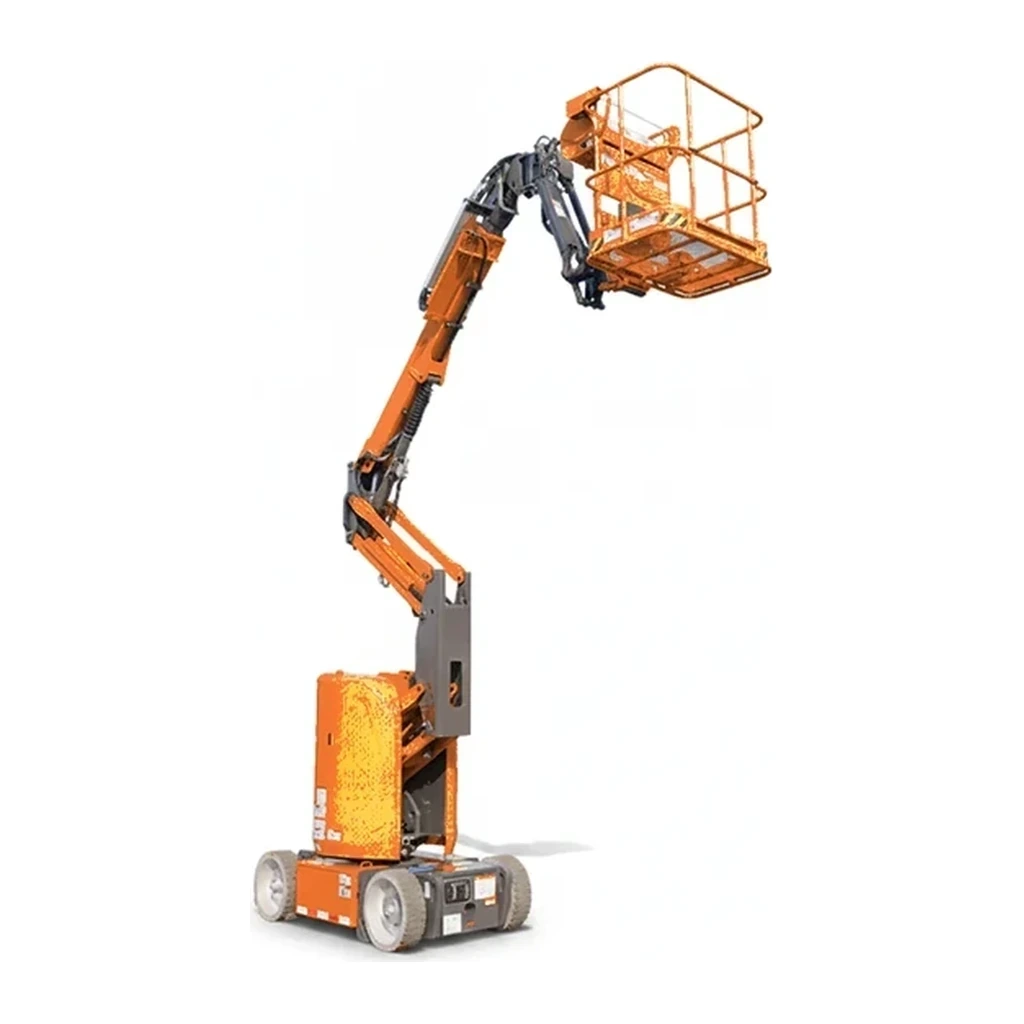
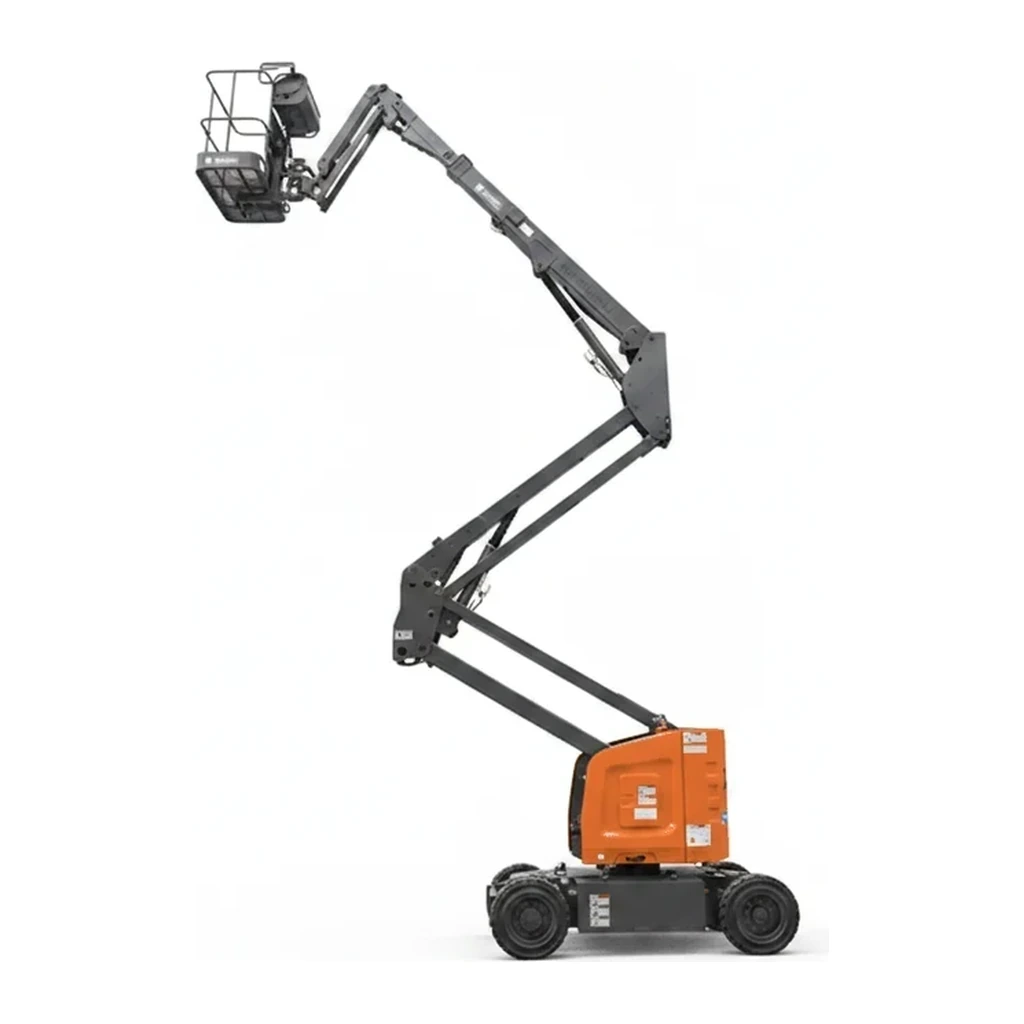
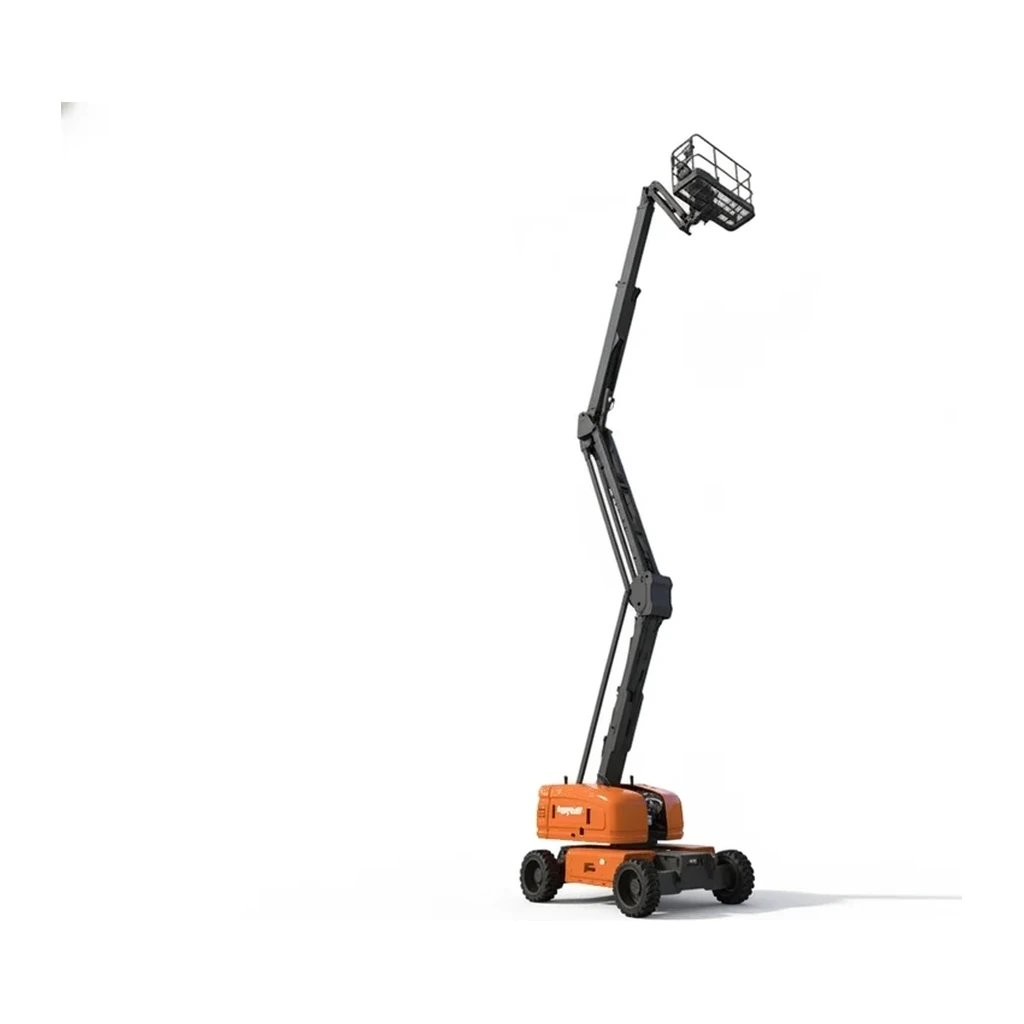
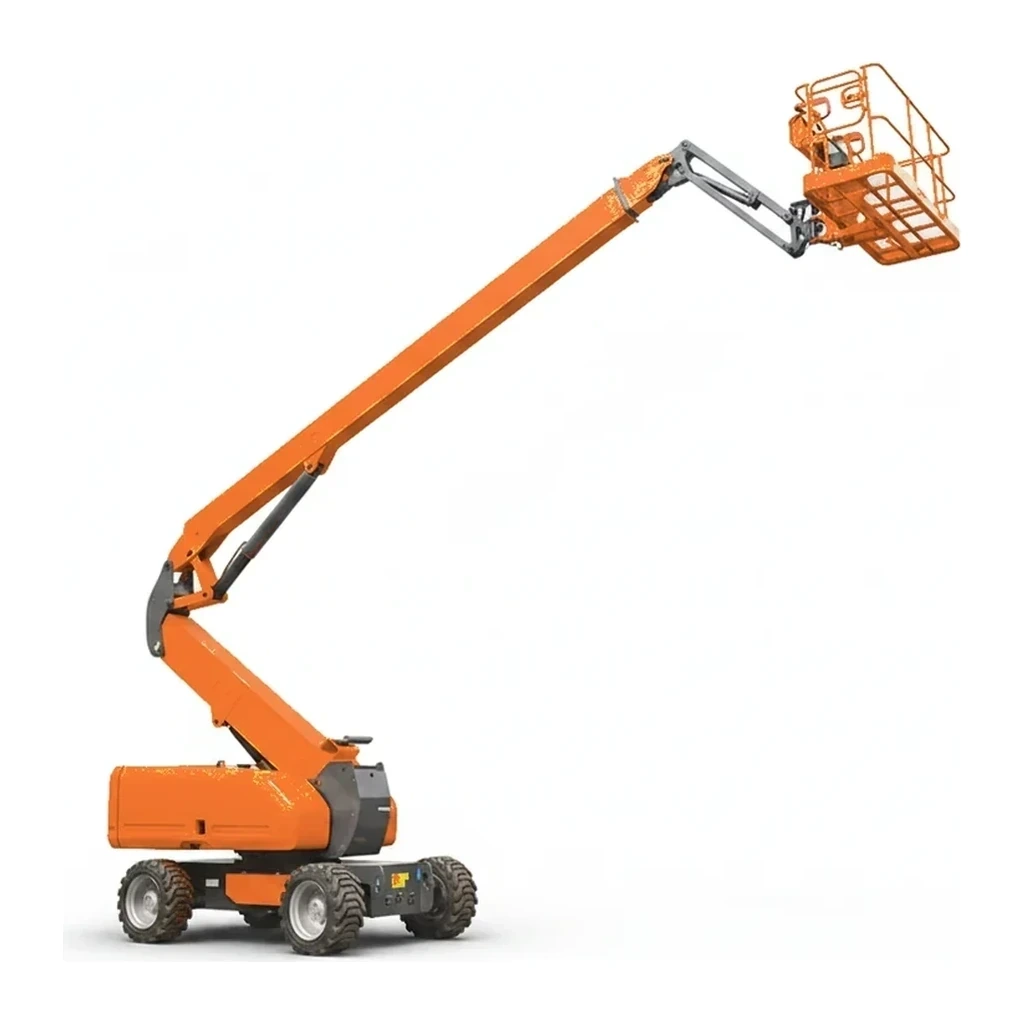
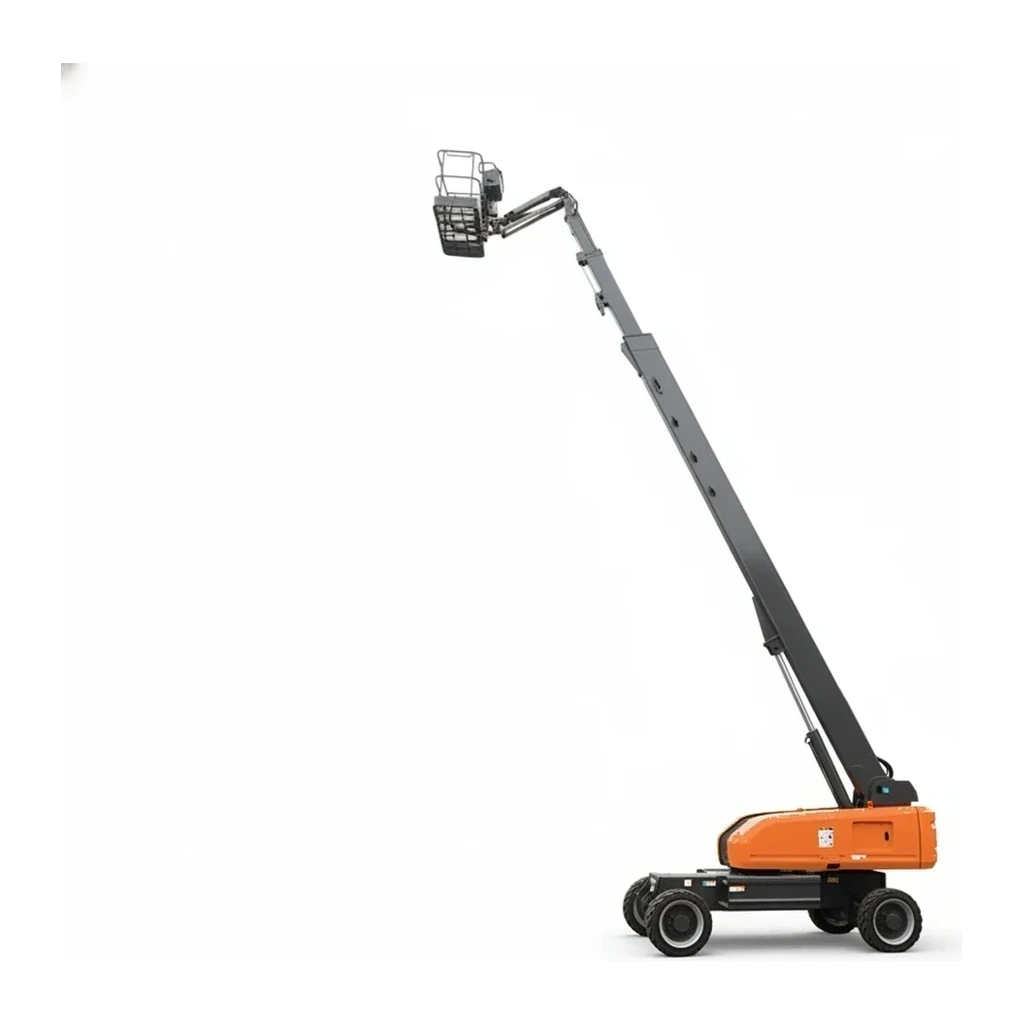
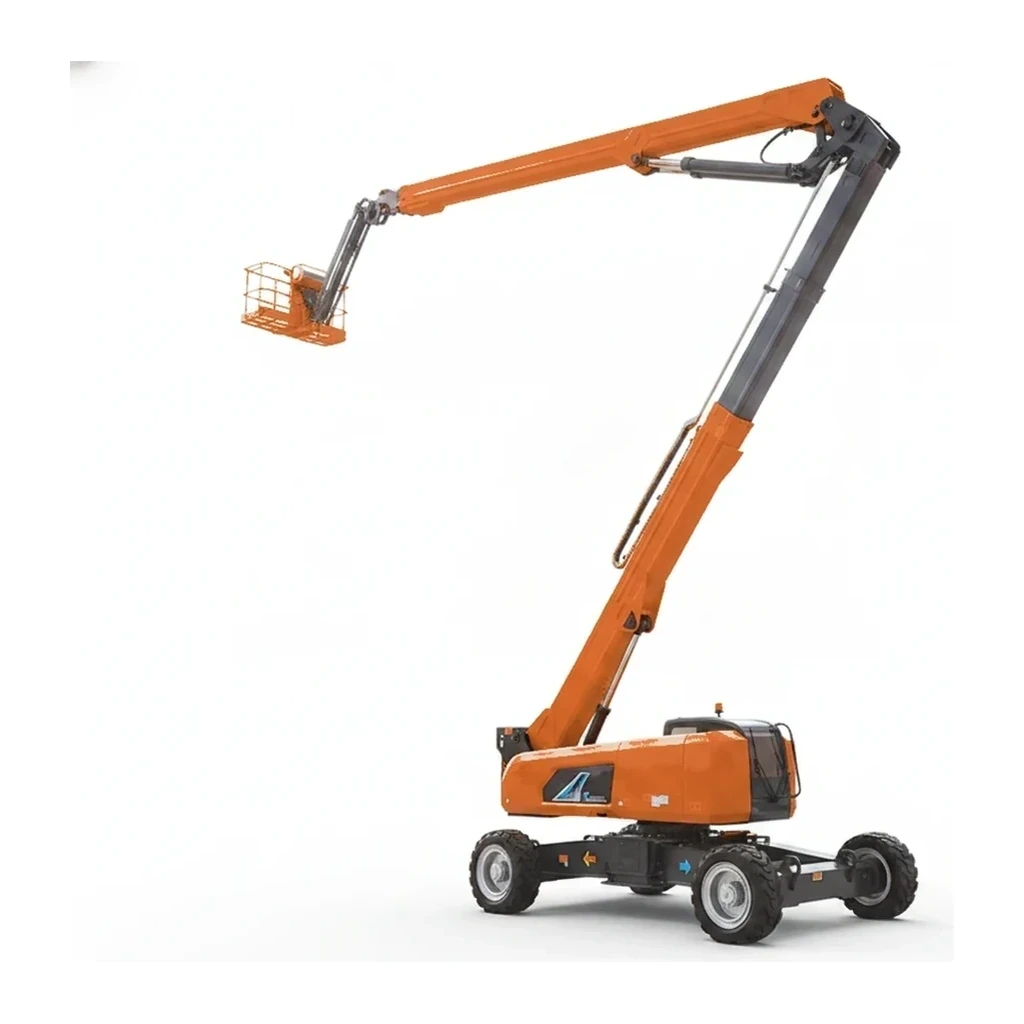
The 80-100 ft articulating boom lift class delivers working heights up to 92 feet for roof steel erection, tank maintenance, and high industrial applications. With platform capacities from 150 to 454 kg and operating weights between 14,650 and 18,400 kg, this size represents the upper end of conventional articulating platforms before crossing into specialized heavy-lift territory. Twenty-three models from eight manufacturers populate this band, offering horizontal reach up to 22.7 feet.
Cat classes
Elija una clase de tamaño: la capacidad y el alcance varían en la gama.
Especificaciones clave
| Especificación | Rango típico | Qué significa |
|---|---|---|
| Working height | 26–92 ft (7.9–28.0 m) | Vertical envelope from ground to maximum platform elevation; the class spans a wide range with most models in the 80-90 ft zone |
| Platform capacity | 331–1,001 lb (150–454 kg) | Load limit for operators, tools, and materials; varies significantly by model and boom configuration |
| Operating weight | 32,298–40,565 lb (14,650–18,400 kg) | Machine mass affects transport requirements, ground pressure, and stability on soft or sloped surfaces |
| Maximum reach | 16–23 ft (4.9–7.0 m) | Horizontal outreach from base centerline; critical for clearing obstacles and positioning over rooflines |
| Gradeability | 30-45% | Maximum slope the machine can traverse in stowed position; terrain capability for industrial yards and construction sites |
Cómo elegir
The 80-100 ft band suits work on tall industrial structures, storage tanks, and multi-story steel frames where 60-80 ft Articulating Boom Lifts fall short but hundred-plus-foot reach is unnecessary. Choose the 60-80 ft Articulating Boom Lift when working heights remain below 80 feet, transport constraints favor lighter machines, or site access limits larger equipment. Step up to the 100-135 ft Articulating Boom Lift for refinery towers, high-voltage transmission work, or any application requiring working heights above 90 feet or significantly greater horizontal reach.
Lo que maneja este tamaño
- Steel erection and welding on five- to seven-story building frames
- Inspection and maintenance on 70-80 ft tall storage tanks and silos
- HVAC installation and service on tall industrial and commercial rooftops
- Painting and surface prep on elevator shafts, stairwells, and mechanical penthouses
- Electrical and lighting work in warehouse high bays and distribution centers
- Cladding and facade installation on mid-rise structures
Seguridad y operación
- Wind load becomes critical above 60 feet; most manufacturers specify maximum wind speeds of 12.5-15 m/s for operation
- Ground conditions must support 14,650-18,400 kg distributed load; soft soil, asphalt in hot weather, and underground utilities require spreader mats or engineered pads
- Fall protection and harness anchor points mandatory for all platform occupants; secondary guarding does not eliminate personal fall arrest requirements
- Gradeability ratings apply to stowed travel only; articulated boom lifts must operate on firm, level surfaces within manufacturer-specified slope limits
Transporte y logística
- Typically requires heavy-duty tag or tridem-axle lowboy trailer rated for 18,000+ kg; most models exceed legal width without permits
- Overall machine dimensions and weight often necessitate pilot cars and route surveys for road transport; some models exceed 3 m width
- Towing vehicle must provide adequate braking capacity for combined 20+ tonne gross weight; commercial tractor or heavy-duty pickup with trailer brakes
Alimentación
- Diesel engines ranging from 18.6 to 58.0 hp power all models in this class; fuel tanks hold 114-148 liters for multi-shift autonomy
- Daily fuel consumption varies with workload and travel distance; plan for 40-80 liters per eight-hour shift under moderate use
- No electric or hybrid models currently available in this height class; refueling infrastructure required on extended projects
Preguntas frecuentes
What distinguishes an 80-100 ft articulating boom from a telescopic boom at the same height?
How does platform capacity vary within the 80-100 ft class?
What site conditions limit deployment of machines in this weight class?
Comparar modelos populares
Buscar por especificación →Normalizado a las mismas unidades. Un guion significa que el valor no fue publicado.
| Modelo | Altura de trabajo | Capacidad de plataforma |
|---|---|---|
| JLG 800AJ HC3 | 80 ft (24.4 m) | - |
| Haulotte HA26 RTJ PRO | - | 551 lb (250 kg) |
| JLG 800AJ | 80 ft (24.4 m) | 500 lb (227 kg) |
| Genie Z-80/60 Articulated Boom Lift | 84 ft (25.6 m) | 500 lb (227 kg) |
| Dingli BA28RT | - | - |
| Skyjack SJ85 AJ | 91.6 ft (27.9 m) | - |
Equipos relacionados
Explorar por fabricante
Fuentes
Cada especificación se verifica con los datos publicados por el fabricante, con la fuente enlazada como referencia.
80-100 ft Articulating Boom Lift
25 modelos · Cada especificación citada a la fuente