
Welders
Welders in the power family join metal at industrial duty cycles. Multi-process machines dominate the class, with engine-driven units for line-power-free sites.
Cómo funciona
The power source shapes current to the process — constant current for stick and TIG, constant voltage for wire — with output range setting weldable thickness and duty cycle setting sustainable output. Engine-driven units generate their own current and typically export several kW of 120/240 V auxiliary power besides.
Tipos y variantes
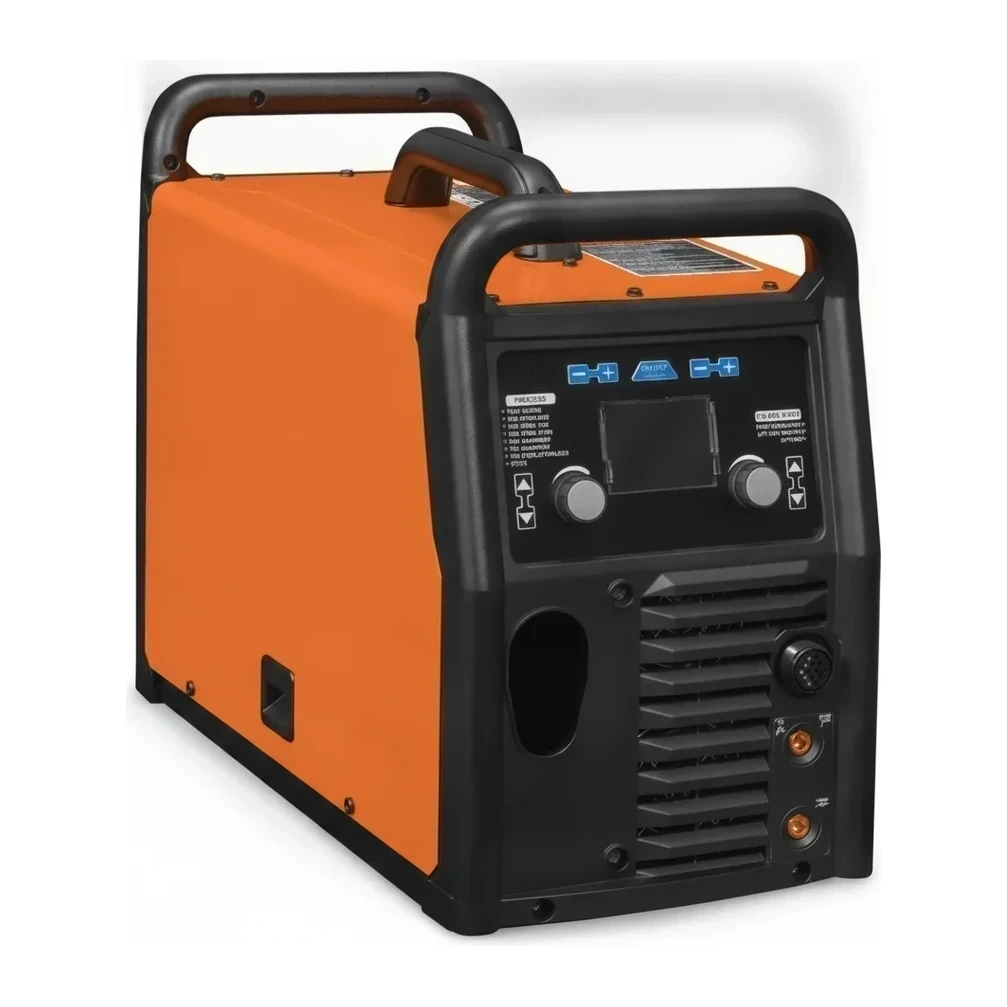
- Multi-Process Welder
- Welder that runs MIG, TIG, and stick processes from one power source.
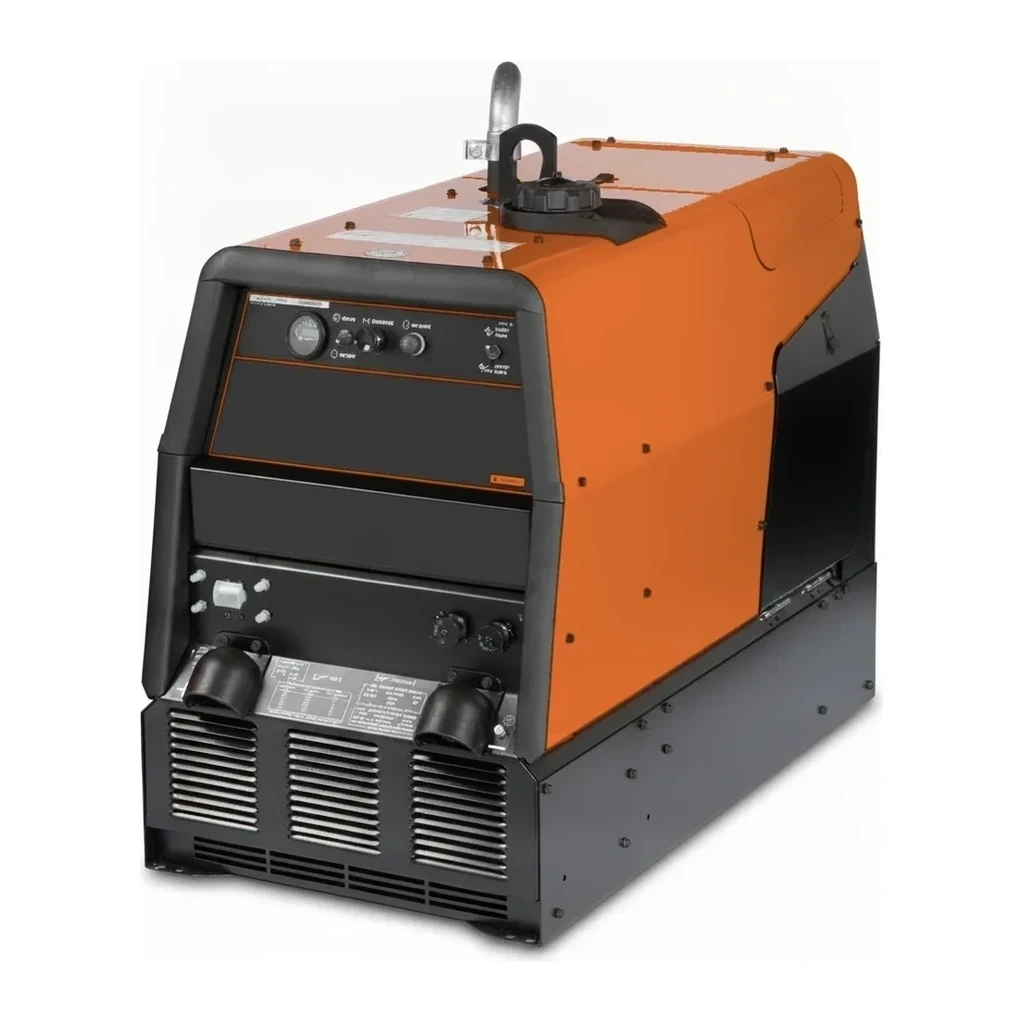
- Engine-Driven Welder
- Welder-generator that welds and supplies auxiliary power without line electricity.
Cómo elegir
Site power decides the family: shop and powered-site work favors multi-process inverters for flexibility and arc quality; pipeline, structural, and remote work runs on engine drives. Output amperage follows material thickness, and duty cycle at working amperage — not peak output — is the spec that governs production.
Normas y certificaciones
- ANSI · Z49.1
- Safety in welding, cutting, and allied processes, including ventilation and fire prevention.
- OSHA · 29 CFR 1926 Subpart J
- Welding and cutting requirements for construction work.