

Mobile Offices and Modular Space
Cómo funciona
Mobile offices function as complete workspace environments delivered to and positioned at job sites or temporary work locations. Units arrive fully assembled or rapidly deployable, typically equipped with electrical systems, HVAC, lighting, and basic office amenities such as desks, storage, and restroom facilities. Structures connect to temporary power sources and utilities, providing immediate occupancy for administrative staff, project managers, supervisors, and other personnel requiring on-site workspace. Most units feature weather-resistant construction and insulated walls to maintain comfortable interior conditions across varying climates.
Tipos y variantes
- Mobile Office Trailer
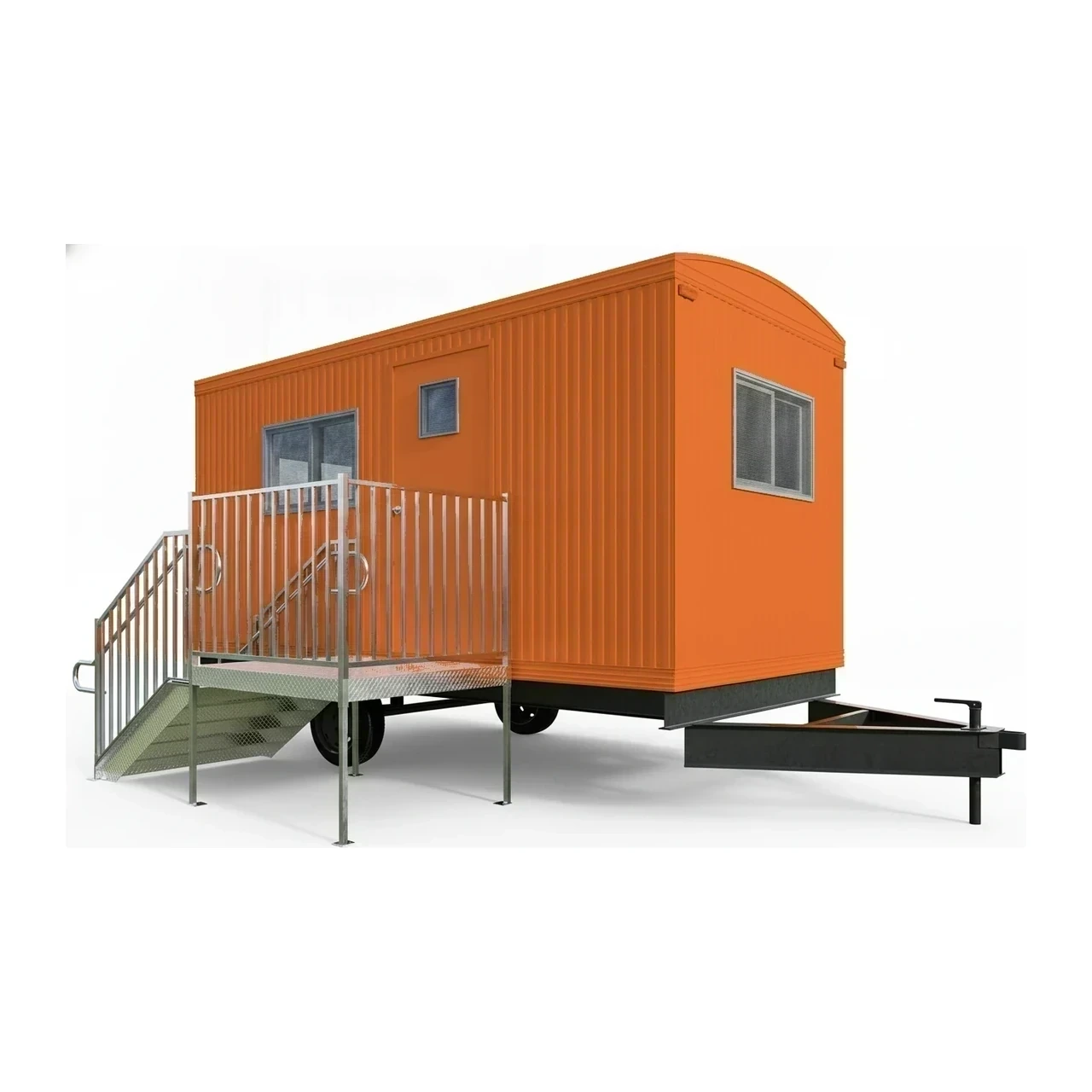
- Wheeled office structures mounted on highway-towable chassis, typically 8 to 60 feet in length, featuring fully finished interiors with climate control, electrical systems, and office furnishings. Available in single-wide and double-wide configurations.
- Ground-Level Office Container
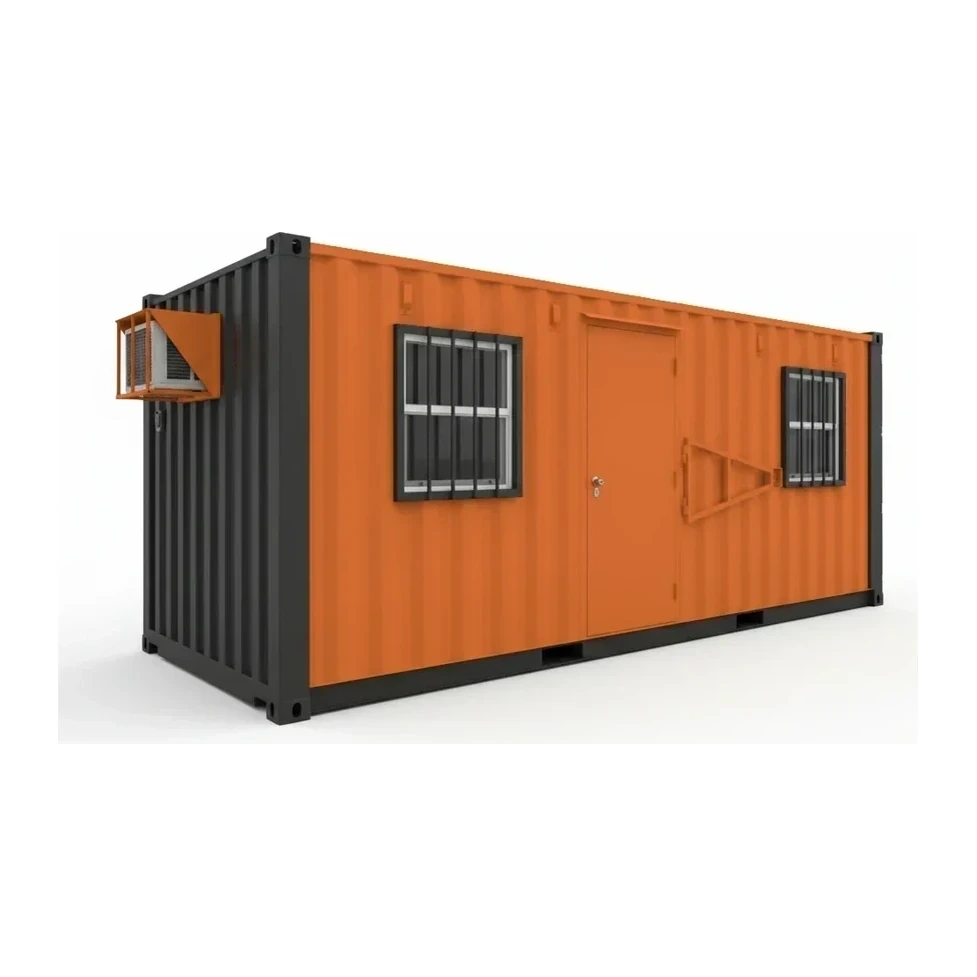
- ISO shipping container-based or purpose-built modular office units designed for ground placement without wheels, offering step-free access and stable foundation positioning for extended deployment periods.
Normas y certificaciones
- ICC · International Building Code (IBC)
- Structural and fire safety requirements for temporary modular buildings
- HUD · 24 CFR Part 3280
- Federal manufactured housing construction and safety standards applicable to certain mobile office units
- ANSI · A119.5
- Park model recreational vehicle standard sometimes applied to smaller mobile office structures
Preguntas frecuentes
What utilities do mobile offices require?
Most mobile offices require 120/240V electrical service, with larger units needing 100-200 amp service. Climate control systems typically operate on standard electrical power. Units may also connect to water and sewer services if equipped with restroom facilities, though many smaller units operate without plumbing connections.
How are mobile offices transported and positioned?
Mobile office trailers transport via tow vehicle or flatbed truck depending on size and configuration. Ground-level containers typically require crane or forklift placement. Site positioning requires relatively level ground, with blocking, jacks, or foundations used to stabilize units and ensure proper door operation and structural integrity.
What size classifications apply to mobile offices?
The industry commonly categorizes mobile offices by exterior length (8, 10, 12, 20, 24, 40, 60 feet) and width configuration (single-wide 8-10 feet, double-wide 16-24 feet). Interior square footage ranges from approximately 60 to over 1,400 square feet for multi-section units.
What site preparation is necessary for mobile office placement?
Sites require compacted, level ground or prepared gravel pad to support unit weight and prevent settling. Access routes must accommodate delivery vehicle dimensions and turning radius. Clearance for utility connections and compliance with local setback requirements and permitting regulations are necessary before placement.