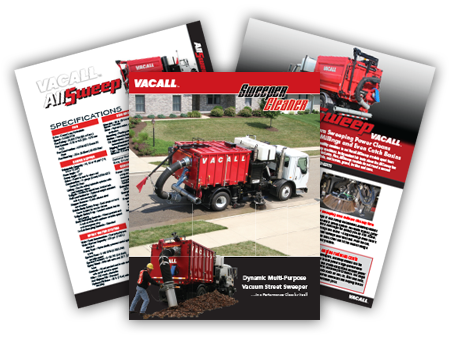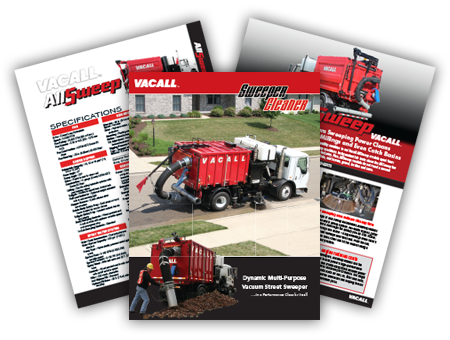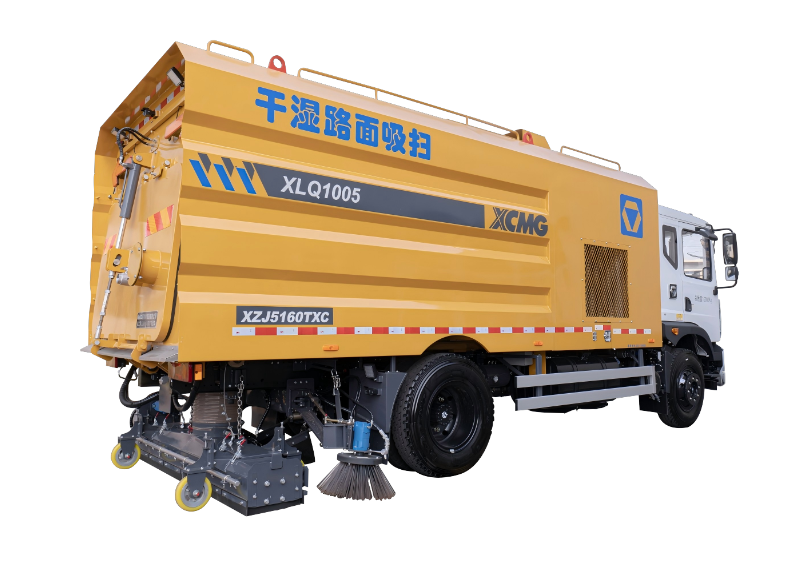

Street Sweeper Truck
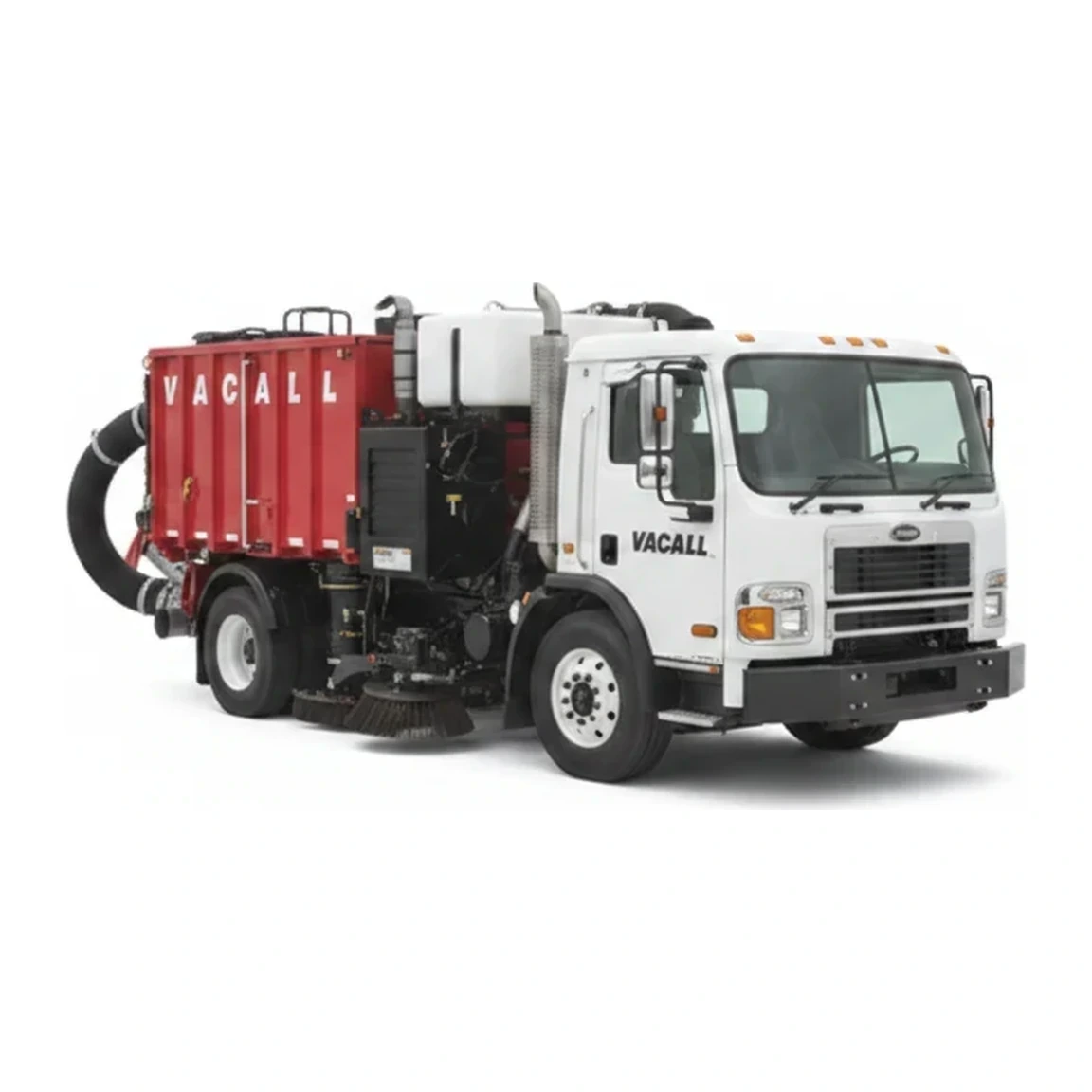
A street sweeper truck is a specialized work truck designed to remove dirt, debris, leaves, and other materials from paved surfaces including roads, parking lots, and municipal streets. These trucks integrate collection hoppers, sweeping mechanisms, and dust suppression systems on chassis ranging from compact utility vehicles to full-size commercial trucks. Street sweepers play a critical role in municipal maintenance, construction site cleanup, and stormwater pollution prevention.
Cómo funciona
Street sweeper trucks use one of three primary mechanisms to collect debris: mechanical broom sweepers use rotating brushes to direct material into a hopper; regenerative air sweepers create a contained air flow that lifts debris from the pavement into a debris hopper while filtering and recirculating the air; and vacuum sweepers use high-velocity suction to collect fine particles and larger debris. Most systems incorporate water tanks and spray nozzles for dust suppression during operation. The operator controls sweeping speed, brush or air system engagement, and water flow from the cab while driving preset routes or patterns. Collected material accumulates in an onboard hopper that is periodically dumped at designated disposal sites. Auxiliary engines often power the sweeping systems independently of the vehicle's drive engine, allowing the sweeping mechanism to operate at optimal speed regardless of travel velocity.
Tipos y variantes
- Mechanical Broom Sweeper
- Uses rotating cylindrical brooms and side brushes to sweep debris toward a conveyor or pickup head; effective for heavy debris and aggregate but generates more dust than air-based systems.
- Regenerative Air Sweeper
- Employs a blast head that directs air downward to lift debris, then recirculates filtered air in a closed loop; effective for fine dust and provides superior dust control on smooth surfaces.
- Vacuum Sweeper
- Uses high-velocity suction through a pickup head to collect debris into a hopper; excels at fine particle collection and is common in parking lot and light-duty applications.
- Combination Sweeper
- Integrates mechanical brooms with vacuum or regenerative air systems to handle both large debris and fine particles in a single pass; popular for versatile municipal fleets.
- Compact/Parking Lot Sweeper
- Smaller chassis with reduced hopper capacity optimized for tight spaces, parking structures, and areas inaccessible to full-size trucks.
Especificaciones clave
| Especificación | Rango típico | Qué significa |
|---|---|---|
| Hopper Capacity | 2-12 cu yd | Volume of debris the truck can collect before requiring disposal; primary sizing metric for the equipment class. |
| Engine Power | 65-124 hp | Power output of the chassis engine; auxiliary engines power sweeping systems on many models. |
| Water Tank Capacity | 100-500 gal | Volume of water available for dust suppression during sweeping operations. |
| Sweeping Width | 8–12 ft (2.4–3.7 m) | Maximum effective cleaning path in a single pass; determined by broom, blast head, or vacuum pickup configuration. |
| Sweeping Speed | 3-15 mph | Operational travel speed while actively sweeping; varies with surface condition and debris load. |
Cómo la industria lo dimensiona
Street sweeper trucks are sized by hopper capacity measured in cubic yards. Compact models with 2-5 cu yd hoppers serve parking lots, construction site entrances, and small municipal routes where frequent dumping is acceptable. Mid-size sweepers with 5-9 cu yd capacity represent the industry standard for municipal street sweeping and general-purpose applications. Large-capacity units with 9-12 cu yd hoppers are deployed on highway projects, large industrial facilities, and routes where minimizing dump frequency maximizes productivity. Selection depends on debris volume, route length, dump site proximity, and the balance between maneuverability and capacity for the intended environment.
Aplicaciones
- Municipal street maintenance and regular route sweeping
- Construction site perimeter cleaning and sediment control
- Parking lot and facility grounds maintenance
- Highway and roadway debris removal after resurfacing or incidents
- Industrial yard and warehouse exterior cleaning
- Stormwater pollution prevention and compliance sweeping
Seguridad y operación
- Operators must maintain awareness of pedestrians, vehicles, and obstacles while sweeping, particularly when operating side brooms that extend beyond the truck body.
- Dust suppression systems should be engaged during operation to minimize airborne particulate exposure to operators and bystanders.
- Proper lockout/tagout procedures are essential when servicing rotating broom assemblies, conveyor systems, and hydraulic components.
- Dumping operations require stable, level surfaces and clearance verification to prevent hopper contact with overhead obstructions.
- Sweepers operating on active roadways require appropriate traffic control, warning lights, and compliance with local work zone regulations.
Normas y certificaciones
- EPA · Tier 4
- Emission standards for non-road diesel engines; applicable to sweeper chassis and auxiliary engines depending on power rating and model year.
- ANSI · Z245.60
- Safety requirements for mobile wastes and recyclable materials collection equipment; applicable to certain sweeper hopper and dumping mechanisms.
- FMCSA · CDL Requirements
- Commercial driver's license may be required depending on vehicle gross weight rating and local regulations.
- OSHA · 1910.147
- Lockout/tagout requirements for control of hazardous energy during sweeper maintenance and servicing.
Preguntas frecuentes
What is the difference between mechanical broom and regenerative air sweepers?
How is street sweeper capacity measured?
What engine powers are typical for street sweeper trucks?
When are street sweepers used for stormwater compliance?
Equipos relacionados
Explorar por fabricante
Fuentes
Cada especificación se verifica con los datos publicados por el fabricante, con la fuente enlazada como referencia.
Todos los modelos
39 modelos · Cada especificación citada a la fuente