

Vacuums
Cómo funciona
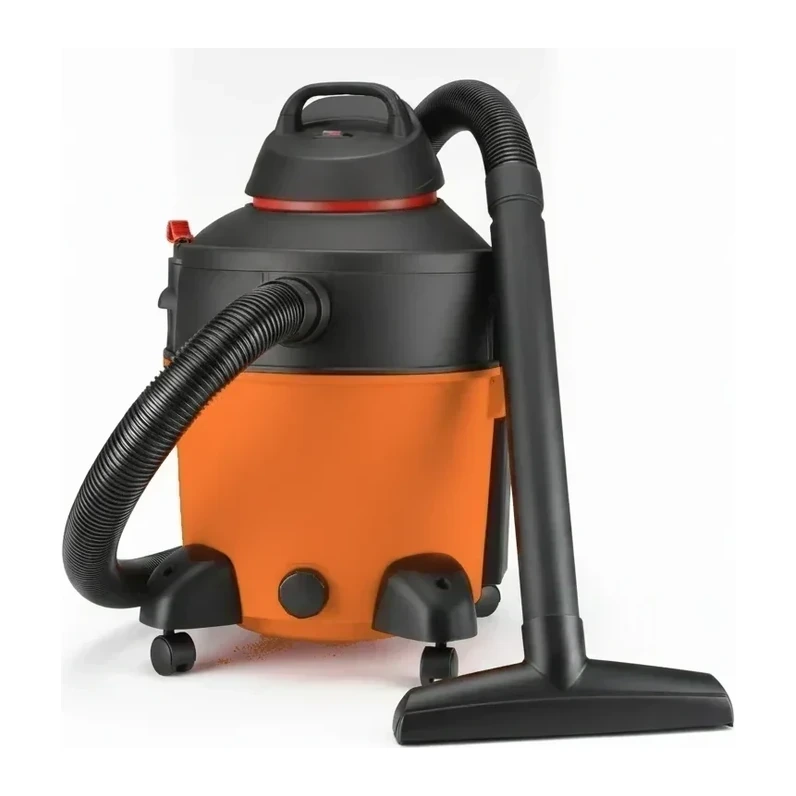
Industrial vacuums generate suction through electric or pneumatic motors that create negative pressure, drawing air and materials through intake hoses or wands into collection chambers. The airflow passes through filtration systems—ranging from standard filters to HEPA filters for fine dust—while debris is captured in bags, canisters, or drums. Wet/dry variants incorporate sealed motors and specialized filtration to handle both liquid and solid materials without damage to internal components.
Tipos y variantes
- Wet/Dry Vacuum
- Versatile units designed to collect both liquid spills and dry debris, featuring sealed motors, waterproof collection tanks, and dual-mode filtration systems suitable for construction cleanup, flood remediation, and general maintenance work
Normas y certificaciones
- OSHA · 29 CFR 1926.1153
- Respirable crystalline silica standard requiring vacuum dust collection systems with specific filtration efficiency for construction activities
- IEST · IEST-RP-CC001
- HEPA filter testing and classification standards for high-efficiency particulate air filtration in contamination control applications
- UL · UL 1017
- Safety standard for vacuum cleaners covering electrical safety, construction requirements, and performance testing for commercial equipment
Preguntas frecuentes
What distinguishes industrial vacuums from consumer models?
Industrial vacuums feature more powerful motors (typically 5-15+ horsepower), larger capacity tanks (10-55+ gallons), heavy-duty construction for continuous operation, enhanced filtration options including HEPA, and specialized attachments for construction debris and hazardous materials collection.
When is HEPA filtration required on vacuum equipment?
HEPA filtration is required when collecting silica dust per OSHA 1926.1153, during asbestos abatement, lead paint removal, mold remediation, pharmaceutical cleanrooms, and other applications where capture of particles 0.3 microns or larger at 99.97% efficiency is necessary for health or regulatory compliance.
What capacity vacuum is appropriate for different job scales?
Small jobs and detail work typically use 5-10 gallon units, medium construction cleanup utilizes 10-20 gallon vacuums, while large-scale demolition, concrete grinding, or continuous production work requires 20-55+ gallon industrial units or central vacuum systems with multiple pickup points.
How do wet/dry vacuums handle both material types?
Wet/dry vacuums use sealed motors mounted above collection tanks, foam or waterproof filters that function when wet, and drainage systems for liquid disposal. Filter changes or adjustments are typically required when switching between wet and dry applications to maintain suction efficiency and protect motor components.