

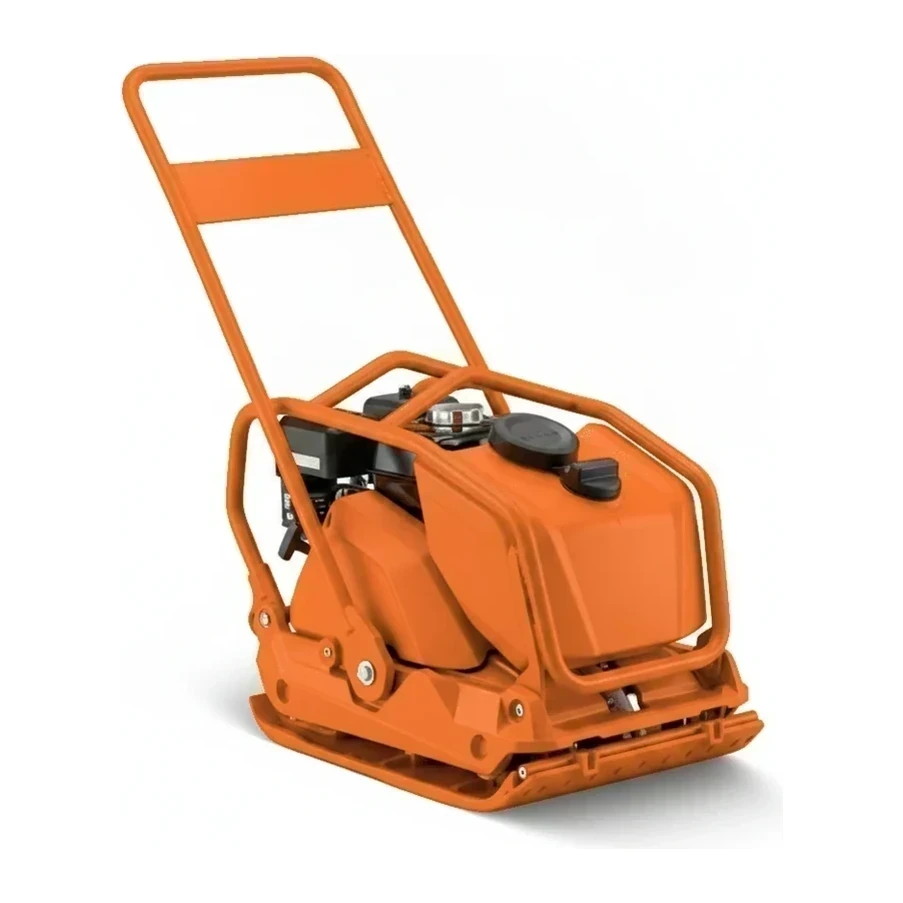
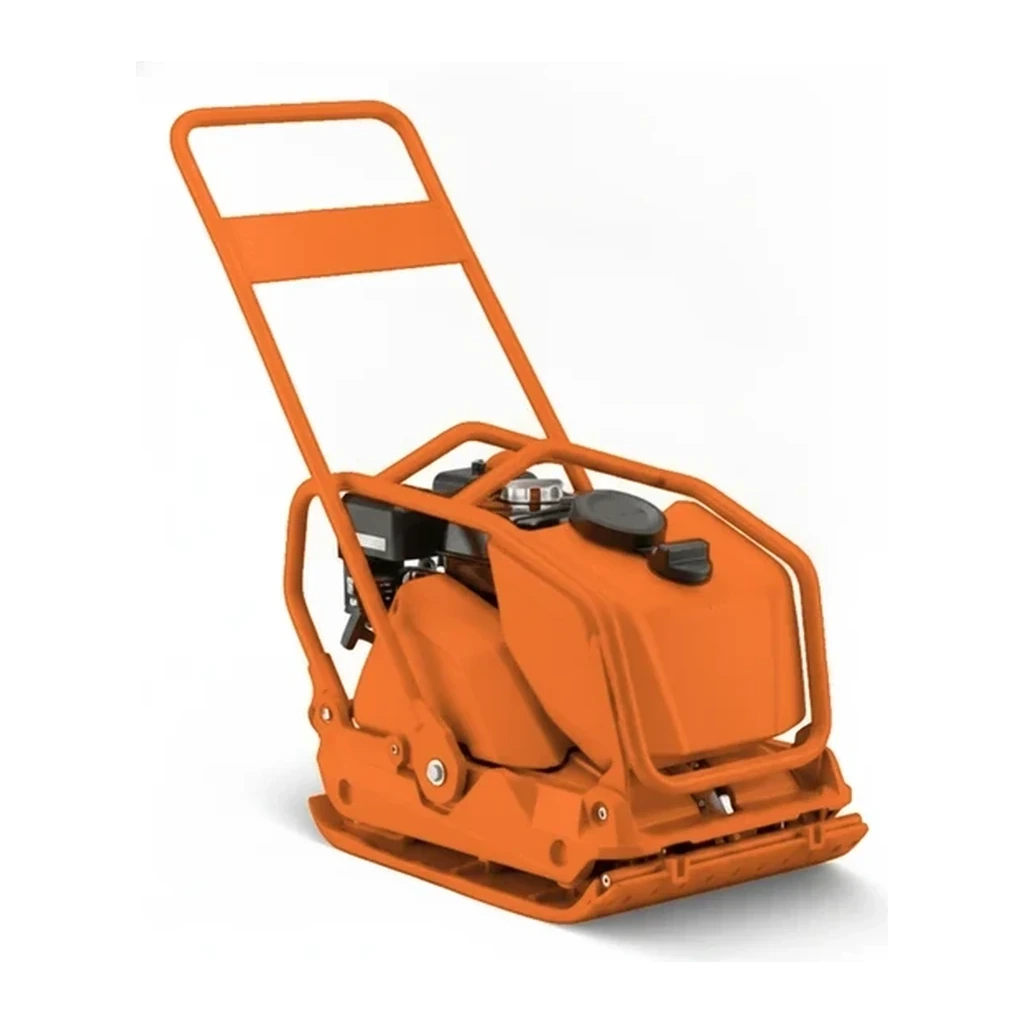
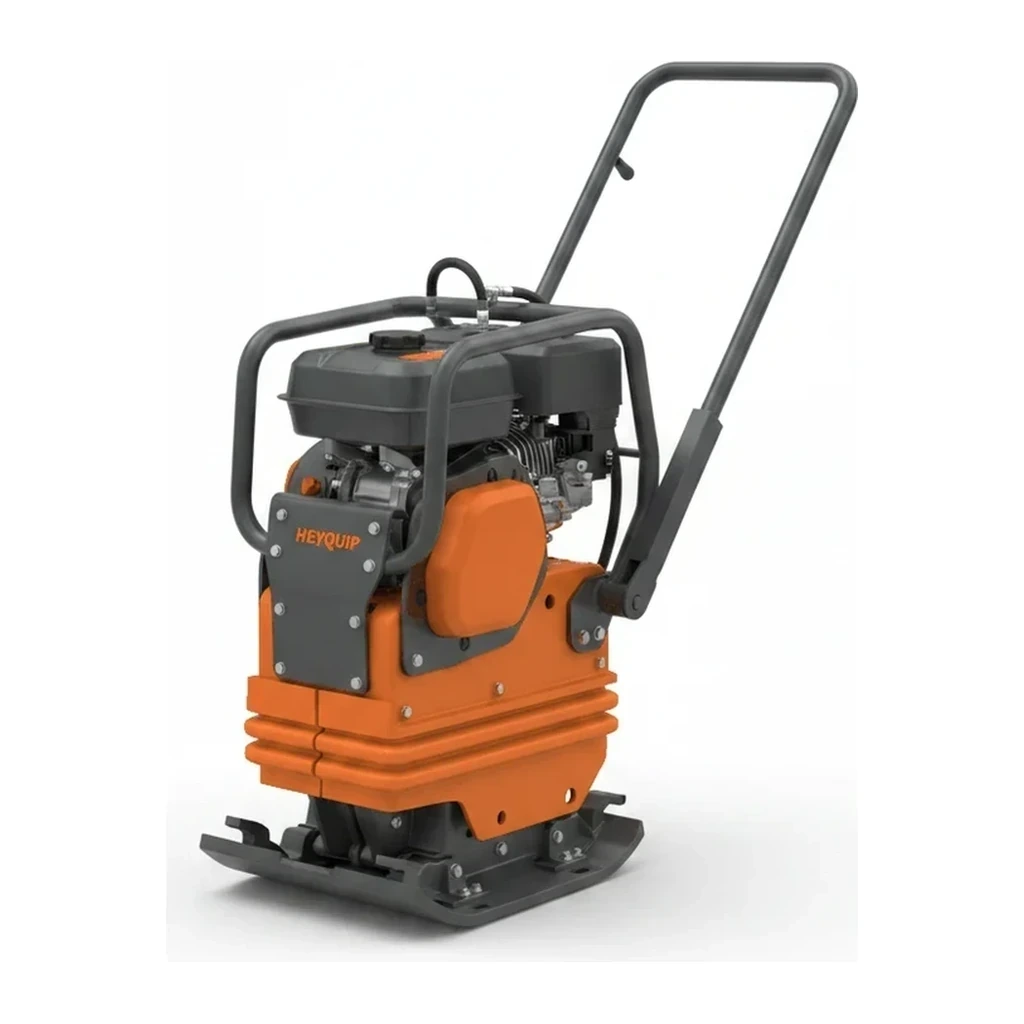
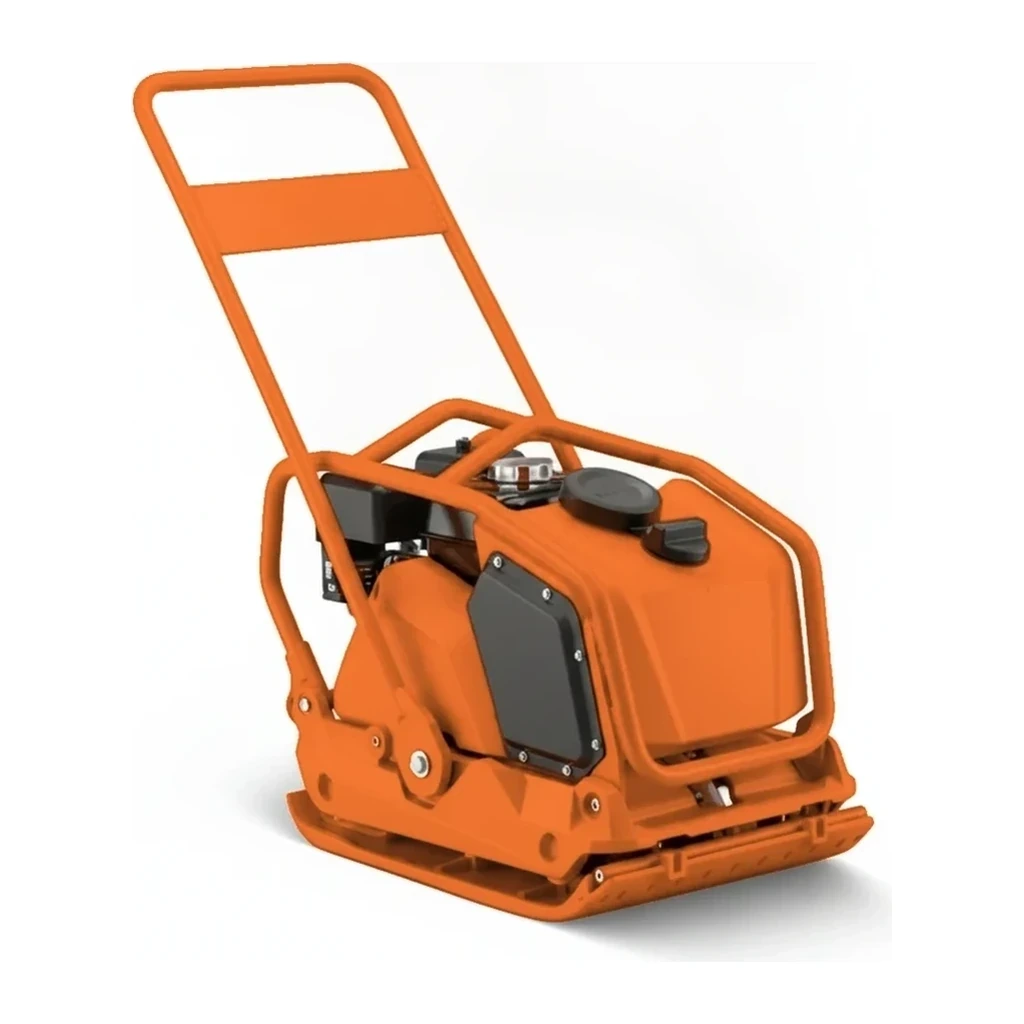
20+ in Forward Plate Compactor
The 20+ in Forward Plate Compactor class represents the widest single-direction vibratory compactors in the plate compactor family, with plate widths ranging from 550 to 1200 mm. These machines deliver compaction force from 45 to 130 kN and operating weights from 385 to 1185 kg, making them the top rung on the forward plate compactor ladder. They are purpose-built for covering large areas efficiently where reversing capability is not required: parking lot subgrade, asphalt patching over wide expanses, and other applications where maximum pass width increases productivity.
Cat classes
Choisissez une classe de taille : la capacité et la portée varient selon la gamme.
Spécifications clés
| Spécification | Plage typique | Signification |
|---|---|---|
| Plate width | 21.7–47.2 in (550–1,200 mm) | Widest coverage in the forward plate compactor category, reducing passes on large areas. |
| Compaction force | 45-130 kN | High centrifugal force range accommodates granular base, asphalt, and mixed fill applications. |
| Operating weight | 849–2,612 lb (385–1,185 kg) | Heavy machine mass contributes to compaction depth and static load on the material. |
| Engine power | 6.3-24.5 hp | Higher horsepower drives larger eccentric weights and advances wide plates through dense material. |
Comment choisir
The 20+ in Forward Plate Compactor is the choice when maximum single-direction coverage is the priority and the work area is large enough to justify a wide, heavy machine. It excels at parking lot subgrade preparation, large asphalt patches, and open site work where path reversals are infrequent. When the job involves tighter quarters, frequent direction changes, or the need to back out of confined spaces, the 16-20 in Forward Plate Compactor offers better maneuverability with still-generous plate widths. This top-rung class is limited to forward travel only; projects requiring reversing capability call for a reversible plate compactor instead.
Ce que cette taille peut gérer
- Compacting granular subgrade for commercial parking lots and driveways
- Large asphalt repair patches on roadways and lot surfaces
- Base preparation for warehouse slabs and industrial pads over expansive footprints
- Granular fill compaction on pipeline trenches and utility corridors
- Ballast and subballast compaction along rail sidings and maintenance-of-way projects
- Road shoulder repair and edge work where wide passes improve cycle time
Sécurité et opération
- Operating weights exceeding 1000 kg generate substantial momentum; operators must anticipate stopping distance and avoid slopes that exceed the manufacturer's grade rating.
- Wide plate widths demand clear sight lines and awareness of lateral clearances near walls, forms, and excavation edges.
- High compaction forces and machine mass increase hand-arm vibration exposure; many jurisdictions require anti-vibration gloves and adherence to exposure time limits.
- Engine exhaust and noise levels are elevated in higher-horsepower models; hearing protection and adequate ventilation are standard practice on enclosed or confined sites.
Transport et logistique
- Machines in the 385-600 kg range typically load onto standard utility trailers; heavier units approaching 1185 kg require stouter single-axle or tandem equipment trailers with appropriate deck capacity.
- Wide plates may exceed trailer width; operators often remove or rotate the base plate or use tilt-deck trailers to meet road transport limits.
- Larger models in this class may require a pickup truck or light-duty tow vehicle; confirm trailer gross vehicle weight rating matches combined machine and trailer mass.
Alimentation
- Gasoline or diesel engines in the 6.3-24.5 hp range; larger models favor diesel for torque and fuel economy on extended run times.
- Fuel tanks sized for multi-hour operation; larger-displacement engines consume proportionally more fuel under load.
- No external electrical power required; machines are self-contained with recoil or electric-start ignition.
Questions fréquentes
What distinguishes a 20+ in forward plate compactor from smaller forward models?
Can this size class handle asphalt compaction as well as granular base?
Why choose a forward-only compactor over a reversible model of similar plate width?
Comparer les modèles populaires
Chercher par spécification →Normalisé aux mêmes unités. Un tiret signifie que la valeur n'a pas été publiée.
| Modèle | Poids en service | Puissance moteur |
|---|---|---|
| Ammann APH 110/95 | - | 23 hp |
| Ammann APH 60/85 | - | 14 hp |
| Wacker Neuson DPU130r | 2,579 lb (1,170 kg) | 33 hp |
| Bomag BPR 45/55 D | 882 lb (400 kg) | 8 hp |
Équipements connexes
Parcourir par fabricant
Sources
Chaque spécification est vérifiée par rapport aux données publiées par le fabricant, avec la source liée pour référence.
20+ in Forward Plate Compactor
4 modèles · Chaque spécification citée à la source