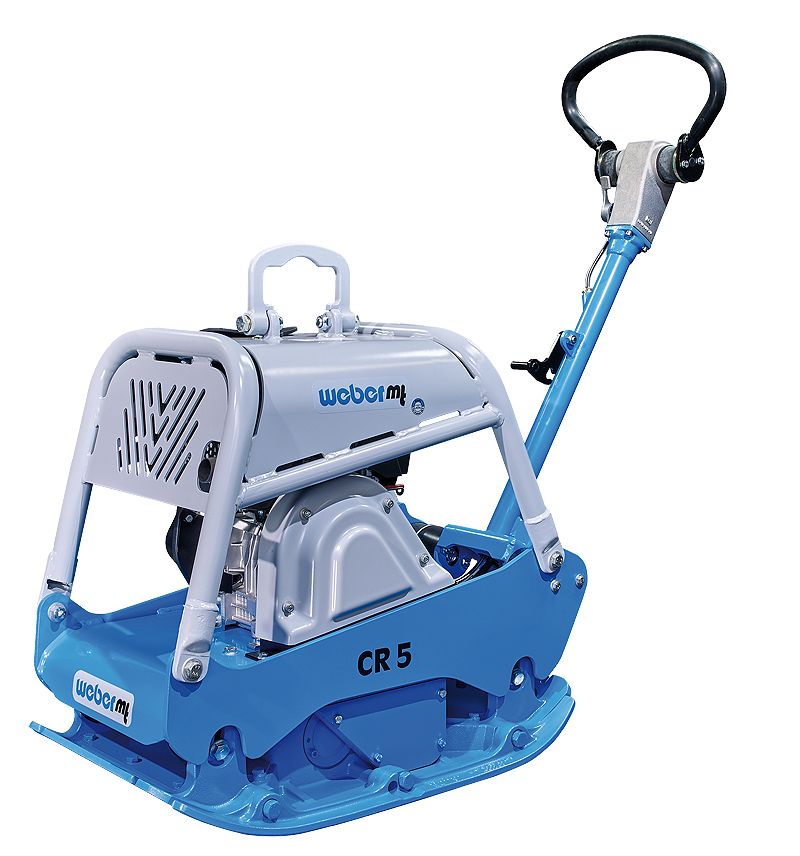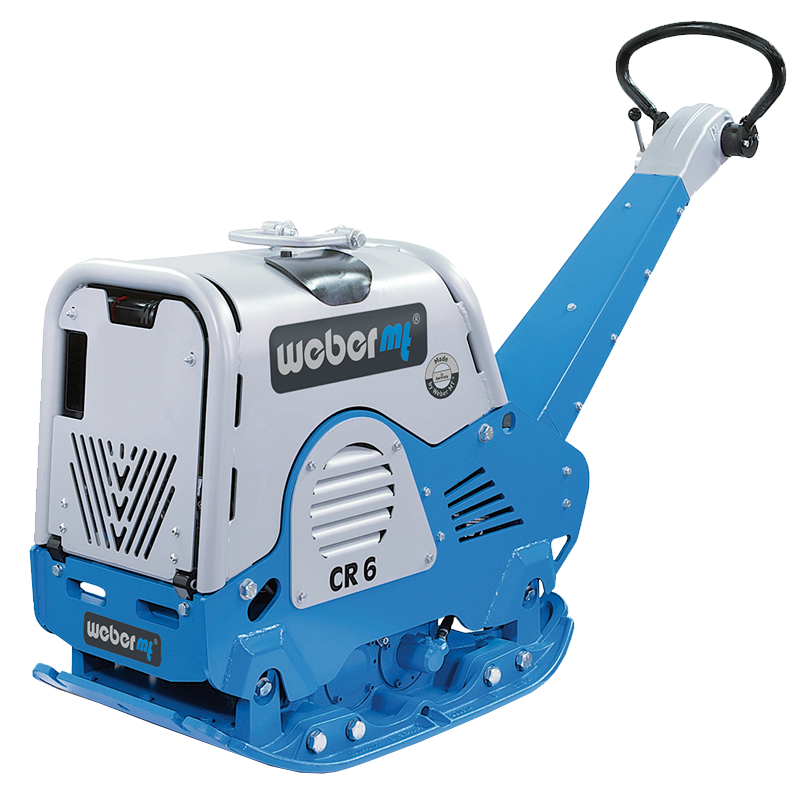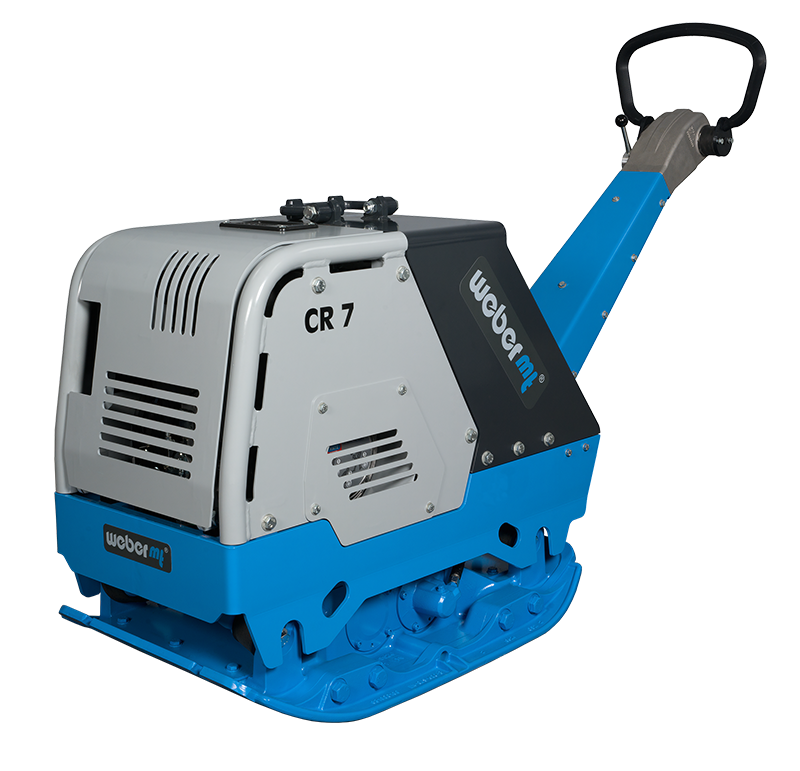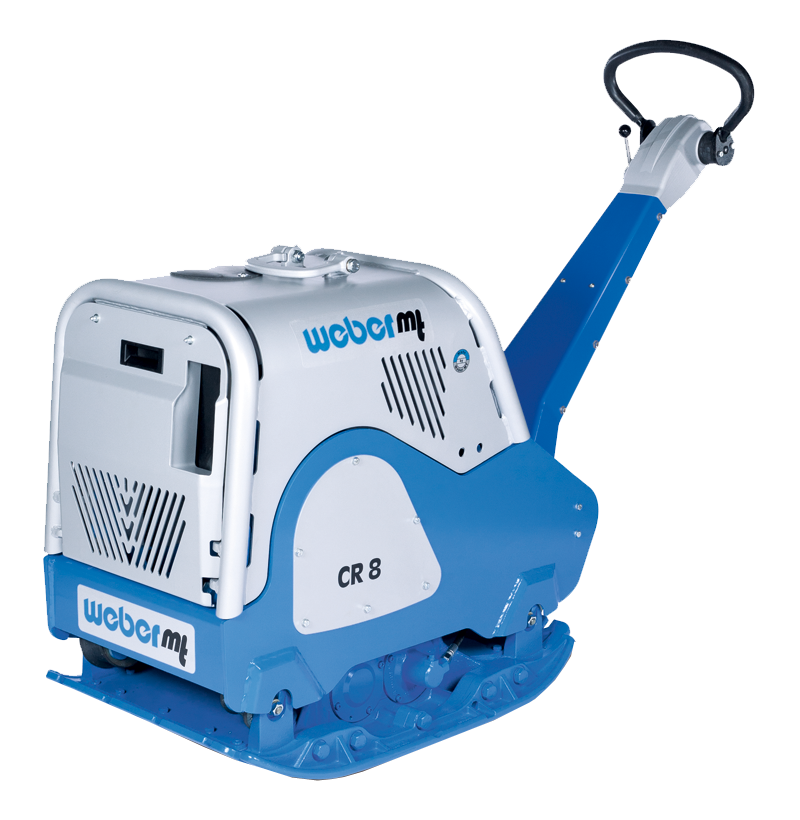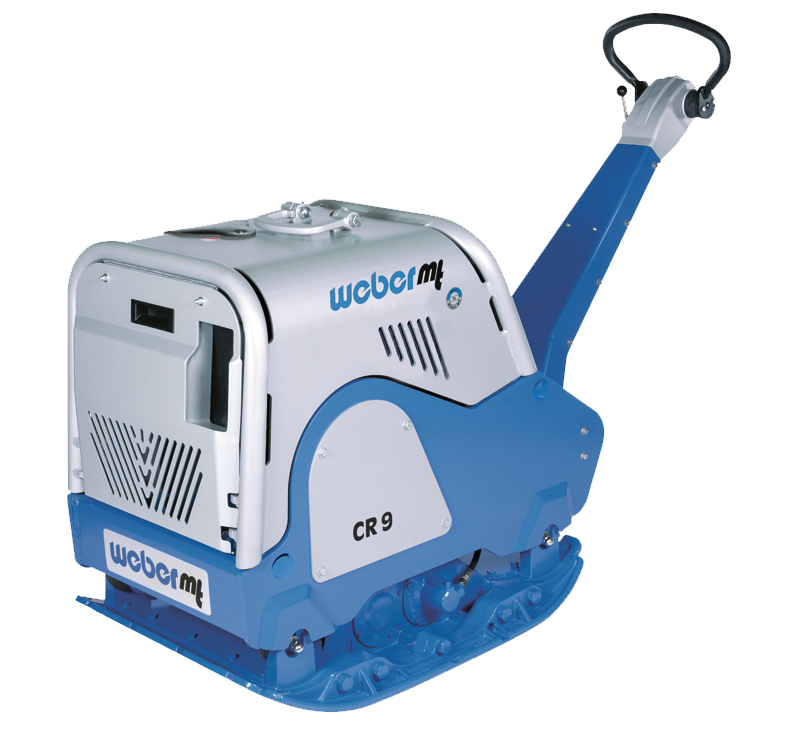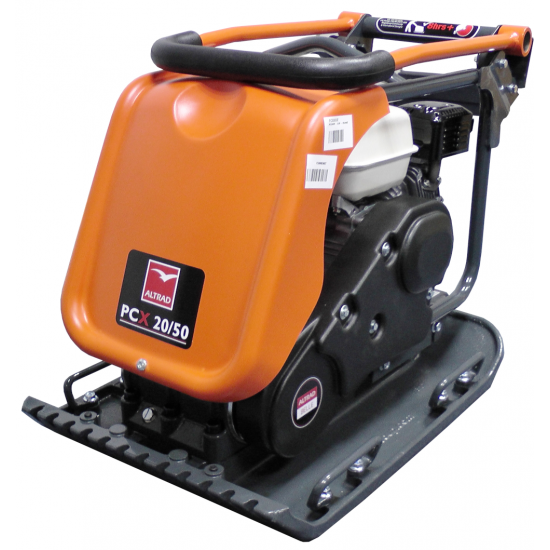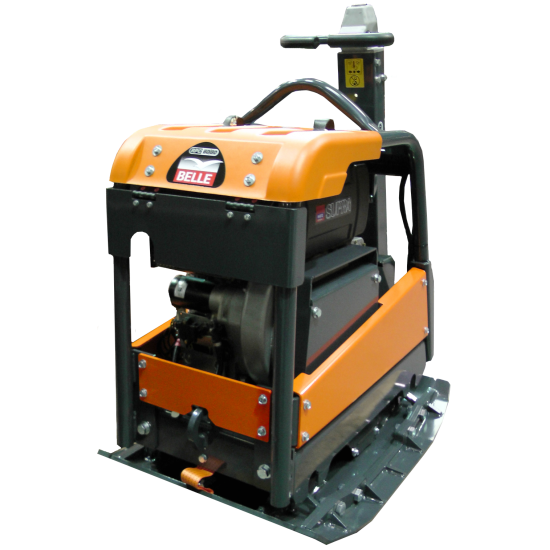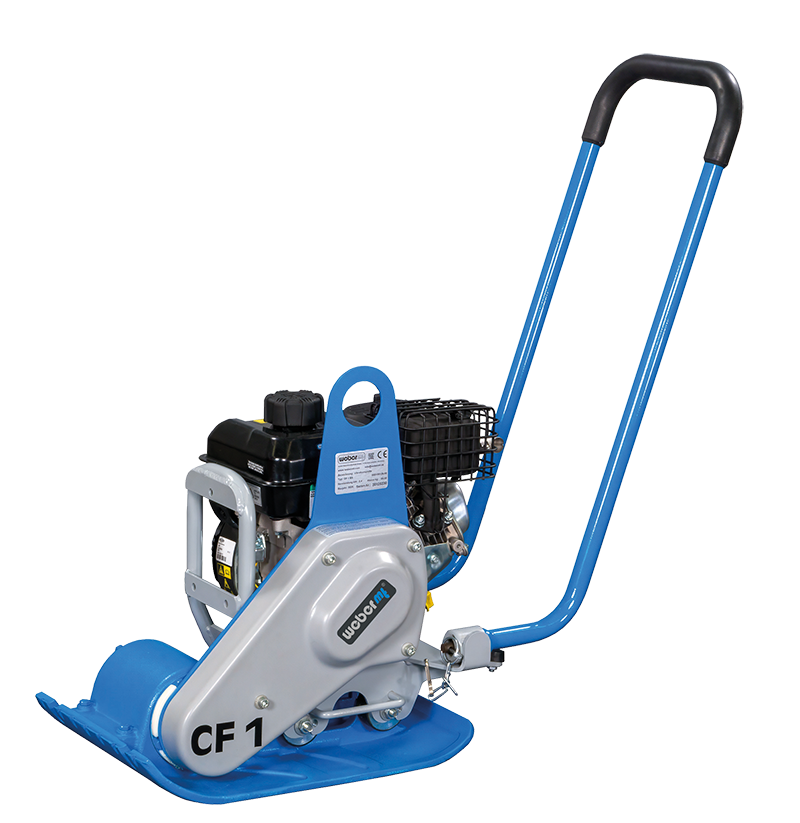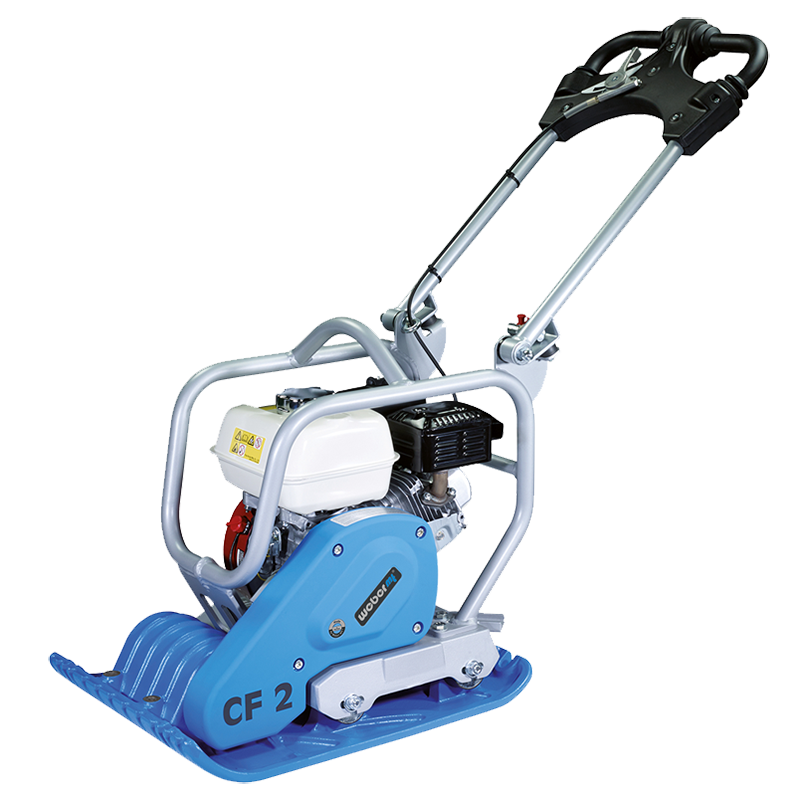

Forward Plate Compactor
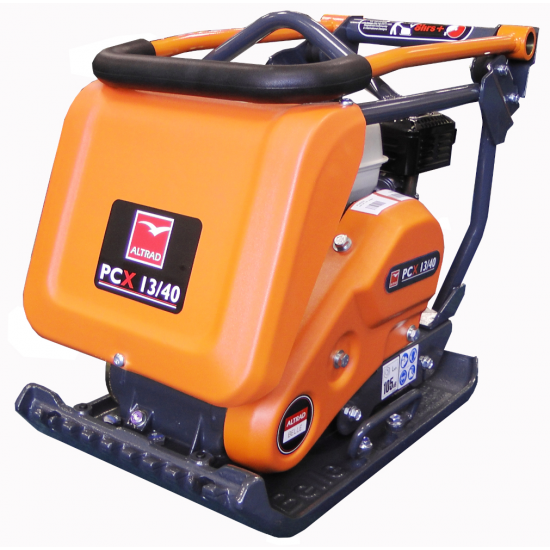
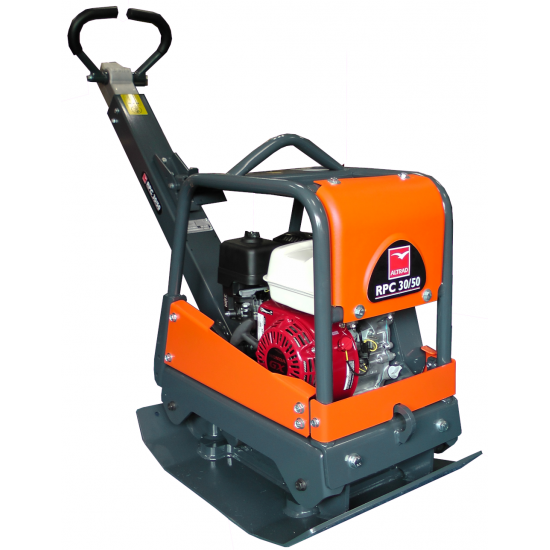
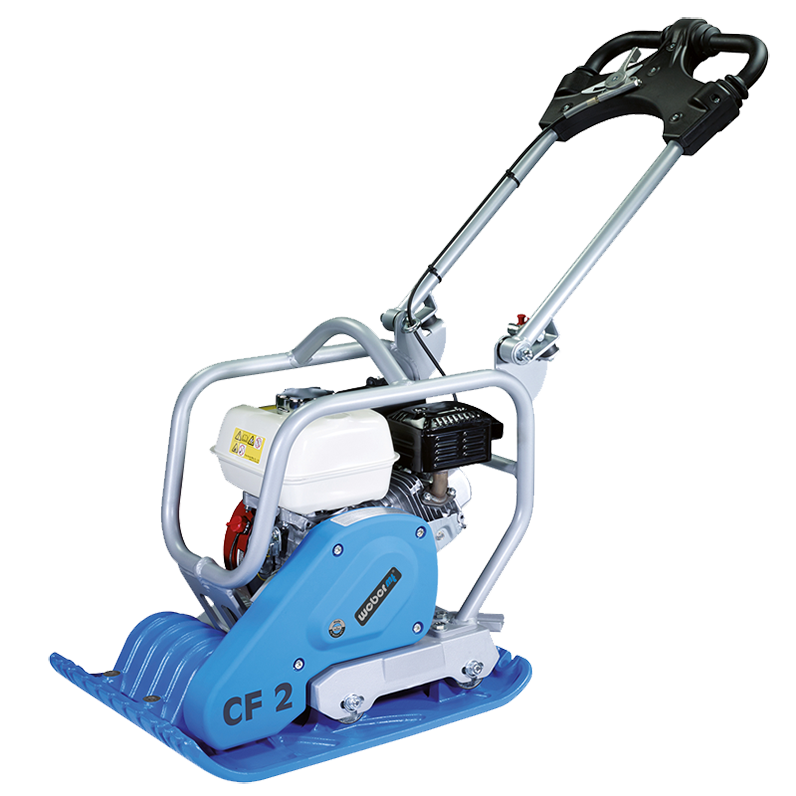
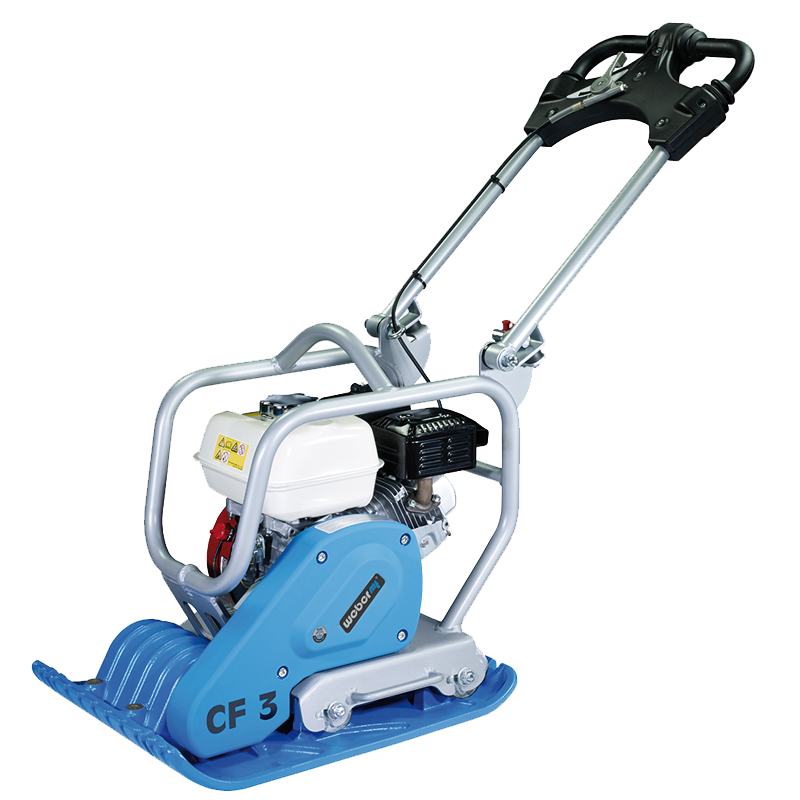
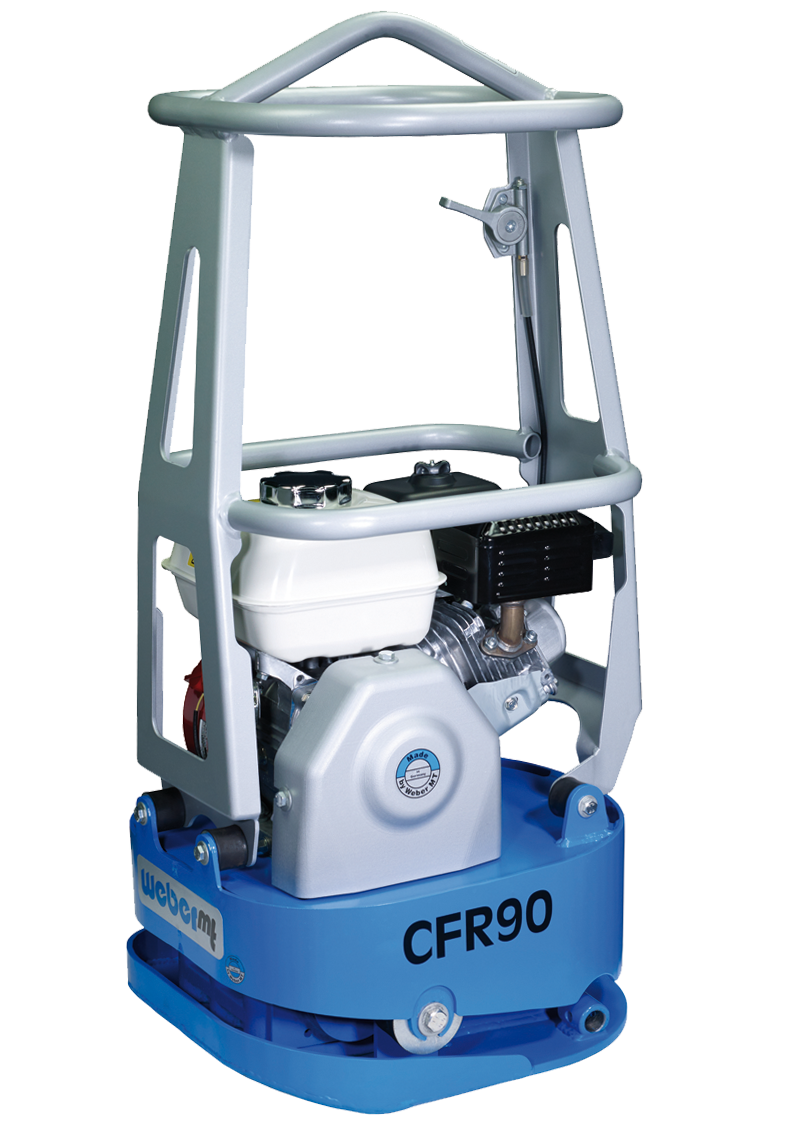
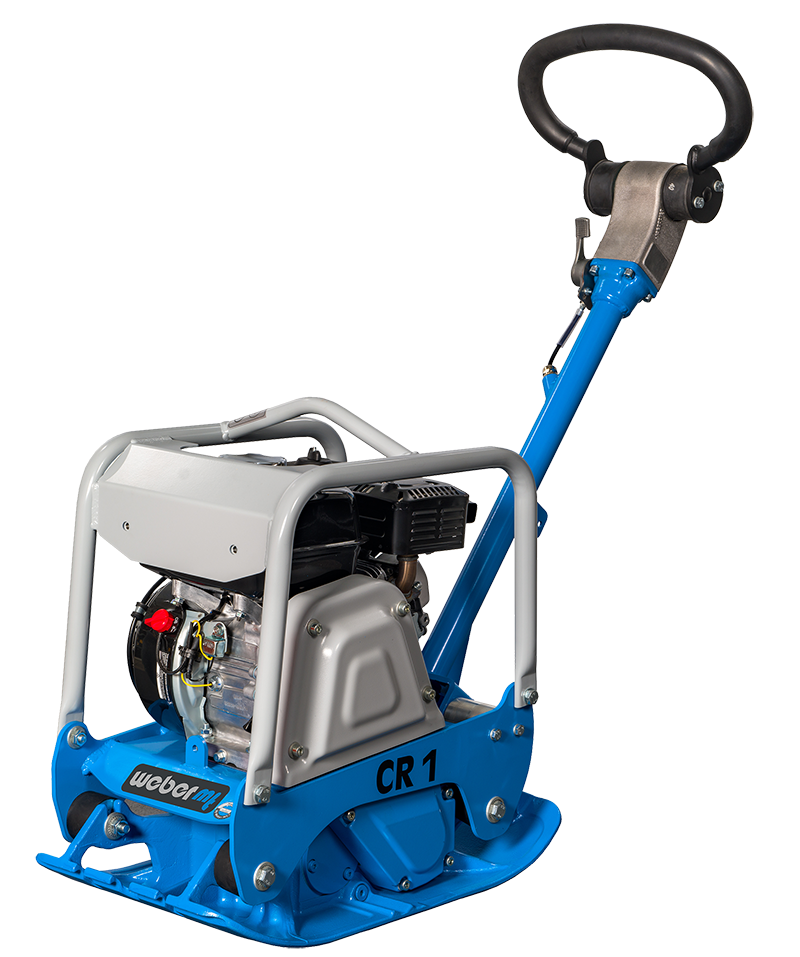
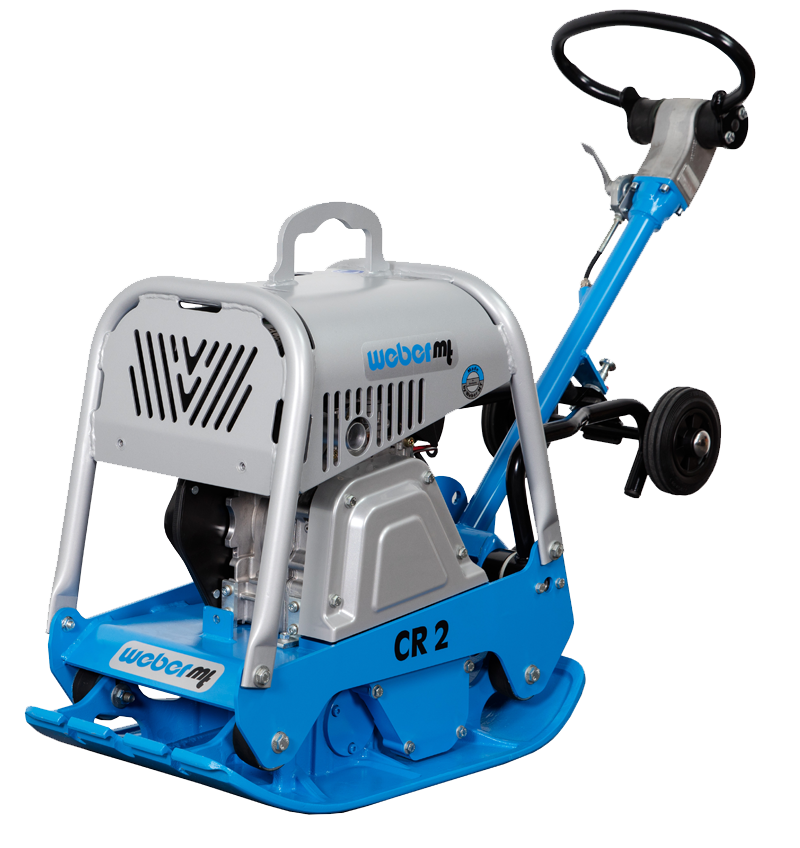
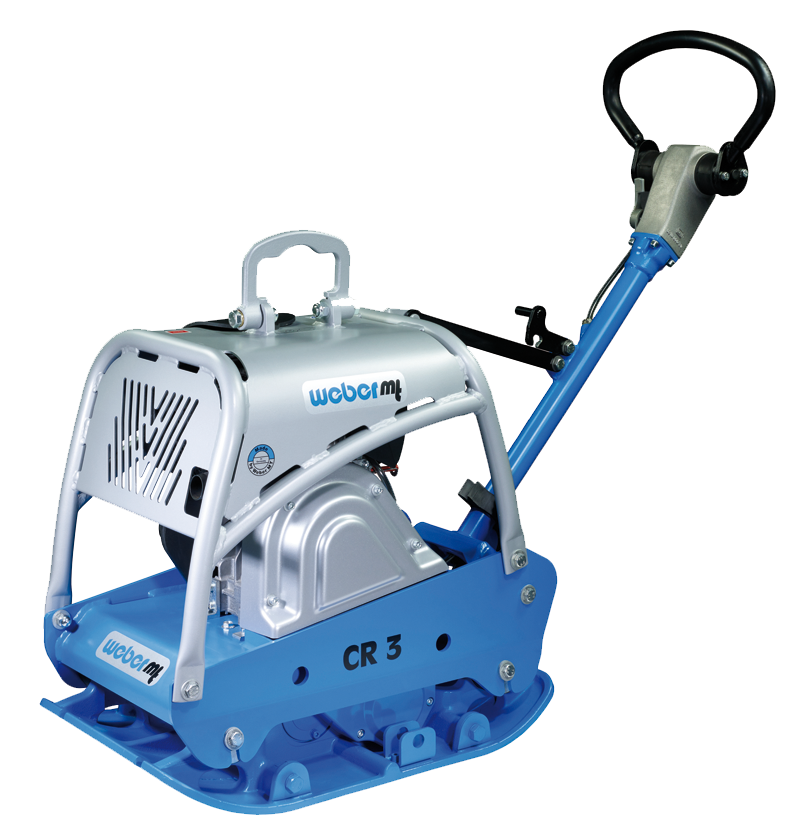
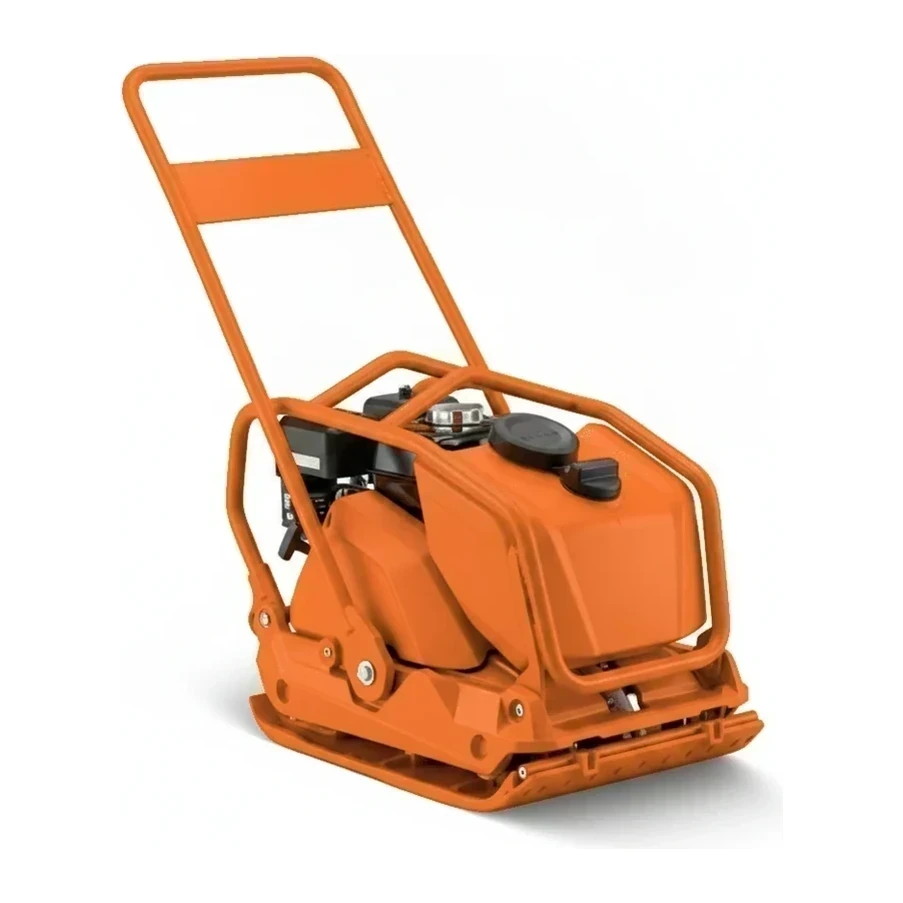
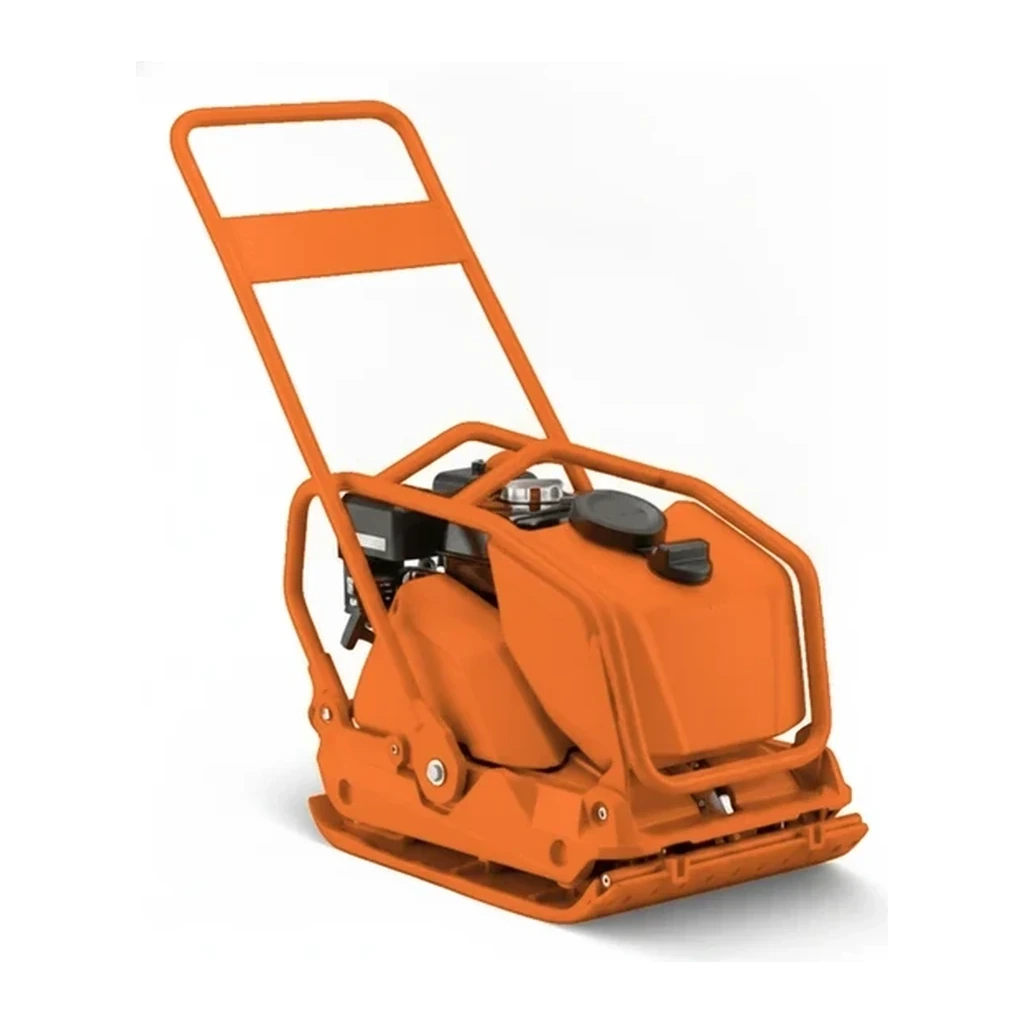
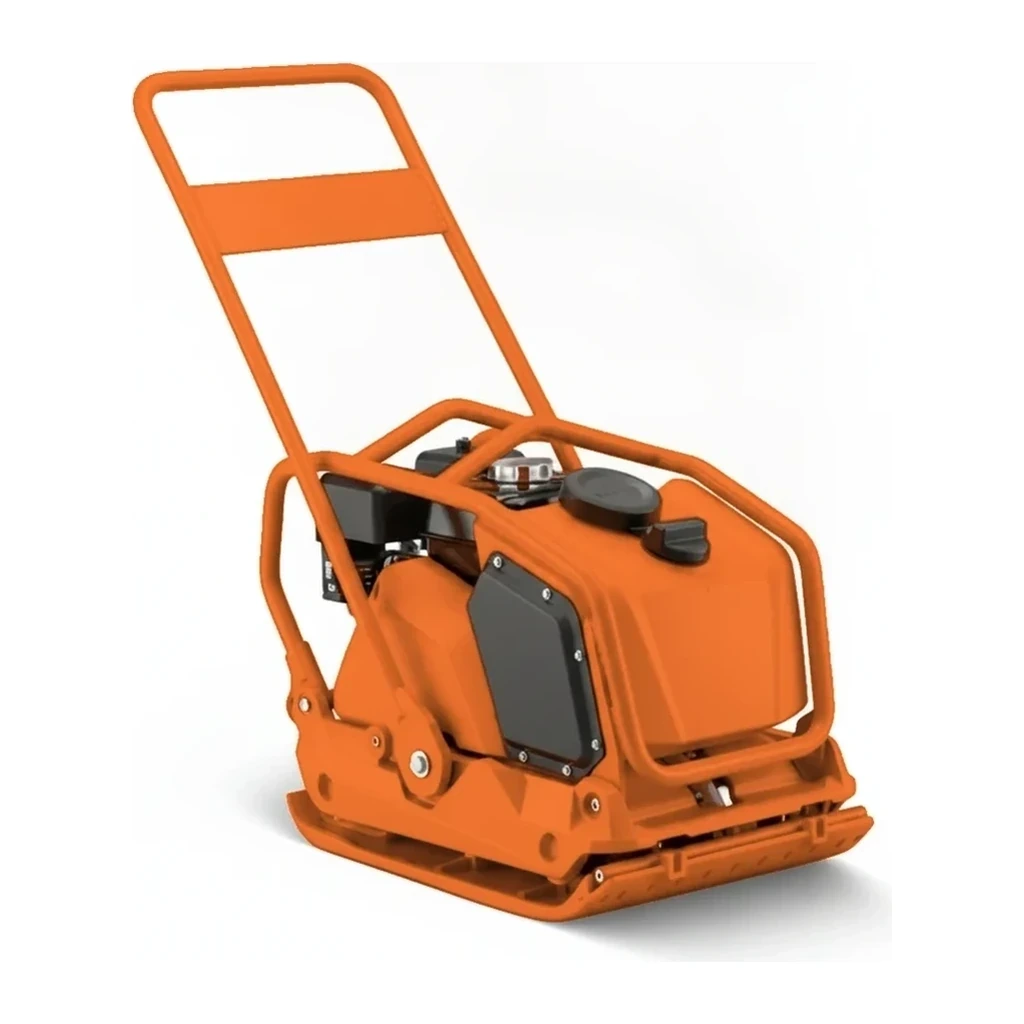
A forward plate compactor is a single-direction vibratory compaction machine that uses a heavy steel base plate and eccentric mechanism to consolidate soil, gravel, and asphalt in a straight path. These walk-behind machines advance forward only, distinguishing them from reversible plate compactors. They are widely used for granular base preparation, trench backfill, and paving applications where compaction depth and portability are required.
Cat classes
Choisissez une classe de taille — la capacité et la portée varient selon la gamme.
Fonctionnement
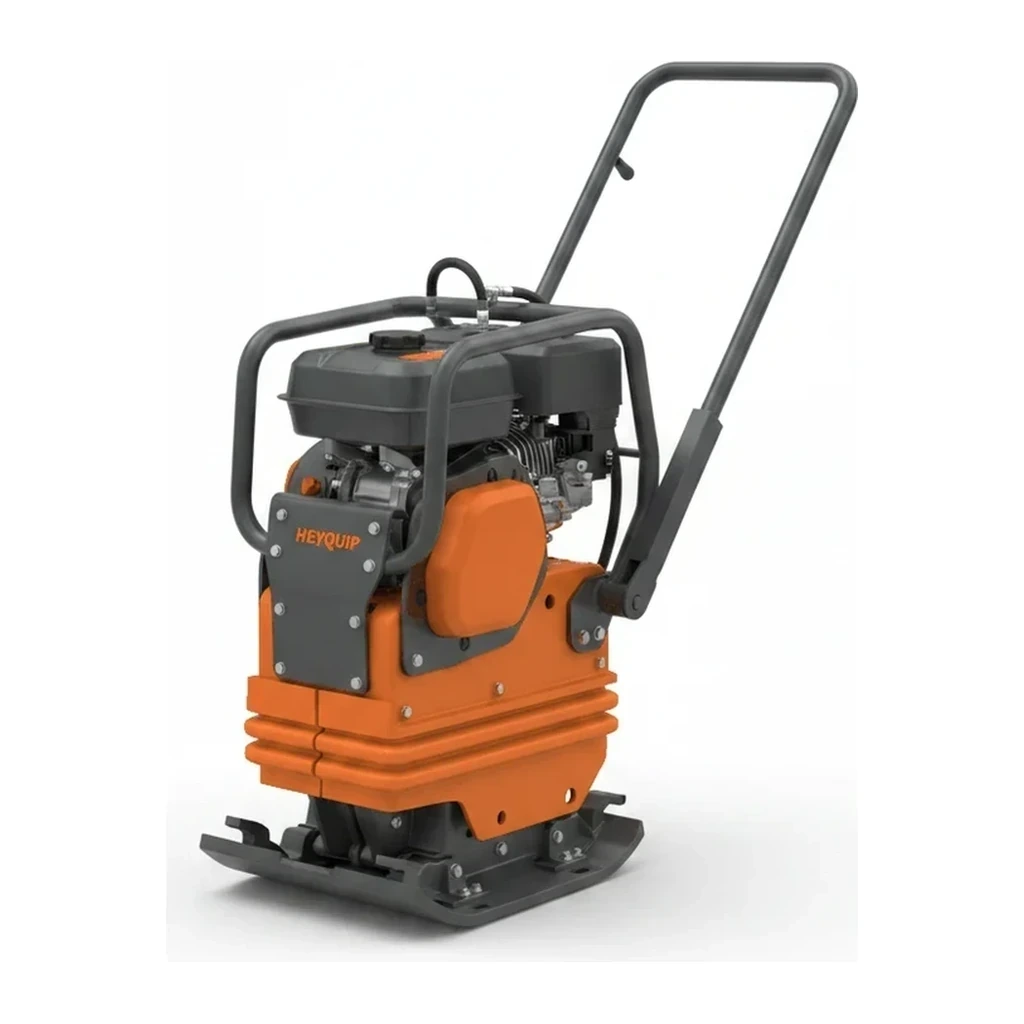
An engine-driven eccentric weight assembly generates high-frequency vibrations (typically 48–100 Hz) that transmit through the steel base plate into the material being compacted. The rotation of the eccentric creates a forward thrust, propelling the machine in one direction while the vibratory energy reduces air voids and increases material density. The operator walks behind the unit, guiding it along the work path. The combination of machine weight (54.0–1,515.0 kg), vibratory frequency, and centrifugal force (10.5–130.0 kN) determines compaction effectiveness and achievable lift thickness. Engine power (1.0–57.0 hp) drives both the eccentric assembly and forward motion, with travel speeds ranging from 20–30 m/min depending on plate width and material conditions.
Types et variantes
- Gasoline-Powered Single Direction Plate
- Standard forward plates with gasoline engines, offering portability and typical fuel tank capacities of 2.0–18.0 liters for extended operation on granular soils and paver base.
- Diesel-Powered Forward Plate
- Heavy-duty units with diesel engines providing higher torque and fuel efficiency for larger plate widths and extended commercial use on substrates requiring deeper compaction.
- Narrow Trench Plate
- Compact models with plate widths of 320–400 mm designed specifically for utility trenches, tight backfill zones, and work between obstacles where maneuverability is critical.
- Wide-Area Forward Plate
- Large-format machines with plate widths of 500–1,200 mm, offering maximum single-pass coverage for parking lots, roadway shoulders, and expansive grading projects.
- Asphalt Plate Compactor
- Forward plates equipped with water tanks and spray bars to prevent hot asphalt adhesion, used for patching, joint compaction, and edge work in paving operations.
Spécifications clés
| Spécification | Plage typique | Signification |
|---|---|---|
| Plate Width | 12.6–47.2 in (320–1,200 mm) | The working dimension of the base plate; primary sizing parameter determining coverage area and application suitability. |
| Operating Weight | 119–3,340 lb (54–1,515 kg) | Machine mass that, combined with vibratory force, determines compaction energy and maximum achievable lift thickness. |
| Compaction Force | 10.5–130.0 kN | Centrifugal force generated by the eccentric assembly; higher force achieves greater compaction depth in granular materials. |
| Vibration Frequency | 48–100 Hz | Oscillation rate of the base plate; frequency selection depends on material type, with higher frequencies suited to granular soils. |
| Engine Power | 1.0–57.0 hp | Power output driving the eccentric and propulsion system; larger plates and heavier units require higher horsepower. |
| Travel Speed | 20–30 m/min | Forward advancement rate during operation; speed affects number of passes and compaction efficiency for a given material. |
Comment l'industrie le dimensionne
The rental industry sizes forward plate compactors primarily by plate width, measured in inches. Standard size classifications include up to 16 inches (small enough to run inside forms and between obstacles—paver base, patch work, tight backfill), 16–20 inches (the everyday driveway and sidewalk plate—one person, granular base, all day), and 20+ inches (widest single-direction coverage—parking-lot subgrade and asphalt patching in big passes). Operating weight and compaction force are secondary sizing factors that correspond closely to plate width, with heavier machines delivering greater compaction depth and productivity on larger projects.
Applications
- Granular base compaction for driveways, sidewalks, and parking areas
- Utility trench backfill and pipe bedding in confined excavations
- Asphalt patch compaction and joint sealing in pavement repair
- Paver base preparation and sand setting for interlocking stone installations
- Roadway shoulder and edge compaction adjacent to existing pavement
- Foundation and slab subgrade preparation where lift thickness control is required
Sécurité et opération
- Operators must maintain secure footing and controlled walking pace to prevent loss of control or hand-arm vibration injury during extended use.
- Engine exhaust systems require clearance from combustible materials, and adequate ventilation is necessary when operating gasoline or diesel units in enclosed spaces.
- Personal protective equipment including steel-toed boots, hearing protection, and anti-vibration gloves is standard for minimizing operator exposure to noise and vibration.
- Plates must not be operated on slopes exceeding the manufacturer's specified gradeability limits (typically 30–35%), as loss of control may result in equipment damage or injury.
- Refueling procedures require engine shutdown and cooling periods to prevent ignition of fuel vapors, with spill containment measures in place per environmental regulations.
Normes et certifications
- ANSI · B71.4
- Safety standard for compaction equipment covering operator controls, guarding, and labeling requirements for walk-behind vibratory plates.
- ISO · 5349
- Measurement and evaluation of human exposure to hand-transmitted vibration, relevant to operator health in prolonged plate compactor use.
- EPA · Tier 4
- Emissions standards for small non-road spark-ignition and diesel engines, applicable to modern plate compactor power units.
Questions fréquentes
What distinguishes a forward plate compactor from a reversible plate?
How is plate width related to compaction depth?
What material types are best suited to forward plate compactors?
Why do some forward plates include water systems?
Comparer les modèles populaires
Chercher par spécification →Normalisé aux mêmes unités. Un tiret signifie que la valeur n'a pas été publiée.
| Modèle | Poids en service | Puissance moteur |
|---|---|---|
| Ammann APF 12/40 | 196 lb (89 kg) | 2 hp |
| Ammann APF 12/50 | 159 lb (72 kg) | 3 hp |
| Ammann APF 20/50 | 194 lb (88 kg) | 4 hp |
| Ammann APH 110/95 | 1,819 lb (825 kg) | 23 hp |
| Ammann APH 60/85 | 1,023 lb (464 kg) | 14 hp |
| Ammann eAPF 12/40 | 196 lb (89 kg) | 2 hp |
Équipements connexes
Parcourir par fabricant
Sources
Chaque spécification est vérifiée par rapport aux données publiées par le fabricant, avec la source liée pour référence.
Tous les modèles
215 modèles · Page 3 sur 5 · Chaque spécification citée à la source