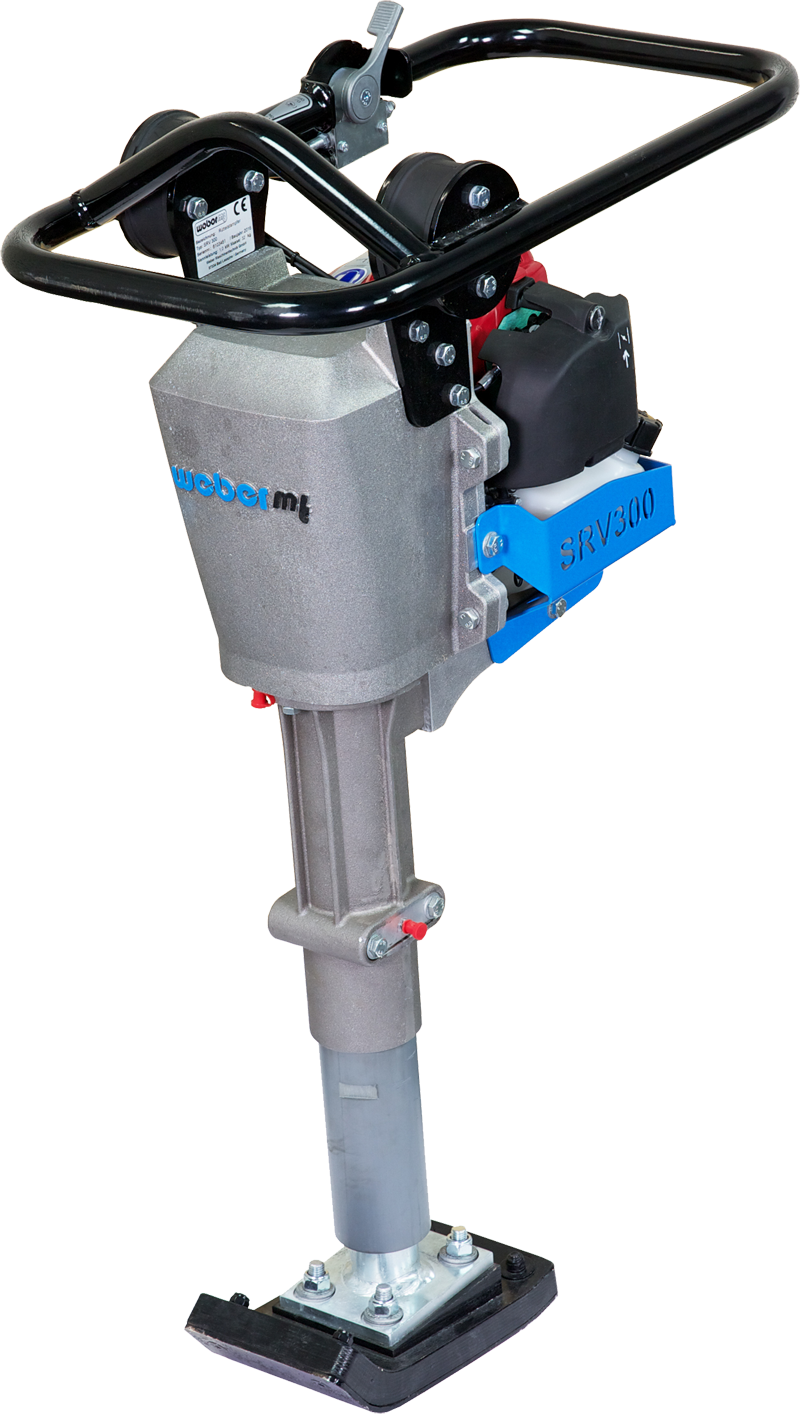

Up to 130 lb Rammer
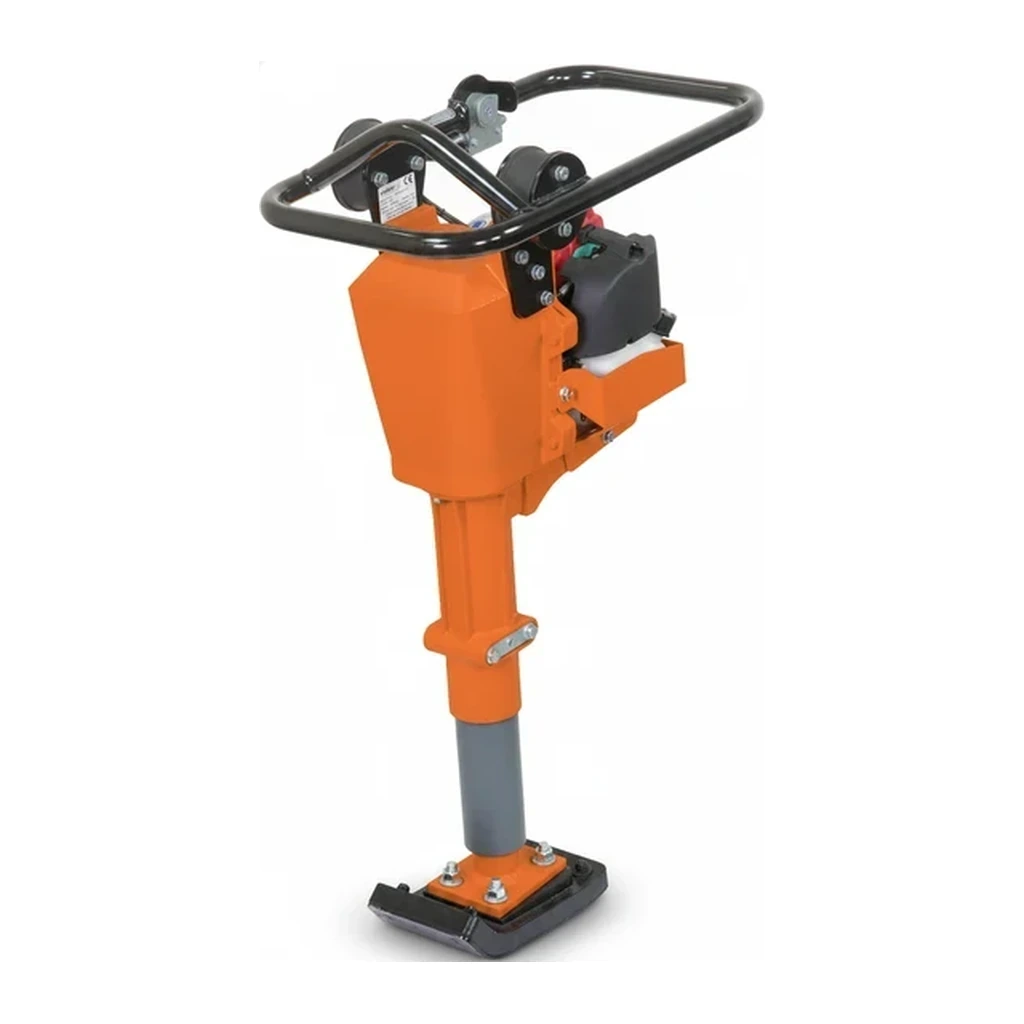
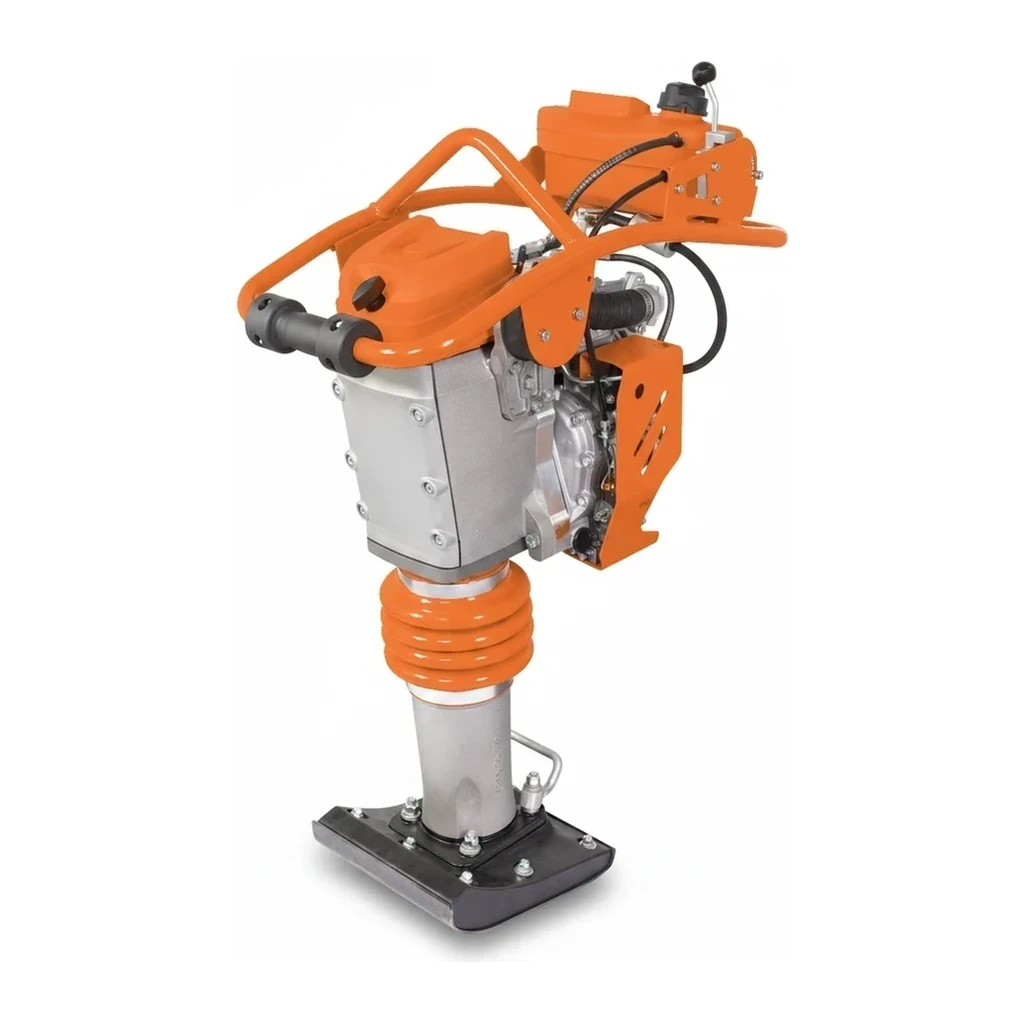
The Up to 130 lb Rammer represents the lightest end of the jumping jack spectrum, designed for pipe-zone bedding and trench bottoms where working width is severely constrained. This size class sits at the bottom of the three-tier rammer ladder, offering the narrowest shoe and most maneuverable footprint for confined utility work. Currently represented by a single Ammann model in the market, this class fills the niche where even a 130-160 lb Rammer would be too wide or heavy for the application.
Cat classes
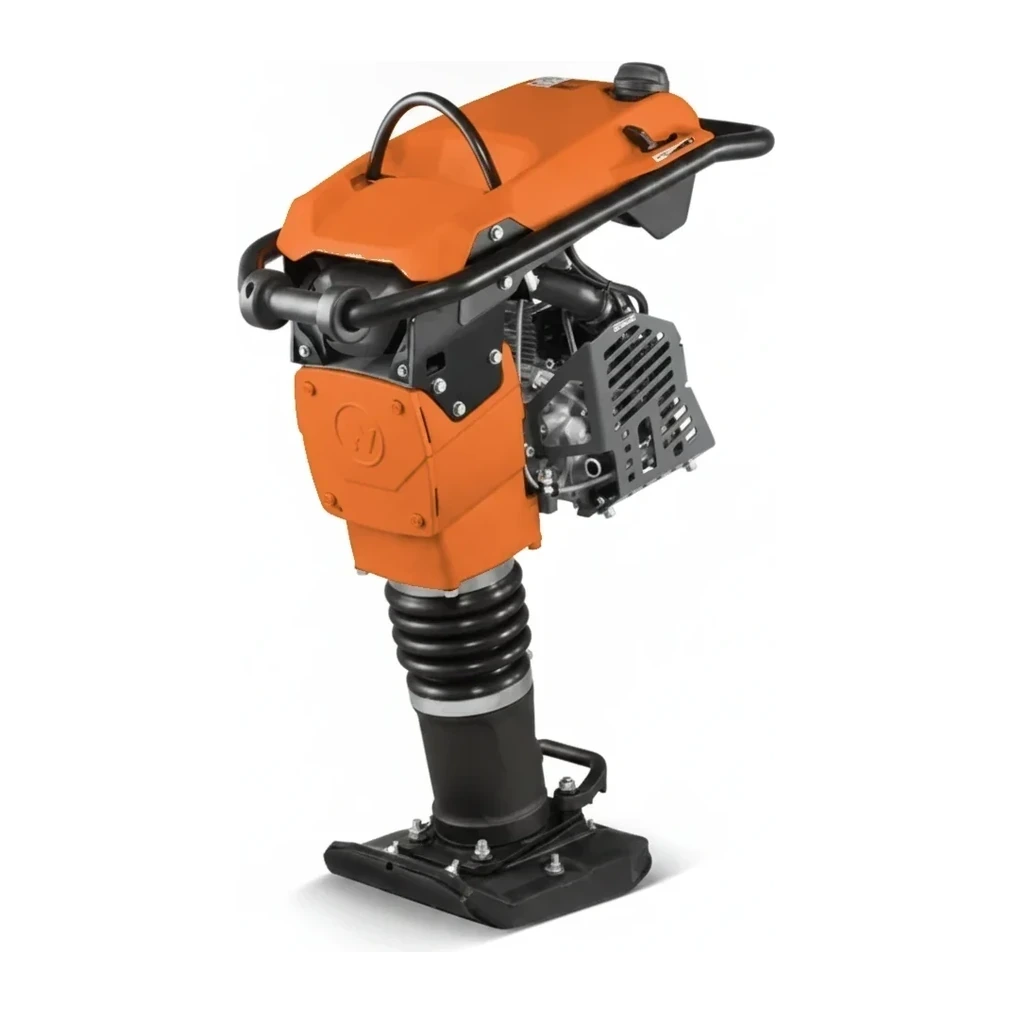
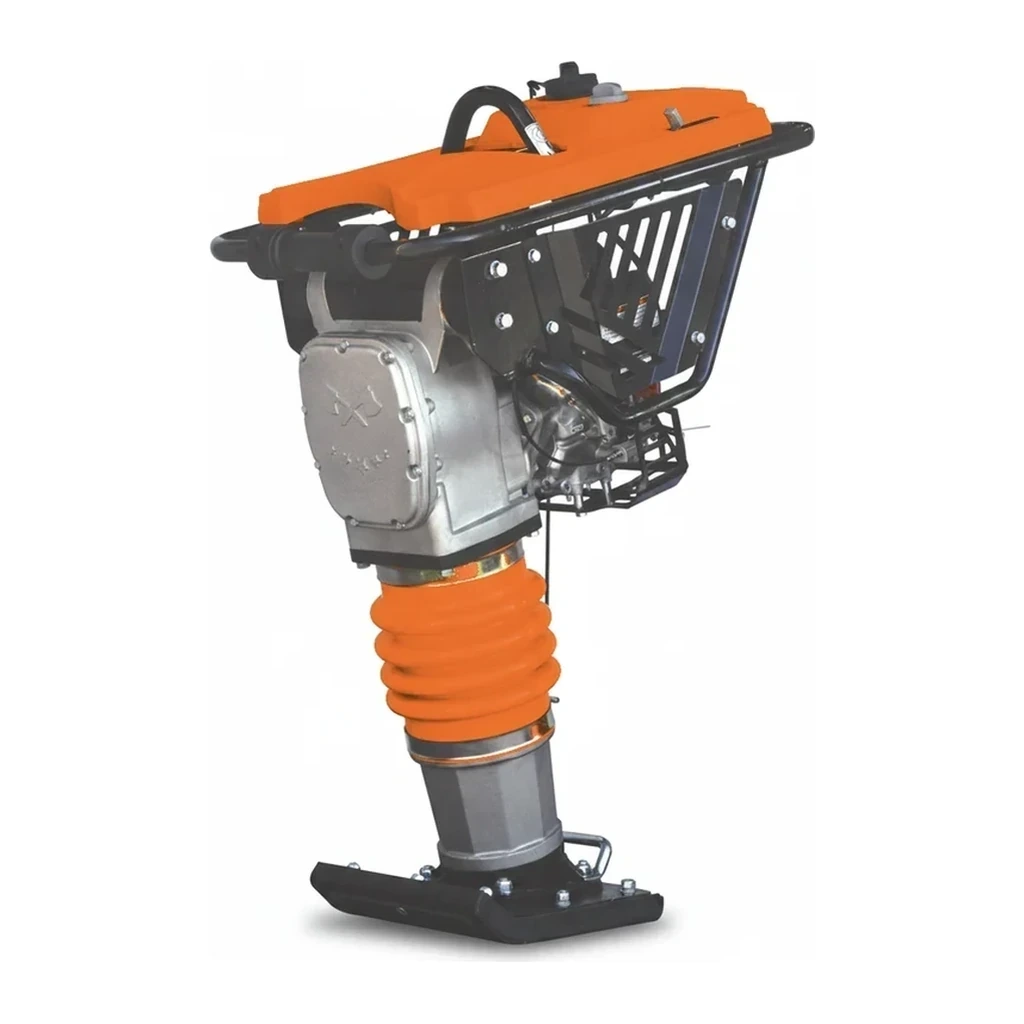
Choisissez une classe de taille : la capacité et la portée varient selon la gamme.
Spécifications clés
| Spécification | Plage typique | Signification |
|---|---|---|
| Operating Weight | Under 130 lb | Defines the class boundary; lighter than mid-weight rammers but sufficient for compacting granular bedding materials in lifts. |
| Shoe Width | Narrow profile | Sized to fit trenches where workers have limited standing room alongside the machine during operation. |
Comment choisir
This lightest rammer class is appropriate when trench width, not compaction energy, is the limiting factor: typically utility bedding zones where a wider machine cannot physically fit or where operators must work immediately alongside the equipment. The narrow shoe and reduced weight allow compaction in spaces inaccessible to heavier units. For wider trenches or work requiring higher impact energy for cohesive backfill, the 130-160 lb Rammer delivers greater productivity and compaction force. For open excavations or wider utility corridors, that mid-weight class or the 160+ lb Rammer becomes the standard choice.
Ce que cette taille peut gérer
- Compacting sand or pea-gravel bedding around small-diameter water service laterals in narrow trenches
- Pipe-zone work in residential utility installations where trench boxes leave minimal working room
- Initial lifts of granular backfill in hand-dug or vacuum-excavated utility potholes
- Bedding compaction for sewer tap connections in confined urban sidewalk cuts
- Trench bottom preparation for small-diameter conduit runs in tight commercial site work
Sécurité et opération
- Hand-arm vibration exposure remains significant despite lower mass; anti-vibration gloves and operational time limits per shift apply as with all rammers
- Confined trench work requires spotter coordination when operating below grade, particularly in permit-required spaces
- Lighter weight reduces lower-back strain during transport and positioning but does not eliminate need for proper lifting technique
- Exhaust fumes accumulate rapidly in narrow, deep trenches; adequate ventilation or engine shutdown during non-compacting intervals is essential
Transport et logistique
- Single-person or two-person manual loading into pickup beds or enclosed trailers; weight permits lifting without mechanical assist
- Fits crosswise in standard pickup trucks and small utility trailers alongside hand tools
- Basic ratchet straps provide adequate securement given the sub-130 lb mass
Alimentation
- Gasoline-powered two-stroke or four-stroke engines in the 2-3 HP range, typical of lightest rammer designs
- Fuel consumption minimal; a single gallon of gasoline typically covers a full shift of intermittent trench compaction
- Self-contained engine operation; no external power source required
Questions fréquentes
What distinguishes this class from the 130-160 lb Rammer beyond weight?
Why is only one model represented in this weight class?
Can this size handle cohesive clay backfill?
Comparer les modèles populaires
Chercher par spécification →Normalisé aux mêmes unités. Un tiret signifie que la valeur n'a pas été publiée.
| Modèle | Poids en service | Puissance moteur |
|---|---|---|
| Ammann ATR 30 | 63.9 lb (29 kg) | 1 hp |
| Bomag BT 50 | 128 lb (58 kg) | - |
Équipements connexes
Parcourir par fabricant
Sources
Chaque spécification est vérifiée par rapport aux données publiées par le fabricant, avec la source liée pour référence.
Up to 130 lb Rammer
6 modèles · Chaque spécification citée à la source