

Up to 54 in Smooth Drum Soil Compactor
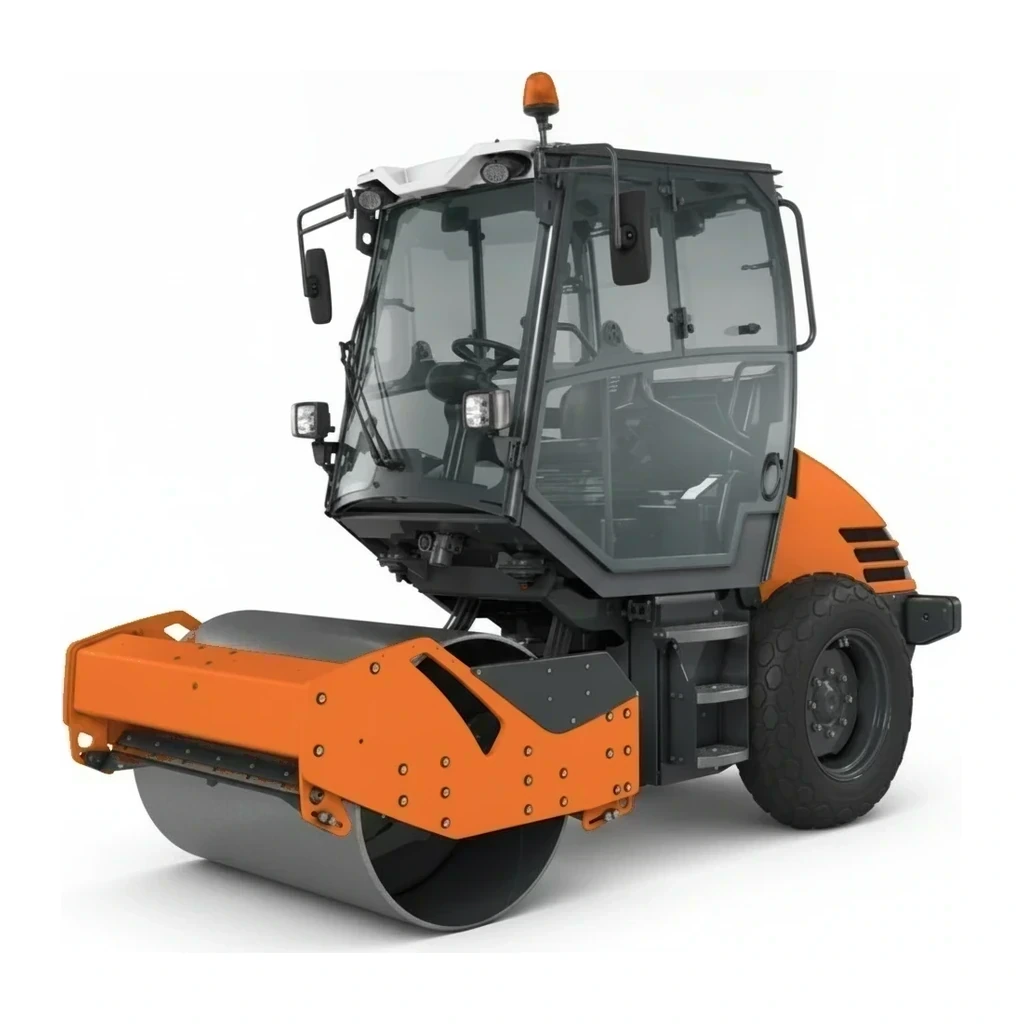
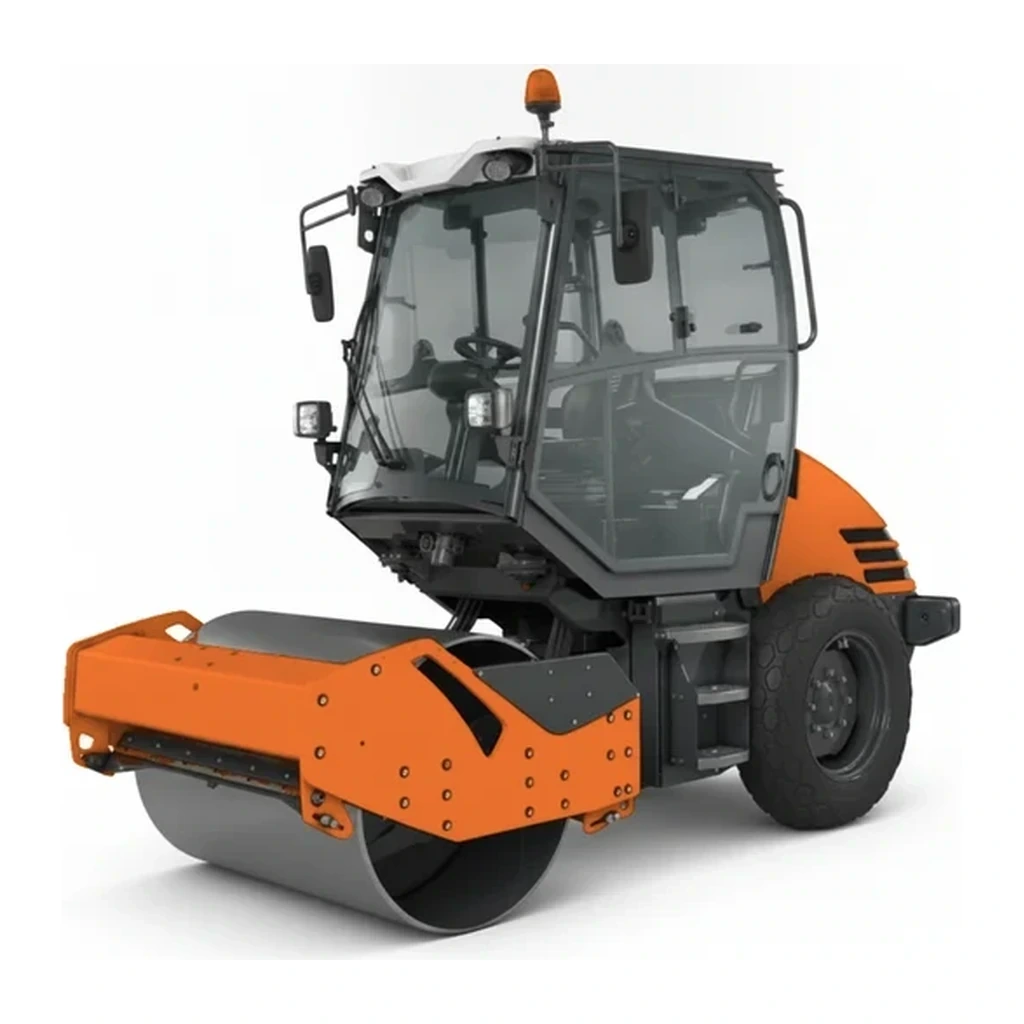
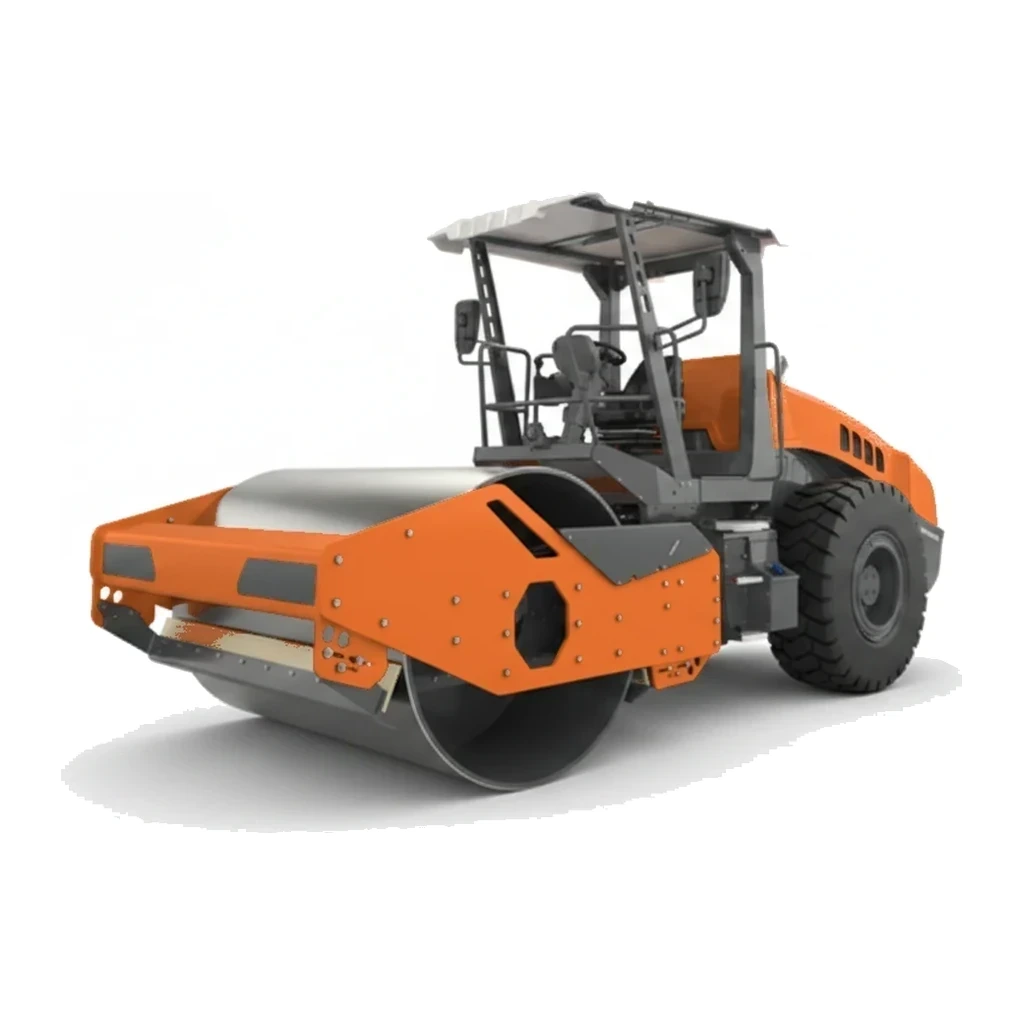
Up to 54 in smooth drum soil compactors are the smallest ride-on rollers in the soil compaction category, designed for building pads, trench backfill, and site work where space is too tight for full-width rollers. With drum widths from 35.4 to 54 inches and operating weights from 740 to 2,964 kg, these machines deliver focused compaction energy in confined areas. This size class sits at the bottom of the smooth drum soil compactor ladder, one step below the 54-70 in class used for larger site work.
Cat classes
Choisissez une classe de taille : la capacité et la portée varient selon la gamme.
Spécifications clés
| Spécification | Plage typique | Signification |
|---|---|---|
| Drum width | 35–54 in (88.9–137 cm) | Narrow drums allow compaction in trenches, around foundations, and in restricted site areas. |
| Operating weight | 1,631–6,535 lb (740–2,964 kg) | Weight range determines compaction force and suitability for granular soils versus cohesive fills. |
| Engine power | 6.3-20.8 hp | Smaller engines suited to the lighter weight and lower drum resistance of compact rollers. |
| Water tank capacity | 35-110 L | Smaller tanks for drum wetting systems reduce the need for frequent refills on smaller sites. |
Comment choisir
This size class is appropriate for trench backfill, small building pads, pathway construction, and other confined work where larger rollers cannot maneuver. The narrow drum widths and lighter operating weights allow compaction close to structures and utility installations. For open site grading, parking lot subbase, or any work requiring wider coverage and heavier compaction force, the 54-70 in Smooth Drum Soil Compactor class offers greater productivity and energy per pass. Machines at the upper end of this band (near 54 in drum width, 2,900+ kg) begin to overlap with the lower end of the next size up.
Ce que cette taille peut gérer
- Trench backfill for utility lines and drainage installations
- Compacting soil around building foundations and retaining walls
- Small parking pad preparation and residential driveway base
- Pathway and sidewalk subbase compaction in tight site corridors
- Repair and patch work on roadway shoulders and edge areas
- Landscaping and grading work in residential subdivisions
Sécurité et opération
- ROPS (rollover protective structures) and seatbelts are standard on most models in this class
- Vibration exposure requires operator breaks and rotation per OSHA and manufacturer guidelines
- Drum wetting systems reduce dust generation and improve compaction efficiency on granular soils
- Visibility limitations at the rear and sides require spotters or awareness systems when working near excavations or personnel
Transport et logistique
- Machines in the 740-1,500 kg range typically load onto single-axle utility trailers with 1,500-2,000 kg capacity
- Heavier units (2,000-2,964 kg) require tandem-axle equipment trailers rated for 3,000+ kg loads
- Low-speed self-propulsion allows short-distance transit on site; public road transport requires trailering
Alimentation
- Diesel engines predominate, with fuel tank capacities from 6.3 to 24 liters supporting 4-8 hours of continuous operation
- Water tanks for drum wetting systems require periodic refilling from hydrant or tank truck, typically once or twice per shift depending on soil moisture
- No external electrical or hydraulic supply required; machines are self-contained power units
Questions fréquentes
What is the difference between a smooth drum soil compactor and a padfoot roller?
How does operating weight affect compaction performance in this size class?
When does a project require stepping up to the 54-70 in class?
Comparer les modèles populaires
Chercher par spécification →Normalisé aux mêmes unités. Un tiret signifie que la valeur n'a pas été publiée.
| Modèle | Poids en service | Puissance moteur |
|---|---|---|
| Ammann ARW 65-S | 1,790 lb (812 kg) | 9 hp |
| Ammann ARW 65 | 1,550 lb (703 kg) | 9 hp |
| Wacker Neuson RD 12 | 2,963 lb (1,344 kg) | 21 hp |
| Dynapac 1000 | 3,858 lb (1,750 kg) | 24 hp |
| Bomag BW 65 D | 1,631 lb (740 kg) | 8 hp |
| Bomag BMP 8500 | - | - |
Équipements connexes
Parcourir par fabricant
Sources
Chaque spécification est vérifiée par rapport aux données publiées par le fabricant, avec la source liée pour référence.
Up to 54 in Smooth Drum Soil Compactor
9 modèles · Chaque spécification citée à la source