

Concrete and Mortar Mixers
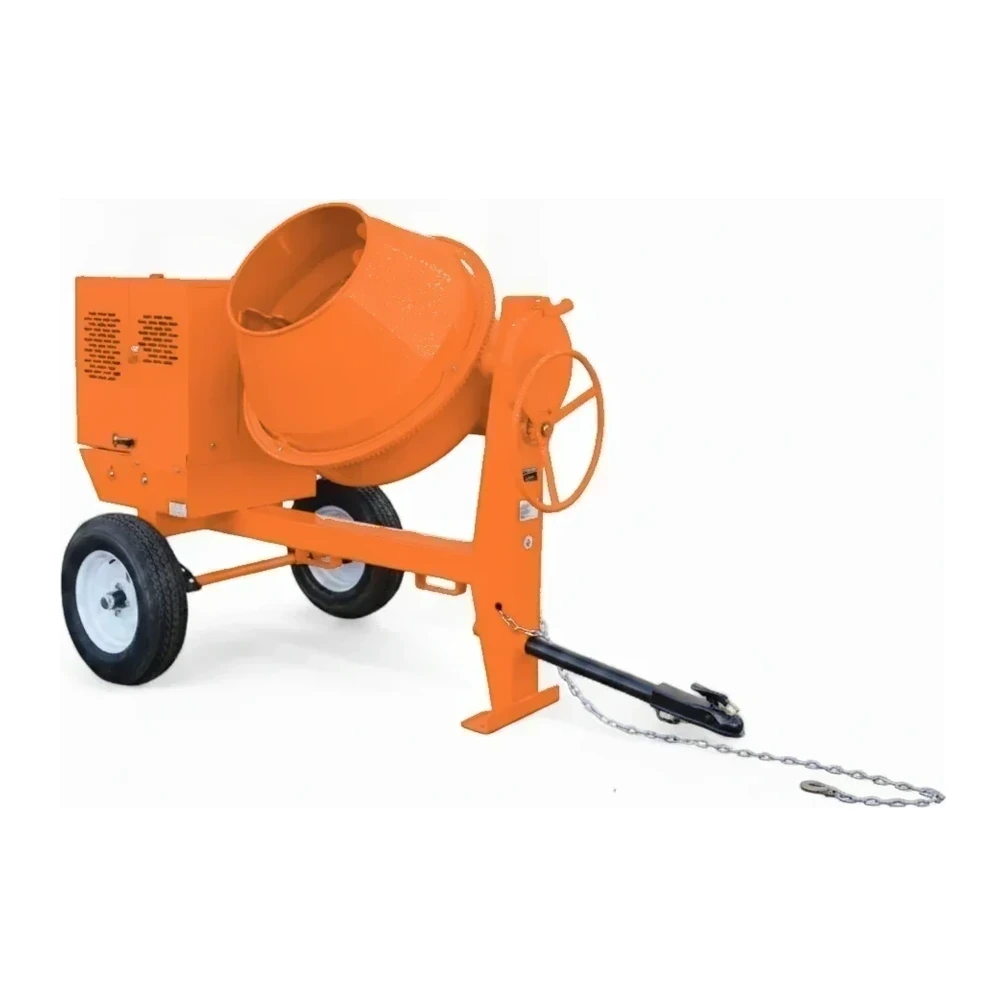
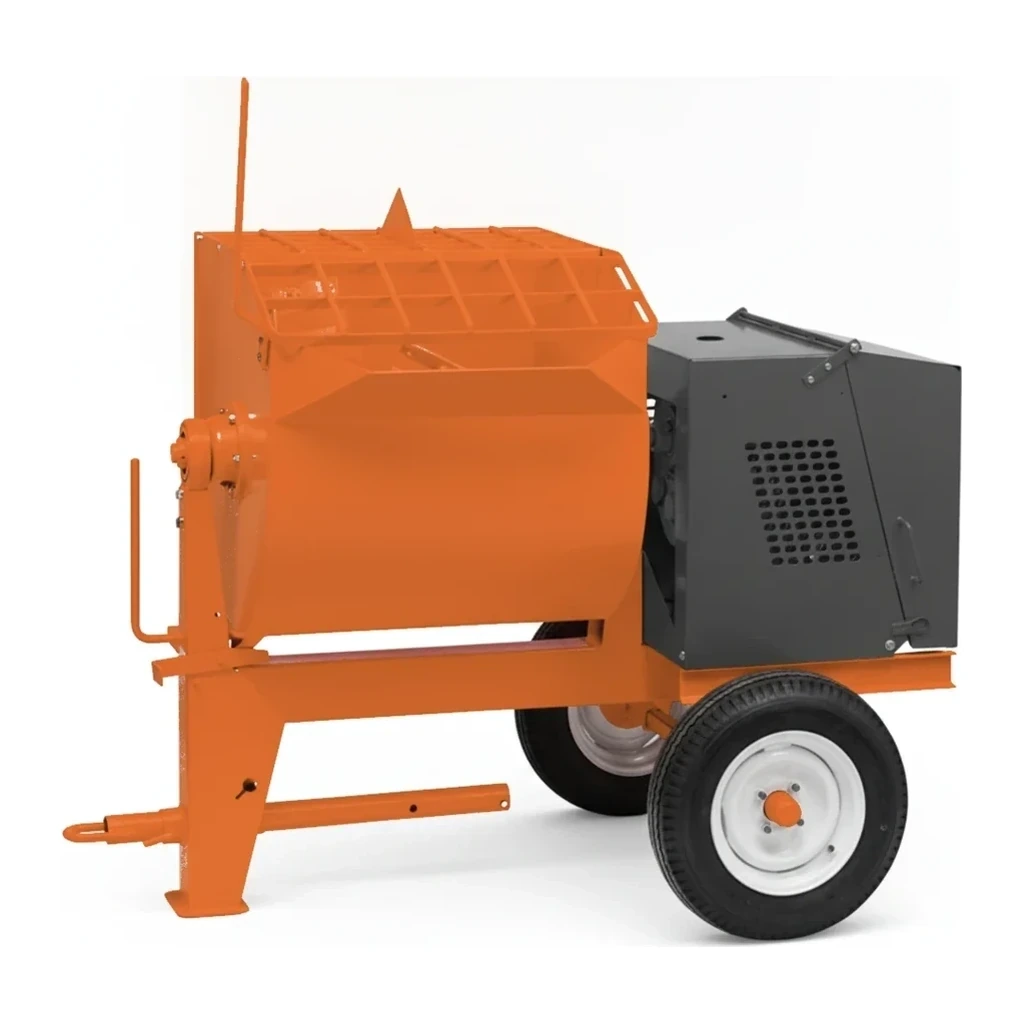
Mixers batch concrete, mortar, and grout at the point of work. Drum concrete mixers are by far the most numerous class in the catalog, followed by paddle-type mortar mixers for masonry trades.
Fonctionnement
A gas engine or electric motor turns the drum or paddle shaft. In a drum mixer, internal fins lift and fold the material as the drum rotates; in a mortar mixer, rubber-tipped paddles shear the mix against the drum wall. Batch size, measured in cubic feet, sets how much material each cycle produces.
Types et variantes
- Concrete Mixer
- Rotating-drum machine that batches and mixes concrete on site.
- Mortar Mixer
- Paddle-style mixer designed for mortar, stucco, and grout rather than aggregate mixes.
- Industrial Mixer
- High-capacity mixer for production-scale batching applications.
Comment choisir
Mix type is the deciding factor: coarse-aggregate concrete needs a drum mixer, while mortar, stucco, and grout need paddle mixing to reach a creamy consistency. Batch volume should match crew placement speed — an oversized batch stiffens before it is used. Power source follows the site: electric for enclosed spaces, gas where power is absent.
Normes et certifications
- OSHA · 29 CFR 1926 Subpart Q
- Concrete and masonry construction requirements, including formwork and shoring.
- OSHA · 29 CFR 1926.1153
- Respirable crystalline silica rule; requires dust controls when cutting, grinding, or drilling concrete and masonry.