

Tower Cranes
Fonctionnement
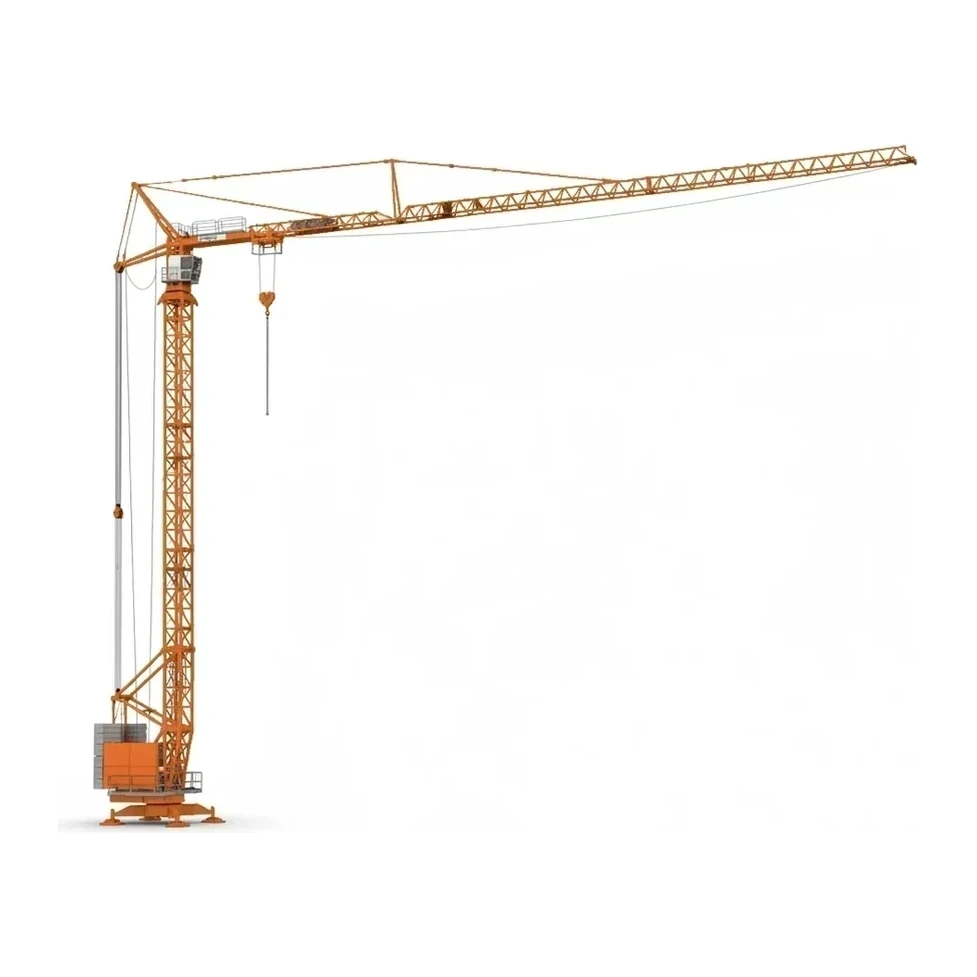
Tower cranes operate through a trolley system that moves along the horizontal jib, allowing precise load positioning across the work area. The mast is either fixed to a concrete foundation or climbs internally as the structure rises, with counterweights balancing the jib and load. An operator cab or remote control station directs the crane's slewing (rotation), trolley travel, and hoisting functions. Load moment limiters and other safety systems prevent overloading and monitor operational parameters throughout each lift cycle.
Types et variantes
- Hammerhead Tower Crane
- Features a horizontal jib with a machinery house at the rear, providing maximum lifting capacity at the jib tip and allowing the trolley to travel the full jib length without obstruction
Normes et certifications
- ISO · ISO 4306 (Parts 1-3)
- Vocabulary, classification, and tower crane-specific requirements
- ASME · ASME B30.3
- Construction tower crane safety standard covering installation, operation, and maintenance
- FEM · FEM 1.001
- European design rules for tower cranes, widely referenced for structural calculations
Questions fréquentes
What factors determine tower crane selection for a project?
Selection depends on maximum load capacity, required hook height, working radius, site access constraints, and project duration. Engineers evaluate the building footprint, surrounding obstructions, and whether the crane will climb with the structure or remain at fixed height throughout construction.
How are tower cranes erected and dismantled on site?
Mobile cranes typically erect tower cranes by assembling mast sections on a foundation, then lifting and installing the slewing unit, jib, and counter-jib. For climbing cranes, hydraulic systems insert additional mast sections as the building rises. Dismantling reverses this process, often requiring coordination with project milestones to maintain site access.
What is the difference between static and climbing tower cranes?
Static tower cranes remain fixed to a foundation at ground level throughout the project, with height determined during initial erection. Climbing tower cranes attach to the structure being built and use hydraulic systems to add mast sections and rise with the building, allowing them to serve tall structures without requiring excessive initial height.
What certifications are required for tower crane operators?
Most jurisdictions require operators to hold specific tower crane certifications from recognized bodies such as NCCCO in North America. Requirements typically include written and practical examinations covering load charts, rigging principles, and site-specific safety protocols.