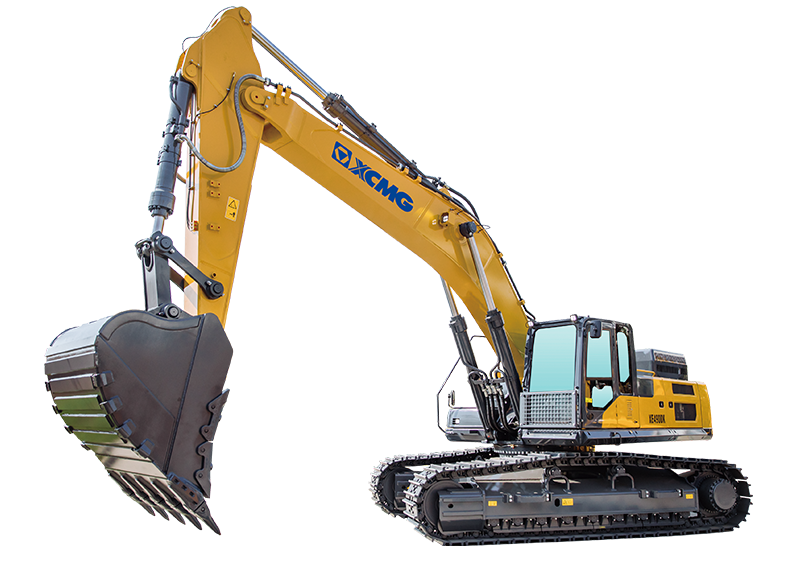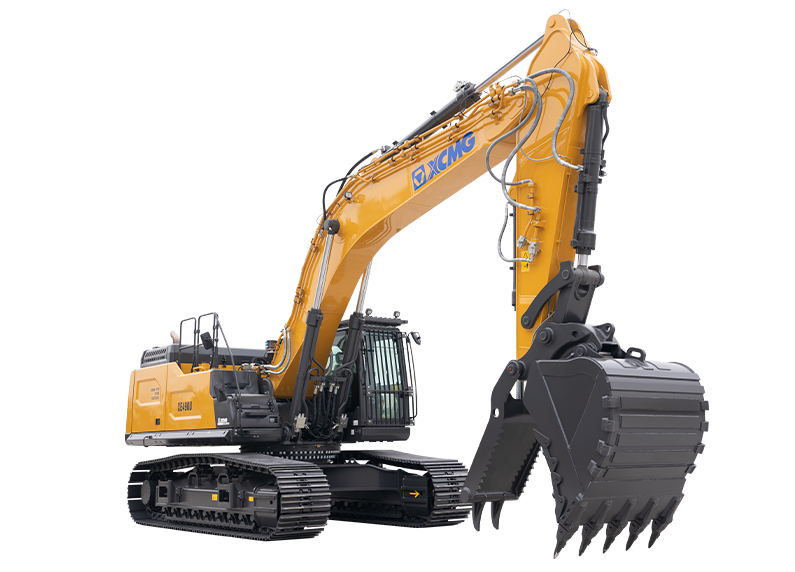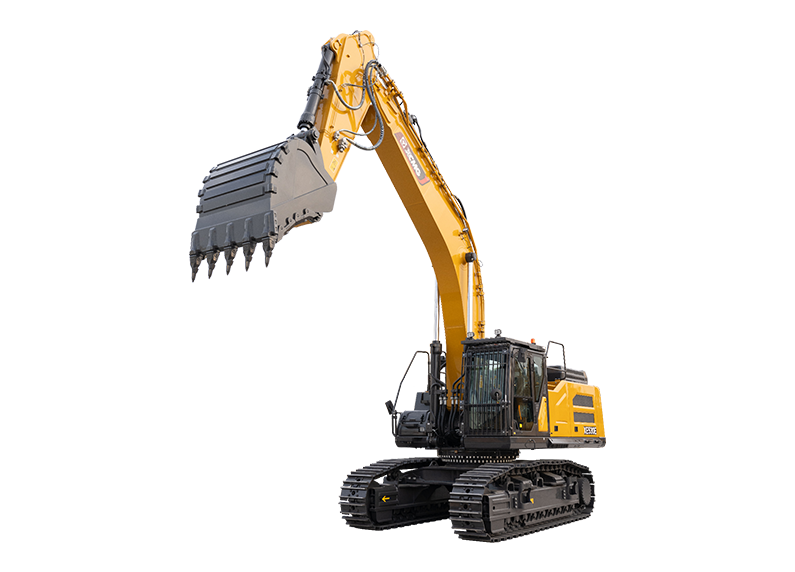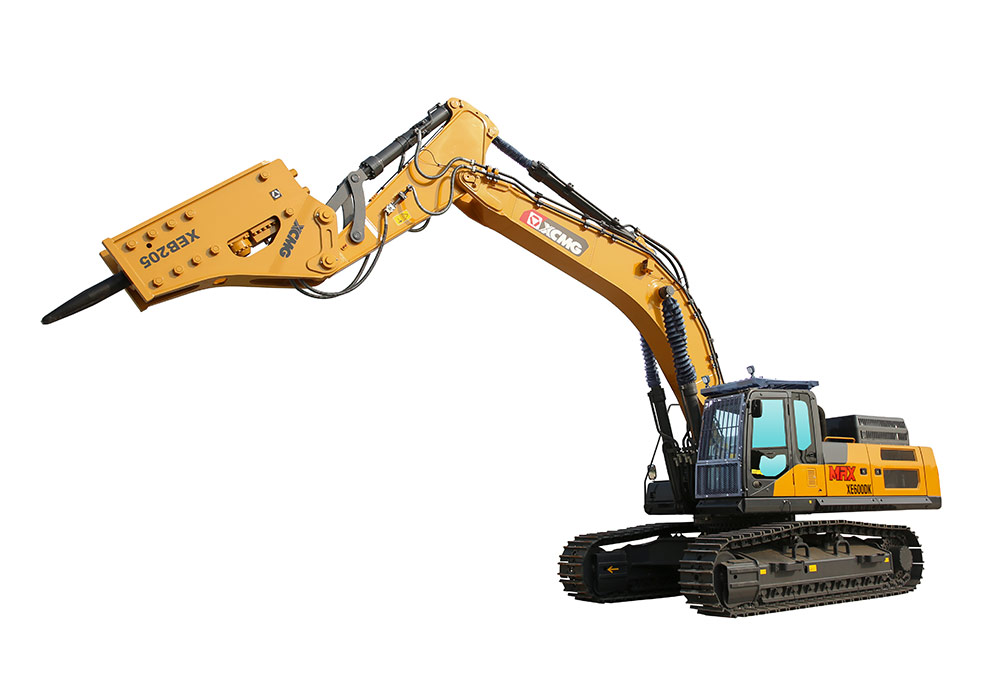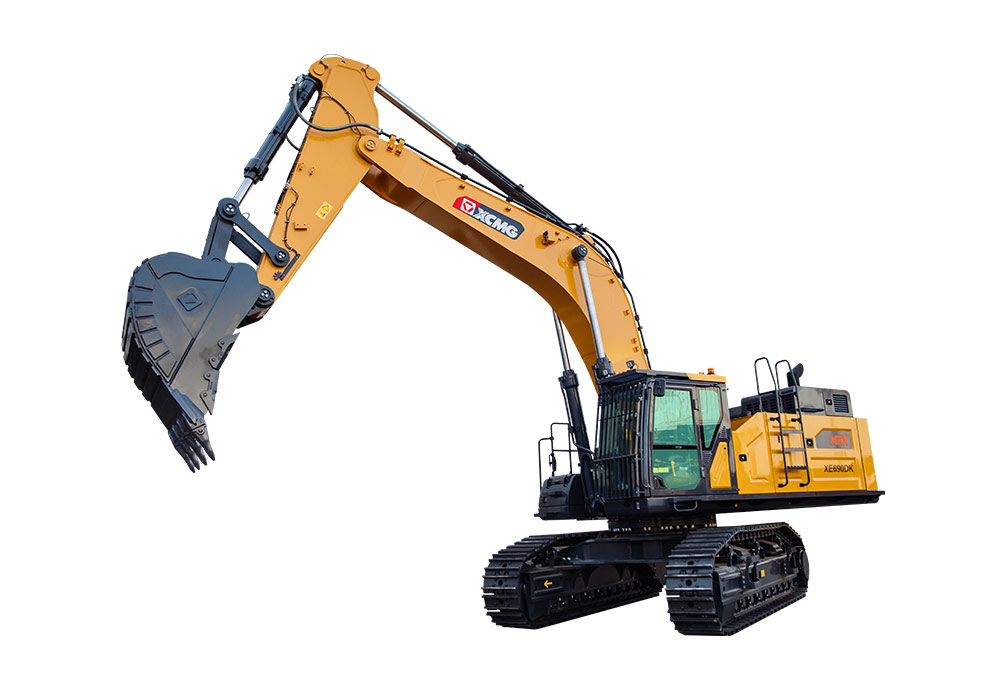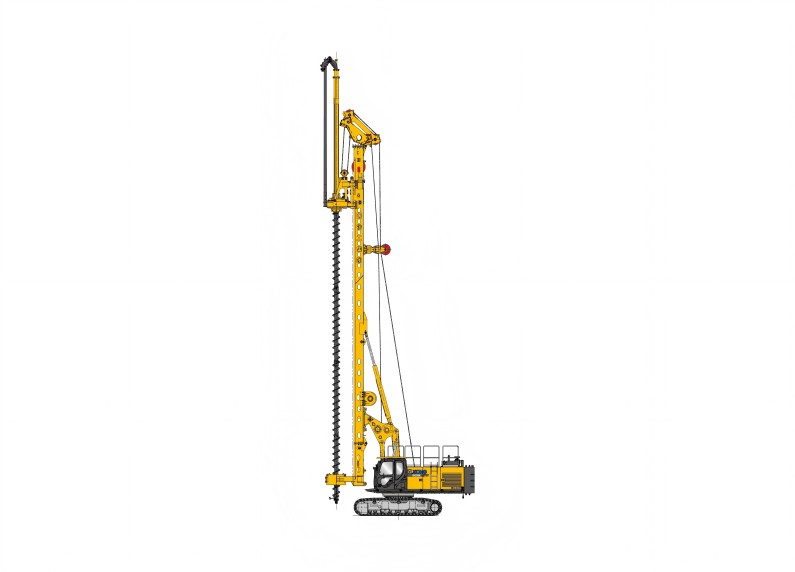

100,000+ lb Track Excavator
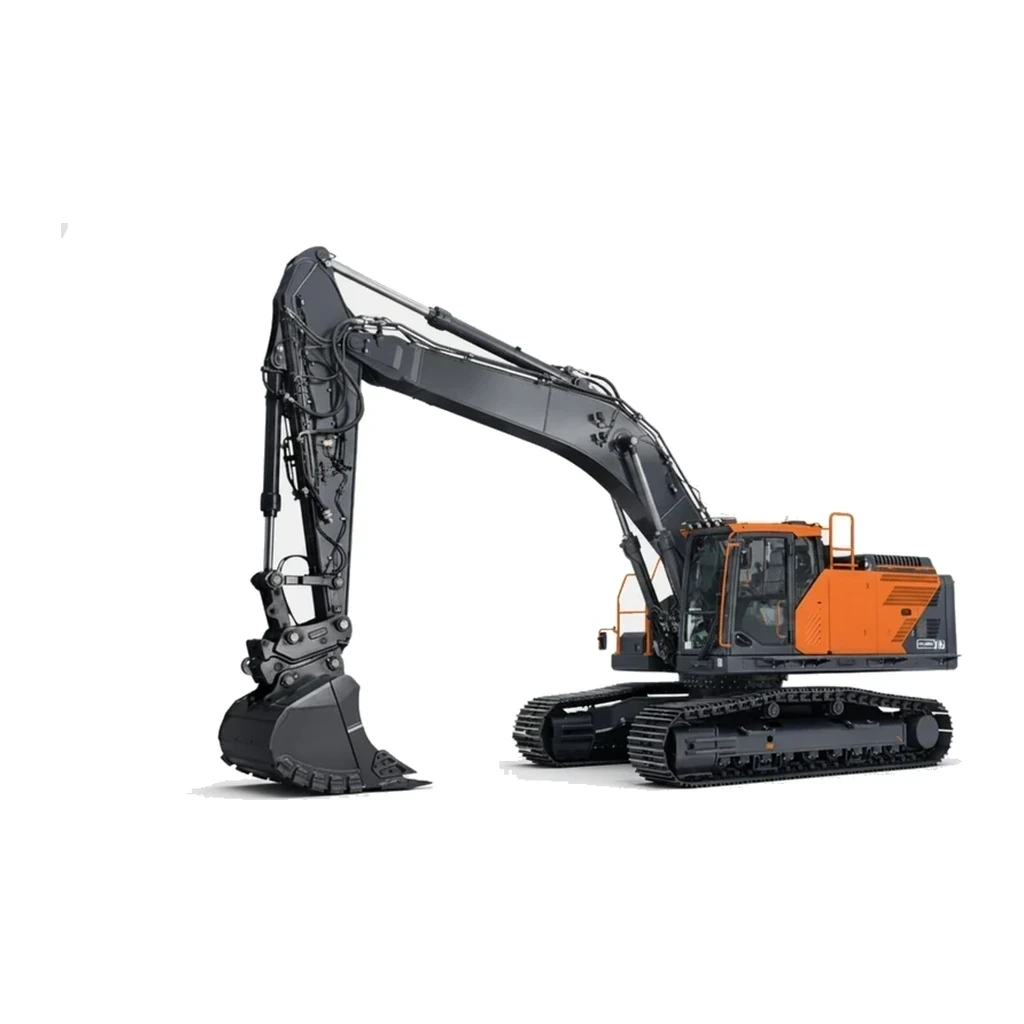
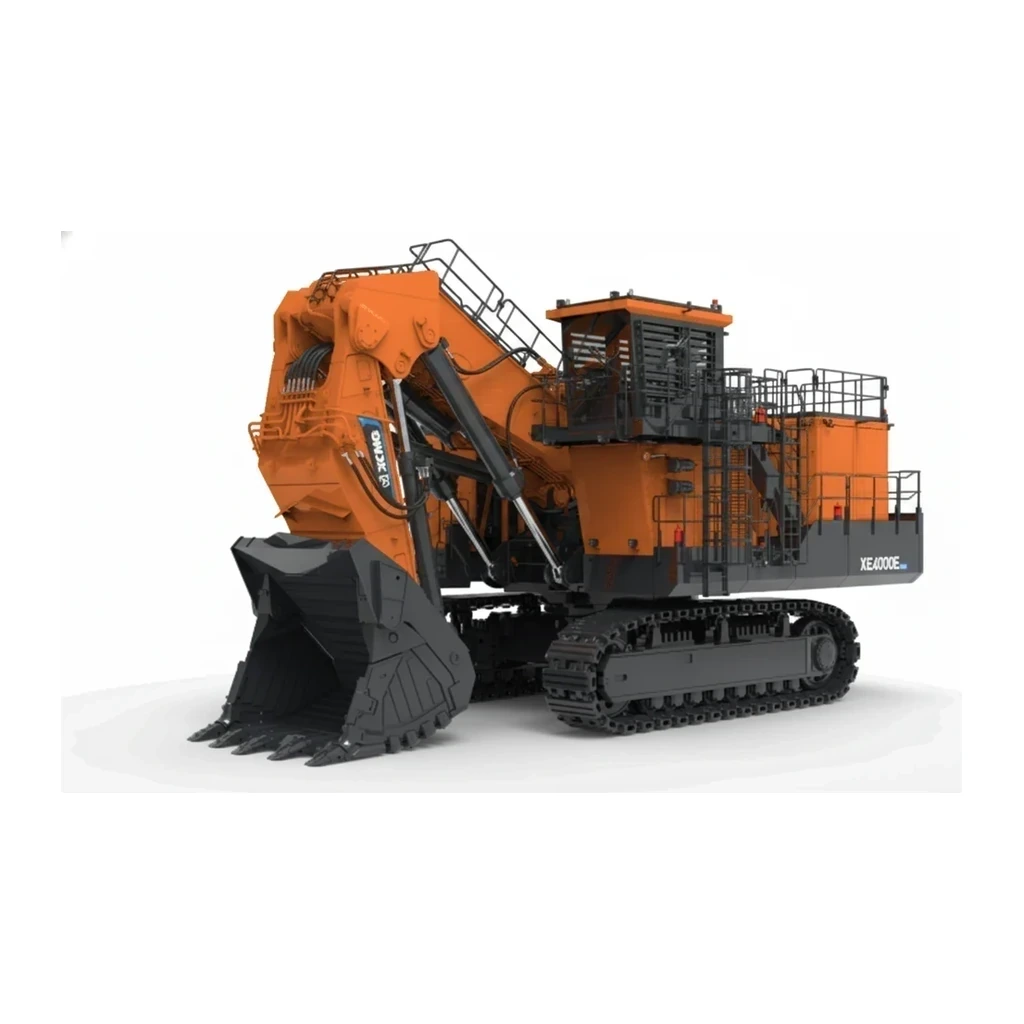
The 100,000+ lb track excavator class represents the largest production machines in the excavator family, starting at 50 tons and ranging up to 200 tons operating weight. These machines are engineered for quarry operations, mining applications, and large-scale civil earthwork where production volume and cycle efficiency justify their scale. This is the top rung of the track excavator ladder, with no larger size class above it.
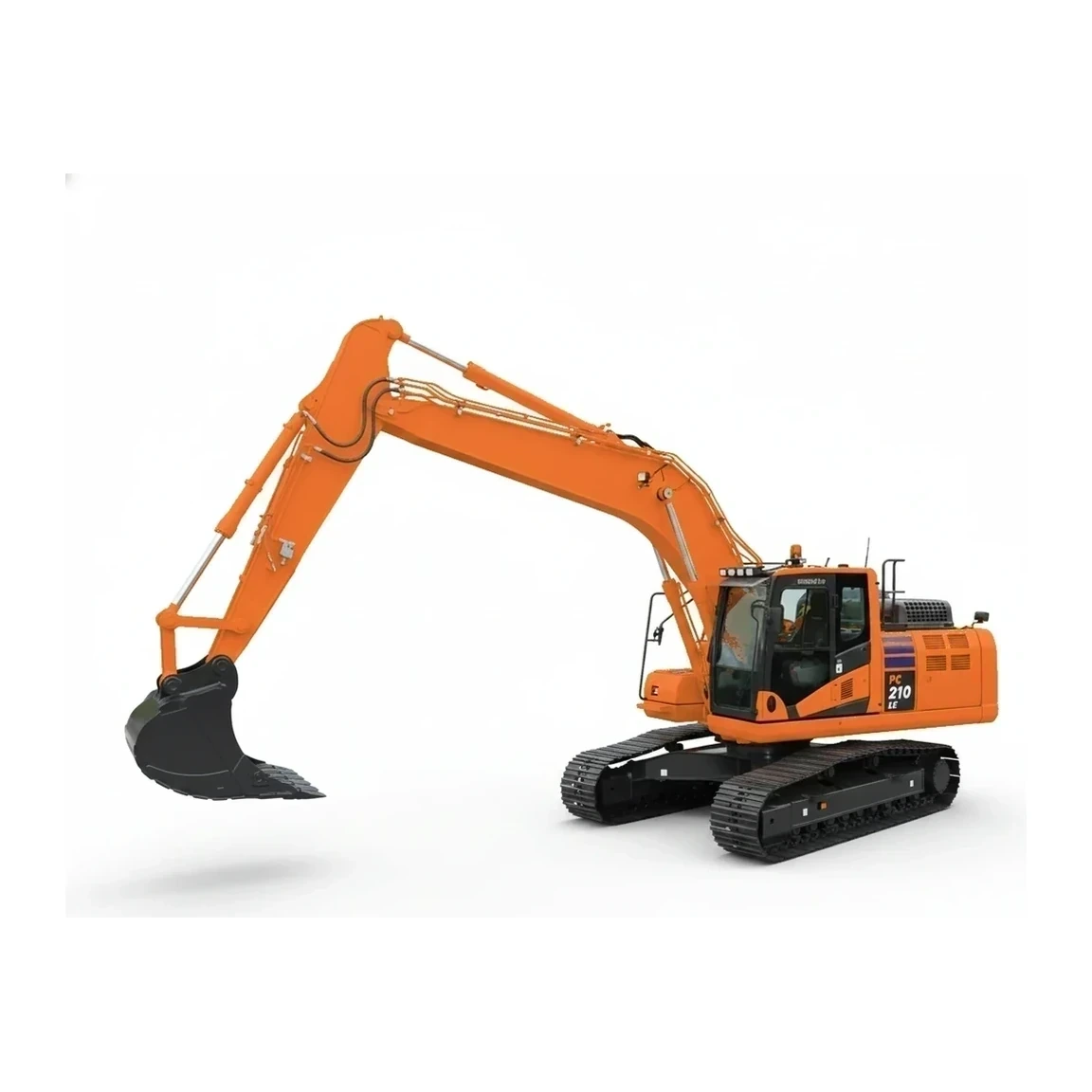
Cat classes
Choisissez une classe de taille : la capacité et la portée varient selon la gamme.
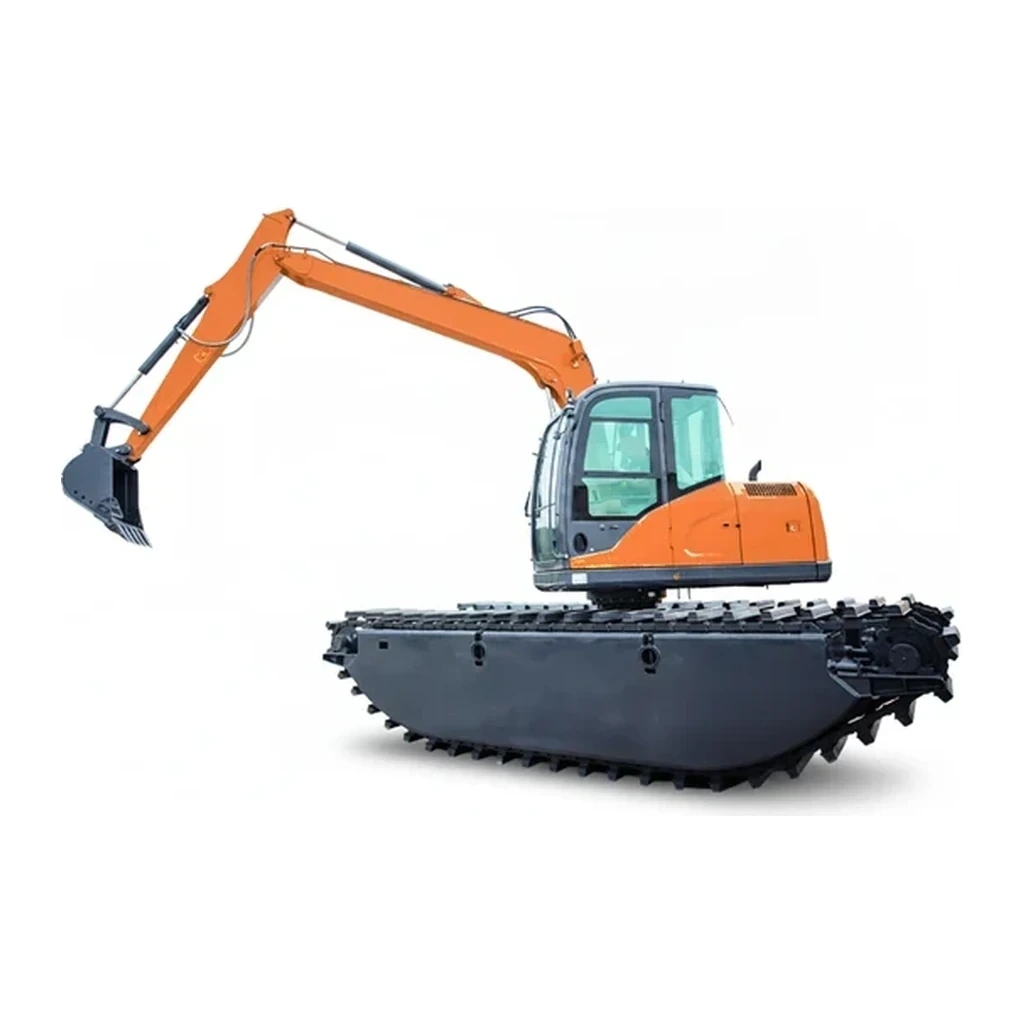
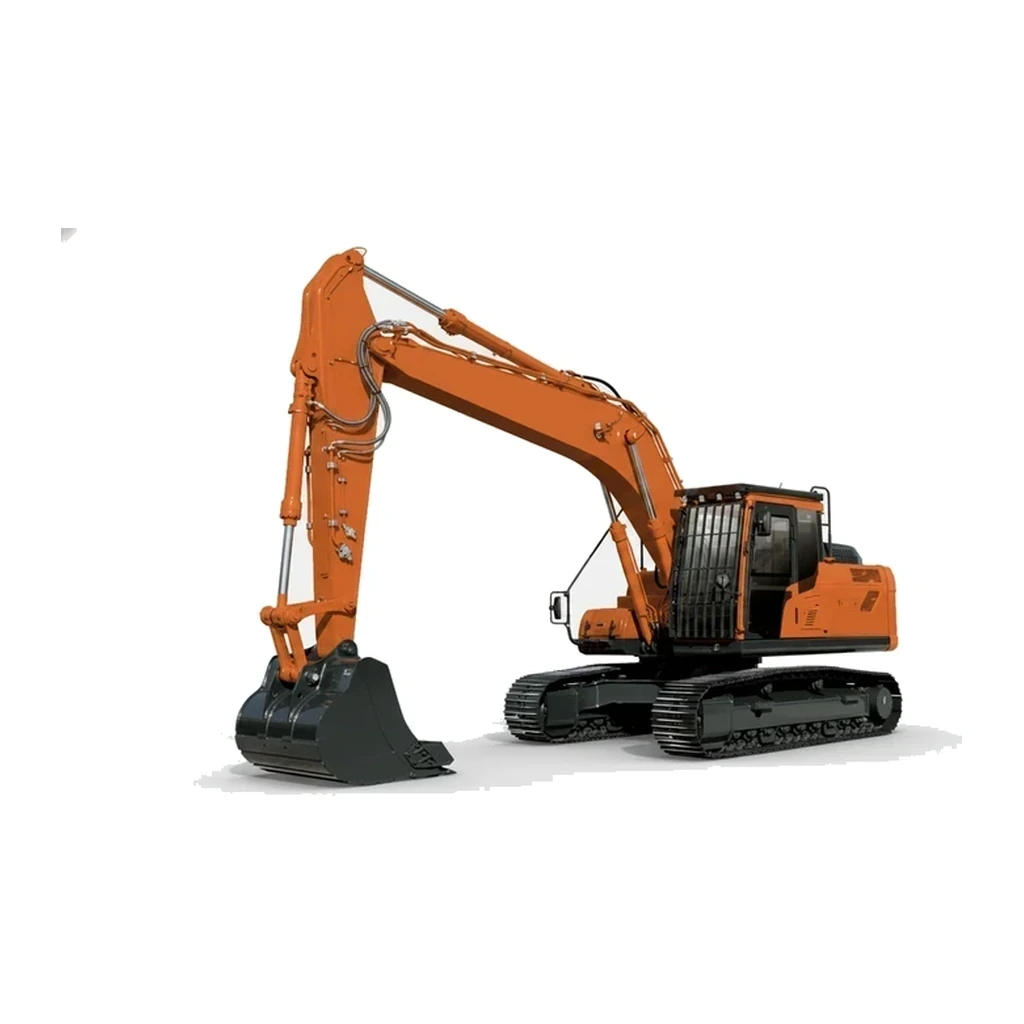
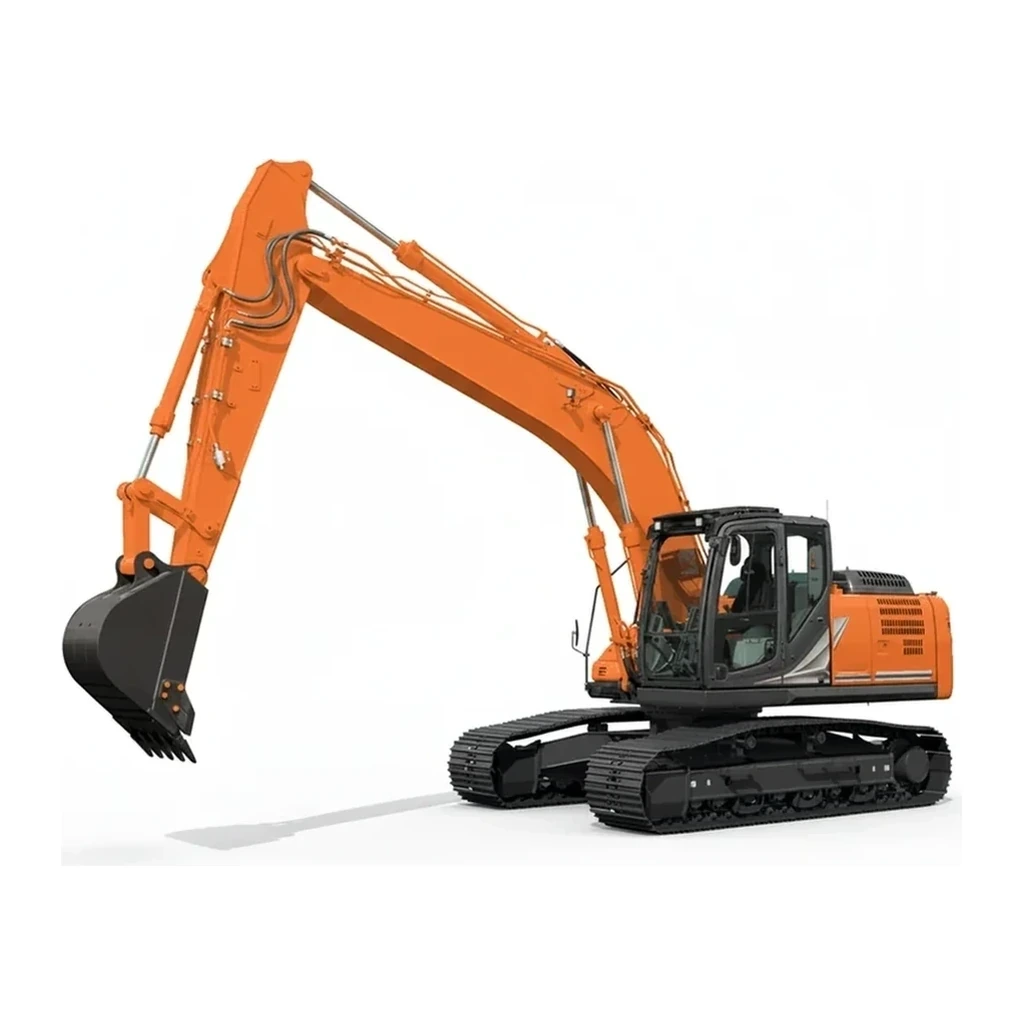
Spécifications clés
| Spécification | Plage typique | Signification |
|---|---|---|
| Operating weight | 47,500-400,976 kg (104,700-884,000 lb) | Defines the machine's stability, breakout force, and the infrastructure required to transport and support it on site. |
| Engine power | 25.5-1999.5 hp | Diesel engines scaled to move bucket loads measured in cubic yards; higher-end models approach 2,000 hp for mining-duty cycles. |
| Max dig depth | 12.2–52.4 ft (3.7–16.0 m) | Vertical reach below grade; largest models exceed 50 feet for deep quarry benching and minepit development. |
| Max reach | 35–11,800 ft (10.7–3,597 m) | Horizontal working envelope from the machine centerline; extended-reach configurations serve dredging and mass excavation. |
Comment choisir
This size class is appropriate when production volume, dig depth, or reach exceed the capacity of smaller excavators, or when the work involves high-density material that demands maximum breakout force. Quarry shot rock loading, mine overburden removal, large dam construction, and deep foundation excavation all justify machines in this weight range. For large earthwork that does not require extreme dig depth or bucket capacity, highway cuts, site grading, utility corridor work, the 70,000-100,000 lb Track Excavator class often provides better mobility and lower transport costs. There is no step up from this class; projects requiring still greater production typically deploy multiple units or purpose-built mining shovels.
Ce que cette taille peut gérer
- Loading 100-ton haul trucks in aggregate quarries and open-pit mines
- Mass excavation for dam construction and reservoir development
- Deep foundation and caisson work where dig depth exceeds 40 feet
- Overburden stripping in surface coal and mineral mining operations
- Large-scale land reclamation and port dredging with long-reach configurations
- Rock face scaling and bench production in dimensional stone quarries
Sécurité et opération
- Operator certification for machines over 50 tons is often required by site safety plans and insurance underwriters
- Ground bearing pressure and compaction must be evaluated; reinforced haul roads and working pads are standard on soft or engineered fill
- Proximity detection systems, cameras, and grade-control integration are common on larger models to manage blind spots and prevent contact with personnel or equipment
- Swing radius and counterweight clearance require exclusion zones; spotter coordination is typical in congested quarry or construction environments
Transport et logistique
- Requires multi-axle lowboy or RGN trailers rated for 50-200+ tons; most moves exceed legal width and weight limits
- Oversize/overweight permits and specialized heavy-haul carriers coordinate routing and escort requirements
- Machines are often transported with boom and arm removed; field reassembly by factory-trained technicians is standard
Alimentation
- Diesel fuel consumption ranges from 15 to over 100 gallons per hour depending on model and duty cycle; on-site bulk fuel storage is typical
- High-horsepower models may require diesel particulate filters (DPF) and selective catalytic reduction (SCR) systems with diesel exhaust fluid (DEF) supply
Questions fréquentes
What differentiates a 100,000+ lb excavator from smaller classes in production capability?
Why does max reach vary so widely in this class?
How does operating weight affect site access and ground conditions?
Comparer les modèles populaires
Chercher par spécification →Normalisé aux mêmes unités. Un tiret signifie que la valeur n'a pas été publiée.
| Modèle | Poids en service | Profondeur d’excavation max | Portée max | Puissance moteur |
|---|---|---|---|---|
| Case CX490C | - | - | 38.7 ft (11.8 m) | 362 hp |
| Komatsu PC1250-8 | 254,081 lb (115,249 kg) | - | - | 673 hp |
| Hitachi EX2000-7 | - | 14.4 ft (4.4 m) | 44.3 ft (13.5 m) | 1,000 hp |
| Hitachi EX3600-7 | - | 14.4 ft (4.4 m) | 51.5 ft (15.7 m) | 1,944 hp |
| Hitachi ZX490LCH-7 | - | 25.3 ft (7.7 m) | 39.3 ft (12.0 m) | 397 hp |
| Hitachi ZX530LCH-7 | 119,931 lb (54,400 kg) | 25.2 ft (7.7 m) | 38.8 ft (11.8 m) | 397 hp |
Équipements connexes
Parcourir par fabricant
Sources
Chaque spécification est vérifiée par rapport aux données publiées par le fabricant, avec la source liée pour référence.
100,000+ lb Track Excavator
93 modèles · Page 1 sur 2 · Chaque spécification citée à la source